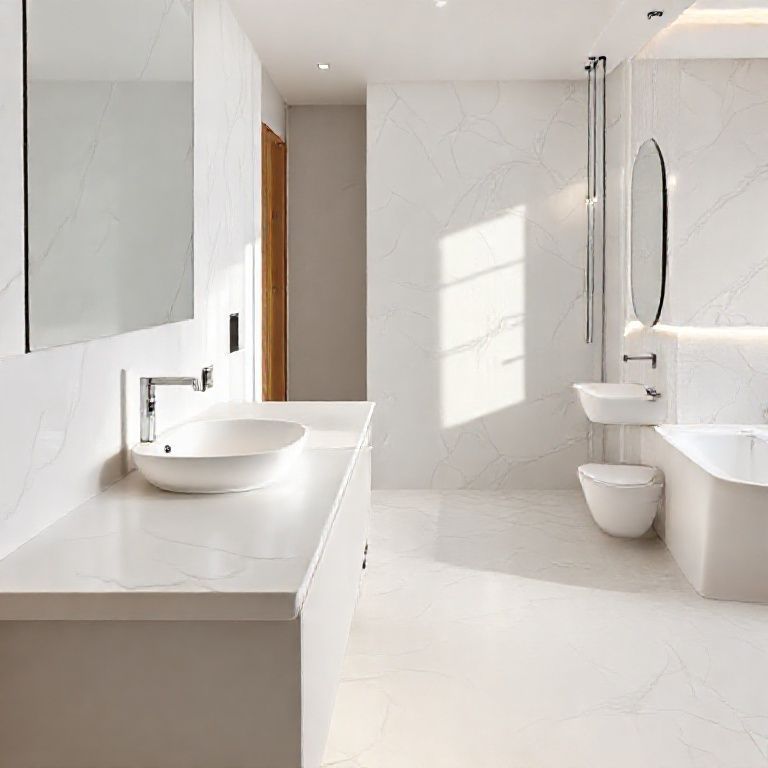
Natural Marble vs. Synthetic Marble: Differences
Introduction to Marble
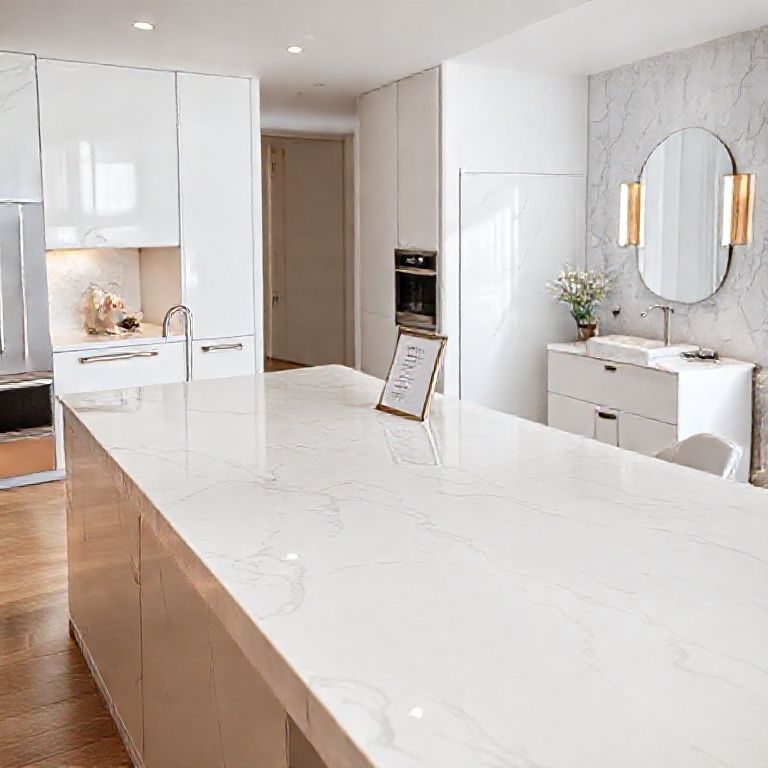
Marble has long been a symbol of luxury and elegance, admired for its stunning beauty and versatility. Whether you’re designing a kitchen, bathroom, or a lavish office space, marble remains a popular choice for countertops, flooring, and decorative elements. However, with the advent of synthetic marble, the market now offers a plethora of options that can challenge the traditional natural marble. This guide delves into the differences between natural marble and synthetic marble, focusing on their origins, characteristics, and aesthetic appeal.
Natural Marble
1. Origin and Composition
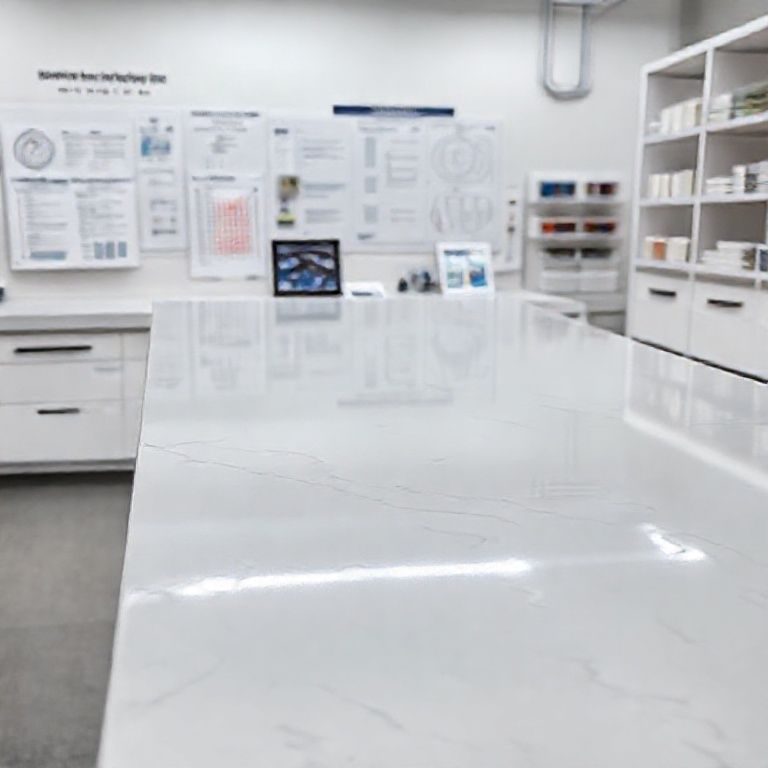
Natural marble is a metamorphic rock formed from limestone or dolomite through the process of heat and pressure. Its unique patterns and colors come from the minerals and impurities present during its formation. These patterns are unique to each piece, making natural marble a one-of-a-kind material.
2. Aesthetic Appeal
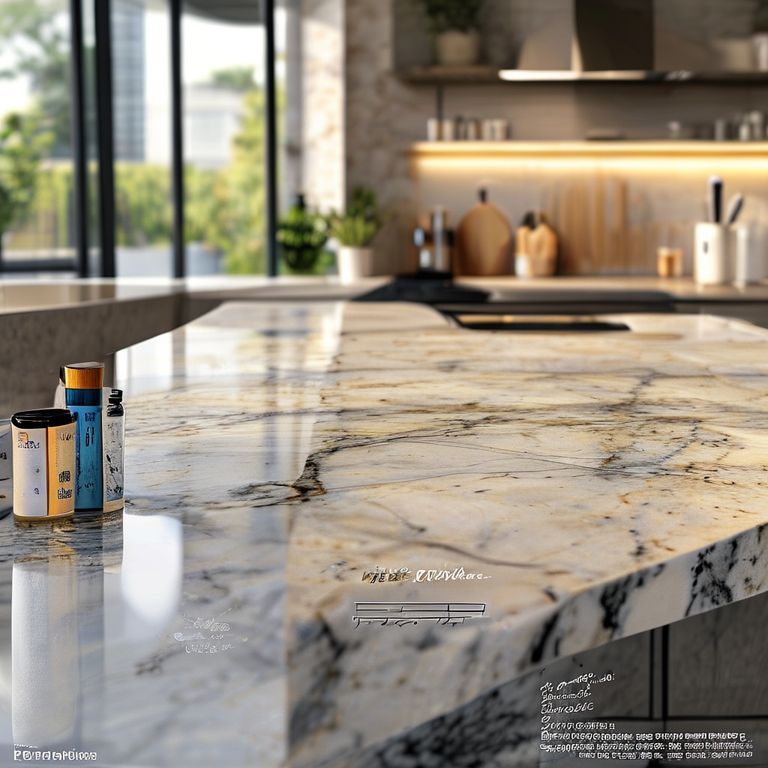
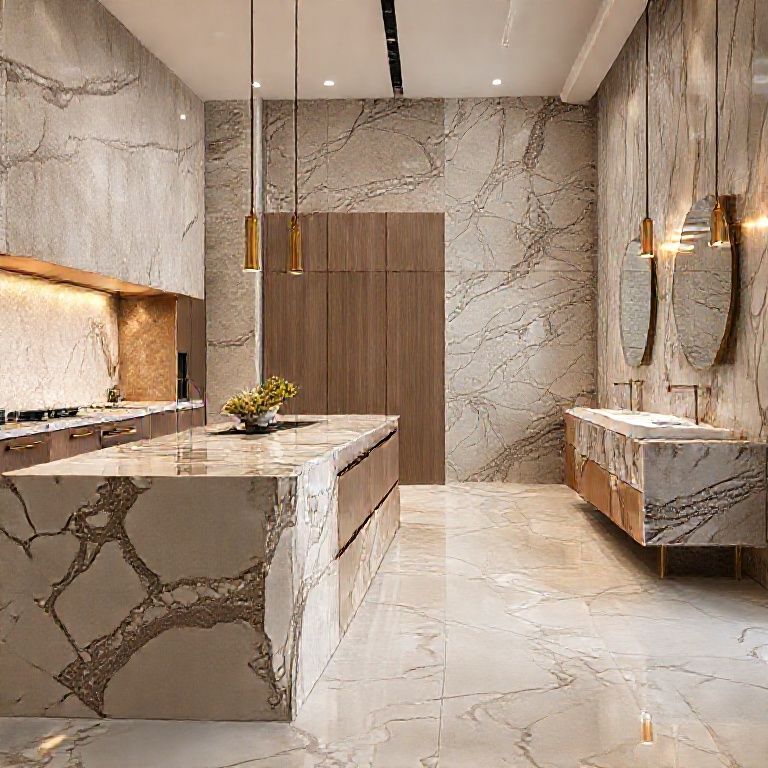
Natural marble is revered for its timeless beauty and natural patterns. Each slab exhibits unique veining and color variations, which add character and elegance to any space. The natural beauty of marble is often enhanced by the play of light, creating a dynamic and captivating visual effect.
3. Durability and Maintenance
While natural marble is known for its beauty, it is also prone to staining, etching, and scratching. This necessitates regular maintenance, including sealing and polishing to preserve its luster and prevent damage. Despite this, when properly cared for, natural marble can last for generations, adding a touch of enduring elegance.
Synthetic Marble
1. Origin and Composition
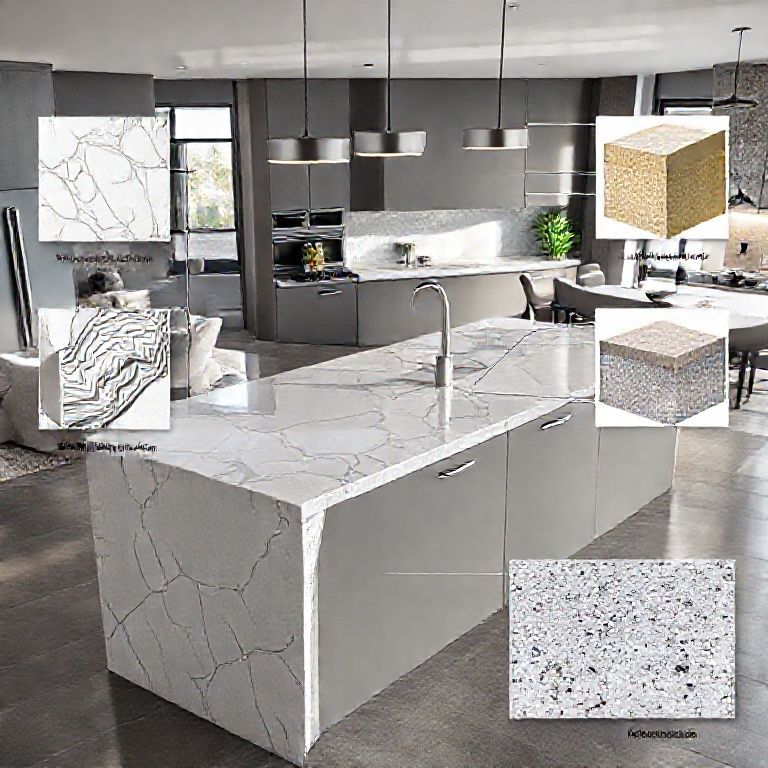
Synthetic marble, also known as cultured marble or artificial marble, is a composite material created by combining resin, marble dust, and other additives. This process allows manufacturers to mimic the appearance of natural marble while controlling its color, texture, and pattern.
2. Aesthetic Appeal
Synthetic marble offers an impressive range of colors and patterns, often more uniform than those found in natural marble. It can replicate the look of natural marble with remarkable fidelity but without the inherent variability. This consistency makes synthetic marble an excellent choice for those seeking a specific aesthetic without the unpredictability of natural stone.
3. Durability and Maintenance
One of the significant advantages of synthetic marble is its durability. It is much more resistant to stains, etching, and scratching compared to natural marble. This makes it easier to maintain and ideal for high-traffic areas. Additionally, synthetic marble does not require sealing or polishing to maintain its appearance, reducing long-term maintenance costs.
Environmental Impact
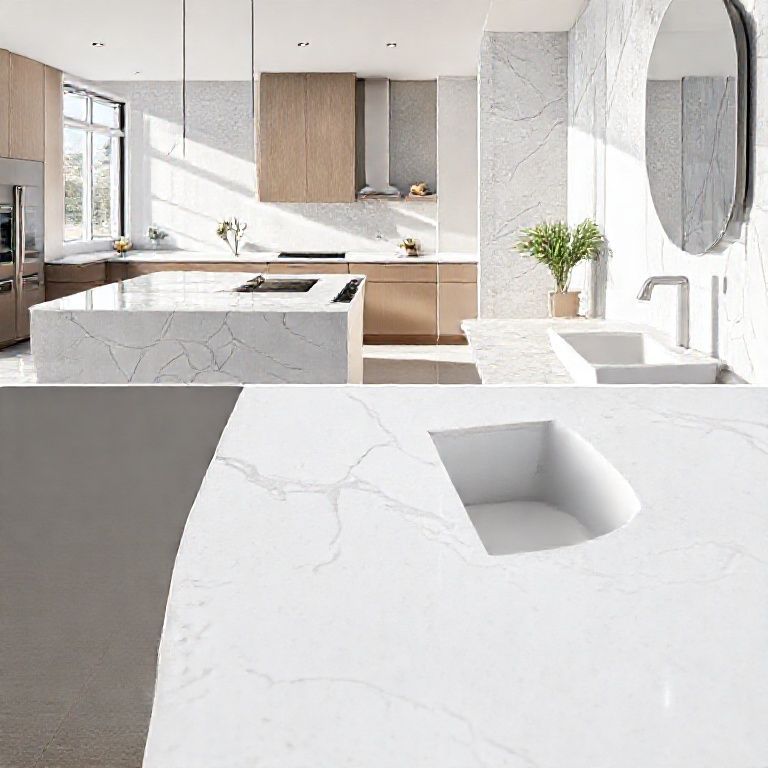
Natural marble extraction can have a substantial environmental footprint, including land disruption, water usage, and carbon emissions. In contrast, synthetic marble is often considered more eco-friendly, as it requires less energy and fewer natural resources to produce. The manufacturing process also allows for better control over waste and emissions.
Conclusion
When comparing natural marble to synthetic marble, it’s clear that each has its unique advantages and drawbacks. Natural marble offers unparalleled beauty and character but requires diligent maintenance and can be more expensive. Synthetic marble, on the other hand, provides durability and ease of maintenance while allowing for consistent and vibrant aesthetics. Understanding these differences can help you make an informed choice based on your specific needs and preferences.
Pricing and Considerations
Introduction to Marble Pricing
When it comes to selecting marble for your next project, understanding the pricing differences between natural marble and synthetic marble is crucial. This guide will break down the cost factors associated with each type of marble, helping you navigate the pricing landscape and make an informed financial decision.
Pricing Factors for Natural Marble
1. Quality and Source
The price of natural marble is heavily influenced by its quality and source. Marble from renowned quarries, such as those in Italy or Turkey, tends to be more expensive due to their historical reputation for producing high-quality stone. The specific type of marble, such as Carrara, is also a significant factor in determining cost. High-quality marble with exceptional veining and color can fetch a premium price.
2. Labor Costs
Since natural marble requires more labor-intensive cutting, polishing, and sealing processes, labor costs can significantly impact the overall price. Skilled artisans are needed to work with natural marble, and their expertise adds to the cost. Additionally, the unique and irregular patterns of natural marble often require more precise cutting, further increasing labor expenses.
3. Maintenance Costs
The maintenance costs associated with natural marble are another critical factor. Regular sealing and polishing are necessary to protect the stone and maintain its appearance. These maintenance costs can add up over time, especially if the marble is used in high-traffic areas. It’s important to consider these ongoing expenses when budgeting for natural marble.
Pricing Factors for Synthetic Marble
1. Production Costs
Synthetic marble is typically less expensive than natural marble due to the relatively lower production costs. The manufacturing process involves mixing resin, marble dust, and other additives, which is less labor-intensive compared to the extraction and processing of natural marble. The consistency of color and pattern in synthetic marble also reduces the need for additional finishing, further lowering production costs.
2. Customization
Synthetic marble offers greater flexibility in terms of customization. Manufacturers can create a wide range of colors, patterns, and textures to match specific design requirements. This versatility often translates into cost savings, as custom designs do not incur additional expenses compared to standard options.
3. Durability and Maintenance
The durability of synthetic marble means that it requires less maintenance compared to natural marble. This not only reduces immediate installation costs but also lowers long-term maintenance expenses. The ease of cleaning and resistance to stains and scratches make synthetic marble a cost-effective choice over time.
Comparative Pricing
Natural Marble
Low-end: $10 – $25 per square foot Mid-range: $25 – $50 per square foot High-end: $50 – $100+ per square foot
The price can vary widely based on the type of marble, quality, and specific design requirements.
Synthetic Marble
Low-end: $5 – $15 per square foot Mid-range: $15 – $30 per square foot High-end: $30 – $50 per square foot
Synthetic marble is generally more affordable, with prices that can be influenced by the level of customization and desired aesthetics.
Considerations for Budgeting
When budgeting for marble, it’s important to consider not just the initial cost but also the long-term financial implications. Natural marble may offer unparalleled beauty but comes with higher maintenance and potential hidden costs. Synthetic marble, while often more economical upfront, can provide excellent durability and ease of maintenance, potentially saving money over time.
Final Thoughts
Choosing between natural marble and synthetic marble involves weighing aesthetic appeal, durability, maintenance requirements, and cost. Natural marble offers unmatched beauty and character but requires diligent care and can be more expensive. Synthetic marble provides durability and ease of maintenance at a more affordable price, making it an attractive option for many projects. By understanding the differences and pricing factors, you can make an informed decision that aligns with your design vision and budget.
In the next part, we will explore the installation and maintenance of both natural and synthetic marble, providing further insights to help you make the best choice for your project.