The Ultimate Guide to Natural vs. Artificial Marble: Advantages and Disadvantages
When it comes to selecting a material for your home or business, marble stands out as one of the most elegant and timeless choices. Known for its natural beauty and luxurious appearance, marble has been a preferred material for centuries. However, the market today offers two distinct types: natural marble and artificial marble. Each type has its unique set of advantages and disadvantages. In this first part of our comprehensive comparison, we’ll explore the nuanced benefits and challenges of natural marble.
Natural Marble: The Timeless Classic
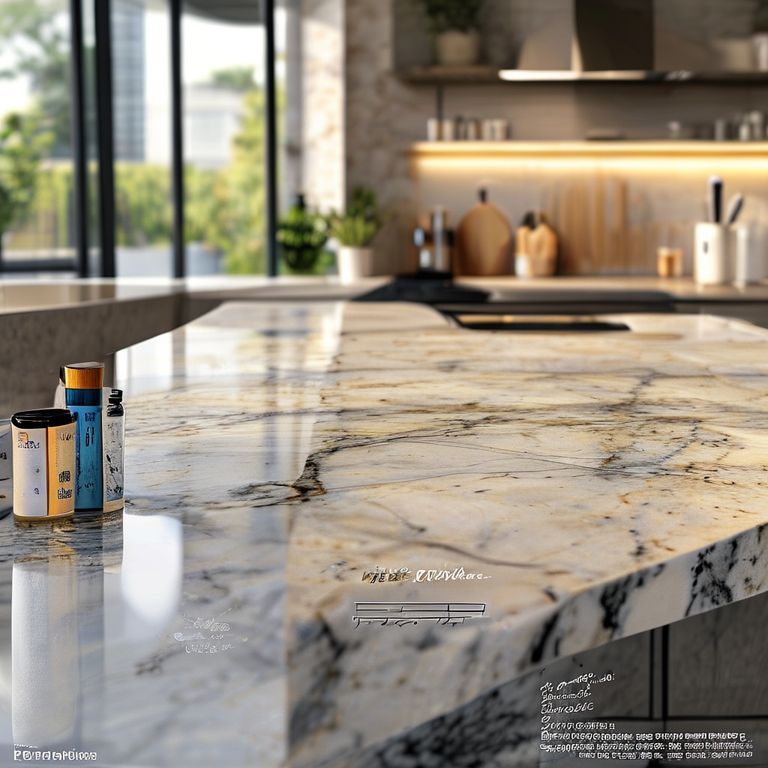
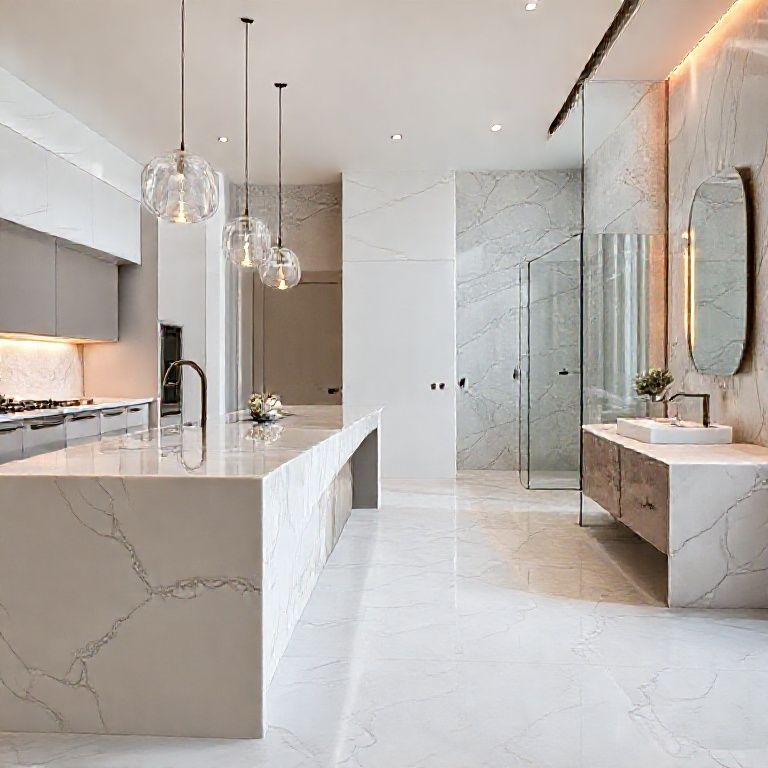
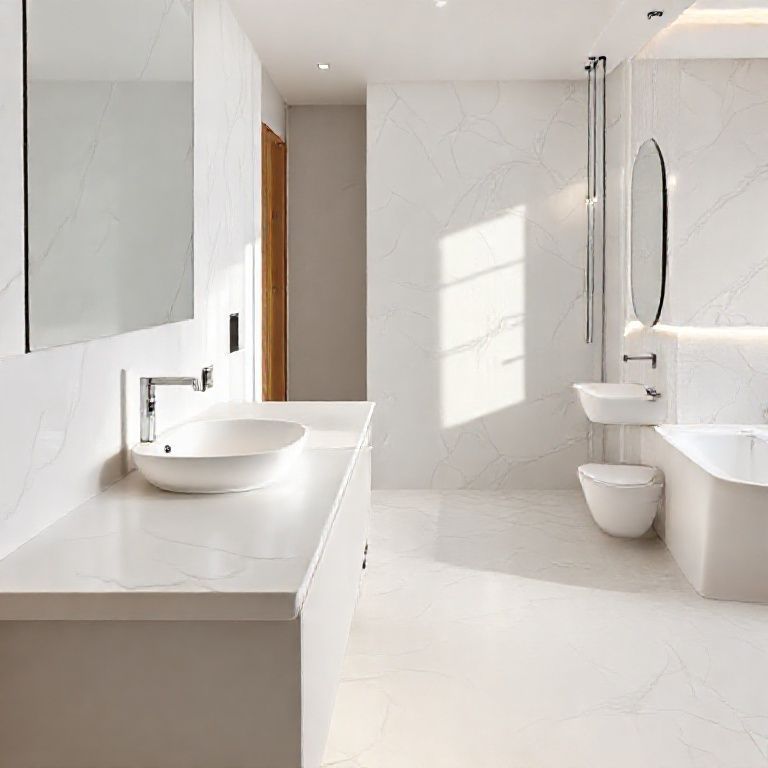
1. Aesthetic Appeal: Natural marble is renowned for its exquisite beauty, characterized by its unique veining and coloration. Each piece is a one-of-a-kind masterpiece, offering an unparalleled aesthetic that can elevate any space. The subtle variations in color and pattern add a touch of elegance and sophistication, making natural marble a timeless classic in interior design.
2. Durability: Natural marble is a durable material, capable of withstanding significant wear and tear. When properly maintained, it can last for generations. This longevity makes natural marble a wise investment for those looking for long-term durability and resilience.
3. Sustainability: From an environmental perspective, natural marble is a more sustainable option. The extraction process for natural marble, while impactful, is often more controlled compared to the synthetic manufacturing processes. Many marble quarries employ sustainable practices to minimize their ecological footprint.
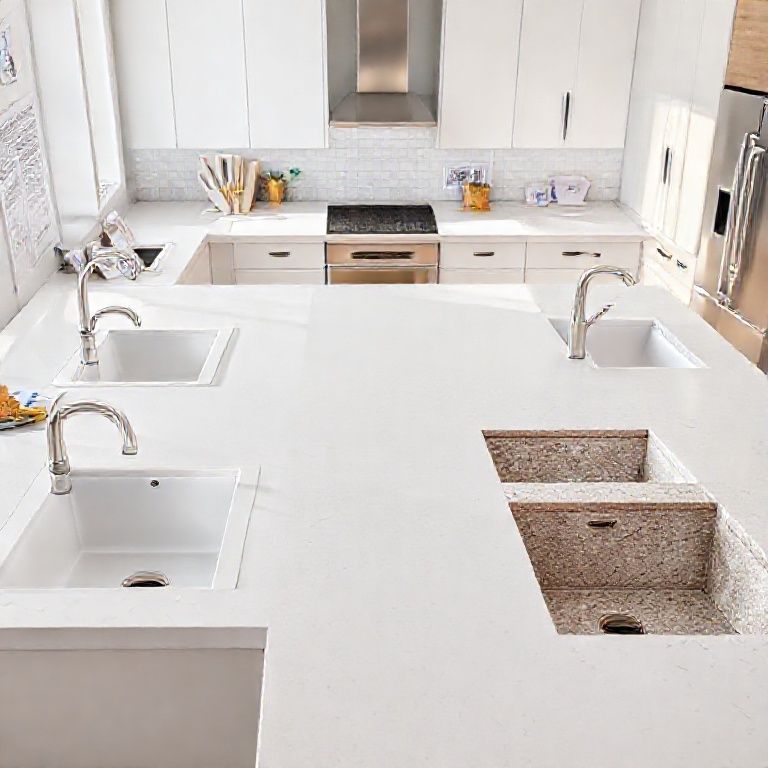
4. Strength: Natural marble is incredibly strong, offering excellent resistance to scratches and minor impacts. This makes it suitable for high-traffic areas such as kitchens, bathrooms, and living spaces where durability is paramount.
5. Unique Character: One of the most cherished aspects of natural marble is its unique character. No two pieces are exactly alike, providing a distinctive charm that is not achievable with artificial alternatives. This uniqueness adds a personalized touch to any design project.
Disadvantages of Natural Marble
1. Cost: Natural marble is generally more expensive than artificial alternatives. The cost is influenced by the rarity and quality of the marble, the complexity of its patterns, and the labor-intensive process of cutting and shaping it. High-end natural marbles like Carrara or Italian marble can be particularly pricey.
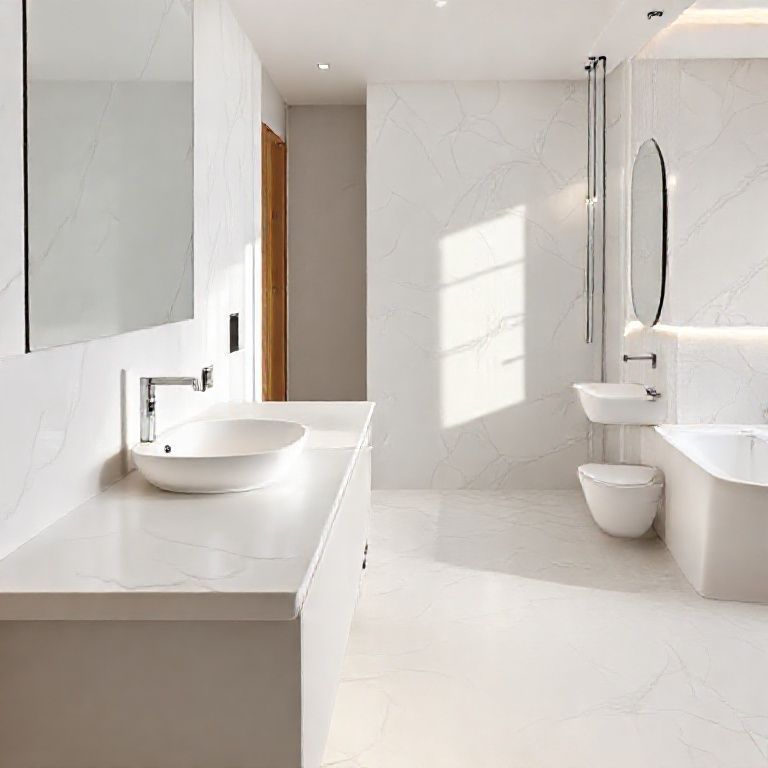
2. Maintenance: Despite its durability, natural marble requires careful maintenance to preserve its beauty. It is prone to staining and etching from acidic substances, making it necessary to use special sealants and regular cleaning routines. Failure to maintain it properly can lead to a significant loss of its aesthetic appeal.
3. Weight: Natural marble is a heavy material, which can pose challenges during installation, particularly in large-scale projects. The weight can also impact structural considerations, especially in older buildings where the supporting structures may not be designed to handle heavy materials.
4. Susceptibility to Damage: While natural marble is strong, it can still be susceptible to certain types of damage. Chips, cracks, and scratches can occur, especially if not handled with care. These imperfections can sometimes be repaired, but they may affect the overall appearance of the piece.
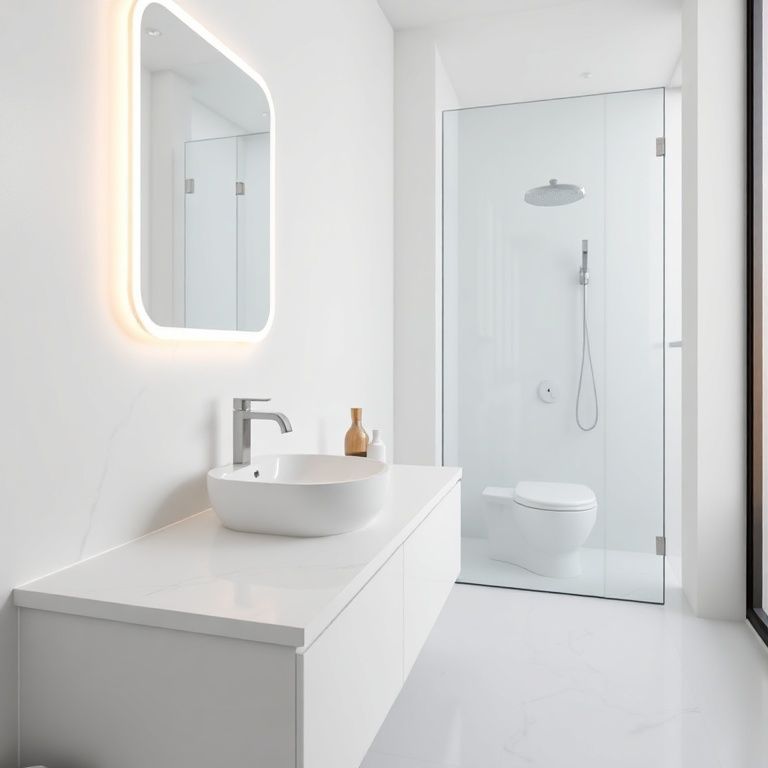
5. Availability: Natural marble is not as readily available as artificial alternatives. Depending on the type and quality, it may be difficult to find specific pieces that meet particular design requirements. This can sometimes lead to delays in project timelines.
Conclusion: Natural marble offers an unmatched level of beauty, durability, and uniqueness. However, its higher cost, maintenance requirements, and susceptibility to damage can be significant drawbacks. For those willing to invest in its timeless elegance, natural marble remains a superior choice. In the next part of our comparison, we will delve into the world of artificial marble, examining its advantages and disadvantages in detail.
The Ultimate Guide to Natural vs. Artificial Marble: Advantages and Disadvantages
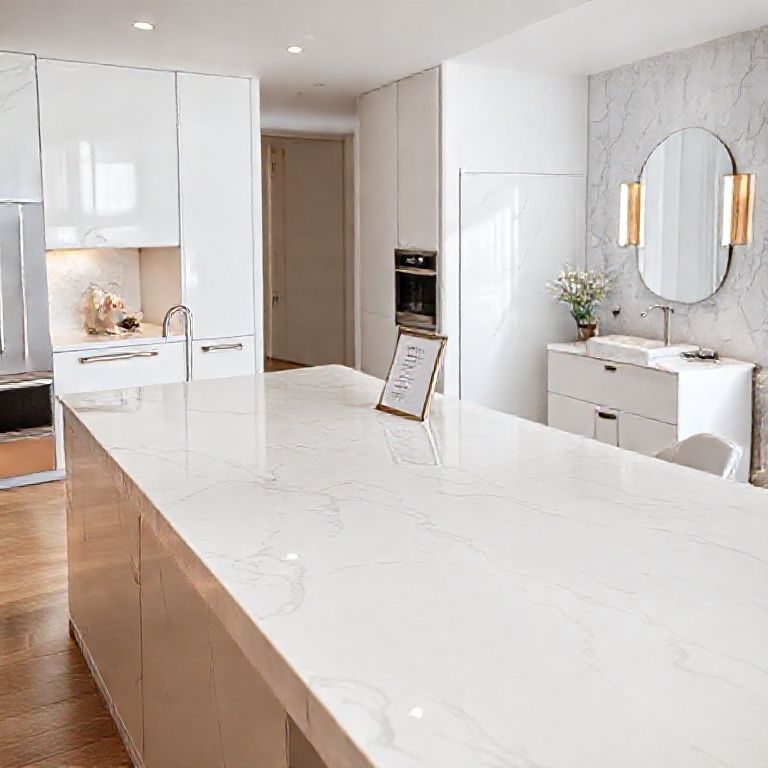
In the previous part, we explored the nuanced benefits and challenges of natural marble. Now, let’s turn our attention to artificial marble, a rapidly growing alternative that offers a compelling set of advantages and disadvantages of its own. Artificial marble, also known as engineered or synthetic marble, is designed to mimic the appearance and texture of natural marble while addressing some of its inherent drawbacks.
Artificial Marble: The Modern Alternative
1. Cost-Effectiveness: One of the most significant advantages of artificial marble is its cost-effectiveness. Unlike natural marble, which can be prohibitively expensive, artificial marble offers a more budget-friendly option without compromising on aesthetics. This makes it an attractive choice for a wide range of projects, from residential to commercial spaces.
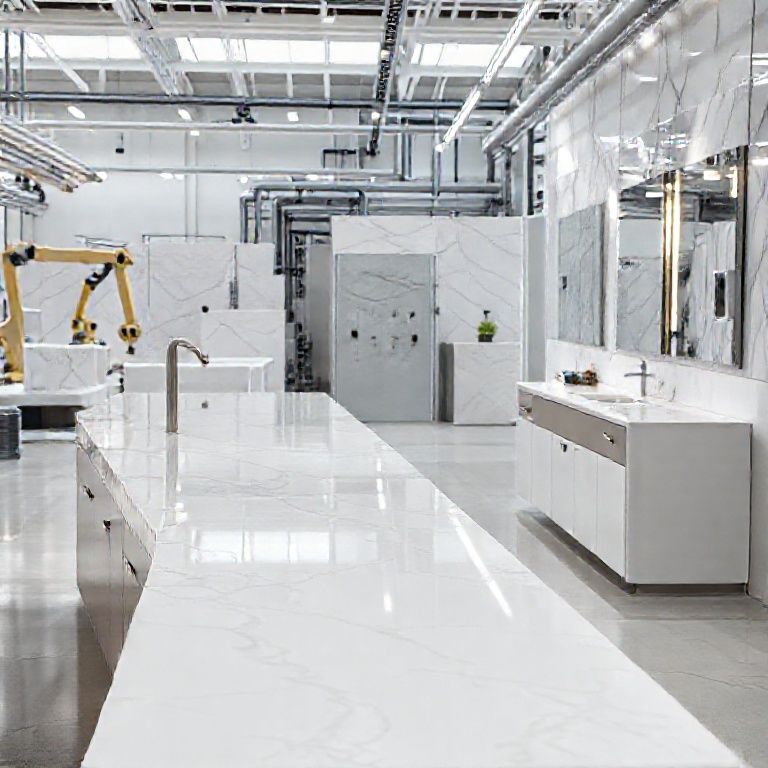
2. Customization: Artificial marble can be customized to a great extent. Manufacturers can create specific designs, colors, and patterns that can perfectly match the desired aesthetic of a project. This flexibility allows for more creative freedom and ensures that the final product aligns closely with the designer’s vision.
3. Low Maintenance: Artificial marble is highly resistant to stains, scratches, and etching from acidic substances. It does not require the same level of maintenance as natural marble, making it easier to keep looking pristine over time. This low-maintenance nature makes it ideal for high-traffic areas where frequent cleaning is necessary.
4. Weight: Unlike natural marble, artificial marble is significantly lighter. This reduces the installation challenges associated with heavy materials and can simplify structural considerations, particularly in older buildings. The lighter weight also makes it easier to transport and install.
5. Durability: Artificial marble is designed to mimic the durability of natural marble. It can withstand significant wear and tear, making it suitable for various applications. While it may not have the same natural resilience as natural marble, it offers a durable and reliable alternative.
6. Availability: Artificial marble is widely available in various types, colors, and patterns. This ensures that you can find a piece that fits your specific design requirements without the delays often associated with natural marble. The consistent quality and availability make it a more predictable option for contractors and designers.
Disadvantages of Artificial Marble
1. Aesthetic Authenticity: While artificial marble can closely mimic the appearance of natural marble, it lacks the unique character and authenticity that natural marble offers. Each piece of natural marble has its distinct veining and coloration, creating a one-of-a-kind beauty that artificial alternatives often struggle to replicate perfectly.
2. Environmental Impact: The production of artificial marble involves manufacturing processes that can have a significant environmental impact. The creation of artificial marble requires the use of synthetic materials and chemicals, which can contribute to pollution and other ecological concerns. While efforts are made to improve sustainability, the overall environmental footprint of artificial marble production is generally higher compared to natural marble.
3. Longevity: Although artificial marble is durable, its longevity can be less predictable compared to natural marble. Over time, the adhesives and synthetic materials used in its creation can degrade, potentially leading to issues like surface flaking or cracking. While this is less common, it’s something to consider for long-term durability.
4. Installation Challenges: Artificial marble may present some installation challenges due to its material properties. Unlike natural marble, which can be cut and shaped with traditional tools, artificial marble may require specialized equipment for cutting and installation. This can sometimes lead to additional costs and complexities in the installation process.
5. Thermal Sensitivity: Artificial marble is more sensitive to temperature changes compared to natural marble. It can be prone to thermal shock, which can cause cracking if exposed to sudden temperature fluctuations. Proper installation and maintenance are crucial to prevent such issues, particularly in environments with significant temperature variations.
Conclusion: Artificial marble offers a cost-effective, customizable, and low-maintenance alternative to natural marble. Its lightweight nature and wide availability make it a practical choice for many projects. However, it lacks the unique beauty and environmental sustainability of natural marble, and its longevity can be less predictable. By understanding these advantages and disadvantages, you can make a more informed decision based on your specific needs and preferences.
Final Thoughts: Choosing between natural and artificial marble ultimately depends on your priorities, budget, and design vision. Natural marble offers timeless beauty and durability, but comes with higher costs and maintenance requirements. Artificial marble provides a more affordable, customizable, and low-maintenance option, but may lack the unique character and environmental sustainability of natural alternatives. By carefully weighing these factors, you can select the best material to enhance your space with elegance and longevity.