The Importance and Benefits of Polishing Artificial Stone Countertops
In today’s world, artificial stone countertops have become a popular choice for kitchens, bathrooms, and other areas due to their durability, ease of maintenance, and aesthetic appeal. However, to maintain their pristine appearance and maximize their longevity, polishing artificial stone countertops is essential. In this first part, we will explore the reasons why polishing is crucial, the benefits it offers, and the importance of professional versus DIY polishing.

Why Polishing is Important
Artificial stone countertops, often made from a mixture of minerals, resins, and pigments, can develop dullness, scratches, and water spots over time. While they are designed to be low-maintenance, regular polishing is essential to keep them looking vibrant and fresh. Here’s why polishing is important:
Enhanced Aesthetics: Polishing removes surface imperfections, giving the countertops a shiny, polished look. This enhances the overall aesthetic appeal of your kitchen or bathroom, making it look more modern and well-maintained.
Increased Durability: Artificial stone is inherently durable, but polishing can further enhance its resistance to stains and scratches. A polished surface is easier to clean and maintain, extending the life of the countertop.
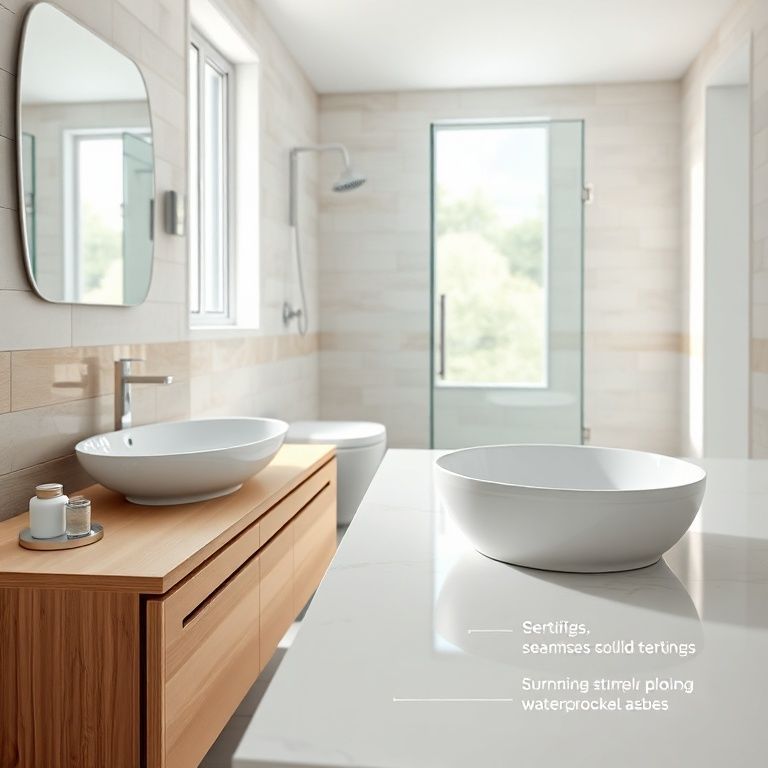
Protection Against Damage: Polishing adds an extra layer of protection to the surface. This can help prevent scratches and chips, which are common issues with stone countertops.
The Benefits of Polishing
Polishing artificial stone countertops offers several benefits:
Improved Appearance: A polished surface reflects light better, which makes the stone countertop look more vibrant and appealing. Enhanced Durability: As mentioned, polishing adds a protective layer that can help prevent stains, scratches, and other forms of damage. Ease of Maintenance: Polished surfaces are easier to clean and maintain. They resist water spots and stains better than unpolished surfaces. Longevity: Regular polishing can extend the lifespan of your artificial stone countertops, ensuring they look good for years to come.
Professional vs. DIY Polishing
When it comes to polishing artificial stone countertops, you have two options: professional polishing services or DIY methods. Here’s a comparison to help you decide which is best for you:
Professional Polishing:
Expertise: Professional polishers have the expertise and experience to handle all types of artificial stone countertops. They use specialized equipment and techniques to achieve the best results. Quality Results: Professionals ensure a high-quality finish that enhances the appearance and durability of your countertops. Time-Saving: Hiring a professional means you don’t have to spend time and effort on the polishing process.
DIY Polishing:
Cost-Effective: If you’re on a budget, DIY polishing can be a cost-effective option. However, it’s important to invest in high-quality tools and products. Control: When you polish yourself, you have complete control over the process and can customize it to your liking. Learning Curve: DIY polishing requires some learning and practice to achieve good results. It’s not as straightforward as it might seem.
Choosing the Right Method
Ultimately, the choice between professional and DIY polishing comes down to your budget, time, and the level of expertise you have. For most homeowners, professional polishing services offer the best combination of quality and convenience, especially for first-time polishing.
The Step-by-Step Process for Polishing Artificial Stone Countertops
Having discussed the importance and benefits of polishing artificial stone countertops, it’s time to delve into the detailed step-by-step process. This guide will cover everything from preparation to the final touch-ups, ensuring that you achieve a polished, beautiful finish.
Preparation
Before you begin the polishing process, proper preparation is key to ensure the best results:
Clear the Surface: Remove all items from the countertop. This includes dishes, kitchenware, and any other objects that might interfere with the polishing process.
Inspect the Surface: Check the countertop for any scratches, stains, or other imperfections. This will help you determine the extent of the polishing needed.
Gather Supplies: You’ll need specific tools and materials for polishing. Here’s a list of what you’ll need:
Safety glasses Gloves Microfiber cloths Polishing machine (if DIY) Polishing pads or compounds Vacuum cleaner (to remove dust)
Step-by-Step Polishing Process
Safety First: Put on safety glasses and gloves to protect yourself from dust and chemicals.
Dust Removal: Start by vacuuming the countertop to remove any loose dust and debris. This is crucial to prevent the polishing pads from picking up dust that could scratch the surface.
Initial Polishing:
Choose the Right Pad/Compound: Select a polishing pad or compound suitable for artificial stone. Some products are specifically designed for this type of countertop. Apply the Compound: Using a polishing machine, apply the polishing compound to the countertop in a circular motion. Ensure you cover the entire surface evenly. Polish: Let the compound sit for a few minutes to break down any surface imperfections. Then, use the polishing machine to buff the surface until it shines. Final Buffing: Remove Residue: Wipe away any residue from the polishing compound using a clean microfiber cloth. Final Touches: Use a high-quality polishing pad to give the countertop a final buff. This will ensure a smooth, polished finish. Clean Up: Once the polishing is complete, clean up any debris and wipe down the countertop to remove any remaining dust.
Maintenance Tips
To keep your polished artificial stone countertops looking their best, follow these maintenance tips:
Regular Cleaning: Clean the countertop regularly with a mild soap and water solution. Avoid using abrasive cleaners that can scratch the surface. Immediate Stain Treatment: Treat any spills or stains immediately to prevent them from setting in. Use a suitable cleaner for artificial stone countertops. Avoid Cutting on the Surface: Use cutting boards or trays instead of cutting directly on the countertop to avoid scratches. Use Coasters and Placemats: Protect the surface from heat and liquid damage by using coasters, placemats, and trivets.
Conclusion
Polishing artificial stone countertops is essential to maintaining their beauty, durability, and functionality. Whether you choose professional services or DIY methods, following the proper steps and maintenance tips will ensure your countertops look pristine for years to come. Regular polishing not only enhances the aesthetic appeal but also prolongs the life of your artificial stone surfaces, making them a wise choice for your home. Invest in the right tools, follow the detailed process, and enjoy the beautiful, polished finish of your artificial stone countertops.