Achieving Flawless Finishes on Artificial Stone Countertops: Choosing the Right Sandpaper Grit
When it comes to maintaining and polishing your artificial stone countertops, selecting the appropriate grit of sandpaper is crucial for achieving a flawless finish. Artificial stone, also known as cultured stone, is a popular choice for its durability, aesthetic appeal, and ease of maintenance. However, to keep these countertops looking pristine, it’s essential to understand the nuances of sanding and polishing.
Understanding Sandpaper Grit
Sandpaper comes in various grit sizes, ranging from coarse to fine. Each grit number represents a specific level of abrasion, with lower numbers indicating coarser sandpaper and higher numbers representing finer sandpaper. For artificial stone countertops, the sanding process typically involves multiple stages, each requiring a different grit to ensure the best results.
Coarse Sanding: Breaking Down Imperfections
The first stage of sanding artificial stone countertops is coarse sanding, which involves removing any major imperfections, scratches, or old polish. To start, you should use a coarse-grit sandpaper, typically in the range of 40 to 80 grit. This initial step is crucial for creating a smooth surface that will allow finer sandpapers to work more effectively.
Coarse sandpaper helps in breaking down the surface layers of the artificial stone, making it easier to address more subtle imperfections in subsequent stages. It’s important to sand in the direction of the stone’s grain to avoid creating additional scratches or damage.
Medium Sanding: Refining the Surface
After the initial coarse sanding, it’s time to move on to medium-grit sandpaper, which usually ranges from 120 to 180 grit. This stage is designed to refine the surface created by the coarse sandpaper, smoothing out any remaining imperfections and preparing the stone for finer sanding.
Medium sandpaper will help you achieve a more refined texture and a surface that is ready for polishing. When sanding with medium-grit, it’s essential to maintain a consistent motion and apply even pressure to avoid uneven sanding.
Fine Sanding: Achieving a Polished Finish
The final stage of sanding artificial stone countertops involves fine-grit sandpaper, typically ranging from 220 to 320 grit. Fine sandpaper will help you achieve a smooth, polished surface that is ready for sealing or additional finishing touches. This stage is crucial for removing any minor scratches and ensuring a flawless finish.
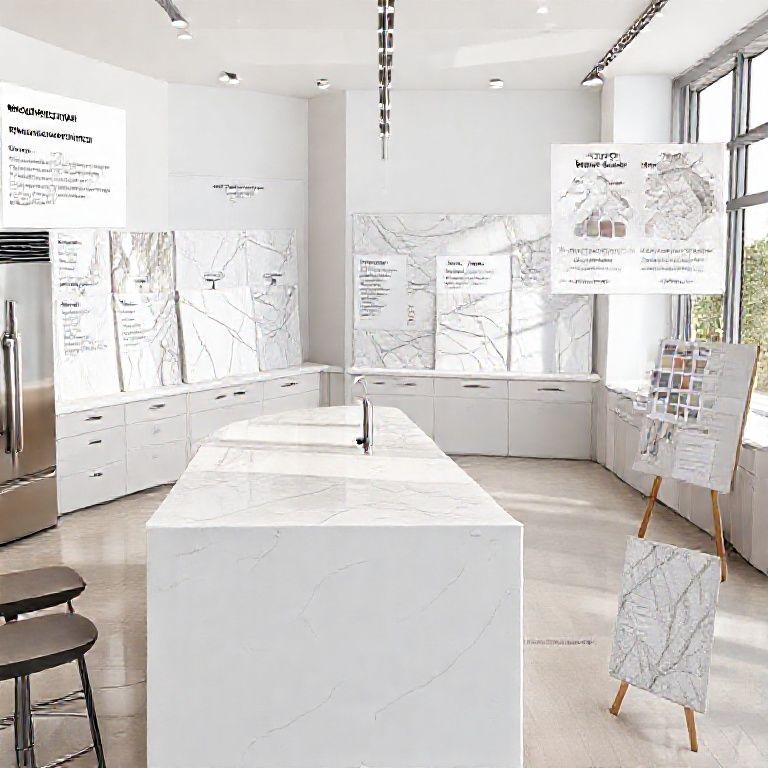
Fine sandpaper will polish the surface, bringing out the natural beauty of the artificial stone while eliminating any remaining imperfections. It’s important to sand gently and consistently to avoid creating new scratches or damaging the stone’s surface.
Polishing Techniques for Artificial Stone Countertops
In addition to selecting the appropriate grit of sandpaper, using the right techniques is essential for achieving the best results when polishing artificial stone countertops. Here are some expert tips to ensure your countertops shine like new:
Use a Proper Sanding Block: A sanding block helps to maintain a consistent, even pressure when sanding. It prevents the sandpaper from slipping and ensures that you achieve an even finish across the entire surface of the countertop.
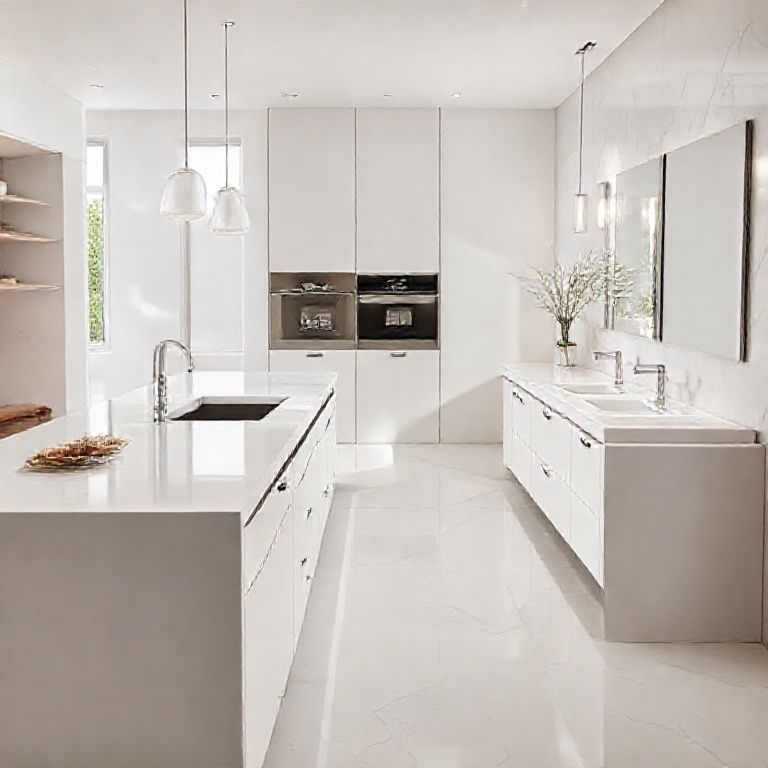
Maintain a Consistent Motion: When sanding, it’s important to maintain a consistent, even motion. This will help to ensure that the sandpaper moves smoothly over the surface of the stone, preventing uneven sanding and scratches.
Check for Smoothness: After each stage of sanding, check the surface of the countertop for smoothness. Run your hand over the surface to feel for any remaining imperfections. If you detect any roughness or unevenness, continue sanding with the appropriate grit until the surface is completely smooth.
Clean the Surface: Before sanding, clean the surface of the artificial stone countertop thoroughly to remove any dust, dirt, or debris. This will help to prevent these particles from getting embedded in the stone during the sanding process.
Safety First: Always wear appropriate safety gear, including gloves and safety goggles, when sanding to protect yourself from dust and debris. Additionally, work in a well-ventilated area to avoid inhaling fine particles.
Conclusion
Selecting the right grit of sandpaper and using proper techniques are essential for achieving a flawless finish on artificial stone countertops. By understanding the different stages of sanding and following expert tips, you can maintain the beauty and longevity of your stone surfaces. Remember, the key to perfect polishing lies in choosing the right sandpaper grit for each stage of the process and maintaining a consistent, careful approach.
Stay tuned for the second part of our guide, where we’ll delve deeper into advanced polishing techniques and maintenance tips to keep your artificial stone countertops looking stunning for years to come.
Advanced Polishing Techniques and Maintenance Tips for Artificial Stone Countertops
Artificial stone countertops are a popular choice for their durability, aesthetic appeal, and ease of maintenance. However, to keep these countertops looking pristine over time, it’s essential to understand advanced polishing techniques and proper maintenance. In this part of our guide, we will delve deeper into the best practices for maintaining the beauty and longevity of your artificial stone surfaces.
Polishing Techniques for Long-Lasting Shine
Once you’ve achieved a smooth, polished surface with the appropriate grit of sandpaper, it’s time to bring out the natural beauty of your artificial stone countertops using advanced polishing techniques.
Using a Polishing Compound: After fine sanding with 220 to 320 grit sandpaper, apply a polishing compound to the surface of the stone. A polishing compound helps to enhance the shine and bring out the natural color of the stone. Apply the compound with a soft cloth or a polishing pad, working in small sections to avoid overworking any one area.
Polishing with a Buffing Machine: For a professional finish, consider using a buffing machine. Attach the polishing compound to the buffing pad and gently work it into the surface of the stone. This method ensures an even application of polish and a high-gloss finish.
Hand Polishing: If you prefer a more hands-on approach, hand polishing can be effective. Use a soft cloth or polishing pad with the polishing compound, applying even pressure and working in small sections to achieve a uniform shine.
Final Buffing: After applying the polish, use a clean, dry cloth to buff the surface. Buffing will remove any residue from the polishing compound and enhance the shine, leaving your countertop with a brilliant, polished finish.
Maintenance Tips for Long-Term Care
To keep your artificial stone countertops looking their best, regular maintenance is essential. Here are some expert tips to help you maintain the beauty and longevity of your stone surfaces:
Regular Cleaning: Clean your countertops regularly to remove fingerprints, spills, and general dirt. Use a mild, non-abrasive cleaner and a soft cloth to wipe down the surface. Avoid using harsh chemicals or abrasive cleaners that can damage the stone.
Immediate Spill Cleanup: Clean up spills immediately to prevent stains and damage. For water-based spills, use a soft cloth to wipe up the liquid promptly. For tougher spills, such as grease or food stains, use a gentle cleaner and a soft cloth to remove the stain before it sets in.
Avoiding Sharp Objects: Avoid using sharp objects on your countertops, such as knives or scissors, to prevent scratches and damage. Instead, use cutting boards to protect the surface and maintain its pristine condition.
Heat Protection: Artificial stone is generally resistant to heat, but it’s still important to protect it from direct, prolonged heat exposure. Avoid placing hot pots, pans, or other hot items directly on the surface. Use trivets or pot holders to prevent thermal damage.
Sealing the Surface: While artificial stone doesn’t require sealing like natural stone, it can benefit from a light coat of a high-quality, non-toxic sealant. This can help to protect the surface and enhance its natural beauty. Follow the manufacturer’s instructions for application and ensure the sealant is appropriate for artificial stone.
Regular Inspection: Regularly inspect your countertops for any signs of wear, scratches, or damage. Address any minor imperfections promptly to prevent them from becoming more significant issues. Use the appropriate sanding and polishing techniques to restore the surface to its original condition.
Conclusion
Maintaining the beauty and longevity of your artificial stone countertops involves both advanced polishing techniques and diligent maintenance. By using the right grit of sandpaper, employing expert polishing methods, and following regular maintenance practices, you can ensure that your stone surfaces remain pristine and beautiful for years to come. Remember, the key to perfect polish lies in understanding the specific needs of your artificial stone and taking the time to care for it properly.
By combining these继续我们的指南,我们将进一步探讨如何在日常维护和特殊情况下进行更精细的护理,以确保你的人造石台面保持最佳状态。
日常维护
使用温和的清洁剂: 每天清洁台面时,使用温和的清洁剂和软布。选择专门为人造石设计的清洁剂,以避免使用可能对石材造成损害的强力化学物质。
立即清理溢出物: 台面上的溢出物,如食物残渣或饮料,应立即清理,以防止它们渗入石材的缝隙,形成难以清除的污渍。
避免使用刮刀: 在清理台面时,避免使用刮刀或其他尖锐工具,以防止划伤石材表面。如果必须清理顽固的污渍,可以使用柔软的海绵或布。
特殊维护
小划痕修复: 对于轻微的划痕,可以尝试使用专门的人造石修复套装。这些套装通常包括细砂纸和抛光剂,可以帮助恢复石材的光泽。
深度清洁: 对于长期积累的污渍或油渍,可以使用温和的洗涤剂和热水进行深度清洁。确保在清洁后立即用干布擦干台面。
专业清洁: 如果你发现台面上有顽固的污渍或明显的损伤,考虑寻求专业清洁服务。专业人员拥有更强大的清洁工具和技术,可以有效地处理复杂的问题。
防止未来问题
使用垫圈: 在放置热容器或厨具时,使用垫圈或垫片,以防止热量直接接触台面,从而避免热损伤。
安装保护装置: 在台面边缘安装保护装置,如台面保护条,可以有效防止厨具和其他重物直接接触台面,减少划伤和损坏的风险。
定期检查: 定期检查台面是否有任何损坏或磨损迹象。及时处理小问题,可以防止它们演变成更严重的损害。
结论
通过遵循这些日常和特殊维护建议,你可以有效地延长人造石台面的寿命,保持其美观和功能性。无论是简单的清洁还是复杂的修复,了解和应用正确的护理技术,都是保护你的台面的关键。记住,人造石虽然耐用,但依然需要适当的护理来保持最佳状态。通过这些努力,你可以确保你的人造石台面在你的厨房中焕发光彩,成为家庭的亮点。