Understanding Quartz Countertops vs. Artificial Stone
Introduction to Quartz Countertops
Quartz countertops have emerged as one of the most popular choices for modern kitchen and bathroom surfaces. Composed of 93% pure quartz by weight, these countertops are a blend of natural quartz and other minerals fused together at high temperatures. This unique manufacturing process results in a surface that is not only durable and scratch-resistant but also offers an extensive range of colors and patterns.
Material Properties of Quartz Countertops
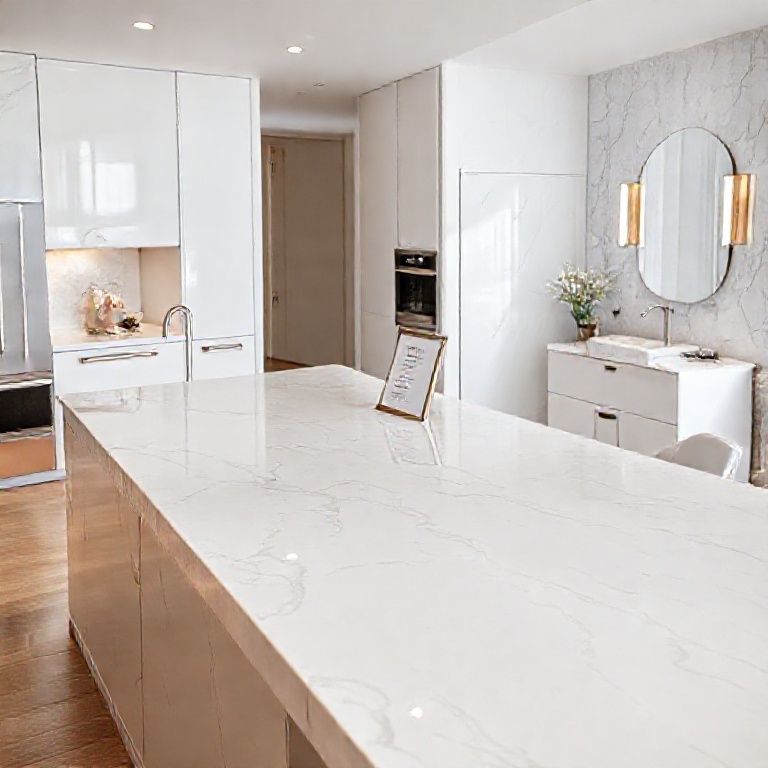
The material composition of quartz countertops is what sets them apart. The high-pressure, high-temperature process ensures that the quartz particles fuse into a single, solid surface. This means that quartz countertops are impervious to scratches, stains, and heat. Unlike traditional stone, which can absorb liquids and harbor bacteria, quartz is non-porous, making it easier to clean and maintain.
Durability and Strength
One of the standout features of quartz countertops is their remarkable durability. They are incredibly hard, ranking a 7 on the Mohs scale, which makes them highly resistant to scratches and cuts. This makes them ideal for high-traffic areas where durability is a priority. Moreover, quartz countertops are resistant to stains and discoloration, providing a clean and fresh appearance over time.
Maintenance and Cleaning
Maintaining quartz countertops is incredibly straightforward. Since they are non-porous, spills and stains do not penetrate the surface. To clean, simply use a mild soap and warm water. For tougher spots, a little vinegar or a specialized quartz cleaner can do wonders. Because quartz does not absorb liquids, there’s no risk of ring formation or bacterial growth, making it a hygienic choice for kitchens and bathrooms.
Cost Considerations
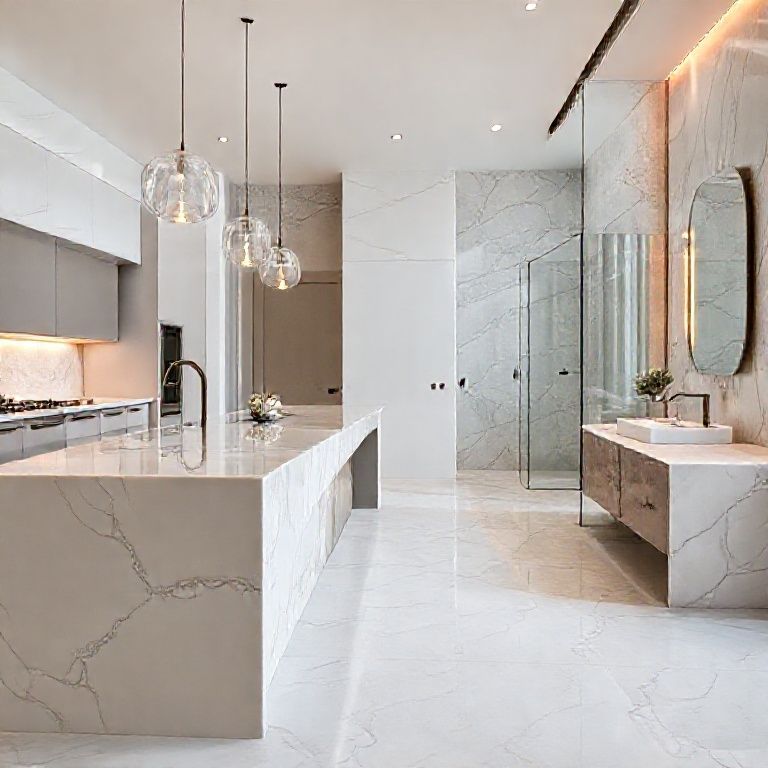
When it comes to cost, quartz countertops offer a versatile range of options. While they are generally more expensive than composite or laminate countertops, they are often more affordable than natural stone options like granite or marble. The cost can vary based on the design, color, and pattern chosen, but the investment often pays off in durability and ease of maintenance.
Design Versatility
Quartz countertops come in a myriad of colors and patterns, allowing for endless design possibilities. Whether you prefer a sleek, monochromatic look or a more intricate design mimicking natural stone, quartz can be customized to fit your aesthetic needs. This versatility makes it suitable for a wide range of styles, from modern and minimalist to traditional and ornate.
Introduction to Artificial Stone
Artificial stone, often referred to as cultured stone, is another popular choice for countertops. Made from a mixture of natural stone powder, such as calcite, and resin, artificial stone is shaped and cured under high pressure and temperature. This process results in a solid surface that mimics the appearance of natural stone while offering enhanced durability and ease of maintenance.
Material Properties of Artificial Stone
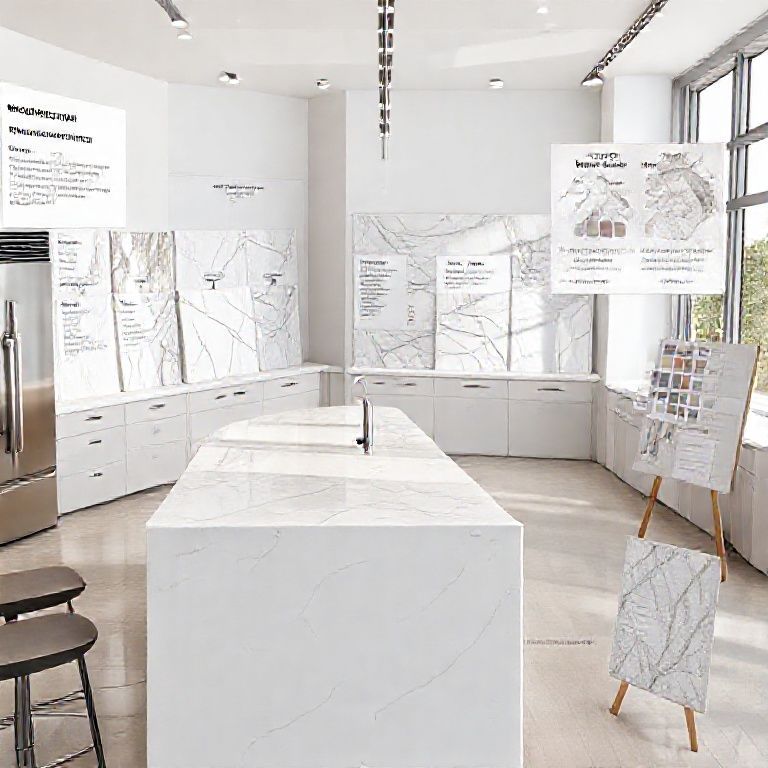
The primary component of artificial stone is natural stone powder, which gives it the visual appeal of traditional stone. However, unlike natural stone, artificial stone is not porous. This non-porous nature makes artificial stone highly resistant to stains, making it easier to clean and maintain. Additionally, it’s less likely to chip or crack compared to natural stone.
Durability and Strength
Artificial stone is renowned for its durability. It’s strong, scratch-resistant, and can withstand heat, making it an excellent choice for kitchen countertops. However, it’s important to note that artificial stone is not as hard as quartz. While it is highly durable, it may not stand up as well to heavy-duty use over long periods. Nevertheless, it offers a good balance between appearance and practicality.
Maintenance and Cleaning
Cleaning artificial stone countertops is quite simple. Since it’s non-porous, spills and stains do not penetrate the surface, making it easy to wipe clean with a damp cloth and mild soap. For tougher stains, a vinegar solution or a specialized artificial stone cleaner can be used. Regular cleaning helps maintain the surface’s appearance and prolongs its lifespan.
Cost Considerations
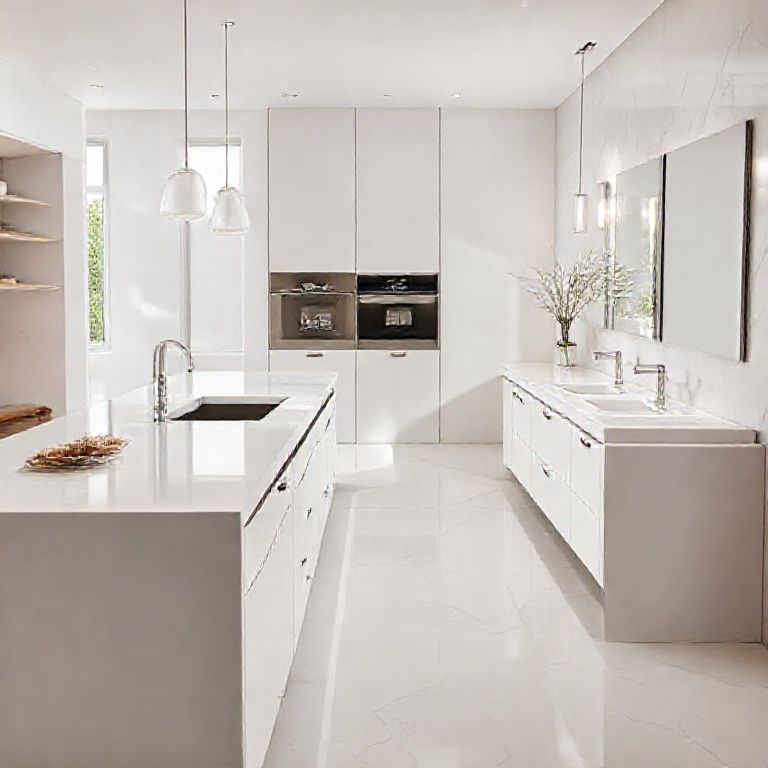
Artificial stone is typically more affordable than both quartz and natural stone options. This makes it an attractive choice for those looking for a high-quality countertop without breaking the bank. The cost can vary based on the specific type of stone powder used and the complexity of the design, but it generally falls within a more accessible price range.
Design Versatility
Artificial stone offers a wide range of colors and patterns that mimic various types of natural stone, including marble, granite, and quartz. This versatility allows for extensive design customization, making it suitable for both contemporary and traditional interiors. Its ability to replicate the look of expensive natural stones without the high cost makes it a popular choice for many homeowners.
Conclusion
Both quartz countertops and artificial stone have their unique advantages and are excellent choices for modern kitchen and bathroom surfaces. Quartz offers unmatched durability, stain resistance, and versatility in design, making it ideal for those who prioritize longevity and low maintenance. On the other hand, artificial stone provides a more affordable alternative that still offers impressive durability and design flexibility, making it suitable for those looking for a cost-effective yet stylish option.
In the next part of our guide, we will delve deeper into the installation, advantages, and specific use cases for both quartz countertops and artificial stone to help you make an informed decision for your next renovation project. Stay tuned for more insights!
Installation, Advantages, and Use Cases for Quartz vs. Artificial Stone
Installation Considerations
Quartz Countertops
Installing quartz countertops typically involves a few key steps. First, the countertop must be cut to size and then installed on the cabinet or frame using a specific adhesive designed for quartz. Because quartz is a solid surface, it does not require grout lines, which simplifies the installation process. However, because of its hardness, cutting and installing quartz can be labor-intensive, requiring professional expertise to ensure a seamless fit.
Artificial Stone
Artificial stone countertops are generally easier to install than quartz due to their slightly softer nature. Like quartz, they do not require grout lines and can be cut and installed using standard techniques. However, artificial stone can be more prone to chipping during installation if not handled carefully. It’s essential to use a strong adhesive and to follow the manufacturer’s guidelines for the best results.
Advantages of Quartz Countertops
Longevity and Durability
One of the most significant advantages of quartz countertops is their exceptional longevity. The high-pressure, high-temperature process that creates quartz ensures a durable and robust surface that can withstand heavy use for many years. This makes it an excellent choice for kitchens and bathrooms where durability is paramount.
Stain and Scratch Resistance
Quartz’s non-porous nature means it is highly resistant to stains and scratches, making it an ideal choice for busy households. Unlike natural stone, quartz does not absorb liquids, reducing the risk of ring formation or bacterial growth. This low-maintenance quality makes quartz a popular choice for those who prefer a clean and hygienic kitchen or bathroom surface.
Design Flexibility
Quartz countertops come in an extensive range of colors and patterns, offering virtually limitless design possibilities. Whether you want a sleek, modern look or a more traditional style, quartz can be customized to fit your aesthetic needs. This versatility allows homeowners to create a unique and personalized space.
Advantages of Artificial Stone
Affordability
One of the primary benefits of artificial stone is its affordability. It offers a cost-effective alternative to both quartz and natural stone, making it accessible for a wider range of budgets. This makes it an excellent choice for homeowners who want high-quality countertops without the high price tag.
Design Variety
Artificial stone is known for its ability to mimic the appearance of various natural stones, including marble, granite, and quartz. This makes it a versatile option for those looking to replicate the look of expensive natural stone at a more affordable price. It offers a wide range of colors and patterns, allowing for extensive design customization.
Ease of Installation
Artificial stone’s slightly softer nature makes it easier to cut and install compared to quartz. While professional installation is still recommended, it can generally be handled with standard tools and techniques. This ease of installation makes it a convenient choice for DIY enthusiasts and those looking for a straightforward installation process.
Use Cases for Quartz Countertops
Commercial Kitchens
In commercial kitchens, where durability and low maintenance are critical, quartz countertops are a popular choice. Their high resistance to heat, stains, and cuts makes them ideal for areas with heavy use and frequent spills. The longevity and ease of maintenance of quartz make it a practical choice for commercial kitchens that demand high performance and cleanliness.
High-Traffic Residential Kitchens
Quartz countertops are also ideal for high-traffic residential kitchens. Families with young children or those who frequently entertain can benefit from the stain and scratch resistance of quartz. The non-porous surface ensures that spills do not penetrate, reducing the risk of bacterial growth and making cleaning a breeze.
Bathrooms
While quartz is more commonly associated with kitchens, it is also an excellent choice for bathrooms. The non-porous surface resists stains and mold, making it ideal for areas prone to moisture. Its durability ensures that it can withstand daily use without showing signs of wear and用途
浴室
尽管石英石台面更常用于厨房,但它在浴室中也是一个绝佳的选择。由于其非多孔表面,石英石抗污和防霉,非常适合易潮湿的区域。长期的日常使用不会对其造成磨损,确保浴室保持清洁和现代化。
办公室和公共空间
石英石台面的耐用性和易清洁性使其成为办公室和公共空间的理想选择。在这些环境中,石英石台面可以承受高频率的使用和清洁,提供一种专业且持久的外观。
用途及案例研究
石英石台面案例
现代厨房设计
在现代厨房设计中,石英石台面以其简洁、时尚的外观广受欢迎。例如,一家位于纽约市的高档餐厅使用了深灰色石英石台面,与其现代化的钢铁橱柜和大理石地板完美搭配,创造出一个简洁、优雅的烹饪空间。
奢华浴室
在奢华浴室设计中,石英石台面也能发挥重要作用。例如,一位位于洛杉矶的著名设计师为其客户设计的豪华浴室,使用了白色石英石台面,搭配黑色大理石浴缸和淋浴区,创造出一个高雅、奢华的洗浴体验。
人造石台面的用途
餐厅和咖啡厅
人造石台面常用于餐厅和咖啡厅,因为它们不仅美观,还易于清洁和维护。人造石的多样性使其能够模仿各种天然石材,如大理石和花岗岩,从而满足不同的设计需求。
家庭厨房
对于那些寻求性价比且易于维护的家庭厨房,人造石台面是一个不错的选择。其经济实惠的特性使其成为预算有限但仍希望拥有高质量台面的家庭的理想选择。
案例研究
人造石台面案例
传统风格餐厅
在一家位于旧金山的传统风格餐厅中,人造石台面被用来模仿经典的大理石外观。这种设计不仅增添了餐厅的高级感,还确保了台面易于清洁和维护,满足了高频率使用的需求。
现代家庭厨房
在一位位于新加坡的家庭主妇的现代家庭厨房中,人造石台面被选用来模仿花岗岩的外观。这种选择不仅使厨房看起来时尚且现代,还因为其低维护特性,大大减轻了清洁和保养的负担。
结论
石英石台面和人造石台面各有其独特的优势和适用场景。石英石台面以其卓越的耐用性、抗污性和易清洁特性,适用于需要高频率使用和高标准清洁的环境,如商业厨房、浴室和办公室。而人造石台面则以其经济性和设计灵活性,适用于餐厅、家庭厨房等需要美观且易维护的场所。
无论您选择哪种材料,了解其特性和适用场景将帮助您做出最适合您需求和预算的选择。