Dive into the world of modern kitchen and bathroom design with our comprehensive guide on Quartz vs. Artificial Stone Countertops. Explore the advantages, unique features, and maintenance tips for both types of materials, helping you make an informed decision for your next renovation project.
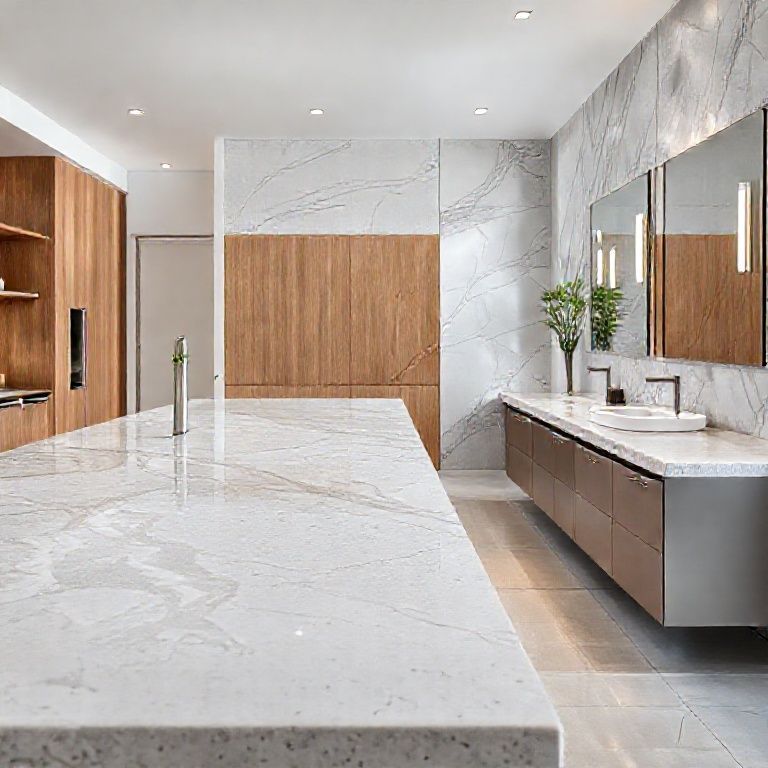
quartz countertops, artificial stone countertops, kitchen renovation, bathroom design, countertop materials, durable countertops, luxury kitchen, modern home design, countertop maintenance
Quartz vs. Artificial Stone Countertops
Introduction to Quartz and Artificial Stone Countertops
When it comes to modern kitchen and bathroom design, countertop materials are among the most crucial choices. Among the plethora of options available, Quartz and Artificial Stone stand out for their durability, aesthetic appeal, and maintenance ease. This first part delves into the unique features, advantages, and versatility of these two materials, guiding you through what makes them popular choices in contemporary home design.
What is Quartz?
Quartz, often referred to as quartzite, is a composite material made from 93% natural quartz and 7% resins and pigments. This combination creates a strong, luxurious material that is highly resistant to scratches, stains, and heat. Quartz countertops are produced by a process called compression molding, which ensures a uniform look and feel throughout each piece.
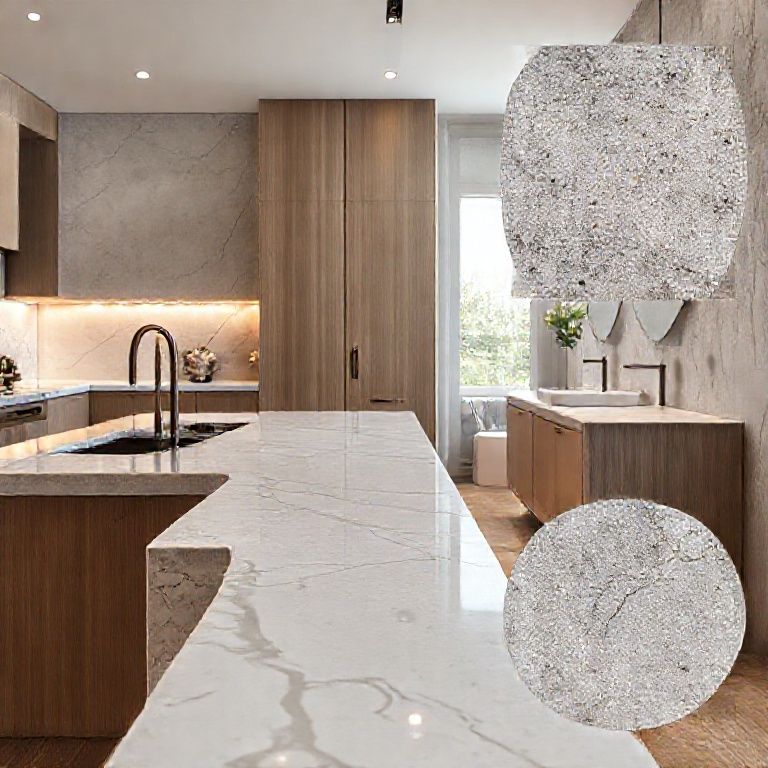
Advantages of Quartz:
Durability: Quartz is incredibly hard, ranking a 7 on the Mohs hardness scale. This makes it highly resistant to scratches and dents, ensuring that your countertop can withstand daily wear and tear.
Stain and Heat Resistance: One of the standout features of quartz is its resistance to stains and heat. It does not absorb liquids, making spills easy to clean, and it can handle the high temperatures from cooking without warping or discoloration.
Aesthetic Versatility: Quartz is available in an extensive range of colors and patterns, from sleek, monochromatic tones to intricate, nature-inspired designs. This versatility allows for a wide array of design possibilities, making it suitable for any style from modern to traditional.
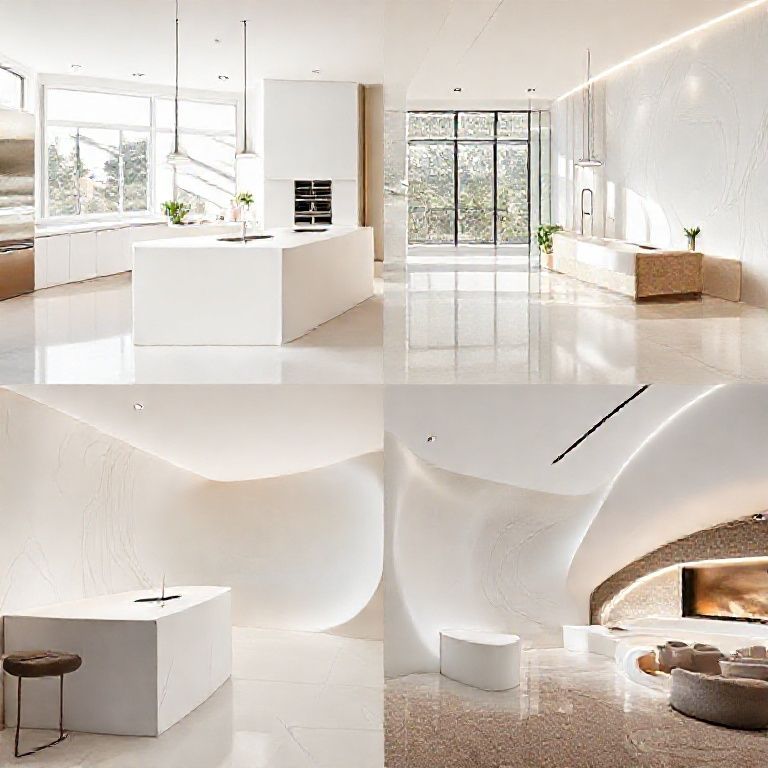
Low Maintenance: Unlike some other countertop materials, quartz does not require sealing. It only needs regular cleaning with mild soap and water, which makes it a hassle-free choice for busy households.
What is Artificial Stone?
Artificial stone, also known as cultured stone, is another composite material that has gained popularity in recent years. It is made from a mixture of natural stone, resin, and pigments. The process of creating cultured stone involves casting the mixture into molds and then curing it under high pressure and temperature.
Advantages of Artificial Stone:
Customization: Artificial stone offers unparalleled customization options. You can choose from a vast array of colors, patterns, and textures, and even create unique designs that mimic natural stone. This makes it possible to achieve a highly personalized look.
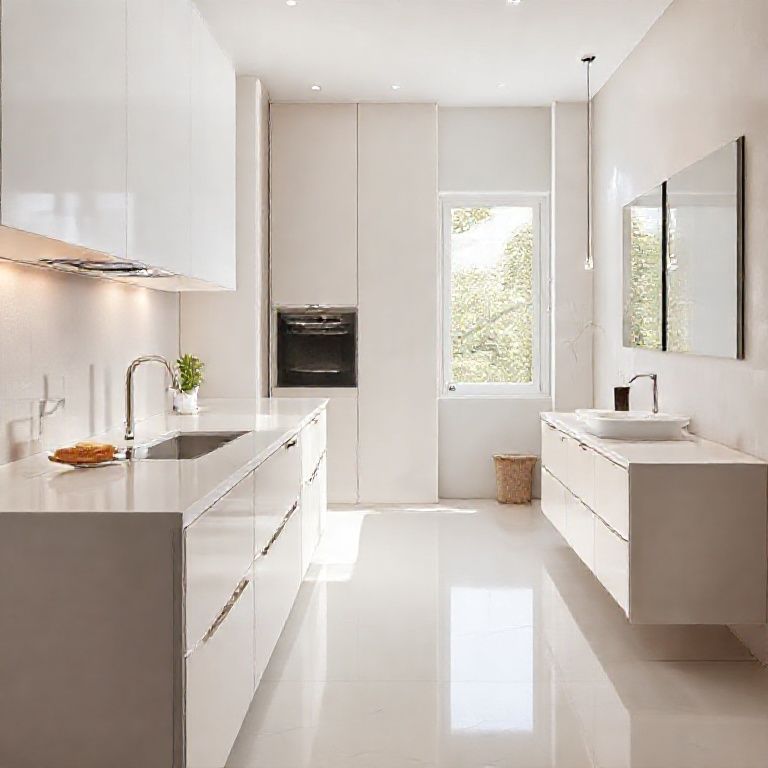
Durability: Much like quartz, artificial stone is highly durable. It is resistant to scratches, stains, and heat, making it a practical choice for high-traffic areas.
Cost-Effectiveness: Generally, artificial stone is more affordable than quartz. This makes it an attractive option for those who want the look of natural stone without the higher price tag.
Ease of Maintenance: Artificial stone countertops are low maintenance, requiring only regular cleaning with mild soap and water. It does not absorb liquids, so spills are easy to clean, and it can withstand high temperatures without damage.
Comparing Quartz and Artificial Stone
Both quartz and artificial stone offer numerous benefits, but they also have some differences that might influence your choice.
Durability:
Quartz: Offers superior hardness and resistance to scratches and stains. Artificial Stone: Also durable but typically less so than quartz.
Cost:
Quartz: Generally more expensive due to its high-quality materials and manufacturing process. Artificial Stone: More budget-friendly while still providing great durability and appearance.
Design Options:
Quartz: Wide range of colors and patterns but often more limited in custom design options. Artificial Stone: Exceptional flexibility in custom designs and patterns.
Maintenance:
Quartz: Extremely low maintenance, no sealing required. Artificial Stone: Low maintenance, similar to quartz but may require more care in some cases.
Conclusion
Quartz and artificial stone are both excellent choices for modern kitchen and bathroom design. Quartz offers unmatched durability, a wide range of aesthetic options, and minimal maintenance, making it a top choice for many homeowners. On the other hand, artificial stone provides great value with its customizable designs, durability, and low cost. Understanding these differences will help you make an informed decision based on your specific needs and preferences.
Stay tuned for the second part of our guide, where we will delve deeper into the installation process, maintenance tips, and additional considerations for both quartz and artificial stone countertops.
Installation, Maintenance, and Additional Considerations
Introduction
In the second part of our guide on Quartz vs. Artificial Stone Countertops, we will explore the installation process, maintenance tips, and additional considerations that are essential for ensuring the longevity and beauty of your countertops. Whether you’re planning to install quartz or artificial stone, this comprehensive overview will help you navigate through the critical aspects of choosing and maintaining these materials.
Installation Process
Preparation:
Before installation, it is essential to prepare your workspace properly. Ensure that the surface you will be installing the countertop on is clean, flat, and free of any debris. This is crucial for achieving a seamless and secure fit.
Cutting:
Both quartz and artificial stone countertops are typically cut using a tile saw. When cutting, it’s important to wear safety goggles and use a diamond-bladed saw to avoid chipping or cracking the surface. For intricate cuts, consider hiring a professional to ensure precision.
Installation:
Adhesive Application: Use a high-quality adhesive recommended by the manufacturer. Spread it evenly across the surface using a notched trowel.
Placing the Countertop: Carefully place the countertop onto the adhesive. Press down firmly to ensure a good bond. Use spacers to maintain even gaps around the edges.
Clamping: Apply clamping pressure for several hours to ensure the adhesive sets properly. Follow the manufacturer’s instructions for the exact duration.
Grout Application: Once the adhesive has cured, apply grout to the seams. Use a grout float to work the grout into the joints and then clean off any excess with a damp sponge.
Finishing Touches:
After the installation, clean the countertop with a mild soap solution to remove any residue. Allow it to dry completely before using it.
Maintenance Tips
Daily Care:
For both quartz and artificial stone, daily maintenance is simple and straightforward.
Cleaning: Use a mild soap and water solution or a specialized countertop cleaner. Avoid using harsh chemicals that can damage the surface.
Spills: Wipe up spills immediately to prevent stains. For tough stains, use a mixture of baking soda and water to create a paste, apply it to the stain, and scrub gently with a soft cloth.
Deep Cleaning:
Periodically, perform a deep clean to ensure your countertop remains in pristine condition.
Deep Cleaner: Use a specialized deep cleaner designed for your specific countertop material. Follow the manufacturer’s instructions for application and cleaning.
Polishing: For a polished look, use a countertop polish that is safe for your material. This will help to bring out the natural beauty of the surface.
Additional Considerations
Heat Resistance:
Both quartz and artificial stone are highly resistant to heat. However, it is important to use heat-resistant pads when placing hot pots or pans on the surface to prevent any potential damage.
Aging and Repairs:
Over time, even the most durable countertops can show signs of wear. Here are some considerations for maintaining the longevity of your quartz or artificial stone:
Aging: Neither material will “age” in the traditional sense. They do not yellow, warp, or lose their color over time.
Repairs: If minor scratches or chips occur, they can often be repaired by a professional. For larger damage, replacement may be the best option.
Environmental Impact:
Both quartz and artificial stone are manufactured processes that have some environmental impact. However, they are generally more sustainable than natural stone, as they do not require the extraction and transportation of natural resources.
Safety:
When working with any countertop material, safety should always be a priority. Always wear protective gear when cutting and installing the countertops. Ensure proper ventilation in your workspace to avoid inhaling any dust or fumes.
Conclusion
Quartz and artificial stone countertops offer remarkable durability, aesthetic versatility, and low maintenance, making them popular choices for modern home design. Proper installation and regular maintenance are key to ensuring these benefits are fully realized.
Whether you choose quartz for its superior hardness and luxury appearance or artificial stone for its cost-effectiveness and design flexibility, both materials provide long-lasting and beautiful results. By understanding the installation process, maintenance tips, and additional considerations, you can make an informed decision that will enhance your kitchen or bathroom for years to come.
Thank you for reading our comprehensive guide on Quartz vs. Artificial Stone Countertops. We hope this information helps you make the best choice for your next renovation project.