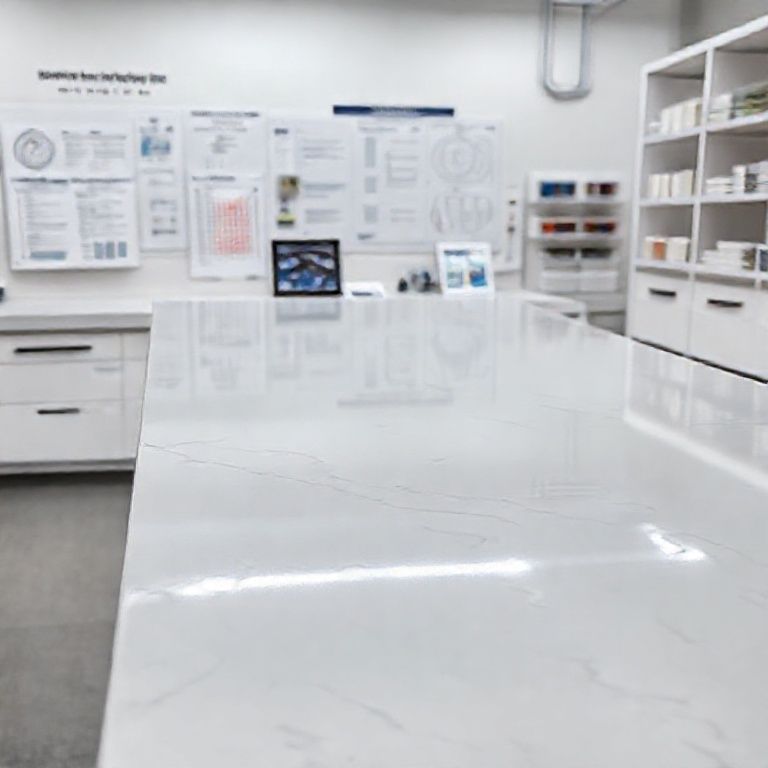
In today’s fast-paced world, maintaining the aesthetics and functionality of your home’s surfaces is paramount. Artificial stone countertops are a popular choice due to their durability, low maintenance, and stunning appearance. However, despite their robustness, these countertops can sometimes develop cracks, which can be a significant concern for homeowners. Cracks in artificial stone countertops can result from various factors such as impact, improper installation, or even wear and tear over time. Fortunately, repairing these cracks is not as daunting as it might seem, and with the right approach, you can restore your countertops to their original beauty.
Identifying the Type of Crack
Before diving into the repair process, it’s crucial to identify the type of crack you’re dealing with. Cracks in artificial stone countertops can generally be categorized into three types:
Surface Cracks: These are minor cracks that only affect the top layer of the stone. They are often caused by scratches or minor impacts. Deep Cracks: These cracks penetrate deeper into the material and can be more extensive. They often result from more significant impacts or stress. Cracks with Visible Gaps: These are the most severe type of cracks, characterized by noticeable gaps in the stone that might even have visible separations.
Identifying the type of crack will help you determine the appropriate repair method.
Tools and Materials Needed
To repair cracks in artificial stone countertops, you will need a variety of tools and materials. Here’s a list of what you’ll need:
Epoxy Resin: Specifically designed for stone repairs, epoxy resin is one of the most effective materials for filling cracks. Mixing Tools: These include a mixing container and mixing sticks to ensure the epoxy is thoroughly blended. Fine Sandpaper or Diamond Abrasive Paper: For smoothing out the crack edges and ensuring a proper fit for the epoxy. Cleaning Supplies: You will need a damp cloth, acetone, or isopropyl alcohol to clean the surface thoroughly. Protective Gear: Gloves, safety glasses, and a mask to protect yourself during the repair process.
Step-by-Step Repair Process
Step 1: Cleaning the Area
The first step in repairing any crack in an artificial stone countertop is to clean the affected area. Thoroughly clean the crack and surrounding area using a damp cloth. For a deeper clean, use acetone or isopropyl alcohol to remove any grease, dirt, or residue. Ensure the area is completely dry before proceeding.
Step 2: Preparing the Crack
Using fine sandpaper or diamond abrasive paper, gently smooth out the edges of the crack. This will help ensure a better fit for the epoxy resin and will also help the epoxy to bond more effectively with the stone. Be careful not to sand too aggressively as this can further damage the stone.
Step 3: Applying Epoxy Resin
Mix the epoxy resin according to the manufacturer’s instructions. Once mixed, apply the epoxy into the crack using a mixing stick or a small brush. Fill the crack completely, ensuring that no air bubbles are trapped. For larger cracks, you may need to apply multiple coats of epoxy, allowing each coat to dry before applying the next.
Step 4: Curing the Epoxy
After applying the epoxy, allow it to cure as per the manufacturer’s recommendations. Curing time can vary depending on the epoxy product, but typically ranges from several hours to overnight. During this time, avoid disturbing the area to ensure a proper bond.
Step 5: Finishing Touches
Once the epoxy has fully cured, use fine sandpaper to smooth the surface. For a polished finish, you can use a stone polish or a polishing compound specifically designed for artificial stone. This will give your countertop a fresh, new look.
Preventative Measures
Preventing cracks from occurring in the first place is always better than repairing them. Here are some tips to help maintain your artificial stone countertops:
Use Protective Pads: Always use coasters and placemats to protect the surface from sharp objects. Handle with Care: Avoid dropping heavy items on the countertop and use gentle force when cleaning. Regular Maintenance: Regularly clean and maintain your countertops to prevent build-up that can cause stress and lead to cracks.
Conclusion
Repairing cracks in artificial stone countertops is a manageable task with the right approach and materials. By identifying the type of crack, using the appropriate tools and materials, and following a systematic repair process, you can restore your countertops to their original condition. With proper care and maintenance, your artificial stone countertops can last for many years, providing a beautiful and functional surface in your home.
In the next part of this guide, we will delve deeper into advanced repair techniques, explore alternative materials and tools, and provide additional tips for maintaining your artificial stone countertops. Stay tuned for more expert advice on achieving a flawless finish!
Building on the foundational repair techniques covered in Part 1, this section will delve into more advanced methods and explore alternative materials for repairing cracks in artificial stone countertops. Whether you are a DIY enthusiast or a professional looking for expert tips, this comprehensive guide will provide you with the knowledge to achieve a flawless finish.
Advanced Repair Techniques
While the basic repair process is straightforward, there are several advanced techniques that can be employed to handle more complex cracks or to achieve a superior finish.
1. Crack Injection
For deeper cracks that go beyond the surface layer, crack injection is an effective method. This technique involves injecting a specially formulated epoxy or polyurethane resin directly into the crack. Here’s how to do it:
Clean the Crack: Thoroughly clean the crack and surrounding area to remove any dirt or debris. Degloss the Surface: Use fine sandpaper to lightly sand the surface around the crack to create a better grip for the epoxy. Apply a Crack Injection Sealant: Using a specialized crack injection sealant, fill the crack completely. This material expands as it cures, ensuring a strong bond. Cure the Material: Allow the sealant to cure as per the manufacturer’s instructions. This process can take several hours to overnight.
2. Laser Repair
For very deep or intricate cracks, laser repair might be the best option. This technique uses a laser to melt and fuse the edges of the crack, creating a seamless bond. While this method requires specialized equipment, it can produce outstanding results.
Alternative Materials and Tools
While epoxy resin is a popular choice for repairing cracks in artificial stone countertops, there are other materials and tools that can be used depending on the severity of the crack and your specific needs.
1. Polyurethane Resin
Polyurethane resin is an excellent alternative to epoxy for certain types of stone repairs. It offers superior bonding strength and is more flexible, making it ideal for larger cracks or areas subject to more stress.
2. Stone Repair Kits
There are specialized stone repair kits available that include everything you need for a quick and effective repair. These kits often contain pre-mixed resin, sanding tools, and polishing compounds, making the repair process easier and more efficient.
3. Cement-Based Fillers
For less severe cracks, cement-based fillers can be an effective and affordable option. These fillers are easy to apply and can provide a durable repair. However, they may not be as aesthetically pleasing as epoxy or polyurethane.
Additional Tips for Maintaining Your Countertops
Preventative maintenance is key to ensuring the longevity of your artificial stone countertops. Here are some additional tips to keep your countertops looking their best:
Use Coasters and Placemats: Always use coasters and placemats to protect your countertops from heat, spills, and sharp objects. Regular Cleaning: Clean your countertops regularly using a mild stone-safe cleaner. Avoid using abrasive cleaners or sponges that can scratch the surface. Avoid Boiling Water: Avoid pouring boiling water directly onto the surface, as it can cause thermal shock and lead to cracks. Seal the Surface: While artificial stone countertops do not usually require sealing, it’s a good idea to apply a non-toxic, stone-safe sealant periodically to protect against stains and spills.
Conclusion
Repairing cracks in artificial stone countertops can be a manageable and even enjoyable task with the right knowledge and tools. By employing advanced techniques, using alternative materials, and following proper maintenance practices, you can restore your countertops to their original beauty and ensure they last for many years. Whether you’re tackling a minor crack or a more significant repair, this guide提供给你更多关于修复人造石台面裂缝的方法和技巧。
这部分内容将重点探讨一些高级技巧和实用建议,帮助你在家中更有效地完成修复工作。
3. 专业级修复技术
对于一些较为复杂的裂缝,或者需要特别高质量修复效果的情况,你可能需要使用一些专业级的修复技术。
3.1 微裂缝修复
对于非常细小的裂缝,可以使用专门的微裂缝修复技术。这种方法通常使用微小的填充剂,如玻璃纤维或碳纤维,通过精细的工具进行填充和抛光,以达到无缝衔接的效果。
3.2 嵌入修复
对于裂缝较大且深度较深的情况,可以采用嵌入修复方法。这种方法需要将填充材料(如颜色匹配的树脂)嵌入裂缝,然后通过抛光工具将其抛光至表面,使修复部分与原始台面一致。
4. 其他修复材料和工具
除了传统的环氧树脂,还有一些其他的材料和工具可以用于修复裂缝。
4.1 填充胶
填充胶是一种强力的胶水,可以用于填补裂缝,尤其是在需要更高强度的修复场合。它通常需要在高温下固化,并且具有很好的耐久性。
4.2 纤维增强材料
纤维增强材料,如碳纤维和玻璃纤维,可以增强修复材料的强度,适用于较大或较复杂的裂缝修复。
5. 修复后的抛光和保护
修复裂缝后,进行抛光和保护是确保修复效果持久的关键步骤。
5.1 抛光
抛光是修复后的重要步骤,它不仅能使修复部分与原始台面完美融合,还能提升整体的光泽度。使用适当的抛光工具和抛光液,可以达到最佳效果。
5.2 保护涂层
在修复完成后,可以使用一层保护涂层来保护修复部分。这种涂层可以是透明的,也可以是与台面颜色匹配的。保护涂层能有效防止未来的划痕和污渍。
6. 常见问题及解决方案
6.1 修复不平整
如果修复后的台面看起来不平整,可以使用细砂纸进行进一步的打磨,然后再进行抛光。确保修复部分与原始台面完全一致。
6.2 颜色不一致
如果修复材料的颜色与台面不一致,可以选择使用与台面颜色相近的修复材料,或者在修复材料固化后进行上色处理。
6.3 修复部分脱落
如果修复后的部分出现脱落现象,可能是因为修复材料未完全固化。可以重新进行固化过程,或者选择更强力的修复材料。
结论
修复人造石台面的裂缝并不是一项简单的任务,但通过了解不同的修复技术和材料,并采用正确的步骤,你完全可以在家中完成这项工作,并取得令人满意的效果。记得在修复过程中注意安全,并在必要时寻求专业帮助。定期的维护和保护也是延长台面寿命的重要方法。希望这些建议能够帮助你成功修复你的人造石台面,使其焕然一新!