Discover the wonders of repairing cracks in artificial stone countertops using high-quality sealants. This comprehensive guide will walk you through the process, benefits, and costs involved. Dive deep into the world of kitchen and bathroom renovation with our step-by-step instructions.

artificial stone countertop, crack repair, sealant, kitchen renovation, bathroom renovation, cost, effective repair, DIY repair, home improvement, countertop maintenance
The Importance of Repairing Cracks in Artificial Stone Countertops and Effective Sealants
When it comes to maintaining the beauty and functionality of your kitchen or bathroom, the artificial stone countertop is often one of the most critical elements. Artificial stone, known for its durability, resistance to heat, and low maintenance, can still develop cracks over time. These imperfections, if left unattended, can lead to further damage and a decrease in aesthetic appeal. Hence, knowing how to repair cracks in artificial stone countertops is essential for prolonging the life of your investment.
Understanding the Causes of Cracks in Artificial Stone Countertops
Artificial stone countertops are resilient, but they are not invincible. The primary causes of cracks in these surfaces include:

Heavy Impact: Dropping heavy objects or utensils on the countertop can cause immediate cracks. Thermal Stress: Rapid temperature changes can lead to thermal stress, causing the material to crack. Manufacturing Flaws: Sometimes, cracks can develop during the manufacturing process. Aging: Over time, normal wear and tear can cause cracks.
Benefits of Using High-Quality Sealant for Repair
Repairing cracks with an appropriate sealant can offer numerous benefits:
Aesthetic Restoration: A high-quality sealant can fill in cracks, restoring the countertop’s original appearance. Functionality: Cracks can compromise the structural integrity of the countertop. Repairing them ensures that the surface remains safe and functional. Durability: Using a quality sealant can help prevent further cracking, thus prolonging the lifespan of the countertop. Cost-Effective: Repairing a crack is usually less expensive than replacing the entire countertop.
Choosing the Right Sealant
Selecting the right sealant is crucial for effective repair. Here are some key factors to consider:
Compatibility: Ensure that the sealant is compatible with artificial stone. Color Options: Opt for a sealant that matches the color of your countertop for a seamless repair. Flexibility: Look for a sealant that offers some flexibility to accommodate minor movements in the countertop. Ease of Application: A user-friendly sealant can save time and effort.

Step-by-Step Repair Process
Here’s a simplified guide to repairing cracks in your artificial stone countertop using sealant:
Clean the Area: Thoroughly clean the cracked area to remove any debris, dust, or grease. Use a mild soap and water solution. Dry the Surface: Ensure the area is completely dry before applying the sealant. Apply the Sealant: Using a suitable applicator, apply the sealant into the crack. Follow the manufacturer’s instructions for best results. Smooth the Sealant: Use a clean cloth or applicator to smooth the sealant, ensuring it fills the crack completely. Allow to Cure: Let the sealant cure as per the manufacturer’s recommended time. This usually ranges from a few hours to overnight. Final Inspection: Check the repaired area for any imperfections and touch up if necessary.
Cost and Maintenance of Repairing Cracks in Artificial Stone Countertops
Repairing cracks in artificial stone countertops can be a cost-effective solution compared to replacing the entire countertop. However, understanding the cost factors and maintenance requirements can help you make an informed decision.
Cost Breakdown for Repairing Cracks in Artificial Stone Countertops
When considering the cost of repairing cracks in artificial stone countertops, several factors come into play:
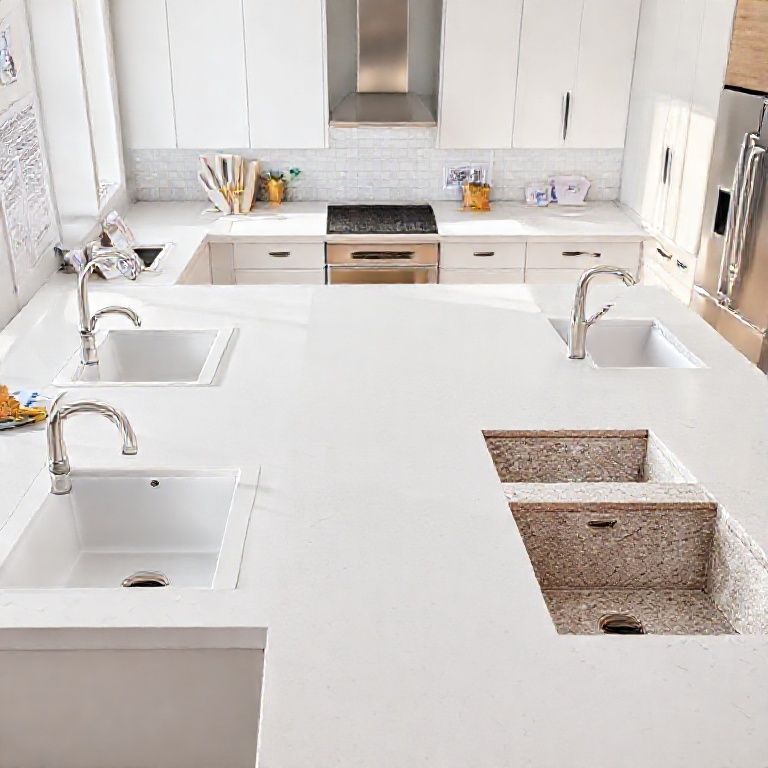
Type of Sealant: The cost of the sealant can vary depending on its quality, brand, and quantity needed. High-quality sealants typically cost more but offer better results. Size of the Crack: Larger cracks will require more sealant and may involve additional steps, thus increasing the overall cost. Labor Costs: If you hire a professional for the repair, labor costs will add to the expense. However, if you opt for a DIY approach, the labor cost will be zero. Additional Supplies: Depending on the repair, you may need additional supplies such as cleaning agents, applicators, or cloths.
Average Costs
On average, the cost of repairing a small to medium crack in an artificial stone countertop can range from $20 to $50. This includes the cost of high-quality sealant and any additional supplies. Professional repair services might charge slightly more, ranging from $50 to $100, depending on the complexity of the repair and labor costs.
DIY vs. Professional Repair
Deciding between DIY and professional repair involves weighing the pros and cons of each option:
DIY Repair:
Cost-Effective: Generally, DIY repairs are less expensive since you save on labor costs. Control: You have full control over the repair process and can ensure it’s done according to your preferences. Skill Required: Requires some level of DIY skill and knowledge. If you’re unsure, it might lead to an unsatisfactory repair.
Professional Repair:
Precision: Professionals have the expertise to ensure a precise and effective repair. Time-Saving: Professional services save you time and effort, allowing you to focus on other tasks. Warranty: Some professional services come with warranties, offering peace of mind.
Maintenance Tips for Artificial Stone Countertops
To prevent cracks and extend the lifespan of your artificial stone countertops, follow these maintenance tips:
Avoid Heavy Impact: Use coasters under heavy objects and avoid dropping items on the countertop. Use Cutting Boards: Always use cutting boards when preparing food to prevent scratches and cracks. Clean Properly: Use mild soap and water for cleaning. Avoid abrasive cleaners or sponges that can scratch the surface. Heat Management: Avoid placing hot pots or pans directly on the surface. Use trivets or heat-resistant pads. Regular Inspection: Regularly inspect the countertop for any signs of cracks or damage. Early detection allows for timely repairs.
Conclusion
Repairing cracks in artificial stone countertops using high-quality sealants is a practical and cost-effective solution to maintain the beauty and functionality of your kitchen or bathroom. By understanding the causes, choosing the right sealant, and following a proper repair process, you can restore your countertop’s appearance and extend its life. While the cost of repair is generally low, weighing DIY versus professional options can help you make the best choice for your needs. With proper maintenance and timely repairs, your artificial stone countertop can remain a stunning focal point in your home for years to come.
By addressing cracks with effective sealants and understanding the associated costs and maintenance tips, you’ll ensure your artificial stone countertops remain in pristine condition, adding both aesthetic and functional value to your space.