Identifying Common Issues and Initial Repair Techniques
In the world of home improvement and kitchen design, artificial marble countertops are often favored for their durability, aesthetic appeal, and ease of maintenance. However, like any surface, they can suffer damage over time. Understanding how to identify and address these issues is crucial for maintaining the pristine look of your artificial marble countertops.

Understanding Your Countertops
Artificial marble, also known as cultured marble or solid surface, is a composite material that combines minerals, resin, and pigments to create a stone-like appearance. Despite its name, it’s not a true marble but a highly durable material that can mimic the look of natural stone. Knowing the properties of your countertop is the first step in any repair process.
Common Issues
Chips and Cracks: Artificial marble can be prone to chips and cracks, especially around edges and in high-traffic areas. These can occur due to dropping heavy objects or using unsuitable cutting boards.
Stains and Fingerprints: Mineral stains, coffee, juice, and even fingerprints can mar the surface of your countertop. Over time, these can become ingrained, making them difficult to clean.

Surface Scratches: While artificial marble is generally scratch-resistant, it can still be scratched by sharp objects or abrasive cleaning tools.
Color Fading: Prolonged exposure to sunlight can cause the colors to fade over time, although this is less common than with natural stone.
Initial Repair Techniques
To address minor issues like scratches and superficial stains, a good cleaning routine is often all you need. Here’s how to get started:
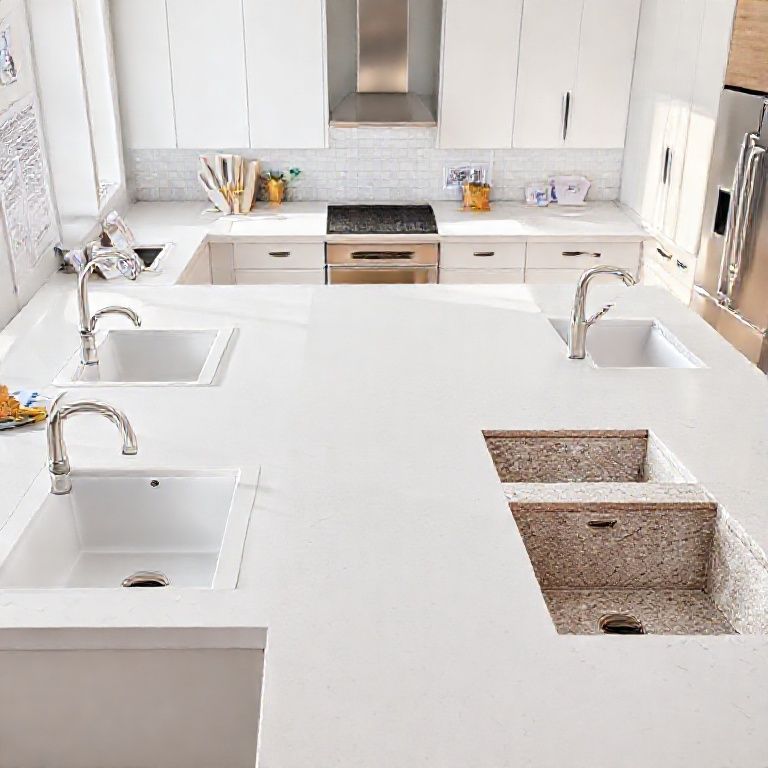
Cleaning Your Countertop: Use a soft cloth and a mild soap solution to clean your countertop. Avoid abrasive cleaners or sponges that can scratch the surface. For tougher stains, a specialized marble cleaner can be effective.
Filling Small Cracks and Chips: For minor chips and cracks, you can use a countertop repair kit specifically designed for artificial marble. These kits usually include a filler and a matching colorant. Follow the manufacturer’s instructions to apply the filler and blend it with the surrounding surface to create a seamless repair.
Removing Surface Scratches: For light scratches, you can use a polishing compound designed for artificial surfaces. Apply the compound to a soft cloth and gently polish the scratched area until the scratch is no longer visible.

Re-coloring Faded Areas: To restore color to faded areas, you can use a marble stain or colorant. Apply the product with a cloth, following the manufacturer’s instructions for best results.
Preventive Measures
To prevent future damage, here are some tips:
Use cutting boards to protect the surface from heavy objects. Wipe up spills immediately to prevent staining. Avoid using abrasive cleaners or tools. Apply a protective sealant periodically to enhance the durability of the surface.
By following these initial repair techniques and preventive measures, you can keep your artificial marble countertops looking beautiful and extend their lifespan. In the next part, we will delve into more advanced repair techniques and how to tackle more severe damage.
Advanced Repair Techniques and Maintenance Tips
If minor repairs and preventive measures aren’t enough to address the damage to your artificial marble countertops, advanced repair techniques will be necessary. This part of our guide will explore more complex issues and offer detailed steps for effective repairs.
Advanced Repair Techniques
Repairing Larger Cracks and Chips:
For larger cracks or chips, a more comprehensive approach is required. Here’s a step-by-step method:
Clean the Area: Thoroughly clean the affected area to remove any dust, dirt, or residue.
Prepare the Repair Kit: Most countertop repair kits come with a filler that matches the color of your countertop and a hardener. Mix these according to the manufacturer’s instructions.
Apply the Filler: Use a small applicator or a toothpick to fill the crack or chip with the mixed filler. Ensure the filler is pushed deep into the crack for a strong bond.
Smooth the Surface: Once the filler is set, use a fine-grit sandpaper to smooth the surface. Be gentle to avoid creating additional scratches.
Final Touches: Wipe the area with a clean, damp cloth to remove any dust from sanding. Allow the repaired area to dry completely before using the countertop.
Restoring Stained or Discolored Areas:
For areas that have become stained or discolored, a color restoration technique can work wonders:
Clean the Surface: Use a gentle cleaner to remove any surface grime.
Apply Colorant: Using a small brush or applicator, apply a colorant or stain that matches your countertop. Work in small sections and blend the colorant into the surrounding area to achieve a seamless finish.
Polish the Area: Once the colorant has dried, use a polishing compound to blend it into the surface. This will help the new color match the surrounding area perfectly.
Resurfacing the Countertop:
In cases where the surface is heavily scratched or marred, resurfacing might be the best option:
Assess the Damage: Determine if the entire countertop needs resurfacing or just specific areas.
Sanding: If resurfacing a large area, you may need to sand the surface lightly to remove scratches and prepare it for a new finish. Use fine-grit sandpaper for a gentle touch.
Apply a New Finish: Use a high-quality sealant or finish that is designed for artificial marble. Apply it according to the manufacturer’s instructions, ensuring even coverage.
Allow to Cure: Let the finish cure completely before using the countertop. This may take several hours to a full day, depending on the product.
Maintenance Tips
To keep your artificial marble countertops in top condition, regular maintenance is key:
Daily Cleaning: Clean your countertop daily with a mild soap and water solution. Avoid harsh chemicals that can damage the surface.
Immediate Spill Management: Wipe up spills immediately to prevent stains and damage. Use paper towels or a clean cloth to absorb liquids quickly.
Avoiding Sharp Objects: Use cutting boards and other protective barriers to avoid damage from sharp objects.
Regular Sealing: Apply a protective sealant every six months to a year, depending on the level of use and exposure. This will help maintain the surface and protect against future damage.
Professional Help: For extensive damage or if you’re unsure about the repair process, consider hiring a professional. They have the tools and expertise to restore your countertops to like-new condition.
By following these advanced repair techniques and maintenance tips, you can ensure that your artificial marble countertops remain beautiful and functional for years to come. Regular care and prompt repairs will keep your kitchen looking pristine and extend the life of your investment.