The Ultimate Guide to Self-Leveling Floor Coating: Cost Breakdown and Benefits
In today’s world, the condition of your floor can significantly impact the aesthetic and functional value of any space, whether it’s your home, office, or commercial property. One of the most popular and effective solutions for floor leveling and maintenance is self-leveling floor coating. Also known as self-leveling compound or leveling paint, this material offers a smooth, even surface that can correct unevenness and fill minor imperfections in concrete, tile, or other flooring materials.

Understanding Self-Leveling Floor Coating
Self-leveling floor coating is a versatile product designed to level out any uneven surfaces, making it a go-to choice for both residential and commercial properties. This product is available in various types, including cement-based and epoxy-based, each suited to different needs and environments. The primary function of self-leveling floor coating is to provide a uniform surface, which is crucial for both aesthetic appeal and practical reasons such as safety and durability.
The Cost of Self-Leveling Floor Coating
When it comes to the cost of self-leveling floor coating, several factors influence the total price per square meter. These factors include:
Type of Coating: Different types of self-leveling compounds have varying costs. Cement-based coatings tend to be more affordable compared to epoxy-based coatings, which often offer superior durability and resistance to heavy traffic.
Quality and Brand: Higher-quality materials and well-known brands typically command higher prices. Investing in a reputable brand can often result in better performance and longer-lasting results.
Labor Costs: The cost of hiring professional services can vary greatly depending on the complexity of the project, the geographical location, and the labor rates in the area. Skilled professionals can ensure a perfect finish and handle any unexpected issues that may arise during the process.
Preparation and Cleanup: Additional costs may arise from the preparation of the floor surface and the cleanup post-application. Proper preparation often involves cleaning, repairing, and sometimes even sanding the surface, which can add to the overall cost.
Typical Cost Per Square Meter
The cost of self-leveling floor coating per square meter can vary widely. Generally, the price range for self-leveling compounds is between $10 to $30 per square meter for the material itself, not including labor costs. When professional services are involved, the cost can increase substantially:
For a simple residential project, expect to pay between $30 to $60 per square meter, including the cost of materials and labor. For commercial projects or more complex applications, costs can range from $60 to $100 per square meter or more, depending on the size and complexity of the area being leveled.
Benefits of Self-Leveling Floor Coating
Investing in self-leveling floor coating offers numerous benefits that make it a worthwhile option for many:
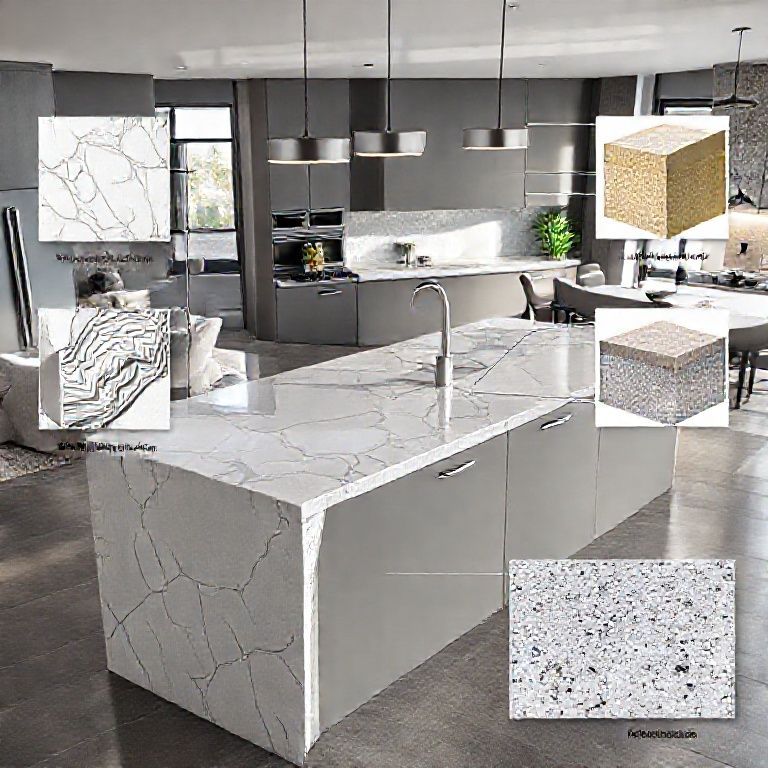
Evenness and Smoothness: One of the primary benefits of self-leveling floor coating is the even, smooth surface it provides. This is especially important in areas with significant unevenness or where a perfect finish is required.
Durability: High-quality self-leveling compounds are designed to withstand heavy traffic and wear and tear, making them ideal for both residential and commercial spaces.
Safety: A well-leveled floor reduces the risk of tripping hazards and other safety concerns, which is crucial in high-traffic areas and places with a lot of foot traffic.
Ease of Application: Self-leveling floor coatings are relatively easy to apply, even for DIY enthusiasts. However, professional application can ensure the best results, especially in larger projects.
Versatility: These coatings can be used on a variety of surfaces, including concrete, tile, and even some types of wood flooring.
Aesthetic Appeal: A professional finish not only looks great but also increases the overall value of a property, making it more attractive to potential buyers or tenants.
Conclusion
Self-leveling floor coating is an excellent solution for creating a smooth, even surface that enhances both the aesthetics and functionality of any space. While the cost can vary based on several factors, the benefits it offers in terms of durability, safety, and ease of application make it a worthwhile investment. Whether you’re looking to renovate your home or upgrade your commercial property, understanding the costs and benefits of self-leveling floor coating is essential for making an informed decision.
The Ultimate Guide to Self-Leveling Floor Coating: Cost Breakdown and Benefits (Continued)
Detailed Factors Affecting the Cost
To give you a clearer picture, let’s delve deeper into some of the specific elements that can influence the cost of self-leveling floor coating.
1. Material Costs
The type of self-leveling compound you choose will significantly affect the overall cost. There are two main categories:
Cement-based Compounds: These are generally more affordable and suitable for low-traffic areas. They provide a good level of durability but are less resistant to heavy wear and tear.
Epoxy-based Compounds: These offer superior resistance to chemicals, moisture, and heavy traffic, making them ideal for high-traffic areas like commercial kitchens, warehouses, and industrial spaces. The higher cost of epoxy-based compounds reflects their advanced properties.
2. Professional Labor Costs
Hiring professional services to apply self-leveling floor coating can greatly impact the total cost. Here are some factors that influence labor costs:
Project Size and Complexity: Larger areas and more complex projects (e.g., multi-level installations or intricate designs) require more time and effort, thereby increasing labor costs.
Experience and Expertise: Highly skilled professionals who have extensive experience in floor leveling may charge more for their services. However, their expertise can ensure a flawless finish and minimize the risk of costly mistakes.
Location: Labor costs can vary significantly depending on your geographical location. Urban areas with higher living costs often have higher labor rates compared to rural areas.
3. Preparation and Cleanup
Proper preparation of the floor surface is crucial for achieving a smooth, even finish. This process can include:
Cleaning: Removing dirt, grease, and debris from the surface to ensure a clean, flat base. Repairing: Fixing any cracks, holes, or uneven spots on the floor to provide a uniform surface for the self-leveling compound. Sanding: For wood or certain types of tile, sanding may be required to create a smooth surface.
The cost of preparation and cleanup can add to the overall expense, but it is essential for achieving the best results. Professional services typically include these preparatory steps as part of their service package.
4. Additional Costs
Sometimes, additional costs may arise due to unexpected circumstances or special requirements. These can include:
Special Equipment: In some cases, specialized equipment may be required to apply the self-leveling compound, especially for large or complex projects. This can add to the overall cost. Multiple Coats: Depending on the initial condition of the floor, multiple coats of the self-leveling compound may be necessary for an optimal finish. Each additional coat will increase the material cost.
Benefits of Professional Services
While DIY options are available, hiring professional services for self-leveling floor coating offers several advantages:
Expertise and Experience: Professionals have the skills and experience to handle various types of flooring and complex projects. They can ensure a flawless finish and handle any unexpected issues that may arise during the process.
Quality Results: Professional application often results in a more even, smooth surface compared to DIY efforts. This can significantly enhance the aesthetic appeal and functionality of the floor.
Time Efficiency: Professionals can complete the job more quickly and efficiently, saving you time and effort.
Warranty: Many professional services offer warranties on their work, providing peace of mind that the job will be done right and any issues will be addressed.
Choosing the Right Self-Leveling Floor Coating
When selecting a self-leveling floor coating, consider the following factors:
Purpose and Usage: Determine the primary use of the space. For example, a high-traffic commercial area will require a more durable, heavy-duty coating compared to a residential space with low traffic.
Environmental Conditions: Consider factors such as humidity, temperature, and exposure to chemicals. These can affect the longevity and performance of the coating.
Budget: While cost is a significant factor, it’s important to balance it with the quality and durability of the product. Investing in a higher-quality coating can often result in long-term savings.
Professional Recommendations: Consult with professionals who can provide expert advice tailored to your specific needs and conditions.
Conclusion
In conclusion, self-leveling floor coating is a valuable investment for creating a smooth, even surface that enhances both the aesthetic and functional aspects of any space当然,我们可以继续探讨关于自流平地坪漆的更多方面。
自流平地坪漆的种类
水基型(水性地坪漆):
优点:环保,低VOC(挥发性有机化合物)排放,使用方便,干燥快。 缺点:耐磨性相对较低,不适合高流量区域。
溶剂型(油性地坪漆):
优点:耐磨性强,适合高流量区域如商业场所。 缺点:有毒性,需要较长的通风时间,干燥时间较长。
聚氨酯型:
优点:耐化学性和耐磨性极佳,适合高度要求的应用。 缺点:价格较高,复杂的施工过程。
施工步骤
准备工作:
清洁:彻底清洁地面,确保没有污渍、灰尘、油脂等杂质。 修复:修补任何裂缝、孔洞或其他缺陷。 打磨:在某些情况下,可能需要轻轻打磨地面以确保表面平滑。
涂敷自流平地坪漆:
使用滚筒或刷子均匀涂抹自流平地坪漆。通常需要多层涂敷,每层之间需要适当的干燥时间。
硬化和抛光:
自流平地坪漆在干燥后会变硬,通常需要几小时到一天不等,具体时间取决于产品类型和环境条件。 某些高端产品可能需要抛光以获得最佳的光泽和耐用性。
自流平地坪漆的应用场景
住宅:
修正地板不平,提高美观性。 用于地下室和厨房等潮湿区域。
商业空间:
适用于办公室、商店、工厂等高流量区域。 提供耐磨、耐污渍的表面,适合频繁清洁。
维护和保养
定期清洁:
使用中性清洁剂定期清洁地面,避免使用强腐蚀性或高研磨力的清洁剂。
避免重物损坏:
尽量避免在新涂的地面上放置重物或尖锐物品,以防损坏地坪漆表面。
定期检查:
定期检查地面是否有裂缝或磨损,及时修复以延长地坪漆的使用寿命。
环保和安全考虑
环保性:
选择低VOC或无VOC的产品,减少对环境和人体健康的影响。
安全性:
遵循产品说明书中的安全操作指南,包括通风、防护措施等。 施工前后确保施工区域的安全,防止意外事故发生。
总结
自流平地坪漆是一种功能强大且多用途的材料,无论是在家庭还是商业环境中,它都能提供持久、美观和耐用的地面表面。选择合适的产品和正确的施工方法,可以最大限度地发挥其优势,延长使用寿命,并确保安全和环保。