Replacing your artificial stone countertop might sound daunting, but with the right guidance, it can be a rewarding DIY project. This comprehensive guide will walk you through everything you need to know about artificial stone countertops, from understanding the material to the step-by-step process for a seamless replacement. Whether you’re a novice or an experienced DIY enthusiast, this detailed guide will ensure a smooth and successful transformation of your kitchen or bathroom space.
artificial stone countertops, countertop replacement, DIY countertop replacement, kitchen renovation, bathroom renovation, stone countertop installation, countertop repair, home improvement, granite countertop, quartz countertop
Part 1
The Ultimate Guide to Replacing Your Artificial Stone Countertops
Understanding Artificial Stone Countertops
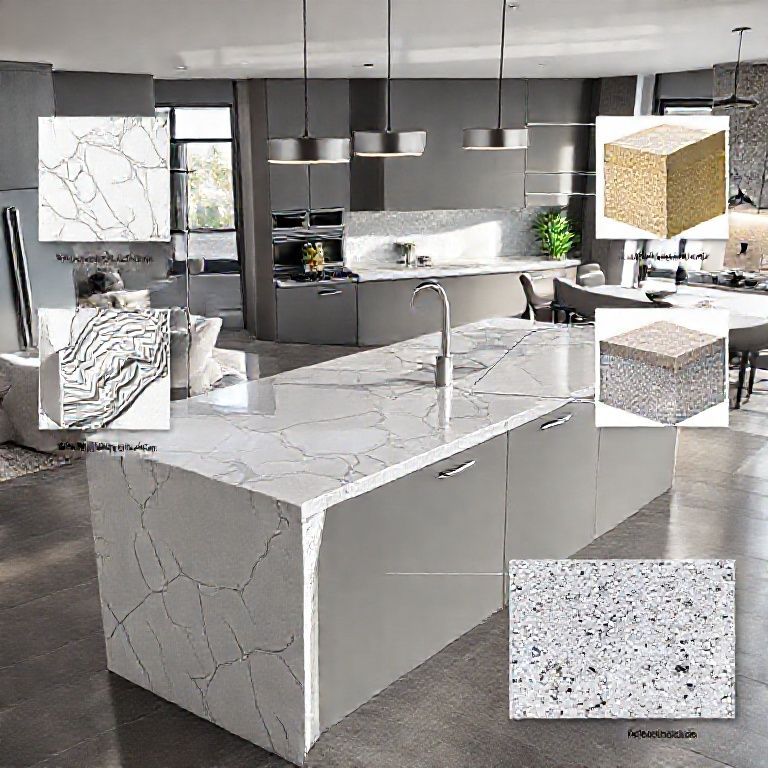
Artificial stone countertops have revolutionized modern kitchen and bathroom design. Known for their durability, versatility, and aesthetic appeal, these countertops are a popular choice for homeowners seeking a luxurious yet manageable alternative to natural stone options like granite and marble. The material is primarily composed of natural minerals bonded together with resin, giving it a stone-like appearance while offering significant advantages in terms of maintenance and cost.
Why Replace Your Artificial Stone Countertop?
There are several compelling reasons to consider replacing your artificial stone countertop:
Aesthetic Appeal: Over time, the surface may begin to show signs of wear, scratches, or discoloration. A fresh, new countertop can breathe new life into your kitchen or bathroom. Functionality: If your current countertop is damaged or no longer meets your functional needs, a replacement can improve both the appearance and usability of the space. Maintenance: While artificial stone is generally low-maintenance, some areas may require more upkeep than others. Upgrading to a new countertop ensures long-term durability and ease of cleaning.
Tools and Materials Needed
Before diving into the replacement process, it’s important to gather all necessary tools and materials. Here’s a list of what you’ll need:
Safety Gear: Safety glasses, gloves, and a dust mask Pry Bar and Chisel: To remove the old countertop Hammer: For breaking up the old countertop Utility Knife: For cutting through adhesive Scraper: To remove stubborn adhesive residues Measuring Tape and Level: For precise measurements and alignment New Artificial Stone Countertop: Ensure it’s cut to the exact size required for your space Adhesive: High-quality construction adhesive suitable for countertops Caulk: For sealing edges Cleaning Supplies: For final cleaning and maintenance
Step-by-Step Process
Step 1: Preparation
Safety First: Begin by putting on your safety gear. This will protect you from dust, debris, and sharp edges during the removal process.
Measure and Mark: Use a measuring tape to measure the dimensions of your existing countertop. Mark the new countertop with these measurements to ensure a precise fit.
Step 2: Removing the Old Countertop
Cut Through Adhesive: Use a utility knife to carefully cut through the adhesive holding the old countertop in place. This will make it easier to pry up the countertop without damaging the surrounding cabinetry.
Pry and Hammer: Use a pry bar and chisel to lift the countertop. If it’s particularly stubborn, a hammer may be needed to break it apart. Work slowly to avoid damaging the cabinets beneath.
Clean the Surface: Once the old countertop is removed, clean the surface thoroughly to remove any adhesive residues. Use a scraper and a suitable adhesive remover if necessary.
Step 3: Preparing for the New Countertop
Inspect the Area: Ensure that the surface where the new countertop will be installed is clean, dry, and free of any debris.
Cut the New Countertop: If the new countertop isn’t pre-cut to size, use a saw to cut it to the exact dimensions required for your space. Make sure to measure twice before you cut once.
Step 4: Installing the New Countertop
Apply Adhesive: Use a high-quality construction adhesive suitable for countertops. Apply it evenly to the surface where the countertop will be placed. Follow the manufacturer’s instructions for the best results.
Position the Countertop: Carefully place the new countertop onto the adhesive. Use a level to ensure it’s straight and aligned properly. Press down firmly to ensure a good bond.
Caulk the Edges: Once the adhesive has set, use caulk to seal the edges of the countertop. This will prevent any water or debris from seeping underneath and causing damage over time.
Step 5: Final Touches
Clean the Surface: Clean the new countertop with a suitable cleaning solution to remove any adhesive residue or dust. Follow up with a protective sealant if recommended by the manufacturer.
Enjoy Your New Space: Step back and admire your work. Your kitchen or bathroom now features a fresh, modern look that will enhance both the aesthetics and functionality of the space.
Part 2
The Ultimate Guide to Replacing Your Artificial Stone Countertops
Maintenance Tips for Your New Artificial Stone Countertop
Artificial stone countertops are known for their low maintenance requirements, but there are still some best practices you can follow to ensure they remain in pristine condition:
Regular Cleaning: Wipe down your countertop with a mild soap and water solution at least once a week. Avoid using abrasive cleaners or scouring pads that can scratch the surface. Immediate Spill Management: For spills, especially those containing acidic or alkaline substances, it’s important to clean them up immediately. Use a damp cloth with a mild soap solution to wipe them away. Avoiding Sharp Objects: Try to avoid using sharp objects like knives directly on the surface of the countertop, as this can cause scratches. Use cutting boards instead. Heat Protection: While artificial stone is generally heat-resistant, prolonged exposure to very hot items can cause discoloration. Use potholders and oven mitts to protect the surface from direct heat. Sealing: Depending on the type of artificial stone, you may need to seal it periodically to maintain its protective properties. Check the manufacturer’s guidelines for specific recommendations.
Troubleshooting Common Issues
Even with proper care, you might encounter some issues with your artificial stone countertop. Here’s how to troubleshoot and address common problems:
Discoloration: If your countertop starts to show discoloration, it’s often due to spills or environmental factors. Clean it with a mild soap solution and consider using a protective sealant. Scratches: Minor scratches can usually be buffed out using a fine-grit sandpaper or a commercial scratch remover. For deeper scratches, it might be best to consult a professional. Adhesive Residue: If adhesive or caulk remains on the countertop, use a suitable adhesive remover to clean it off. Avoid using harsh chemicals that could damage the surface. Cracks: Cracks in the countertop are a sign of damage. Depending on the severity, you might need to replace the affected area or the entire countertop. For minor repairs, a countertop repair kit might be useful.
Long-Term Benefits of Artificial Stone Countertops
Artificial stone countertops offer several long-term benefits that make them an excellent choice for your kitchen or bathroom:
Durability: These countertops are highly durable and can withstand daily wear and tear. They are less prone to cracking and staining compared to natural stone options. Cost-Effectiveness: While the initial cost might be higher than some alternatives, artificial stone countertops offer a cost-effective solution in the long run due to their durability and low maintenance requirements. Versatility: Available in a wide range of colors and patterns, artificial stone countertops can be customized to match any design aesthetic. They also offer a versatile base for various kitchen and bathroom applications. Easy Maintenance: Unlike natural stone, artificial stone countertops do not require sealing or frequent polishing. They are easy to clean and maintain, saving you time and effort. Eco-Friendly: Artificial stone is made from natural minerals and resin, making it a more environmentally friendly option compared to some other materials. It also doesn’t contain the harmful chemicals often found in synthetic alternatives.
Future Trends in Artificial Stone Countertops
The world of artificial stone countertops is continually evolving, with new innovations and designs emerging regularly. Here are some future trends to watch out for:
Smart Technology Integration: As smart home technology becomes more prevalent, we may see artificial stone countertops integrated with sensors and controls for lighting, temperature, and even cooking appliances. Sustainable Materials: With increasing focus on sustainability, future artificial stone countertops may incorporate even more eco-friendly materials and manufacturing processes. Advanced Aesthetics: With advancements in technology, we can expect more intricate designs and patterns that closely mimic natural stone while offering superior durability and functionality. Interactive Surfaces: Future countertops may feature interactive surfaces that allow for touch-based controls or displays, adding a modern and functional element to your kitchen or bathroom.
Conclusion
Replacing your artificial stone countertop is a rewarding DIY project that can significantly enhance the look and feel of your kitchen or bathroom. With the right tools, materials, and guidance, you can achieve a professional-looking result that will last for years to come. Remember to follow proper maintenance tips to keep your new countertop in pristine condition and stay informed about future trends to make the most of this versatile material. Happy renovating!
This comprehensive guide should provide you with当然,如果你需要继续了解关于更换人造石台面的更多信息,这里有更多详细内容。
更换人造石台面的后续维护
日常清洁
湿布清洁:每天用湿布和温水擦拭台面,以去除日常污渍和灰尘。 中性清洁剂:对于轻微的污渍,可以使用中性清洁剂。避免使用强酸性或强碱性清洁剂,这些可能会损害人造石的表面。 海绵和橡胶刷:用软毛海绵或橡胶刷清洁台面,避免使用钢丝球,因为这些工具可能会对台面表面造成刮擦。
处理溢出和泼洒物
及时擦拭:咖啡、果汁、酱汁等液体溢出或泼洒应及时擦拭,否则可能会渗透到台面表面,导致永久性污渍。 专用清洁剂:对于酸性或碱性液体,可以使用专门的人造石清洁剂,按照说明进行处理。
常见问题及解决方法
1. 污渍和颜色褪色
污渍:用温水和中性清洁剂擦拭。如果污渍严重,可以使用专业的清洁剂。 颜色褪色:长期暴露在阳光下可能导致颜色褪色。建议将台面置于避光处,或使用防晒板来遮挡。
2. 划痕和刮痕
轻微划痕:可以使用专用的石材抛光剂进行抛光处理,使表面恢复光泽。 深度划痕:如果是较深的划痕,建议寻求专业的石材修复服务。
3. 污渍和霉菌
污渍:及时清洁并使用专业的清洁剂进行处理。 霉菌:保持台面干燥,定期清洁并使用适量的防霉剂。
防护措施
厨房套装:在台面上使用砧板、切菜板等工具时,可以在其下方放置一个塑料垫片或硅胶垫,以避免划伤台面。 避免过重物品:避免在台面上放置过重的物品,以防压扁台面。 使用锅盖:当烹饪时,用锅盖而不是直接暴露在火源下,以免热量直接作用在台面上。
专业服务
如果你在家中进行DIY更换和维护遇到困难,或者需要进行专业的修复,建议联系专业的石材维护和修复服务。专业人员不仅能确保工作质量,还能提供长期的保养建议。
更换和维护人造石台面虽然看似简单,但细节处的注意可以让台面保持美观和耐用。合理的清洁和维护不仅能延长台面的使用寿命,还能保持其原有的美观。希望这些建议对你有所帮助,祝你在台面维护和更换中一切顺利!