Understanding the Nature of Cracks in Artificial Stone Countertops
Introduction:
Artificial stone countertops are a popular choice for both residential and commercial spaces due to their durability, low maintenance, and aesthetic appeal. However, like any material, they are not immune to damage. One of the most common issues is cracking, which can significantly detract from their appearance and structural integrity. In this first part, we will explore the various causes behind cracks in artificial stone countertops and how to identify them.
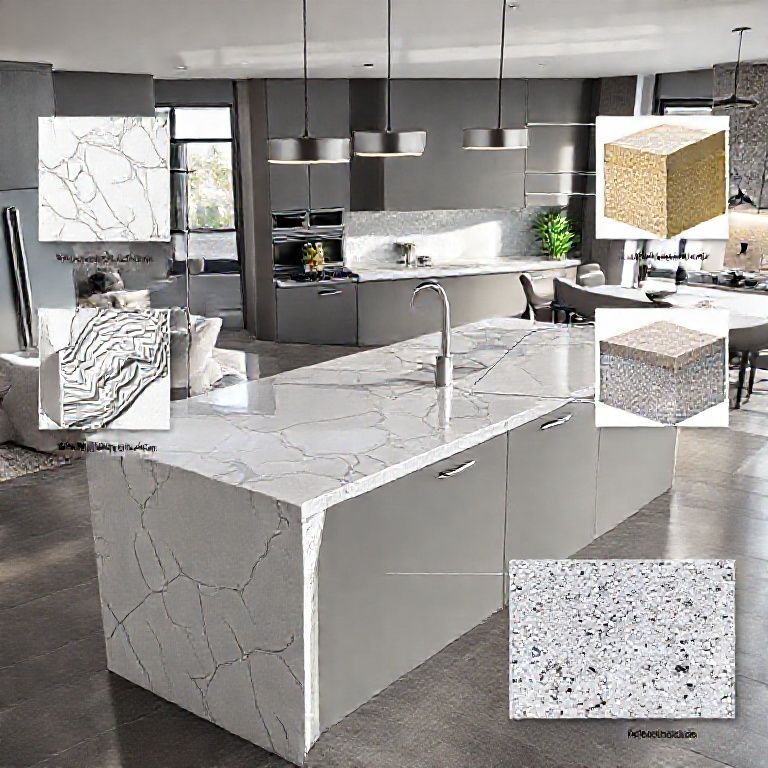
1. The Composition and Characteristics of Artificial Stone:
Artificial stone, also known as cultured stone, is a composite material typically made from a combination of natural stone powder, resin, and other additives. The resulting product mimics the appearance of natural stone but with added benefits such as easier installation and greater resistance to staining. Despite its robust nature, artificial stone is susceptible to cracking under certain conditions.
2. Common Causes of Cracks:
Understanding the causes of cracks in artificial stone countertops is crucial for effective repair and prevention. Here are some of the most common causes:
A. Physical Impact:
One of the primary reasons for cracks in artificial stone is physical impact. This can occur from dropping heavy objects, such as pots and pans, on the surface. The force of the impact can cause immediate cracking or even splintering of the material.
B. Thermal Stress:
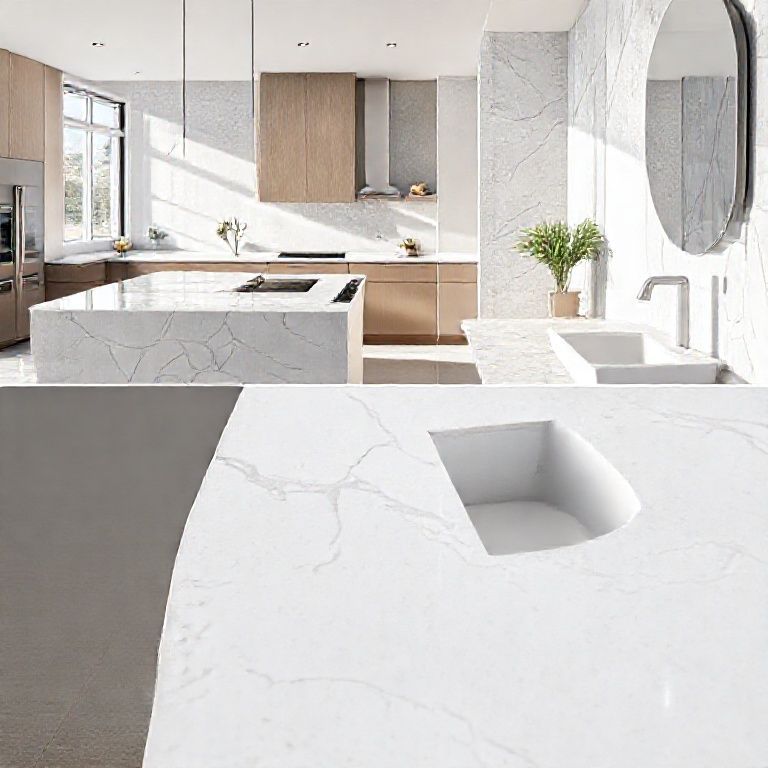
Artificial stone is also prone to cracking due to thermal stress. Significant temperature changes can cause the material to expand and contract unevenly, leading to cracks. For example, placing a hot dish directly on a cold countertop can create a thermal shock that results in a crack.
C. Improper Installation:
Improper installation techniques can lead to structural weaknesses that manifest as cracks over time. This includes issues like uneven support, incorrect curing, or insufficient anchoring to the underlying structure.
D. Chemical Exposure:
Exposure to harsh chemicals can weaken the resin binder in artificial stone, leading to cracking. Acidic or alkaline substances, such as cleaning agents, can degrade the material over time, especially if they come into prolonged contact with the surface.
E. Water Damage:
While artificial stone is generally water-resistant, excessive exposure to water, especially over long periods, can lead to cracks. This is more likely to happen in areas with high humidity or if water is allowed to sit on the surface for extended times.
3. Identifying Crack Patterns:
Identifying the pattern of the cracks can provide insight into the cause. For instance:
A. Linear Cracks:
Linear cracks often result from physical impact or thermal stress. These cracks typically appear as straight or slightly curved lines.
B. Radial Cracks:
Cracks that radiate from a central point usually result from a direct impact or puncture.
C. Network Cracks:
Cracks that form a network or spider web pattern often indicate thermal stress or chemical exposure.
4. Preventive Measures:
Preventing cracks in artificial stone countertops involves a combination of proper installation, careful handling, and regular maintenance. Here are some preventive measures:
A. Use Protective Pads:
Always use protective pads or pot holders when placing hot items on the countertop to avoid direct heat transfer.
B. Maintain a Clean Surface:
Regularly clean the surface with mild soap and water, avoiding harsh chemicals that can degrade the material.
C. Proper Installation:
Ensure that the countertop is installed according to the manufacturer’s guidelines, with proper support and curing time.
D. Avoid Overloading:
Do not overload the countertop with heavy items, as this can lead to physical stress and cracking.
Conclusion:
Understanding the nature of cracks in artificial stone countertops is the first step toward effective repair and prevention. By identifying the causes and implementing preventive measures, you can maintain the beauty and functionality of your artificial stone surfaces. In the next part of this series, we will delve into the repair techniques for different types of cracks and provide detailed instructions on how to restore your artificial stone countertops to their pristine condition.
Repair Techniques and Maintenance for Artificial Stone Countertops
Introduction:
Once cracks have formed in your artificial stone countertops, it’s essential to know how to repair them properly to restore their appearance and integrity. In this second part, we will explore detailed repair techniques for various types of cracks and provide comprehensive maintenance tips to ensure the longevity of your artificial stone surfaces.
1. Repairing Linear Cracks:
Linear cracks, often caused by physical impact or thermal stress, can usually be repaired with a combination of fillers and polishing techniques.
A. Using Fillers:
Step 1: Clean the cracked area thoroughly to remove any dirt, grease, or loose debris.
Step 2: Apply a high-quality stone filler that matches the color of your countertop. Use a putty knife to fill the crack completely, ensuring that the filler goes below the surface of the crack.
Step 3: Allow the filler to cure as per the manufacturer’s instructions. This may take several hours to overnight.
B. Polishing the Surface:
Step 1: Once the filler has cured, sand the filled area gently using fine-grit sandpaper to smooth out the surface. Be careful not to sand too deeply to avoid damaging the underlying stone.
Step 2: Clean the surface again to remove any sanding dust.
Step 3: Apply a stone polish or sealant to restore the shine and protect the repaired area from future damage.
2. Repairing Radial Cracks:
Radial cracks, often resulting from direct impact or puncture, require a more precise approach to repair.
A. Using Epoxy or Resin:
Step 1: Clean the crack area thoroughly to remove all debris.
Step 2: Mix the epoxy or resin according to the manufacturer’s instructions. Use a small applicator or brush to fill the crack with the mixed resin, ensuring that it fills the entire depth of the crack.
Step 3: Allow the resin to cure completely. This may take several hours, depending on the product used.
B. Finishing the Repair:
Step 1: Once the resin has cured, sand the filled area with fine-grit sandpaper to ensure a smooth finish.
Step 2: Clean the surface to remove any sanding dust.
Step 3: Apply a matching polish or sealant to restore the appearance and protect the repair.
3. Repairing Network Cracks:
Network cracks, often caused by thermal stress or chemical exposure, require a more thorough repair process.
A. Using a Two-Part Repair Compound:
Step 1: Clean the affected area thoroughly to remove any contaminants.
Step 2: Mix the two-part repair compound according to the manufacturer’s instructions. This compound is designed to fill and repair complex crack patterns.
Step 3: Apply the compound to the network of cracks, ensuring that it fills all the crevices.
Step 4: Allow the compound to cure fully, as per the manufacturer’s guidelines.
B. Finishing and Polishing:
Step 1: Once the compound has cured, sand the area gently with fine-grit sandpaper to smooth out the surface.
Step 2: Clean the surface to remove any sanding residue.
Step 3: Apply a protective polish or sealant to restore the countertop’s appearance and provide a barrier against future chemical exposure.
4. Maintenance Tips for Artificial Stone Countertops:
To ensure the longevity of your artificial stone countertops, regular maintenance is essential. Here are some key maintenance tips:
A. Cleaning:
Regular Cleaning: Use a mild soap and water solution to clean your countertop regularly. Avoid using harsh chemicals that can damage the surface.
Daily Cleaning: Wipe down the surface with a damp cloth after each use to prevent food and drink stains from setting in.
B. Handling:
Avoid Heavy Impacts: Use potholders when placing hot items on the countertop to prevent thermal stress.
Distribute Weight: Avoid placing heavy objects directly on the countertop. Use a cutting board or other surface for heavy tasks.
C. Repairing Small Chips and Scratches:
Using a Polishing Compound: Small chips and scratches can often be polished out using a fine-grit polishing compound. Gently rub the area with the compound and then buff it to restore the shine.
Using a Repair Pen: Some brands offer repair pens that can fill in small chips and scratches. Follow the instructions on the product for best results.
D. Avoiding Overloading:
Proper Support: Ensure that the countertop is properly supported at all edges to prevent bowing or stress.
Limit Heavy Use: While artificial stone is durable, excessive weight can still cause damage over time. Distribute the load evenly.
Conclusion:
Repairing cracks in artificial stone countertops requires a methodical approach tailored to the type of crack. By using the right materials and techniques, you can effectively restore the beauty and functionality of your countertops. Additionally, regular maintenance and proper handling will help prevent future damage and prolong the life的你的人工石台面。
这些维护和修复技巧不仅能够延长台面的使用寿命,还能保持其美观和耐用性。
5. 特殊维护和清洁技巧
A. 使用适当的清洁剂:
尽量避免使用含有酸性或碱性成分的清洁剂,这些成分可能会对人造石的表面造成损害。选择专门为人造石设计的清洁剂,或使用温和的肥皂和水混合液。
B. 定期擦拭:
每天用干净的湿布轻轻擦拭台面,以去除日常积累的污渍和灰尘。避免使用过度擦拭,以免造成表面划痕。
C. 处理溅洒物:
人造石台面非常容易受到溅洒物的影响,如果不及时清理,这些物质可能会在表面留下痕迹。用湿布迅速擦拭干净,然后用干布擦干。
D. 处理顽固污渍:
对于顽固污渍,可以使用专门的人造石清洁剂进行处理。按照产品说明进行操作,轻轻擦拭污渍区域,然后用清水冲洗干净。
6. 定期检查和保养
A. 定期检查:
每隔几个月,仔细检查人造石台面是否有裂缝、划痕或其他损坏迹象。如果发现问题,应立即采取修复措施。
B. 专业保养:
考虑每年请专业人员对台面进行一次全面检查和保养。专业人员可以提供更深入的清洁和保护措施,确保台面的长期完好。
7. 选择适当的保护措施
为了进一步保护人造石台面,可以考虑以下几种保护措施:
A. 使用台面保护垫:
在烹饪和其他热源设备下使用台面保护垫,可以有效防止热量直接接触到人造石,从而减少热裂缝的风险。
B. 定期涂抹保护油:
有些人造石产品可以使用专门的保护油进行保护,这些油可以增加表面的耐用性和防水性能。按照产品说明定期涂抹保护油。
8. 结论
人造石台面是一种非常耐用和美观的材料,但它们仍然需要适当的护理和维护。通过了解其常见的损坏原因,采用正确的修复技术,并进行定期的清洁和保养,你可以确保你的人造石台面在很长一段时间内保持其原有的美观和功能。
无论你是新装修的业主,还是已经拥有人造石台面的家庭,以上的建议都能帮助你更好地维护和延长你的人造石台面的使用寿命。希望这些信息对你有所帮助,并期待你能享受到你的人造石台面带来的美观和便利。