Part 1
The Ultimate Guide to Reviving Your Yellowing Quartz Countertops
Quartz countertops are renowned for their durability, low maintenance, and striking aesthetic appeal. However, despite their resilience, they can sometimes develop yellow stains over time. This can be a disheartening sight for anyone who treasures their kitchen or bathroom design. In this first part of our comprehensive guide, we will delve into understanding why quartz countertops yellow, the common culprits behind this issue, and some preliminary steps you can take to restore your countertop’s original shine.
Understanding the Causes of Yellowing
Before diving into the solutions, it’s crucial to understand what causes quartz countertops to yellow. Several factors can contribute to this problem:
Chemical Spills: Even though quartz is resistant to many chemicals, certain substances can break down its surface and cause discoloration. Common offenders include bleach, vinegar, and citrus-based cleaners.
Food and Beverage Stains: Grease, coffee, tea, and other food residues can leave behind unsightly yellow marks on the quartz surface. These stains are more likely to set in if not cleaned promptly.
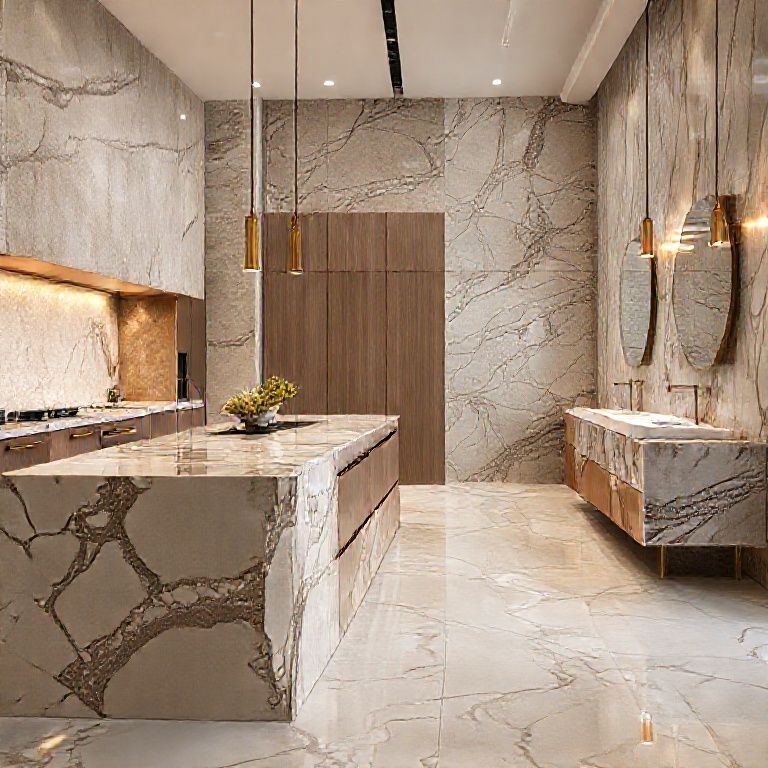
Soap and Lotion Residue: Frequent contact with soap, lotion, and other personal care products can leave a yellow film on the surface over time.
Natural Aging: Over time, the natural aging process can cause some discoloration, although this is less common compared to the above factors.
Initial Steps to Address Yellowing
Once you have identified the likely cause of the yellowing, here are some initial steps you can take to tackle the problem:
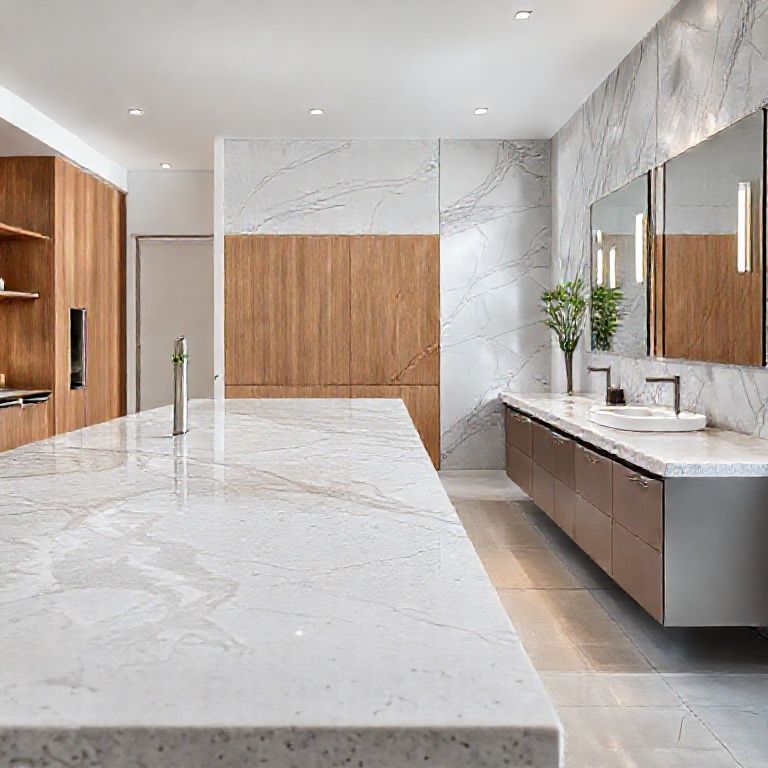
Avoid Harsh Cleaners: Start by avoiding harsh chemicals that can damage the quartz surface further. Stick to mild cleaning solutions instead.
Regular Cleaning: Clean your quartz countertops regularly with a soft, damp cloth and a mild, neutral detergent. This can help prevent minor stains from developing into more serious yellowing.
Immediate Cleaning of Spills: The quicker you clean up spills, the less likely they are to stain your quartz. For tougher stains, use a soft cloth dampened with a mild soapy water solution.
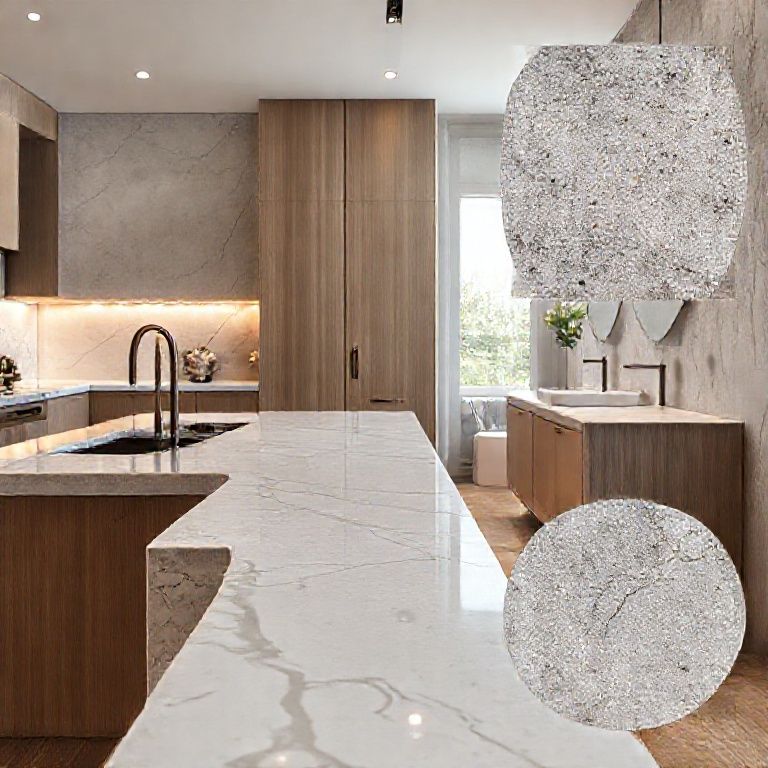
Use Protective Mats: Consider using cutting boards and other mats that can reduce direct contact with the countertop surface, thus minimizing the risk of stains and scratches.
Effective Cleaning Solutions
When it comes to cleaning and reviving yellowing quartz countertops, there are several effective solutions you can use. Here are some tried-and-true methods:
Baking Soda Paste: Mix baking soda with water to form a paste. Apply the paste to the yellowed areas and let it sit for 15-20 minutes. Then, gently scrub with a soft cloth or sponge and rinse thoroughly.
White Vinegar: Vinegar is a natural and effective cleaner. Simply spray white vinegar on the stained area and let it sit for 10 minutes before wiping clean with a soft cloth.
Hydrogen Peroxide: For stubborn stains, a solution of hydrogen peroxide can be effective. Apply it to the stained area with a cloth and let it sit for a few minutes before wiping clean.
Commercial Cleaners: There are also specialized cleaners available in the market designed specifically for quartz countertops. These can be very effective and are often gentler than harsh chemicals.
Preventative Measures
Preventative care is key to keeping your quartz countertops looking their best. Here are some additional tips:
Use Coasters and Mats: To protect your countertop from direct contact with hot drinks and food, use coasters and place mats.
Avoid Abrasive Cleaners: Stick to non-abrasive cleaning solutions to prevent scratching the surface.
Regular Maintenance: Regular maintenance can help prevent yellowing by keeping the surface clean and free of buildup. A monthly wipe-down with a mild cleaner can go a long way.
Professional Cleaning: For heavy-duty cleaning or if you’re unsure about tackling the yellowing yourself, consider hiring a professional cleaner who specializes in quartz surfaces.
In the next part of our guide, we will explore more advanced techniques for reviving your yellowing quartz countertops, including professional cleaning services and some DIY solutions that go beyond the basics. Stay tuned for more tips to keep your quartz countertops looking pristine!
Part 2
The Ultimate Guide to Reviving Your Yellowing Quartz Countertops (Continued)
In the previous part of our comprehensive guide, we covered the basics of understanding and addressing yellowing on quartz countertops. Now, we will delve deeper into more advanced techniques and explore professional cleaning services that can ensure your quartz countertops regain their original brilliance. This second part will cover in-depth cleaning methods, professional services, and some expert tips to maintain your countertops in top condition.
Advanced Cleaning Techniques
When it comes to tackling more stubborn yellowing on quartz countertops, there are several advanced techniques you can employ:
Polishing with a Diamond Pad: A diamond pad is a highly effective tool for polishing and restoring the shine of quartz countertops. Here’s how to use it: Preparation: Begin by cleaning the surface with a mild detergent to remove any dirt and grime. Polishing: Dampen the diamond pad with water and apply it to the yellowed area. Gently rub in a circular motion until the discoloration fades. Final Rinse: Wipe the surface with a clean, damp cloth to remove any residue from the polishing process. Ultrasonic Cleaners: Ultrasonic cleaners use high-frequency sound waves to clean surfaces in a liquid medium. This method can be particularly effective for stubborn stains and is often used by professionals. Setup: Place your countertop in an ultrasonic cleaner with a recommended cleaning solution. Cleaning: Run the cleaner for the recommended time, typically around 15-30 minutes. Rinsing: Once done, thoroughly rinse the countertop with clean water and dry it with a soft cloth.
Professional Grade Cleaners: There are professional-grade cleaners available that contain stronger cleaning agents. These can be very effective but should be used with caution to avoid damaging the surface.
Enzymatic Cleaners: Enzymatic cleaners break down organic stains at a molecular level. They are particularly effective for food and grease stains and can help eliminate yellowing caused by these residues.
Professional Cleaning Services
For those who prefer a hands-off approach or are dealing with particularly stubborn yellowing, professional cleaning services are a great option. Here’s what to expect:
Consultation: Many professional cleaning services will start with a consultation to assess the extent of the yellowing and recommend the best cleaning methods.
Cleaning Process: Professionals will use a combination of the advanced techniques mentioned above, including polishing, ultrasonic cleaning, and specialized cleaning solutions.
Protective Coatings: Some companies offer protective coatings that can help prevent future yellowing. These coatings form a barrier on the surface, making it easier to clean and less susceptible to stains.
Regular Maintenance Plans: Many professional services offer regular maintenance plans to keep your countertops in pristine condition. This can include routine cleanings and inspections.
Expert Tips for Long-Term Maintenance
To ensure your quartz countertops remain beautiful and free from yellowing, here are some expert tips for long-term maintenance:
Use Cutting Boards and Mats: As mentioned earlier, using cutting boards and mats can prevent direct contact with the countertop, reducing the risk of stains and scratches.
Avoid Abrasive Cleaners: Always stick to non-abrasive cleaning solutions and avoid using steel wool or other abrasive tools.
Immediate Cleanup: Promptly clean up any spills or stains to prevent them from setting in and causing discoloration.
Protect from Heat: Quartz countertops can be damaged by prolonged exposure to high heat. Use trivets or heat-resistant pads to protect the surface from hot pots, pans, and other heat sources.
Regular Maintenance: Incorporate regular maintenance into your routine. A monthly cleaning with a mild detergent and water can go a long way in keeping your countertops looking their best.
Professional Inspections: Schedule periodic inspections with a professional to catch any early signs of damage or discoloration before they become more serious.
By following these advanced cleaning techniques, utilizing professional cleaning services, and maintaining a regular upkeep routine, you can keep your quartz countertops looking flawless and vibrant for years to come. Your kitchen or bathroom will remain an inviting and aesthetically pleasing space, reflecting your attention to detail and commitment to quality.
Thank you for reading our comprehensive guide on reviving your yellowing quartz countertops. If you have any questions or need further assistance, feel free to reach out to us for expert advice and support.