The Ultimate Guide to Tackling Mold and Black Stains on Artificial Stone Countertops
Artificial stone countertops have become a popular choice for kitchens and bathrooms due to their durability, aesthetic appeal, and low maintenance. However, like any material, they are not immune to problems such as mold and black stains. If left unattended, these unsightly issues can mar the beauty and functionality of your countertops. This guide will provide you with comprehensive, easy-to-follow solutions to remove stubborn mold and black stains from artificial stone countertops.

Understanding the Problem: Why Mold and Black Stains Occur
Before diving into cleaning solutions, it’s essential to understand why mold and black stains occur on artificial stone countertops. Artificial stone is made from a mixture of minerals, resins, and pigments, which gives it its unique appearance and strength. However, the porous nature of this material can sometimes make it susceptible to mold growth, especially in areas with high humidity or poor ventilation. Additionally, spills, stains, and grime can lead to discoloration and black stains over time.
Identifying the Right Cleaning Products
When it comes to cleaning artificial stone countertops, choosing the right products is crucial. Here are some effective cleaning solutions you can use:
Mild Dish Soap and Water: For light cleaning and removing general grime, a simple mixture of mild dish soap and water is often sufficient. This is particularly effective for routine maintenance.
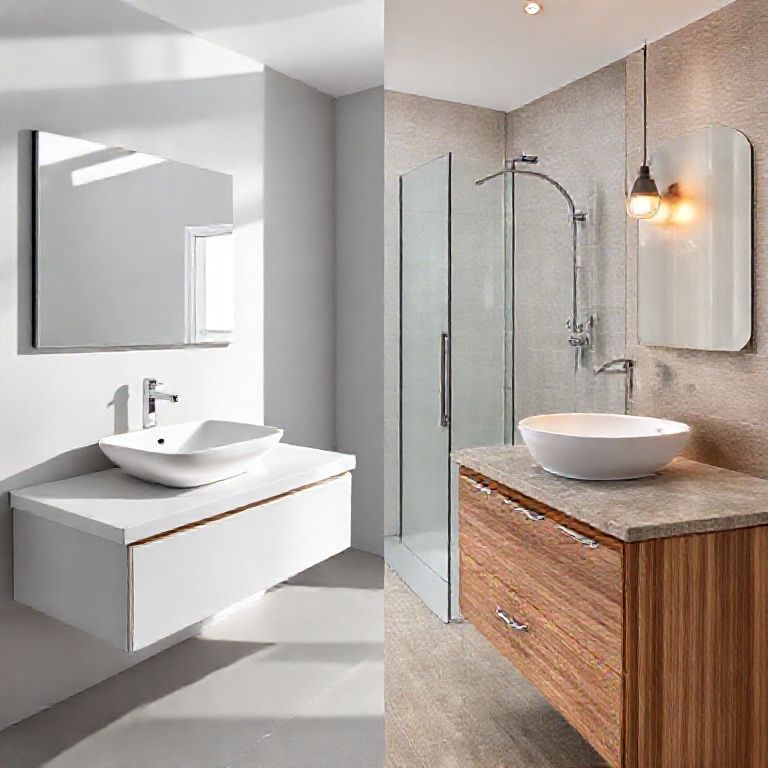
Commercial Stone Cleaners: There are many commercial cleaners specifically designed for artificial stone surfaces. These often contain ingredients that help to break down and remove mold and stains without damaging the surface.
Baking Soda and Vinegar: This natural cleaning duo is excellent for tackling tough stains and odors. Simply mix baking soda with a little water to form a paste, apply it to the stained area, let it sit for a few minutes, then scrub with a soft cloth and rinse with water.
Hydrogen Peroxide: For persistent mold, a solution of hydrogen peroxide can be highly effective. Mix it with water in a 1:1 ratio, apply to the affected area, let it sit for a few minutes, then scrub gently and rinse with water.
Step-by-Step Cleaning Process
Here’s a detailed step-by-step process to clean and maintain your artificial stone countertops effectively:
Step 1: Preparation
Gather Supplies: Collect your chosen cleaning solution, a soft cloth or sponge, a spray bottle (if using liquid solutions), and a microfiber cloth for drying. Ventilation: Ensure the area is well-ventilated to prevent the buildup of fumes and to help the surface dry quickly.
Step 2: Cleaning
Apply Cleaner: If using a liquid solution, spray it directly onto the countertop. For pastes or powders, apply the mixture generously to the affected area. Let it Sit: Allow the solution to sit for the recommended time on the packaging, usually 5-10 minutes for natural solutions and up to 30 minutes for commercial cleaners. Scrub Gently: Using a soft cloth or sponge, scrub the area gently. Avoid using harsh scrubbing pads or brushes, which can scratch the surface. Rinse Thoroughly: Rinse the countertop with clean water to remove any residue from the cleaner.
Step 3: Drying
Dry Immediately: Use a microfiber cloth to dry the surface immediately after cleaning to prevent water spots and further mold growth.
Preventive Measures for Long-Term Maintenance
Preventative care is essential to keep your artificial stone countertops looking their best and to avoid mold and black stains in the future. Here are some tips:
Regular Cleaning: Clean your countertops regularly using mild dish soap and water to remove everyday grime. Immediate Spill Management: Wipe up spills immediately to prevent stains and mold growth. Use a clean cloth to blot, rather than rub, to avoid spreading the stain. Ventilation: Ensure good ventilation in your kitchen or bathroom to reduce humidity levels that can contribute to mold growth. Avoid Harsh Chemicals: Use gentle cleaners and avoid harsh chemicals that can damage the surface of the artificial stone. Protective Coatings: Consider applying a protective sealant to your countertops. These products create a barrier that makes it easier to clean and prevents stains from setting in.
Common Mistakes to Avoid
When cleaning artificial stone countertops, it’s important to avoid common mistakes that can exacerbate the problem:
Using Too Much Pressure: Avoid scrubbing too hard, as this can scratch the surface. Ignoring Spills: Don’t let spills sit on the surface for too long; they can cause stains and mold. Over-Cleaning: While regular cleaning is necessary, over-cleaning can strip away the natural oils and finish of the countertop. Neglecting Ventilation: Poor ventilation can lead to high humidity levels, which promote mold growth.
By following these guidelines and using the right cleaning methods, you can keep your artificial stone countertops pristine and free from mold and black stains.
The Ultimate Guide to Tackling Mold and Black Stains on Artificial Stone Countertops (Continued)
Artificial stone countertops are a fantastic addition to any kitchen or bathroom, offering a blend of durability, beauty, and low maintenance. However, despite their resilience, they can still suffer from mold and black stains. In this second part of our comprehensive guide, we will delve deeper into advanced cleaning techniques, maintenance tips, and preventive strategies to ensure your artificial stone countertops remain in top condition.
Advanced Cleaning Techniques for Stubborn Mold and Stains
Even with regular maintenance, some stains and mold can be particularly stubborn and require more advanced cleaning techniques. Here are some methods to tackle these persistent issues:
1. Oxygen Bleach
Oxygen bleach is an excellent, non-toxic option for removing tough stains and mold. It’s gentle on the surface but powerful against stains.
Solution Preparation: Mix one part oxygen bleach to three parts water. Application: Spray the solution directly onto the stained area. Let it Sit: Allow the solution to sit for 10-15 minutes. Scrub and Rinse: Scrub gently with a soft cloth or sponge, then rinse thoroughly with water.
2. Bleach Solution
For very stubborn stains, a bleach solution can be effective, but it should be used with caution as it can be harsh on the surface.
Solution Preparation: Mix one part bleach to nine parts water. Application: Apply the solution to the stained area using a cloth or sponge. Let it Sit: Allow the solution to sit for 5-10 minutes. Scrub and Rinse: Scrub gently and rinse with water.
3. Professional Cleaning Services
If the stains are particularly severe and do not respond to home remedies, consider hiring a professional cleaning service. Professionals have access to specialized equipment and products that can effectively clean and restore your countertops without causing damage.
Maintenance Tips to Keep Your Countertops Pristine
Regular maintenance is key to preventing mold and black stains on artificial stone countertops. Here are some detailed tips to ensure your countertops remain clean and beautiful:
1. Regular Cleaning Routine
Daily Wipe-Down: Use a damp cloth with mild dish soap to wipe down the countertop daily. This helps to remove daily spills and grime before they set in. Weekly Deep Clean: Perform a more thorough cleaning once a week using a commercial stone cleaner or a homemade solution of baking soda and vinegar.
2. Immediate Spill Management
Blot, Don’t Rub: When spills occur, use a clean, dry cloth to blot the spill rather than rubbing it in. This helps to prevent the stain from spreading. Neutralize Acidic Spills: For acidic spills like fruit juices or coffee, immediately neutralize the spill with baking soda to prevent staining.
3. Avoiding Certain Foods
Food Spills: Be cautious with foods that can easily stain, such as tomato sauce, berries, and coffee. Wipe up any spills immediately. Strong Odors: Foods with strong odors can sometimes leave traces on the surface. Clean the area after food preparation to prevent lingering smells and potential stains.
4. Proper Ventilation
Kitchen and Bathroom Ventilation: Ensure proper ventilation in your kitchen and bathroom to reduce humidity. Use exhaust fans, open windows, or dehumidifiers if necessary. Drying Area: Allow the countertop to dry naturally after cleaning. Avoid placing wet items directly on the surface.
Preventive Strategies to Keep Mold and Stains at Bay
Prevention is always better than cure. Here are some strategies to keep mold and black stains from developing on your artificial stone countertops:
1. Sealant Application
Applying a protective sealant can create a barrier that makes cleaning easier and helps to prevent stains from penetrating the surface.
5. 定期检查和维护
定期检查: 每隔一段时间,检查台面是否有任何划痕、污渍或其他问题。特别是在烹饪和清洁过程中,注意可能遗留的小问题。 专业维护: 如果发现严重的划痕或污渍,考虑寻找专业的台面修复服务,他们可以提供专业的清洁和修复技术,以恢复台面的原始美观。
6. 使用保护套和垫圈
保护套: 在使用厨房用具时,特别是金属锅具或炒锅,使用保护套或垫圈,以防止划伤台面。 垫圈: 在放置容器或瓶子时,使用垫圈,以避免直接接触台面,防止刮花和污染。
7. 避免使用强力清洁剂
温和清洁剂: 尽量使用温和的清洁剂,避免使用强力清洁剂或研磨性的清洁工具,这些可能会对台面表面造成损害。 手洗: 尽量手洗台面,避免使用洗碗机,这样可以减少对台面的磨损。
8. 选择合适的清洁工具
软布: 使用软布或海绵清洁台面,避免使用粗糙或磨损性的清洁布。 刷子: 对于顽固污渍,可以使用软毛刷轻轻刷洗,但要小心不要过度施力。
9. 正确的清洁和护理
清洁步骤: 清洁时,先用温水湿润台面,再涂抹清洁剂,轻轻擦拭后用清水冲洗干净。 干燥: 清洁后,使用干净的软布将台面擦干,以防止水渍和霉菌滋生。
10. 环境控制
湿度控制: 保持厨房和浴室的适当湿度,使用除湿机或空调,避免过高的湿度导致霉菌滋生。 通风: 保持厨房和浴室的良好通风,尤其是在烹饪和洗浴后,这样可以快速排出湿气。
通过以上这些方法,可以有效地保护和维护人造石台面,使其长期保持美观和功能性。定期的保养和正确的使用习惯是保持台面如新的关键。如果遇到特殊问题,建议咨询专业人士以获得更专业的建议和处理方式。