Unveiling the Cost and Benefits of Artificial Stone Countertops
When it comes to kitchen and bathroom renovations, one of the most discussed elements is the choice of countertop material. Among the plethora of options available, artificial stone countertops have gained immense popularity for their durability, design versatility, and cost-effectiveness. This first part delves into the cost factors, benefits, and considerations of artificial stone countertops per square foot.

1. Understanding the Pricing Structure
The cost of artificial stone countertops per square foot can vary widely based on several factors:
Material Quality: The quality of the artificial stone significantly impacts the price. High-grade materials often come with a higher price tag but offer superior durability and aesthetic appeal. Design Complexity: Custom designs and intricate patterns usually cost more than simple, uniform designs. The more detailed and unique the pattern, the higher the price. Installation Costs: Professional installation adds to the overall cost. It’s important to factor in labor charges if you’re hiring professionals to install the countertops. Location: Regional differences in labor costs can affect the pricing. Urban areas may have higher costs compared to rural regions.
On average, artificial stone countertops can range from $30 to $80 per square foot. However, this is a broad estimate, and the actual cost can vary based on the aforementioned factors.
2. Benefits of Artificial Stone Countertops
Artificial stone countertops are not just a cost-effective choice; they bring a multitude of benefits that make them a popular choice for homeowners:
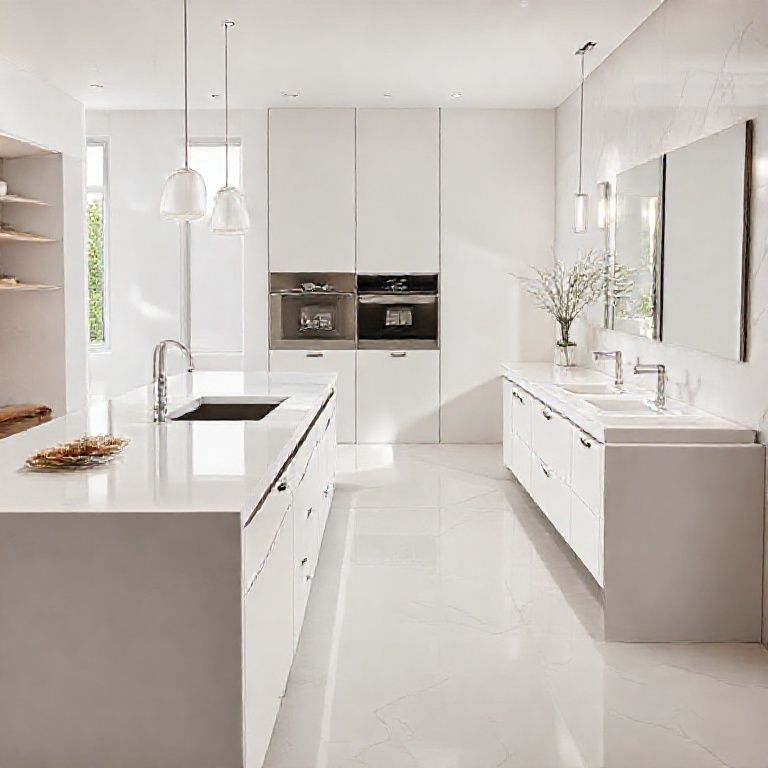
Durability: Unlike natural stone, artificial stone is highly resistant to scratches, stains, and thermal damage. This makes it an excellent choice for high-traffic areas like kitchens and bathrooms. Design Versatility: Artificial stone countertops come in an array of colors and patterns, allowing for endless design possibilities. Whether you want a sleek, modern look or a more rustic aesthetic, artificial stone can be molded to suit your vision. Maintenance: One of the most significant advantages is the low maintenance requirement. Unlike natural stone that requires sealing and regular maintenance, artificial stone only needs occasional cleaning to maintain its pristine look. Affordability: Given the durability and low maintenance, artificial stone offers great value for money. It often provides a more affordable alternative to natural stone while still delivering a premium look.
3. Choosing the Right Artificial Stone
Selecting the right type of artificial stone for your countertop is crucial for both aesthetic and functional purposes. Here are some key considerations:
Composition: Artificial stone is typically made from a blend of minerals, polymers, and other additives. High-quality artificial stone uses superior materials that enhance durability and appearance. Texture and Finish: Depending on your design preference, you can choose from a variety of textures and finishes. Matte, glossy, and textured finishes offer different visual effects. Color Options: Artificial stone is available in an extensive range of colors and can mimic the look of natural stone. It’s important to choose a color that complements your existing decor.
4. Installation and Maintenance Tips
To ensure the longevity and beauty of your artificial stone countertop, proper installation and maintenance are key:
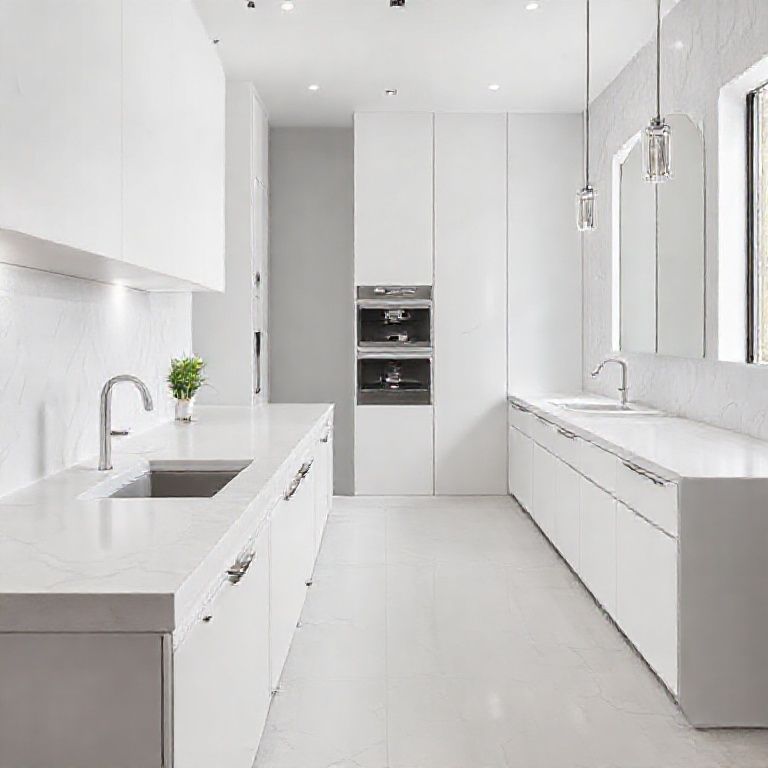
Professional Installation: For the best results, hire a professional installer. They have the expertise to handle the installation process correctly, ensuring a flawless finish. Regular Cleaning: Use a soft cloth and mild detergent to clean your artificial stone countertop. Avoid using harsh chemicals that can damage the surface. Immediate Stain Treatment: Address any spills or stains immediately to prevent them from setting into the surface.
By understanding these factors and taking the right steps, you can enjoy a beautiful and durable artificial stone countertop that enhances the aesthetic and functionality of your kitchen or bathroom.
Making an Informed Decision on Artificial Stone Countertops
In this second part, we’ll explore the installation process, maintenance tips, and how to compare artificial stone countertops with other materials. Additionally, we’ll highlight the long-term benefits and potential cost savings of choosing artificial stone.
1. The Installation Process
Proper installation is crucial to ensuring the longevity and appearance of your artificial stone countertop. Here’s a detailed look at what the process entails:
Preparation: Before installation, the countertop surface must be prepped. This includes cleaning the area, removing any old countertops, and ensuring the surface is level and smooth. Cutting and Fitting: The artificial stone countertop needs to be cut to fit the space precisely. Professionals use specialized tools to ensure a perfect fit. Adhesion and Securing: The countertop is then adhered to the base using high-quality adhesives. It’s important to follow the manufacturer’s instructions for proper adhesion. Sealing: After installation, the countertop may need to be sealed. This step is not always necessary for artificial stone, but it can add an extra layer of protection, especially if you choose a softer material.
2. Maintenance Tips for Longevity
Artificial stone countertops are low-maintenance, but some care is still required to keep them looking their best:
Daily Cleaning: Use a soft cloth and mild detergent to clean the surface daily. Avoid using abrasive cleaners that can scratch the surface. Spill Management: Address spills immediately. Use a paper towel to blot up liquids, and clean with a damp cloth. For tougher stains, a mild soap solution can be used. Avoiding Heat Damage: While artificial stone can withstand some heat, prolonged exposure to direct heat sources can cause damage. Use trivets or pot holders to protect the surface from pots and pans. Periodic Inspections: Regularly inspect your countertop for any signs of wear or damage. Early detection can prevent minor issues from becoming major problems.
3. Comparing Artificial Stone to Other Countertop Materials
When deciding on the right countertop material, it’s helpful to compare artificial stone with other popular options like granite, quartz, and solid wood:
Granite vs. Artificial Stone: Granite is a natural stone known for its durability and aesthetic appeal. However, it requires regular sealing and maintenance, which can be costly over time. Artificial stone offers a more affordable alternative with less maintenance required. Quartz vs. Artificial Stone: Quartz is another popular natural stone that offers durability and a wide range of designs. Like granite, it requires sealing and maintenance. Artificial stone provides a cost-effective option with similar aesthetic possibilities. Solid Wood vs. Artificial Stone: Solid wood countertops are beautiful and have a natural charm. However, they require regular maintenance to prevent warping, staining, and pest damage. Artificial stone offers a low-maintenance alternative that can mimic the look of wood.
4. Long-Term Benefits and Cost Savings
Choosing artificial stone for your countertops can provide significant long-term benefits:
Durability: Artificial stone is highly resistant to scratches, stains, and thermal damage. This durability translates to a longer lifespan compared to some other materials. Cost Efficiency: While the initial cost per square foot might be higher than some materials, the lower maintenance and durability can result in significant cost savings over time. Design Flexibility: Artificial stone offers a wide range of design options, allowing you to customize your countertops to match your aesthetic preferences without the high costs associated with natural stone. Eco-Friendly Option: Artificial stone is often produced with eco-friendly materials and processes, making it a sustainable choice for environmentally conscious homeowners.
Conclusion
In conclusion, artificial stone countertops are an excellent choice for those looking for a durable, low-maintenance, and aesthetically pleasing surface for their kitchen or bathroom. Understanding the cost factors, benefits, installation process, and maintenance tips will help you make an informed decision. By choosing artificial stone, you can enjoy a beautiful and functional countertop that stands the test of time, providing both style and value to your home renovation project.
By breaking down the information into two parts, we’ve provided an in-depth guide that covers everything you need to know about the cost and benefits of artificial stone countertops per square foot. Whether you’re planning a renovation or simply curious about this popular material, this guide aims to equip you with the knowledge to make the best choice for your home.