The Ultimate Guide to the Optimal Thickness of Countertops Made from Synthetic Stone
When it comes to choosing materials for your kitchen or bathroom countertops, synthetic stone has emerged as a top contender due to its stunning appearance, durability, and versatility. Among the many factors to consider when selecting synthetic stone countertops, the thickness is paramount. This article will explore why the optimal thickness of your synthetic stone countertop is crucial and how it can affect both the aesthetics and functionality of your space.

Understanding Synthetic Stone Countertops
Synthetic stone, often known as quartz, is a composite material made from 93% natural stone aggregates and 7% resin binder. This blend creates a solid surface that is highly durable, scratch-resistant, and easy to maintain. Unlike traditional stone, synthetic stone can be engineered to suit virtually any design, offering a wide range of colors, patterns, and finishes.
The Role of Thickness in Synthetic Stone Countertops
The thickness of your synthetic stone countertop plays a vital role in several key areas: durability, installation, and overall aesthetic appeal. Here’s a detailed look at these aspects:
1. Durability and Strength
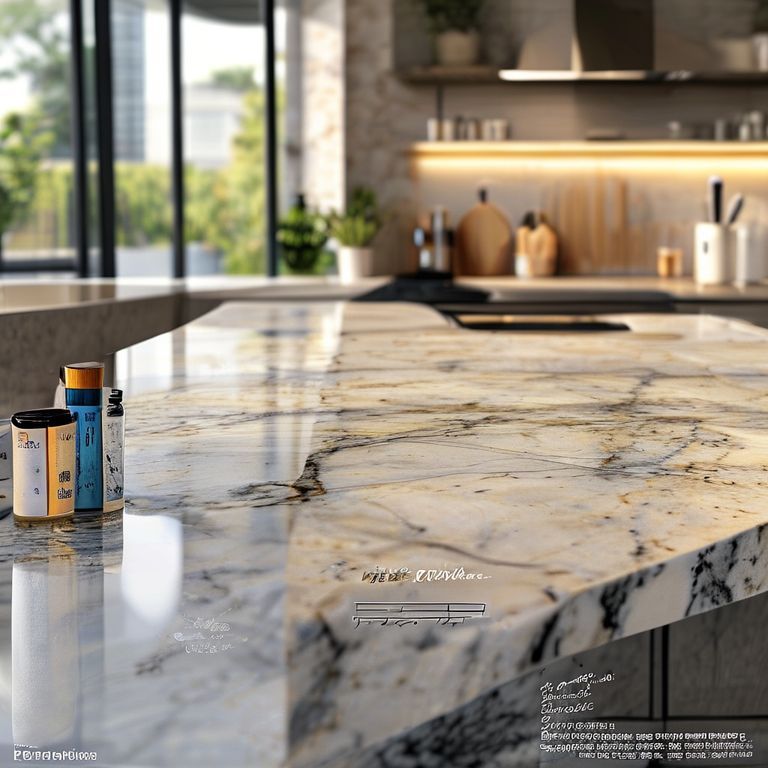
The thickness of a synthetic stone countertop significantly influences its durability. A thicker countertop generally provides greater resistance to scratches, chips, and impact. This is particularly beneficial in high-traffic areas like kitchens where spills, drops, and daily use can be common.
Optimal Thickness for Durability:
1.5 inches: This is the standard thickness for most synthetic stone countertops. It strikes a balance between durability and ease of installation. 2 inches: For areas that experience heavy use or require extra resilience, a thicker countertop can offer superior protection.
2. Installation and Worktop Stability
Thicker countertops offer better stability and reduce the likelihood of warping or bowing over time. This stability is essential for maintaining the integrity of your countertop and ensuring it sits flush with adjacent surfaces like cabinets and sinks.
Installation Considerations:
Thicker countertops are often easier to install because they provide a more stable base. However, it’s important to consider the weight and ensure your cabinetry and supporting structures can handle it. Thinner countertops (around 1 inch) are more flexible and easier to install under sinks or around corners, but they may not offer the same level of durability.
3. Aesthetic Appeal and Design Versatility
The thickness of your synthetic stone countertop can also affect its visual appeal. Thicker pieces can provide a more substantial and robust look, while thinner ones may offer a sleeker, more modern aesthetic.
Design Considerations:
Thick Countertops: Often chosen for their classic, substantial appearance. They are ideal for traditional or rustic styles. Thin Countertops: Perfect for contemporary and minimalist designs where a lightweight, clean look is desired.
Factors to Consider When Choosing the Thickness
When deciding on the optimal thickness for your synthetic stone countertop, several factors should guide your choice:
1. Usage Area
Different areas in your home may have different requirements. For instance:
Kitchens: Require a thicker countertop to withstand daily wear and tear. Bathrooms: Often use thinner countertops that blend seamlessly with sinks and other fixtures.
2. Weight and Structural Support
Thicker countertops are heavier. Ensure that your cabinetry and underlying structures can support the weight to avoid potential issues.
3. Budget
Thicker countertops may cost more due to the additional material and labor required for installation. Balance your budget with the desired durability and longevity.
4. Maintenance Requirements
Thicker pieces might be easier to maintain but could also present challenges in cleaning around the edges. Consider how easy it will be to clean and maintain your countertop on a daily basis.
Choosing the Right Thickness for Your Space
To choose the right thickness, it’s essential to evaluate the specific needs of your space. Here’s a step-by-step approach:
Assess the Usage: Determine the primary usage area. Is it a kitchen where spills and drops are frequent, or a bathroom where aesthetics are paramount? Consider Structural Support: Ensure your cabinets and supports can handle the weight of the chosen thickness. Balance Durability and Aesthetics: Decide whether you prioritize durability, functionality, or a sleek appearance. Consult Professionals: When in doubt, consult with countertop specialists who can provide expert advice tailored to your specific needs.
The Ultimate Guide to the Optimal Thickness of Countertops Made from Synthetic Stone
In the previous part, we explored the critical role of thickness in synthetic stone countertops, focusing on durability, installation, and aesthetic appeal. Now, we’ll delve deeper into how to make an informed decision for your specific needs, covering practical tips, maintenance, and long-term benefits.
Practical Tips for Choosing and Installing Synthetic Stone Countertops
1. Evaluate Your Space and Needs
Understanding your space and specific needs is the first step in choosing the right thickness. Here are some practical tips to guide you:
Kitchens:
High-Traffic Areas: Opt for a thicker countertop to handle frequent use and spills. Islands and Bar Counters: Consider a thickness of 2 inches for added durability. Corner Installations: Thinner pieces may be easier to fit around corners.
Bathrooms:
Vanity Tops: Thinner countertops (around 1 inch) can blend seamlessly with sinks and cabinets. Counters Under Sinks: Ensure the thickness allows for proper installation without protruding excessively. Counter Depth: Consider a thickness that provides adequate depth for holding toiletries and other items without being too bulky.
2. Consider Installation Challenges
When selecting the thickness of your synthetic stone countertop, installation complexity is a crucial factor:
Thicker Countertops:
Installation: Easier to install due to stability but may require more precise cutting and fitting. Weight: Heavier, so ensure your cabinetry and support structures can handle the load.
Thinner Countertops:
Installation: More flexible and easier to fit in tight spaces and around corners. Weight: Lighter, making it easier to handle during installation.
3. Maintenance and Cleaning
Maintenance should also factor into your decision on the thickness of your synthetic stone countertop:
Thicker Countertops:
Cleaning: Easier to clean but may be more challenging to clean around the edges and seams. Maintenance: Regular cleaning and sealing are essential to maintain the surface’s integrity.
Thinner Countertops:
Cleaning: Easier to clean around edges and seams but may require more frequent maintenance to prevent scratches and chips. Maintenance: Regular care is crucial to keep the surface looking pristine.
Long-Term Benefits of Choosing the Right Thickness
Choosing the optimal thickness for your synthetic stone countertop can offer several long-term benefits:
1. Longevity and Durability
The right thickness ensures that your countertop will last longer, providing durability against daily wear and tear. A thicker countertop can withstand heavy use and resist damage, while a thinner piece may require more frequent maintenance and repairs.
2. Aesthetic Consistency
A well-chosen thickness maintains the aesthetic consistency of your space. Whether you go for a sleek, modern look or a robust, traditional style, the thickness will play a significant role in achieving your desired design.
3. Value and Investment
Investing in a high-quality synthetic stone countertop with the appropriate thickness can add value to your home. Durable, well-maintained countertops enhance the overall aesthetic appeal and can increase your property’s market value.
Expert Advice and Final Recommendations
To ensure you make the best choice for your synthetic stone countertop, here are some final recommendations based on expert advice:
Consult Professionals: Seek advice from countertop specialists who can provide tailored recommendations based on your specific needs and space. Sample Testing: If possible, test different thicknesses on a small section to see how they perform in terms of durability and aesthetics. Long-Term Vision: Consider the long-term use and maintenance of your countertop. Choose a thickness that aligns with your vision for the space and its future needs. Budget Considerations: Balance your budget with the desired thickness. While a thicker countertop may offer more benefits, it could also come at a higher cost.
Conclusion
Choosing the optimal thickness for your synthetic stone countertop is a decision that impacts durability, installation, maintenance, and aesthetics. By understanding the factors that influence this choice and considering practical tips and expert advice, you can make an informed decision that enhances the functionality and beauty of your kitchen or bathroom.
In the next part, we will cover additional considerations such as color selection, installation techniques, and maintenance tips to ensure your synthetic stone countertop remains in pristine condition for years to come.
The Ultimate Guide to the Optimal Thickness of Countertops Made fromThe Ultimate Guide to the Optimal Thickness of Countertops Made from Synthetic Stone
In the previous part, we delved into the critical factors influencing the thickness of synthetic stone countertops, including practical tips for choosing and installing the right thickness, as well as long-term benefits. Now, we will expand on additional considerations such as color selection, installation techniques, and maintenance tips to ensure your synthetic stone countertop remains in pristine condition for years to come.
Color Selection and Aesthetic Integration
When selecting your synthetic stone countertop, color is a significant aspect that affects both the aesthetic appeal and the perceived thickness of the material. Here are some guidelines to help you choose the perfect color:
1. Match Existing Design
Consider the existing design elements of your kitchen or bathroom when choosing a color. A color that complements your existing decor will create a harmonious look. For instance:
Neutral Colors: Offer a timeless and versatile option that blends well with various styles. Bold Colors: Provide a striking focal point that can enhance the overall design.
2. Consider Light and Shade
The way light interacts with the countertop color can affect its appearance. Natural light and artificial lighting can alter the perceived color and thickness of your countertop. Test different colors under various lighting conditions before making a final decision.
3. Pattern and Texture
Synthetic stone comes in a variety of patterns and textures. Choose a pattern that complements the thickness of your countertop. For instance:
Uniform Colors: Often look best with thicker countertops. Bold Patterns: Can be stunning on both thick and thin countertops, but may require more careful installation.
Installation Techniques
Proper installation is crucial to ensure the longevity and appearance of your synthetic stone countertop. Here are some advanced installation techniques to consider:
1. Professional Installation
While DIY installation is possible, professional installation ensures precision and adherence to best practices. Professionals have the expertise to handle:
Cutting and Fitting: Ensures the countertop fits perfectly without gaps. Sealing and Finishing: Proper sealing and finishing protect the countertop from stains and scratches.
2. Adhesive Selection
Choosing the right adhesive is vital for a secure and long-lasting installation. Factors to consider include:
Type of Adhesive: Use a high-quality adhesive suitable for synthetic stone. Temperature and Humidity: Ensure the installation environment is suitable for the adhesive used.
3. Edge Treatment
The way the edges of your countertop are treated can significantly impact both the appearance and functionality. Options include:
Beveled Edges: Offer a clean, professional look. Bullnose Edges: Provide a smooth, rounded edge that is less likely to chip. Butt Joints: Simple but may require additional finishing for a seamless look.
Maintenance Tips
Proper maintenance is essential to keep your synthetic stone countertop looking its best. Here are some tips to ensure longevity:
1. Daily Cleaning
Use Appropriate Cleaners: Avoid abrasive cleaners and steel wool. Use a pH-neutral cleaner designed for synthetic stone. Immediate Cleaning: Wipe up spills immediately to prevent stains and damage.
2. Regular Sealing
Synthetic stone typically requires sealing to maintain its protective coating. Follow these guidelines:
Frequency: Reseal your countertop every 6-12 months, depending on usage. Application: Apply the sealer according to the manufacturer’s instructions.
3. Avoid Sharp Objects
Synthetic stone is durable, but it’s not immune to damage from sharp objects. Use cutting boards and placemats to protect the surface.
4. Temperature Control
Extreme temperatures can affect the integrity of synthetic stone. Avoid placing hot pots or pans directly on the surface.
Conclusion
Choosing the optimal thickness for your synthetic stone countertop involves a careful balance of durability, installation, maintenance, and aesthetics. By considering color selection, advanced installation techniques, and diligent maintenance, you can ensure that your countertop not only looks stunning but also withstands the test of time.
In summary, a well-chosen synthetic stone countertop can transform your kitchen or bathroom, providing a beautiful, durable, and low-maintenance surface that enhances your home’s overall appeal.
This comprehensive guide aims to provide you with all the information you need to make an informed decision when selecting and maintaining your synthetic stone countertop, ensuring it remains a beautiful and functional part of your home for years to come.