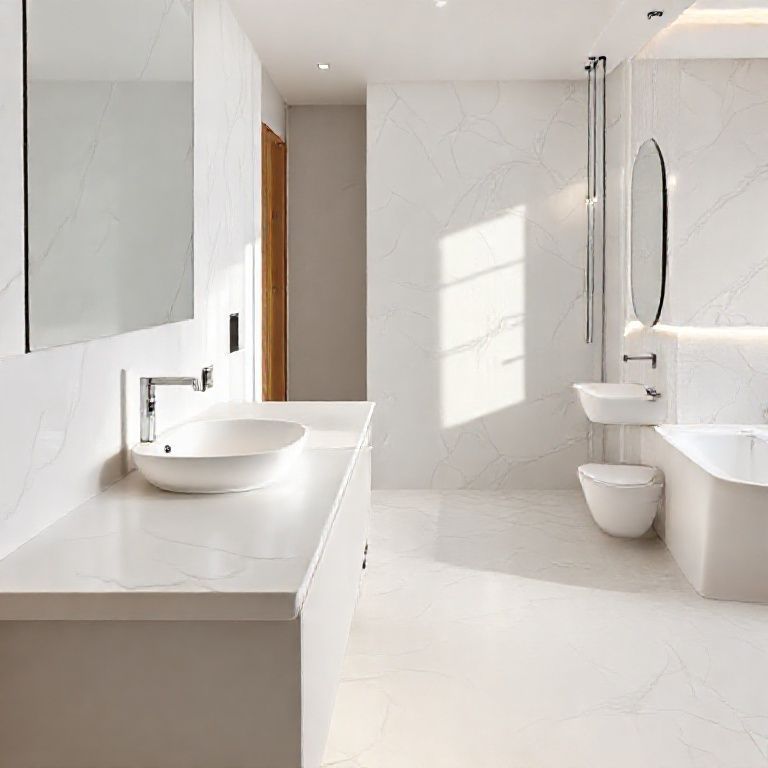
Understanding Marble Prices per Square Meter
When it comes to home improvement projects, one of the most significant decisions you will make is the choice of flooring material. Marble, with its timeless elegance and natural beauty, is a popular choice for many. However, understanding marble prices per square meter is crucial for budgeting and making an informed decision. Let’s delve into the various aspects that influence marble pricing and what you need to consider.
What is Marble?
Marble is a metamorphic rock composed primarily of calcium carbonate, often featuring beautiful patterns and colors. It is formed when limestone is subjected to high pressure and temperature, which alters its structure and creates its distinctive appearance. Marble is prized for its durability, natural beauty, and luxurious feel, making it an excellent choice for high-end flooring.
Factors Influencing Marble Prices per Square Meter
1. Marble Type
The type of marble you choose has a significant impact on its cost per square meter. There are several varieties of marble, each with unique characteristics and price ranges.
Italian Marble: Known for its high quality and stunning patterns, Italian marble such as Carrara and Bianco Antico is one of the most expensive due to its demand and the labor-intensive process required for extraction. Indian Marble: Varieties like Black Leopard and Imperial Red offer beautiful colors at a more affordable price compared to Italian marble. Chinese Marble: Known for its vibrant colors and patterns, Chinese marble such as White Jade and Royal Blue is a popular choice for those looking for high-quality marble at a reasonable cost.
2. Quality and Grade
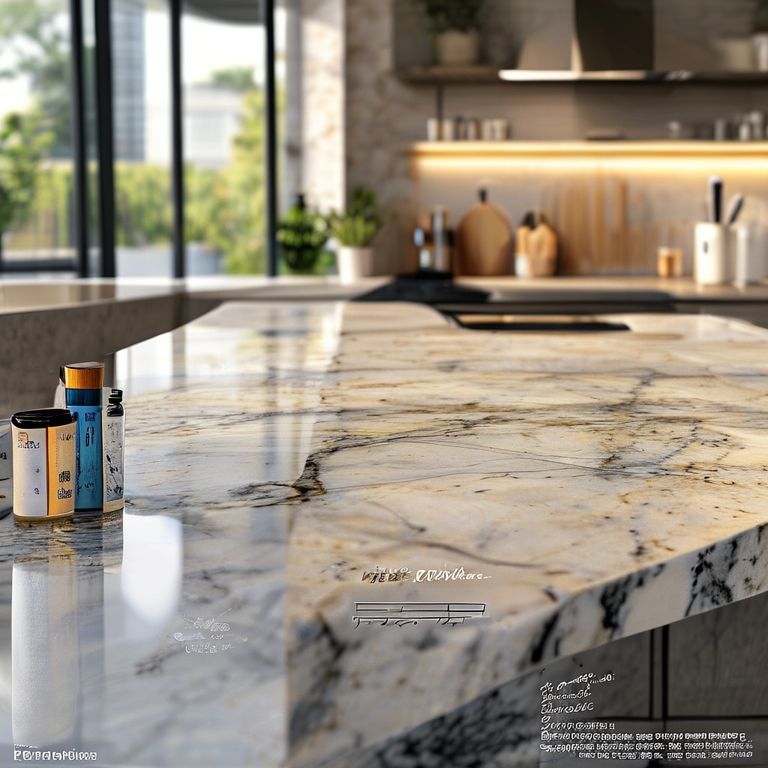
The quality and grade of the marble also play a crucial role in determining its price per square meter. Higher quality marble will naturally cost more due to its superior appearance, durability, and lower maintenance requirements.
3. Color and Pattern
Marble comes in a variety of colors and patterns, each with its unique appeal. Marbles with more intricate patterns or rare colors typically cost more. Unique or rare marbles like Black Marble or Pink Himalayan Marble are particularly expensive due to their scarcity.
4. Thickness and Size
The thickness and size of the marble slabs can also affect the price. Thicker slabs are more durable and require less replacement over time, which can make them more cost-effective in the long run. Larger slabs often come with economies of scale, meaning they may be cheaper per square meter than smaller pieces.
5. Installation Costs
The cost to install marble can significantly impact the overall price per square meter. Professional installation is recommended to ensure a seamless and long-lasting finish. The complexity of the installation process, including the type of adhesive used and the surface being installed on, will also affect the price.
6. Sourcing and Transportation
The cost of sourcing and transporting marble can vary widely based on its origin. Marble from distant locations like Italy or India will generally be more expensive due to higher transportation costs. Additionally, tariffs and import fees can add to the overall price.
Tips for Choosing Marble
1. Budget Wisely
While marble is a premium material, it’s essential to set a realistic budget. Consider the total area you need to cover and the cost per square meter to determine how much marble you can afford.
2. Consider Long-Term Value
Investing in high-quality marble can save you money in the long run due to its durability and low maintenance. While the upfront cost may be higher, the longevity of the marble can make it a more economical choice over time.
3. Consult with Professionals
Consulting with flooring professionals or marble specialists can provide valuable insights into the best choices for your space. They can offer advice on selecting the right type of marble, estimating costs, and planning the installation process.
4. Look for Deals and Discounts
Sometimes, marble suppliers offer discounts, especially for bulk purchases or during seasonal sales. Be sure to shop around and compare prices to get the best deal.
Marble Installation and Maintenance
Once you have selected the perfect marble for your project, the next steps involve installation and maintenance to ensure its longevity and beauty. Proper installation and regular maintenance will help your marble flooring maintain its elegance and durability for years to come.
Installation Process
1. Preparation
Before installation, it’s crucial to prepare the surface where the marble will be laid. This includes cleaning, leveling, and ensuring that the subfloor is dry and stable. Any unevenness or moisture in the subfloor can lead to installation issues and potential damage to the marble.
2. Choosing the Right Adhesive
The type of adhesive used during installation can significantly affect the longevity and appearance of the marble flooring. High-quality, flexible adhesives are recommended to accommodate any minor movements or shifts in the subfloor. It’s essential to choose an adhesive that is suitable for the specific type of marble and the climate conditions of your area.
3. Laying the Marble
Laying marble slabs requires precision and expertise. The process typically involves:
Cutting: Marble slabs must be cut to fit the specific dimensions of the area. Precision cutting is essential to ensure a seamless and professional finish. Laying: Marble slabs are carefully placed on the adhesive, ensuring proper alignment and spacing. Professionals use specialized tools to ensure even spacing and alignment. Grouting: Once the marble is laid, a grout is applied to fill the spaces between the slabs. High-quality grout that matches the marble color is essential for a cohesive look.
4. Sealing
Sealing the marble is crucial to protect it from stains, spills, and daily wear. A high-quality sealant will enhance the marble’s natural beauty and provide a protective barrier. It’s important to follow the manufacturer’s instructions for the best results.
Maintenance Tips
1. Regular Cleaning
Regular cleaning is essential to maintain the beauty and longevity of marble flooring. Use a mild, pH-neutral cleaner to avoid damaging the marble’s surface. Avoid using acidic or abrasive cleaners that can etch the marble.
2. Immediate Stain Removal
Stains on marble should be addressed immediately to prevent them from setting in. Use a marble cleaner or a mixture of water and vinegar to remove spills and stains promptly.
3. Periodic Sealing
Re-sealing the marble every 6 to 12 months is recommended to maintain its protective barrier. This will help prevent stains and enhance the marble’s natural luster.
4. Avoid Excessive Heat
Marble can be affected by excessive heat, which can cause it to expand and crack. Avoid placing hot items directly on the marble surface and use trivets or heat-resistant pads for cooking appliances.
5. Regular Inspection
Regular inspection of the marble flooring can help identify any potential issues early on. Look for signs of grout damage, shifting tiles, or any areas that may need re-sealing.
Conclusion
Understanding marble prices per square meter is essential for anyone planning to install marble flooring. By considering factors such as type, quality, color, thickness, installation costs, and sourcing, you can make an informed decision that fits your budget and meets your aesthetic goals. Proper installation and regular maintenance will ensure that your marble flooring remains beautiful and durable for years to come. With the right knowledge and care, your marble flooring will be a stunning addition to your home.
By breaking down the comprehensive details of marble pricing and maintenance into two parts, this guide provides valuable information for anyone considering marble flooring for their home improvement projects.