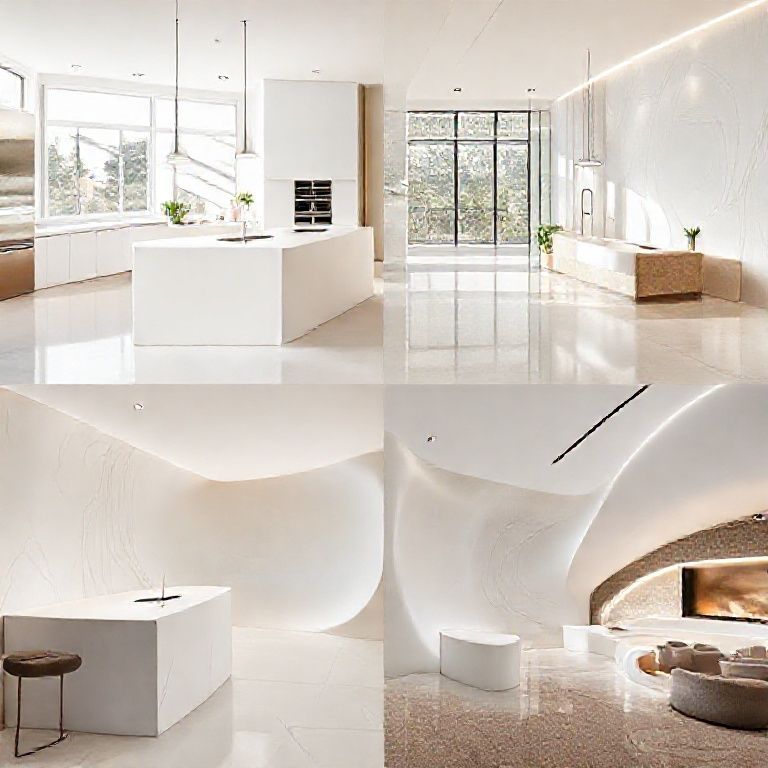
The Ultimate Guide to Understanding the Cost of Artificial Marble Per Square Foot
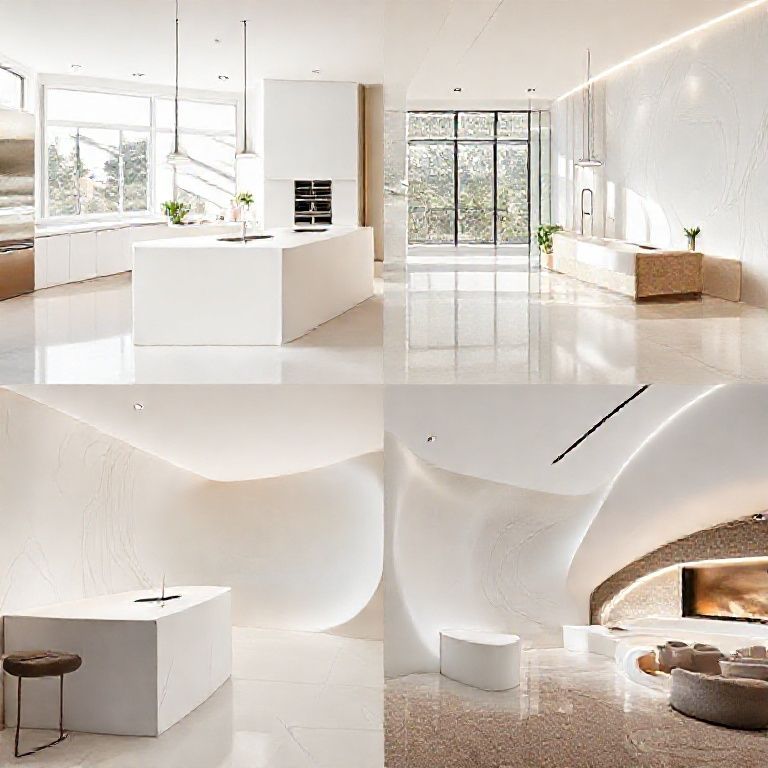
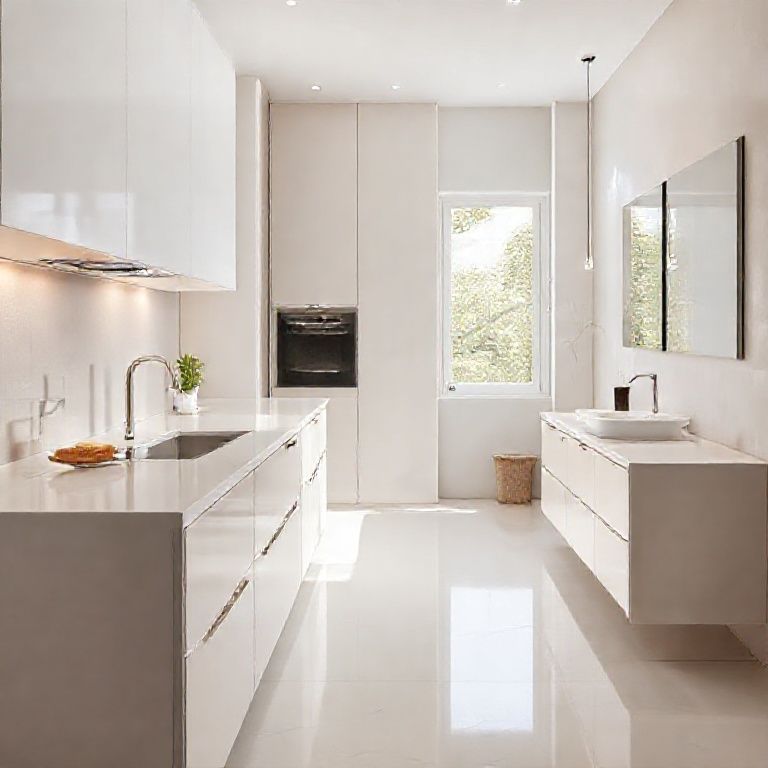
Artificial marble has become one of the most popular choices for luxury home and commercial renovations. Known for its durability, beauty, and ease of maintenance, artificial marble offers a unique blend of style and functionality. However, one of the most common questions that arise when considering this exquisite material is: “How much does artificial marble cost per square foot?”

Understanding Artificial Marble
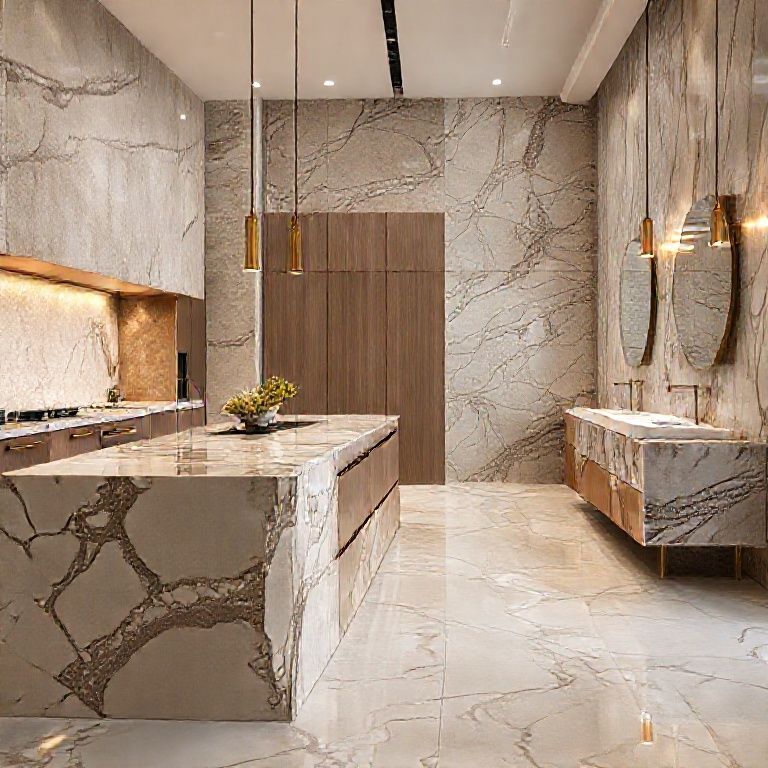
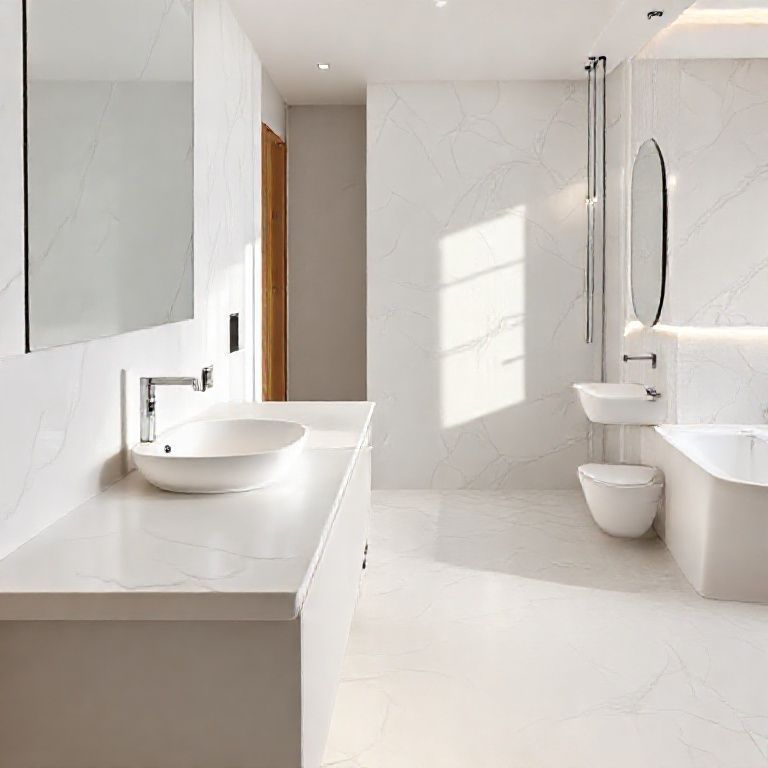
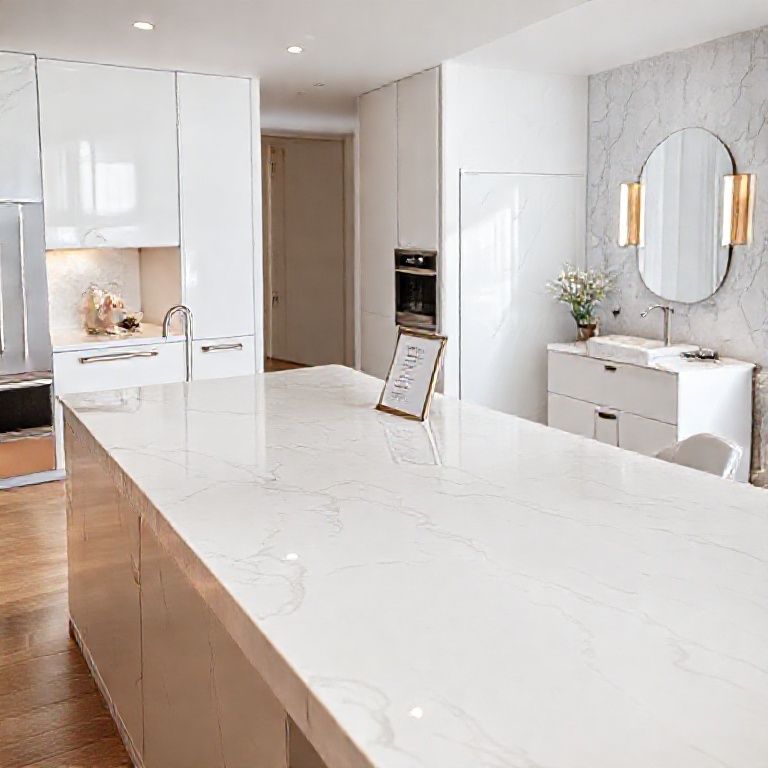
Artificial marble, also known as engineered stone, is a composite material made from natural stone powders and a resin binder. This innovative material is designed to mimic the look and feel of traditional marble while providing superior strength and resistance to scratches, stains, and thermal damage.
Benefits of Artificial Marble
Durability: Unlike natural marble, artificial marble doesn’t suffer from the same issues as natural stone. It is highly resistant to scratches, stains, and thermal damage, making it a more durable option for high-traffic areas.
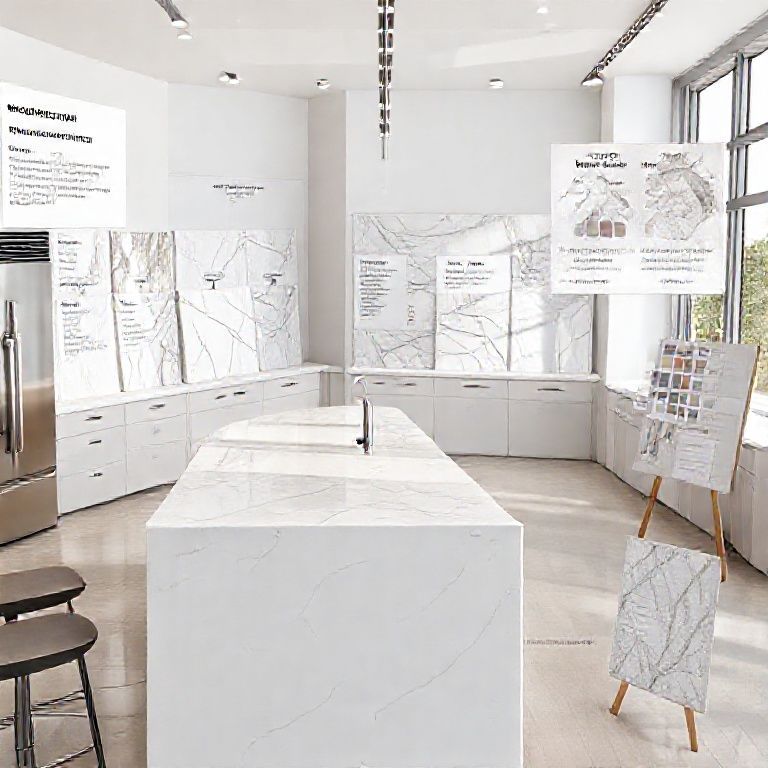
Aesthetic Appeal: Artificial marble comes in a wide range of colors and patterns, allowing for extensive customization. It can perfectly replicate the look of traditional marble while offering unique designs that aren’t possible with natural stone.
Cost-Effective: Due to its manufacturing process, artificial marble is generally more affordable than natural marble. This makes it an attractive option for both residential and commercial projects.
Ease of Maintenance: Cleaning artificial marble is a breeze. A simple wipe with a damp cloth and mild soap is often sufficient to keep it looking pristine.
Low Maintenance: Unlike natural stone, artificial marble doesn’t require sealing to maintain its appearance and durability.
Factors Affecting the Cost of Artificial Marble Per Square Foot
The cost of artificial marble can vary based on several factors, including:
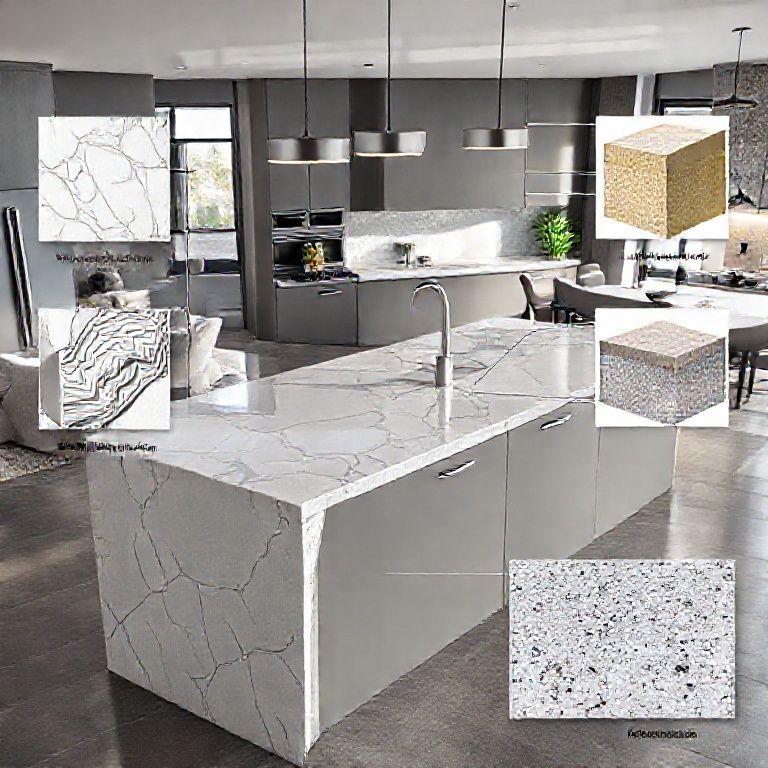
Design and Color: Custom designs and unique colors can increase the cost per square foot. Higher-end designs and exclusive colors usually come at a premium price.
Quality of Material: The quality of the resin and stone powder used in the manufacturing process can significantly affect the price. Higher-quality materials generally result in a higher cost.
Installation: Professional installation can add to the overall cost. The complexity of the installation process, including the preparation of the surface and the type of adhesive used, can affect pricing.
Surface Area: The size of the area being covered is a direct factor. Larger installations will naturally cost more per square foot than smaller ones.
Labor Costs: Labor costs can vary depending on the region and the complexity of the project.
Average Cost of Artificial Marble Per Square Foot
On average, the cost of artificial marble per square foot ranges from $15 to $50. Here’s a more detailed breakdown:
Basic Designs: Simple, standard designs typically range from $15 to $25 per square foot.
Mid-Range Designs: For designs that offer more intricate patterns or custom colors, the cost can range from $25 to $35 per square foot.
High-End Designs: Exclusive designs and rare colors can cost between $35 and $50 per square foot.
Comparing Artificial Marble to Other Materials
Artificial Marble vs. Natural Marble
Natural marble is renowned for its timeless beauty and elegance. However, it comes with a significant cost and maintenance challenge. Natural marble can range from $40 to $100 per square foot and requires regular sealing and professional maintenance to maintain its luster and durability.
Artificial Marble vs. Granite
Granite is another popular choice for countertops and surfaces. While it offers durability and a range of colors, it typically ranges from $20 to $50 per square foot. However, like natural marble, it requires sealing and regular maintenance.
Artificial Marble vs. Quartz
Quartz, known for its durability and low maintenance, generally costs between $20 and $40 per square foot. While it’s a cost-effective option, it doesn’t offer the same level of aesthetic versatility as artificial marble.
Conclusion
Artificial marble stands out as a cost-effective, durable, and low-maintenance alternative to natural marble, granite, and quartz. With its wide range of colors and designs, it offers both beauty and functionality, making it an excellent choice for luxury home and commercial renovations. Understanding the factors that influence the cost per square foot can help you make an informed decision and ensure a beautiful, long-lasting finish for your project.
The Ultimate Guide to Understanding the Cost of Artificial Marble Per Square Foot
In this second part of our comprehensive guide, we will delve deeper into the specifics of installing artificial marble and explore additional considerations to help you plan your project effectively.
Installation Process and Considerations
Types of Installation
Glue-Down Installation: This method involves applying an adhesive to the surface and then placing the artificial marble slabs. It’s suitable for most flat surfaces and is a relatively straightforward process.
Screw-Down Installation: This method is used for larger installations where additional stability is required. Screws are used to secure the slabs to the surface, providing extra durability.
Tile Installation: For smaller projects or intricate designs, tiles can be used. This method requires precise cutting and placement, often using a tile cutter.
Preparation and Surface Requirements
Proper preparation of the surface is crucial for a successful installation. Here are some key steps:
Surface Cleaning: Ensure the surface is clean, dry, and free of any grease or debris. A thorough cleaning will help the adhesive bond better.
Surface Leveling: The surface should be level and smooth. Any uneven areas should be leveled before installation to prevent issues with the final finish.
Moisture Control: Ensure the surface is dry. Moisture can affect the adhesive’s performance and lead to installation problems.
Choosing the Right Adhesive
Selecting the right adhesive is essential for a successful installation. Here are some considerations:
Type of Adhesive: Choose an adhesive suitable for the type of surface and the specific requirements of the project. High-quality adhesives offer better bonding and durability.
Temperature and Humidity: The installation environment’s temperature and humidity should be considered. Some adhesives perform better in specific environmental conditions.
Application Method: Depending on the adhesive, different application methods may be required. Some adhesives can be applied using a notched trowel, while others may require a different technique.
Customizing Your Artificial Marble Project
Artificial marble offers unparalleled customization options. Here’s how you can tailor your project to meet your specific needs:
Color and Design
Custom Colors: Artificial marble can be colored to match any specific requirement. Custom colors can be developed to match existing décor or to create a unique look.
Custom Patterns: From intricate floral designs to bold geometric patterns, the possibilities are endless. Working with a reputable manufacturer can help you achieve your desired design.
Custom Shapes and Sizes
Cutting Options: Artificial marble can be cut to any size and shape. This flexibility allows for bespoke pieces that fit perfectly into your space.
Edge Profiles: Different edge profiles, such as beveled, honed, or chamfered, can be created to suit your aesthetic preferences.
Budgeting for Your Project
Planning a budget for your artificial marble project is crucial for ensuring a smooth installation process. Here’s how to approach it:
Initial Cost Estimates
Material Cost: As mentioned earlier, the cost of artificial marble per square foot ranges from $15 to $50. Consider the total area you’re covering to get an accurate estimate.
Installation Cost: Professional installation can add to the overall cost. Get quotes from multiple installers to compare prices and services.
Additional Costs: Don’t forget to include additional costs such as shipping, taxes, and any custom design fees.
Managing Your Budget
Prioritize Your Needs: Determine which aspects of the project are most important to you. Whether it’s the material quality, design, or installation, prioritizing these aspects can help manage your budget effectively.
Flexible Budgeting: Allow some flexibility in your budget to accommodate unexpected costs or changes in design.
Long-Term Savings: While artificial marble may have a higher upfront cost compared to some materials, its durability and low maintenance can result in long-term savings.
Maintenance and Longevity
Artificial marble is known for its low maintenance and longevity. Here’s how to ensure your installation remains beautiful and durable:
Cleaning and Maintenance
Regular Cleaning: Use a soft cloth and mild soap to clean artificial marble surfaces. Avoid using abrasive cleaners or scrubbers that can scratch the surface.
Stain Prevention: While artificial marble is resistant to stains, it’s important to clean up spills immediately to prevent any potential discoloration.
Periodic Inspection: Regularly inspect the installation for any signs of wear or damage. Minor repairs can prevent more significant issues down the line.
人造大理石的安装步骤
1. 表面准备
清洁表面:使用中性清洁剂和水彻底清洁表面,确保没有油脂、灰尘或其他杂质。
修整表面:如果表面不平或有凹凸不平的地方,使用砂纸或切割工具进行修整,使表面尽可能光滑平整。
检查湿度:确保表面的湿度适中,过于潮湿或干燥都会影响胶水的粘合效果。
2. 选择胶水
胶水类型:选择专门用于人造大理石的胶水。常见的胶水种类有水基胶和热熔胶,根据具体情况选择。
胶水粘性:确保选择的胶水具有足够的粘性和耐久性,能够在长时间内保持牢固的粘合。
环保性:选择低VOC(挥发性有机化合物)或无VOC的环保型胶水,以减少对环境和人体的危害。
3. 胶水应用
均匀涂抹:使用滚筒或海绵将胶水均匀涂抹在表面上。注意涂抹的厚度,不要过厚或过稀。
等待时间:根据胶水说明书,等待适当的时间使胶水略微干燥,但仍保持柔软的状态。
4. 放置和调整
放置大理石:将人造大理石小心地放置在胶水上,并用压条或压轴器压紧,确保胶水与大理石表面充分接触。
调整位置:在胶水完全固化之前,可以微调大理石的位置,确保其与其他部分对齐。
5. 固化和修整
等待固化:胶水需要一定时间才能完全固化,根据胶水说明书,等待所需的时间。
修整边缘:在胶水完全固化后,使用砂纸或切割工具修整边缘,使其更加平整美观。
人造大理石的优势
1. 高耐用性
人造大理石因其高密度和强度,对于划痕、污渍和热损伤有极高的耐受性。这使得它非常适合用于厨房、浴室等高频使用的区域。
2. 多样化设计
由于人造大理石可以模拟多种天然大理石和石材的纹理和颜色,它能够满足各种设计需求,从简约现代到豪华古典,提供无限的创意空间。
3. 低维护
相比天然大理石,人造大理石的清洁和维护更为简单。只需用湿布轻轻擦拭,就可以保持其光洁如新。
4. 环保健康
现代人造大理石通常采用环保材料制成,不含有害物质,对人体和环境都更加友好。
5. 经济实惠
尽管人造大理石的初始成本可能高于一些低端材料,但其长久的使用寿命和低维护成本使得它在总体上更为经济实惠。
结论
人造大理石是一种优质、耐用且美观的材料,适用于多种室内装修项目。了解其安装步骤、优点以及成本,可以帮助你做出最佳的选择,从而实现理想的装修效果。如果你有任何具体的问题或需要进一步的建议,请随时提问。