Unveiling Acrylic and Corian
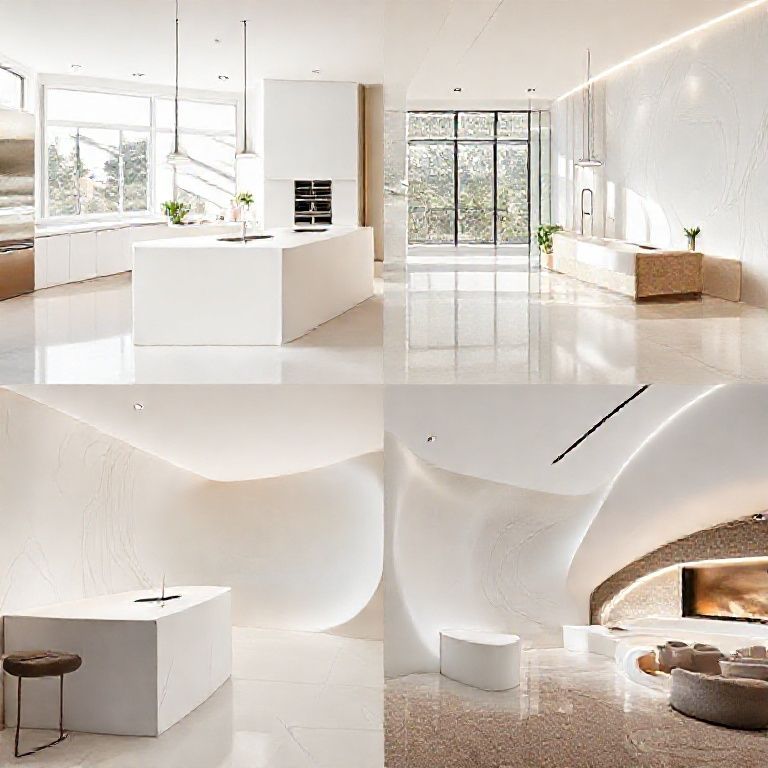
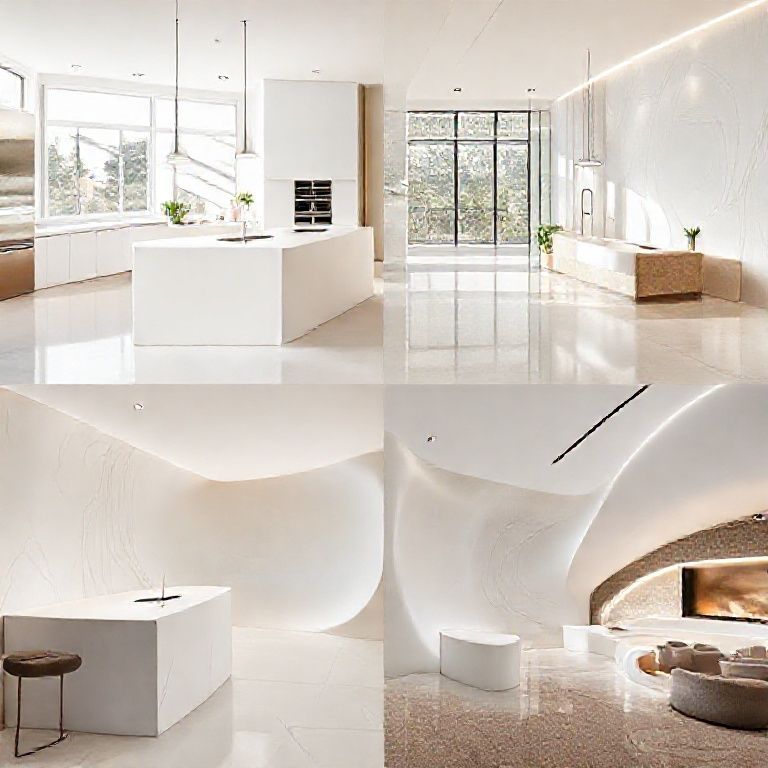
In the realm of modern materials, Acrylic and Corian stand out as two of the most popular synthetic stone options. Both materials have revolutionized the way we approach design, construction, and renovation, offering a blend of durability, aesthetics, and functionality. However, despite their similarities, there are key differences between Acrylic and Corian that can make all the difference in your choice of material for your next project.

Material Composition
Acrylic is a type of polymer made from acrylic acid or acrylates. It’s a versatile material that can be molded into various shapes and forms. Acrylic is often used for crafting items that require a high degree of transparency and light diffusion. When it comes to synthetic stone, Acrylic is typically mixed with various pigments and fillers to achieve the desired color and texture.
Corian, on the other hand, is a brand name of a type of solid surface material that is composed of acrylic resin and a variety of other materials including quartz, calcium carbonate, and silica. It’s produced by the manufacturer DuPont and is renowned for its exceptional strength, durability, and aesthetic appeal.
Durability and Strength
One of the main differences between Acrylic and Corian lies in their durability. Corian is known for its remarkable strength and resistance to scratches, stains, and heat. It boasts a high-impact resistance, meaning it can withstand significant force without breaking. This makes Corian an excellent choice for high-traffic areas such as kitchens and bathrooms.
Acrylic, while durable, is generally more prone to scratches compared to Corian. However, high-quality acrylic surfaces can still offer impressive durability and are often used in applications where aesthetics are prioritized over extreme toughness.
Maintenance
Maintenance is a crucial factor when choosing between Acrylic and Corian. Corian’s smooth, non-porous surface makes it incredibly easy to clean. It’s resistant to most chemicals, stains, and bacteria, which means that daily cleaning tasks such as wiping down kitchen countertops and bathroom surfaces are a breeze. Its non-porous nature also means that spills do not seep into the material, reducing the risk of long-term staining.
Acrylic surfaces, while still relatively easy to clean, can be more susceptible to scratches and stains. Regular cleaning with appropriate non-abrasive cleaners is essential to maintain the surface’s appearance. Additionally, because Acrylic can be more prone to staining, it’s important to address spills promptly to prevent long-term damage.
Aesthetic Appeal
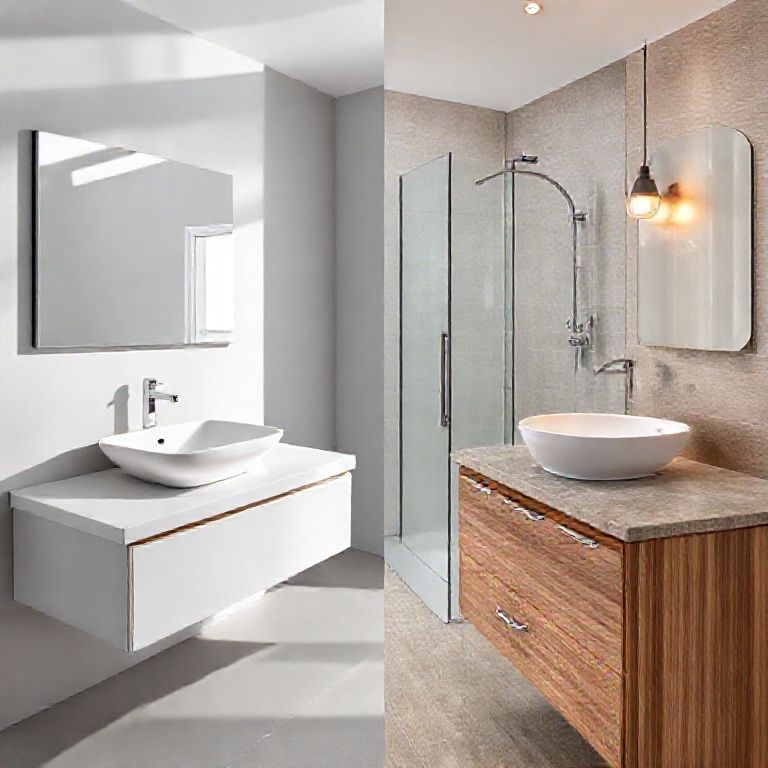
Both Acrylic and Corian offer a wide range of color options and finishes, making them versatile choices for various design applications. However, their aesthetic qualities can differ based on how they are processed and finished.
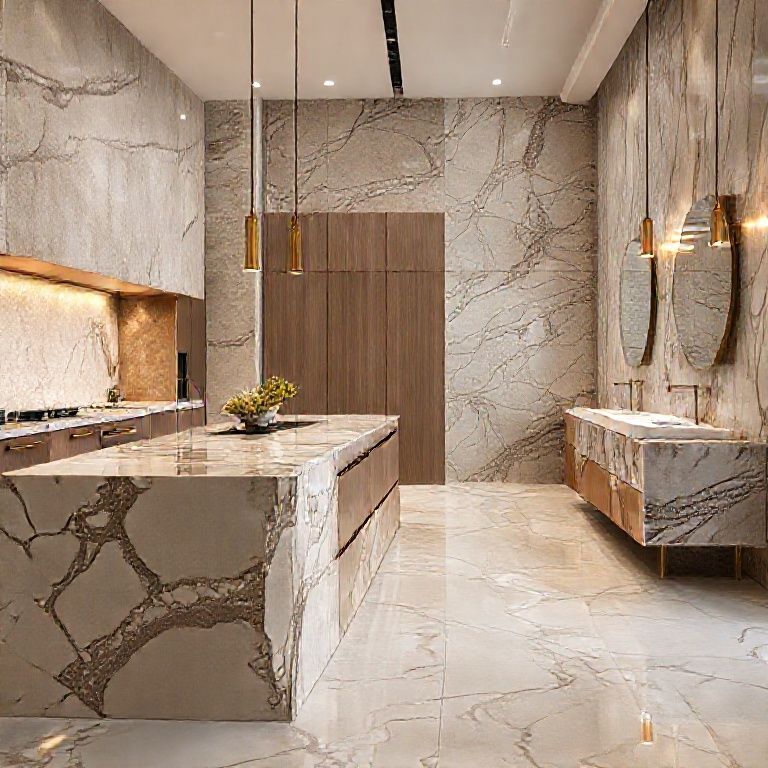
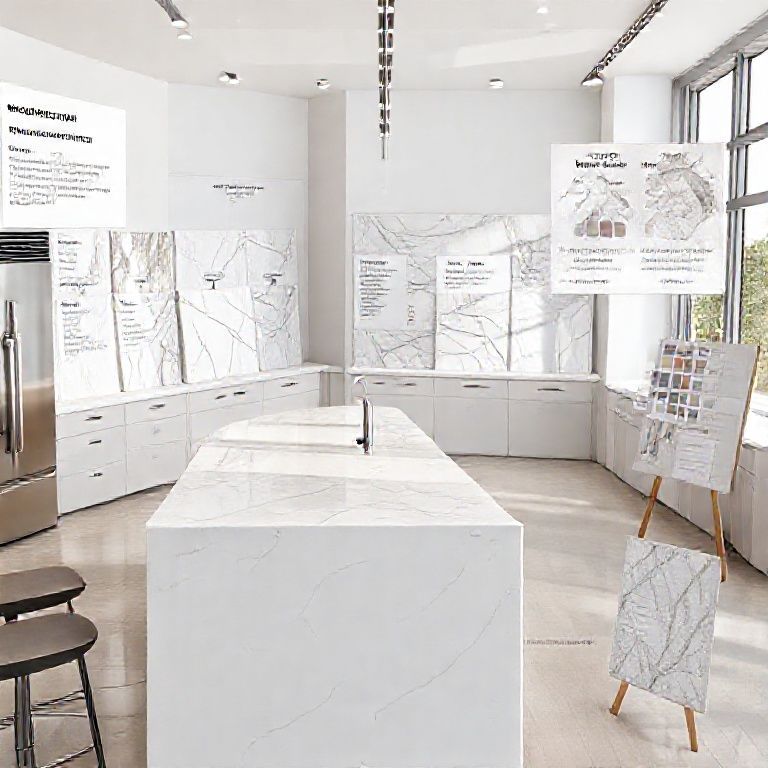
Corian’s aesthetic appeal is largely due to its high-quality acrylic resin base combined with advanced manufacturing techniques that allow for intricate designs and a smooth, seamless finish. It can mimic the look of natural stone, wood, and metal, making it a popular choice for those who want a natural look without the maintenance issues.
Acrylic, on the other hand, can also offer a wide array of colors and textures, but its appearance can sometimes be less consistent due to variations in the mixing process. High-quality Acrylic products can certainly match the aesthetic of Corian, but the latter often excels in achieving a polished, seamless finish.
Applications
Understanding where to use Acrylic versus Corian can help you make an informed decision based on your specific needs. Here’s a look at some common applications for each material:
Acrylic:
Bathroom Fixtures: Acrylic is often used for bathtubs, showers, and other fixtures where durability and aesthetic appeal are important. Lighting Fixtures: Its transparency and ability to diffuse light make Acrylic a popular choice for decorative lighting. Signage: Acrylic’s ability to maintain a vibrant color and its transparency make it ideal for creating eye-catching signs and displays.
Corian:
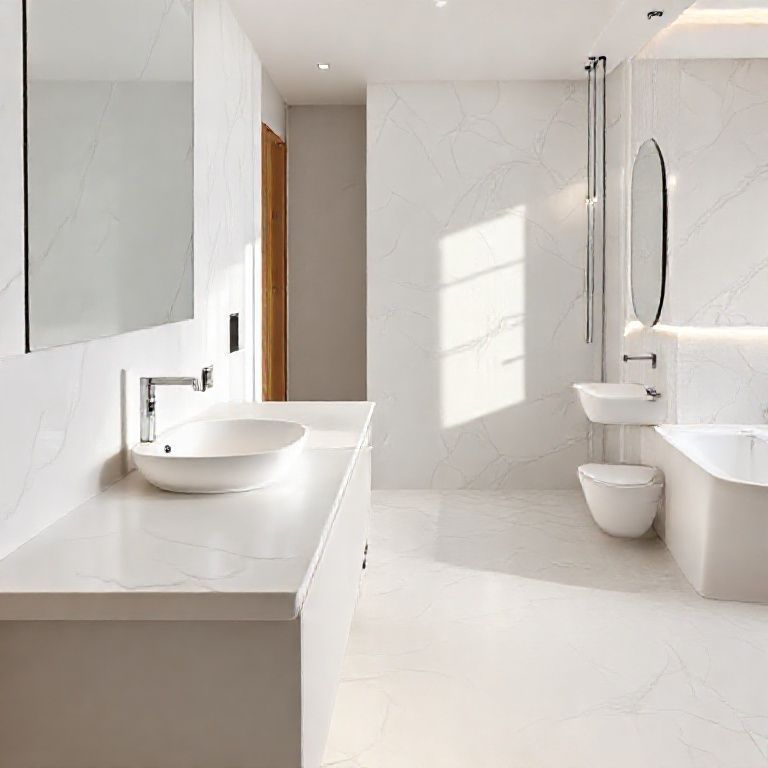
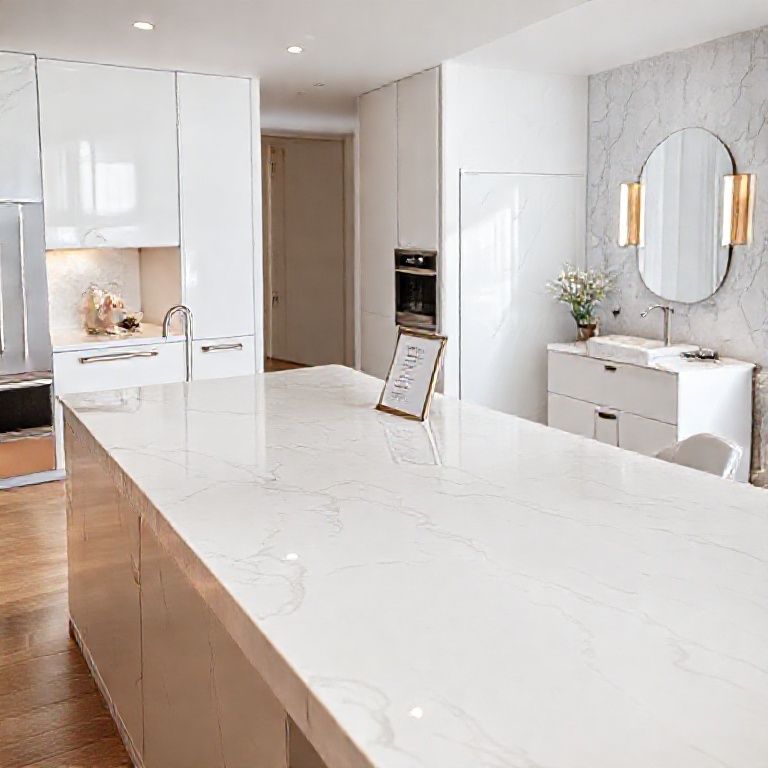
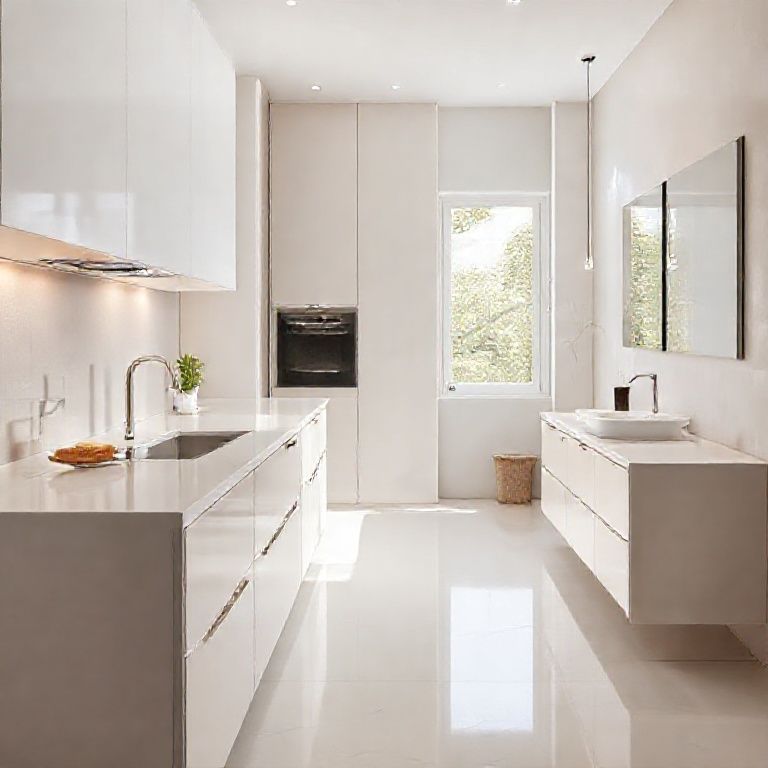
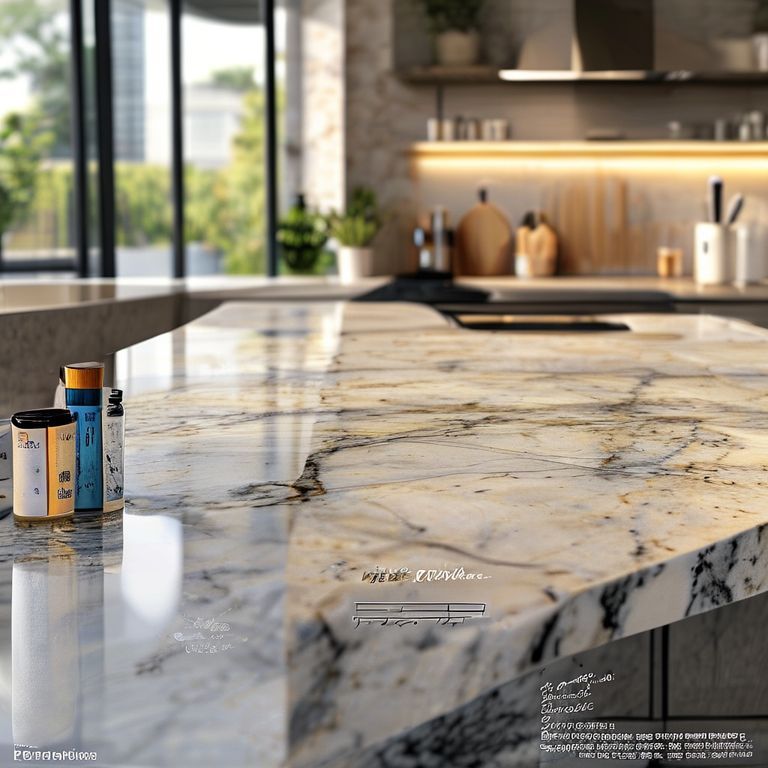
Kitchen Countertops: Corian’s durability, strength, and ease of cleaning make it a top choice for kitchen countertops. Bathroom Vanities and Walls: Its resistance to moisture and stains makes it perfect for bathroom surfaces. Workstations and Laboratory Benches: Corian’s durability and chemical resistance make it suitable for high-use areas like workstations and lab benches.
Cost Considerations
The cost of Acrylic and Corian can vary widely based on the quality, complexity of the design, and the amount of material required. Generally, Corian tends to be more expensive due to its higher-quality resin and manufacturing processes. However, its durability and low maintenance can make it a cost-effective choice in the long run.
Acrylic, while often more affordable, may require more frequent replacement or maintenance, which could add to the overall cost over time.
Conclusion
When deciding between Acrylic and Corian, it’s essential to consider the specific requirements of your project, including durability, maintenance, aesthetic appeal, and cost. While both materials offer unique benefits, understanding their differences can help you make an informed decision that best suits your needs. Whether you’re designing a high-traffic kitchen or a luxurious bathroom, both Acrylic and Corian have much to offer in terms of modern material innovation.
The Future of Acrylic vs. Corian
Having explored the fundamental differences between Acrylic and Corian, we now delve deeper into the future of these materials. As technology advances and design trends evolve, both Acrylic and Corian continue to push the boundaries of what’s possible in the world of synthetic stone.
Innovations in Material Science
Material science is a rapidly evolving field, and both Acrylic and Corian are at the forefront of innovation. Manufacturers are constantly experimenting with new formulations, additives, and manufacturing techniques to enhance the properties of these materials.
For Corian, ongoing research focuses on improving its strength, chemical resistance, and aesthetic versatility. New formulations are being developed to offer even more color options and finishes, as well as to reduce the environmental impact of production.
Acrylic manufacturers are also innovating, working on formulations that offer better durability and more consistent aesthetic results. Advances in 3D printing and other manufacturing technologies are allowing for more intricate designs and custom shapes, expanding the potential applications of Acrylic.
Sustainability
Sustainability is becoming an increasingly important consideration for both consumers and manufacturers. Acrylic and Corian offer unique advantages in this area.
Corian’s durability means that it can last for many years with minimal maintenance, reducing the need for frequent replacements and contributing to a lower environmental footprint over time. Its non-porous surface also means it doesn’t absorb harmful chemicals, making it a safer choice for indoor environments.
Acrylic can also be produced in a more sustainable manner, particularly when using recycled materials. Innovations in recycling processes are helping to reduce the environmental impact of Acrylic production, making it a more eco-friendly option in the future.
Design Trends
Design trends are continually shifting, and both Acrylic and Corian are adapting to meet the evolving needs of designers and homeowners.
Corian’s ability to mimic the look of natural materials like stone and wood while offering superior durability and maintenance benefits makes it a popular choice for minimalist and modern design trends. Its versatility allows designers to create unique and custom pieces that can enhance the aesthetic appeal of any space.
Acrylic’s transparency and ability to diffuse light make it ideal for creating innovative and eye-catching designs. Its use in lighting fixtures, signage, and custom architectural elements is growing as designers seek to incorporate more dynamic and visually striking elements into their projects.
Future Applications
The future of Acrylic and Corian is likely to see even broader applications in various industries beyond just construction and interior design.
In healthcare, both materials are being explored for use in hospital settings where durability, cleanliness, and resistance to chemicals are critical. Corian’s strength and low maintenance make it an excellent choice for countertops, sinks, and other surfaces in medical facilities.
In the automotive and aerospace industries, Acrylic’s lightweight and durable properties are being harnessed for use in creating high-performance parts and components.
Conclusion
The future of Acrylic and Corian is bright, with ongoing innovations in material science, sustainability, and design trends driving their evolution. As both materials continue to improve in terms of durability, aesthetic appeal, and environmental impact, they are likely to remain at the forefront of synthetic stone technology.
When choosing between Acrylic and Corian, it’s essential to consider the specific needs of your project, including the desired aesthetic, durability, maintenance requirements, and budget. Both materials offer unique benefits and can be excellent choices for a wide range of applications.
By understanding the differences and advantages of Acrylic and Corian, you can make an informed decision that best suits your needs, whether you’re designing a modern kitchen, a luxurious bathroom, or a high-tech workspace.
In conclusion, both Acrylic and Corian represent the cutting edge of synthetic stone technology, offering a blend of durability, aesthetics, and functionality that continues to revolutionize the world of design and construction.