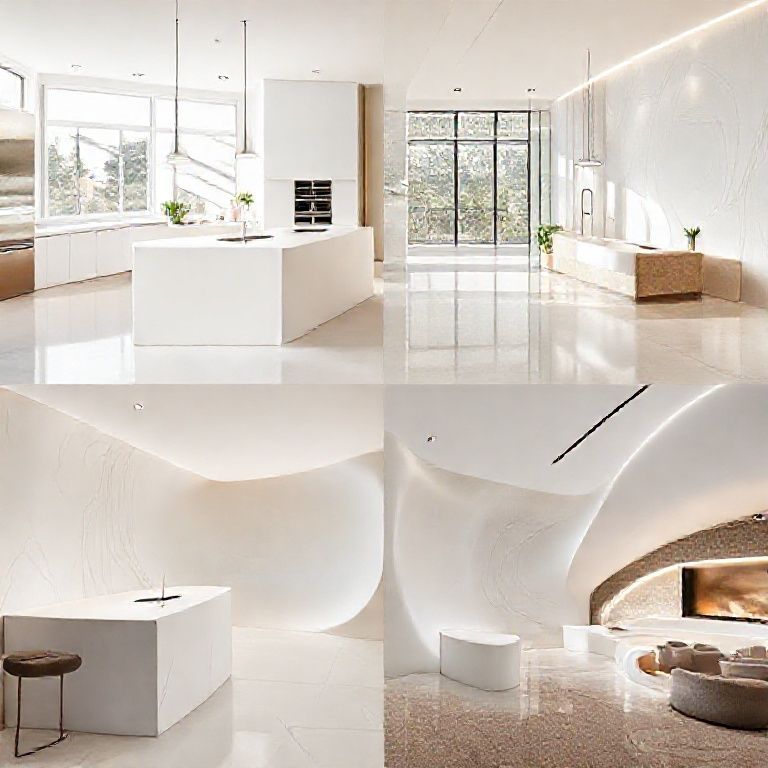
Corian vs Artificial Stone: An In-Depth Look
Introduction:
When it comes to selecting the perfect countertop for your kitchen or bathroom, the choices can be overwhelming. Among the plethora of options, two materials often stand out for their impressive qualities: Corian and Artificial Stone. Both materials have carved a niche in the world of high-end countertops, offering unique benefits that cater to various design needs. This article explores the intricate details that set Corian and Artificial Stone apart, focusing on their material composition, durability, aesthetic appeal, and maintenance.

Material Composition:
Understanding the fundamental differences in material composition is crucial for grasping why Corian and Artificial Stone are favored in different contexts.
Corian:
Corian is a type of solid surface material made from a unique blend of acrylic resins and other high-performance polymers. This material is engineered to create a homogeneous, seamless surface that is both strong and versatile. Corian’s primary advantage lies in its consistent, uniform appearance, which can be customized to mimic various natural materials, from wood to stone.
Artificial Stone:
Artificial Stone, often referred to as cultured stone, is a composite material made from natural marble or limestone powder, resin, and pigments. This combination creates a material that closely resembles natural stone while offering greater durability and ease of maintenance. Unlike natural stone, artificial stone can be molded into various shapes and sizes, making it highly adaptable for custom designs.
Durability and Strength:
Both Corian and Artificial Stone boast impressive durability, but they excel in different ways.
Corian:
Corian is renowned for its scratch resistance and resilience to impact. The material’s dense, uniform structure makes it highly resistant to scratches, stains, and dents. This durability makes Corian an excellent choice for high-traffic areas where wear and tear are a concern. Moreover, Corian is resistant to most household chemicals, including bleach and detergents, which helps maintain its pristine appearance over time.
Artificial Stone:
Artificial Stone offers a unique blend of durability and aesthetic appeal that mirrors natural stone. While it is not as scratch-resistant as Corian, its resilience to impact and compression is notable. Artificial Stone can withstand significant weight and pressure, making it suitable for areas where heavy use is expected. However, it is more susceptible to staining compared to Corian. To mitigate this, artificial stone surfaces often require a sealant to protect against discoloration.
Aesthetic Appeal:
The visual allure of Corian and Artificial Stone sets them apart in the realm of countertop design.
Corian:
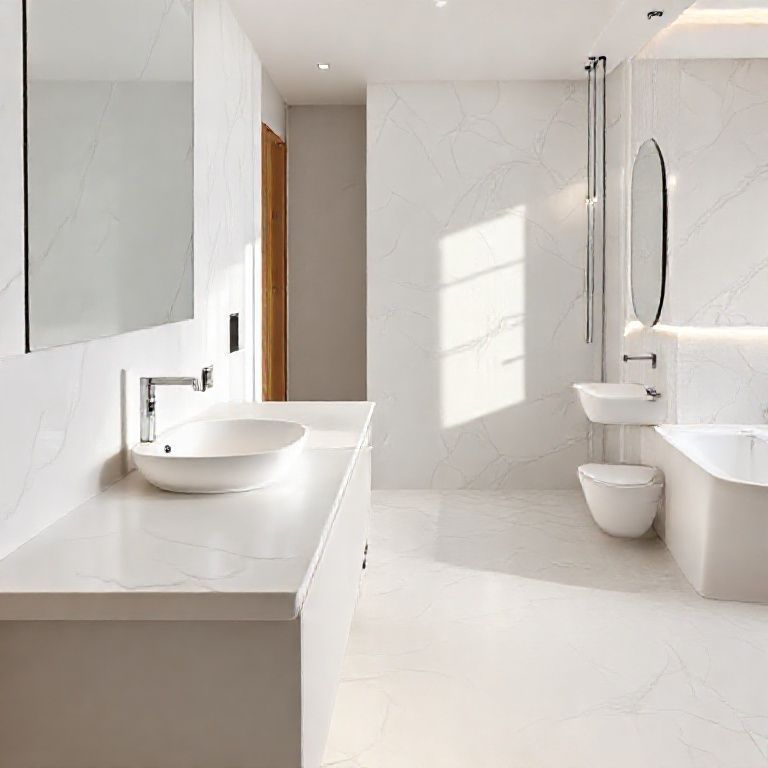
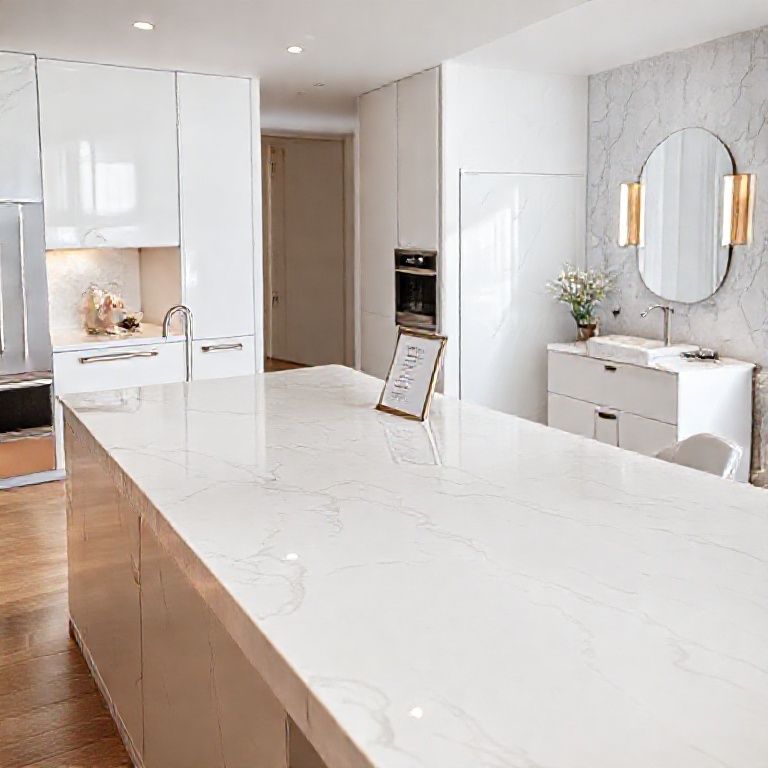
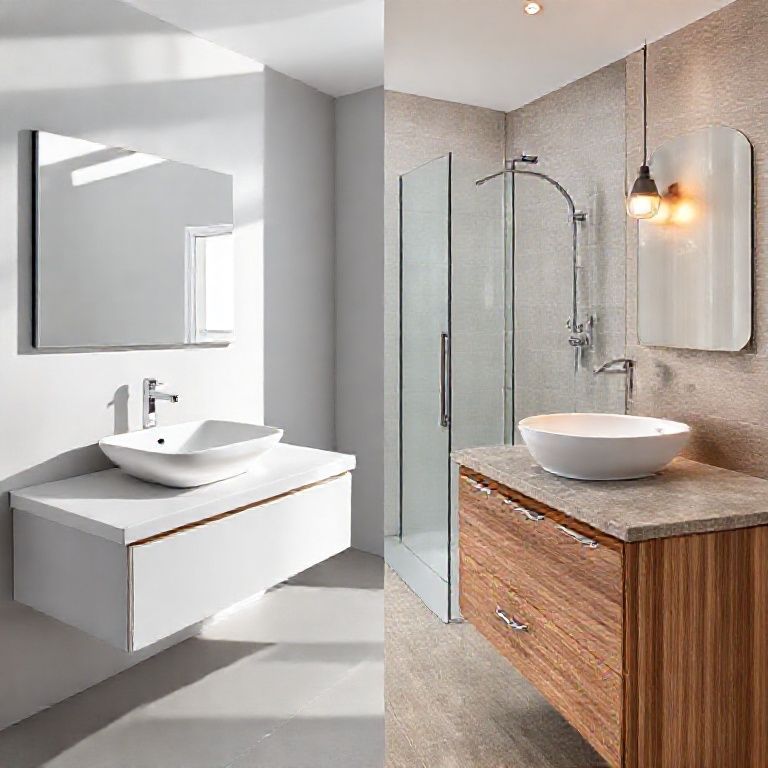
Corian’s versatility in color and texture allows it to mimic a wide range of natural materials, including marble, granite, and wood. This flexibility makes Corian an ideal choice for designers seeking to create unique, custom designs that blend seamlessly with various architectural styles. Corian’s ability to be molded into intricate shapes and patterns adds to its aesthetic appeal, making it a favorite in both modern and traditional designs.
Artificial Stone:
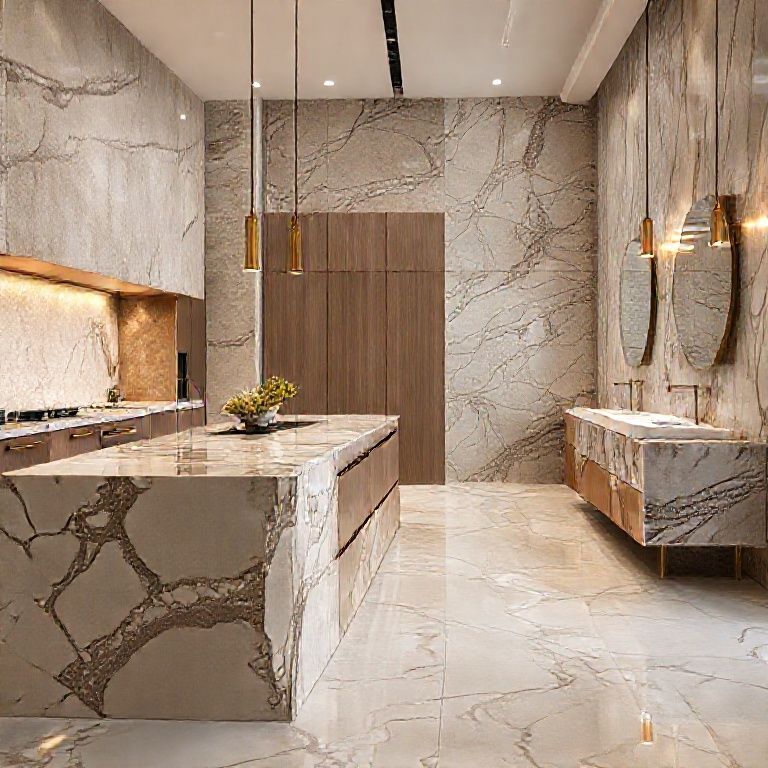
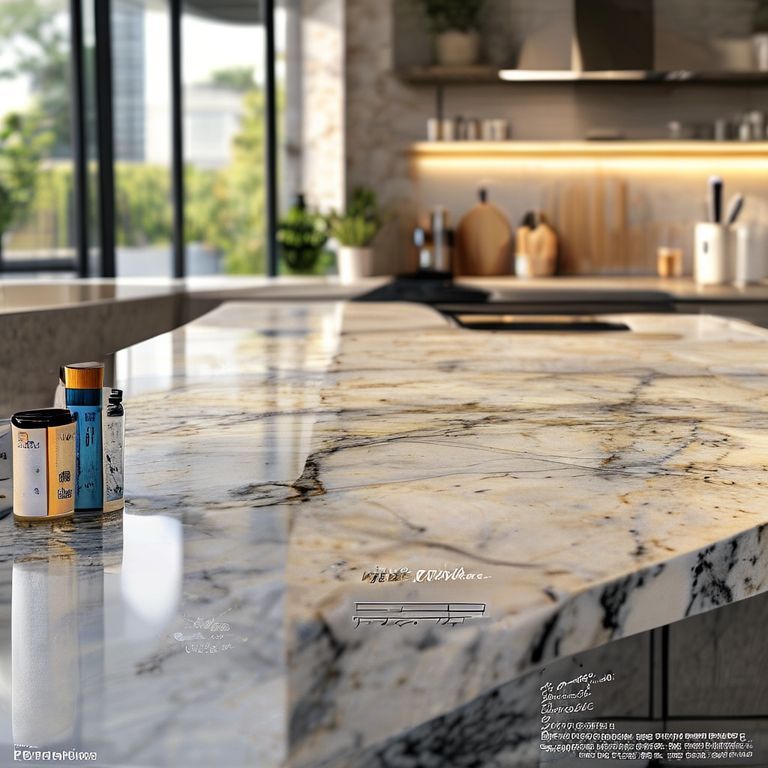
Artificial Stone excels in replicating the beauty of natural stone while offering greater flexibility in design. Its appearance can closely mimic marble, limestone, and other natural stones, providing a luxurious, natural look that enhances the aesthetic of any space. The material’s ability to be crafted into intricate designs and patterns makes it particularly popular for custom countertops that require a touch of elegance and authenticity.
Maintenance and Care:
The maintenance requirements of Corian and Artificial Stone play a significant role in their overall appeal and suitability for different environments.
Corian:
Corian is relatively low-maintenance, thanks to its durable and non-porous nature. Cleaning Corian surfaces is straightforward; a gentle wipe with a damp cloth and mild soap is usually sufficient to maintain its pristine appearance. Because Corian is non-porous, it does not absorb liquids or stains, reducing the likelihood of discoloration. However, it is essential to avoid using abrasive cleaners or sharp objects on Corian surfaces to prevent scratches.
Artificial Stone:
Maintaining Artificial Stone requires a bit more care compared to Corian. Regular cleaning with a mild soap and water solution is recommended to keep the surface clean and free from grime. To prevent staining, it is advisable to apply a high-quality sealant periodically, especially in areas prone to heavy use. While Artificial Stone is less prone to scratches compared to natural stone, it is still important to avoid abrasive cleaners and sharp objects to maintain its appearance.
Cost Considerations:
When choosing between Corian and Artificial Stone, cost is often a significant factor.
Corian:
Corian generally falls on the higher end of the price spectrum due to its advanced manufacturing process and versatility. However, its durability and low maintenance often justify the investment, especially in high-traffic areas where longevity and ease of upkeep are paramount. The cost of Corian can vary widely depending on the complexity of the design and the specific colors or textures chosen.
Artificial Stone:
Artificial Stone is typically more affordable than Corian, making it a cost-effective option for those seeking the look of natural stone without the premium price tag. The cost of Artificial Stone can vary based on the specific formulation and the desired aesthetic. While it may require periodic sealing, its lower upfront cost and versatility in design often make it an attractive choice for budget-conscious consumers.
Corian vs Artificial Stone: Final Considerations
Installation and Customization:
The installation and customization options for Corian and Artificial Stone further distinguish these materials in the world of countertop design.
Corian:
Corian’s uniform, seamless surface makes it an excellent choice for custom designs. The material can be easily cut to fit any shape or size, allowing for intricate designs and unique layouts. Corian countertops are typically installed using a simple adhesive process, making them relatively straightforward to install even for DIY enthusiasts. The material’s flexibility also means that it can be easily shaped and molded to create custom forms, making it ideal for bespoke kitchen and bathroom designs.
Artificial Stone:
Artificial Stone offers a high degree of customization, thanks to its ability to be molded and shaped into various forms. The material can be crafted into complex designs and patterns, providing a realistic stone look that can closely mimic natural stone. While the installation process for Artificial Stone may require more skill and expertise compared to Corian, it can be installed using adhesives or other securing methods. The ability to create custom shapes and designs makes Artificial Stone particularly appealing for those looking for a unique, one-of-a-kind countertop.
Environmental Impact:
The environmental footprint of Corian and Artificial Stone is another aspect to consider when making a choice.
Corian:
Corian is manufactured using a proprietary process that produces minimal waste and emissions. The material is also recyclable, making it an environmentally friendly option. However, the production of Corian involves the use of acrylic resins and other chemicals, which raises concerns about the environmental impact of its manufacturing process. Despite these concerns, Corian’s manufacturers have made efforts to reduce the environmental footprint through sustainable practices.
Artificial Stone:
Artificial Stone is often considered more environmentally friendly compared to natural stone due to its lower extraction and transportation requirements. The use of natural marble or limestone powder in its production means that Artificial Stone can be sourced in a more sustainable manner. However, the manufacturing process for Artificial Stone still involves the use of resins and other materials, which can contribute to environmental impact. Overall, Artificial Stone offers a balance between aesthetic appeal and environmental sustainability.
Longevity and Replacement:
The longevity and replacement considerations for Corian and Artificial Stone are critical factors in the long-term decision-making process.
Corian:
Corian is designed to be a long-lasting countertop material. Its durability, coupled with low maintenance requirements, means that Corian can last for many years with minimal upkeep. While Corian may require occasional touch-ups to maintain its appearance, it is generally resistant to the wear and tear that can lead to significant damage. In terms of replacement, Corian’s high cost can make it less appealing for those looking for a more economical option. However, its longevity and resilience often justify the investment for those prioritizing durability and ease of maintenance.
Artificial Stone:
Artificial Stone is also a durable material that can last for many years with proper care. Its resistance to impact and compression makes it suitable for long-term use in high-traffic areas. However, its susceptibility to staining means that regular sealing and maintenance are necessary to prolong its lifespan. The cost of replacing Artificial Stone may be lower compared to Corian, making it a more economical option for those on a budget. However, the need for regular maintenance may offset some of the cost benefits over time.
Conclusion:
In the world of high-end countertops, Corian and Artificial Stone offer unique advantages that cater to different design preferences and requirements. Corian’s versatility, durability, and low maintenance make it an excellent choice for those seeking a seamless, customizable surface that can mimic a wide range of natural materials. On the other hand, Artificial Stone’s realistic stone look, affordability, and customization options appeal to those looking for a luxurious, natural aesthetic at a more accessible price point.
Ultimately, the choice between Corian and Artificial Stone depends on individual preferences, budget considerations, and specific design需求:
在决定使用 Corian 或 Artificial Stone 作为厨房和浴室的台面材料时,考虑到多个因素,如美观、耐用性、维护要求和成本。了解这些材料的优缺点,可以帮助你做出更明智的选择。
美观:
Corian:
Corian 的主要优势在于其多样性和现代感。由于其高度可定制的特性,Corian 可以模仿多种天然材料,从大理石到实木。这种材料的光滑、均匀表面可以轻松实现复杂的设计和图案,使其成为现代和简约设计中的热门选择。
Artificial Stone:
Artificial Stone 则在自然美感和高级感上表现出色。它的外观可以非常接近天然石材,提供一种高度真实的石材效果。这使其成为那些希望在他们的空间中实现高雅和奢华氛围的人的理想选择。Artificial Stone 还可以进行雕刻和雕刻,以创造出独特的、个性化的设计。
耐用性:
Corian:
Corian 以其高耐用性而闻名,特别是在抗刮擦、抗污渍和抗冲击方面。由于其非多孔结构,Corian 不吸收液体和污渍,这使其非常适合高流量的厨房和浴室环境。它对于锐利物体和高温的耐受性相对较低,需要谨慎安装和维护。
Artificial Stone:
Artificial Stone 在耐用性方面也表现出色,特别是在冲击和压力方面。它的抗刮擦能力也不错,但其抗污渍性能通常低于 Corian。为了延长其使用寿命,Artificial Stone 通常需要定期密封以保护其表面免受污染。
维护要求:
Corian:
Corian 非常容易维护,因为它不吸收污渍和液体,只需用温和的清洁剂和水轻轻擦拭即可保持其光泽。由于其耐用性,Corian 不需要频繁的维护,但应避免使用锋利的工具或化学清洁剂,以防止损坏表面。
Artificial Stone:
Artificial Stone 的维护要求相对较高。它需要定期清洁和密封,以防止污渍和划痕。虽然清洁过程类似于 Corian,但密封剂的使用是必不可少的,以确保其美观和耐用性。选择高质量的密封剂可以显著延长 Artificial Stone 的使用寿命。
成本:
Corian:
Corian 通常比 Artificial Stone 更昂贵,这主要是由于其复杂的制造过程和高质量的材料。尽管初始成本较高,但其耐用性和低维护需求可能使其在长期使用中更为经济。
Artificial Stone:
Artificial Stone 通常比 Corian 便宜,这使它成为那些希望在不牺牲美观的同时控制成本的人的理想选择。尽管它的维护要求较高,但定期的密封和清洁可能相对便宜,这可以部分抵消其初始成本。
总结:
Corian 和 Artificial Stone 各有优势,适合不同的设计需求和预算。Corian 以其现代、多功能的外观和高耐用性著称,适合那些寻求长期投资和低维护的人。而 Artificial Stone 则以其自然、高级的外观和相对较低的成本吸引了许多消费者,尽管它需要更多的维护。
在选择时,考虑你的设计偏好、预算以及你能承受的维护水平。无论选择哪种材料,确保在专业人员的指导下进行安装,以获得最佳的性能和耐用性。