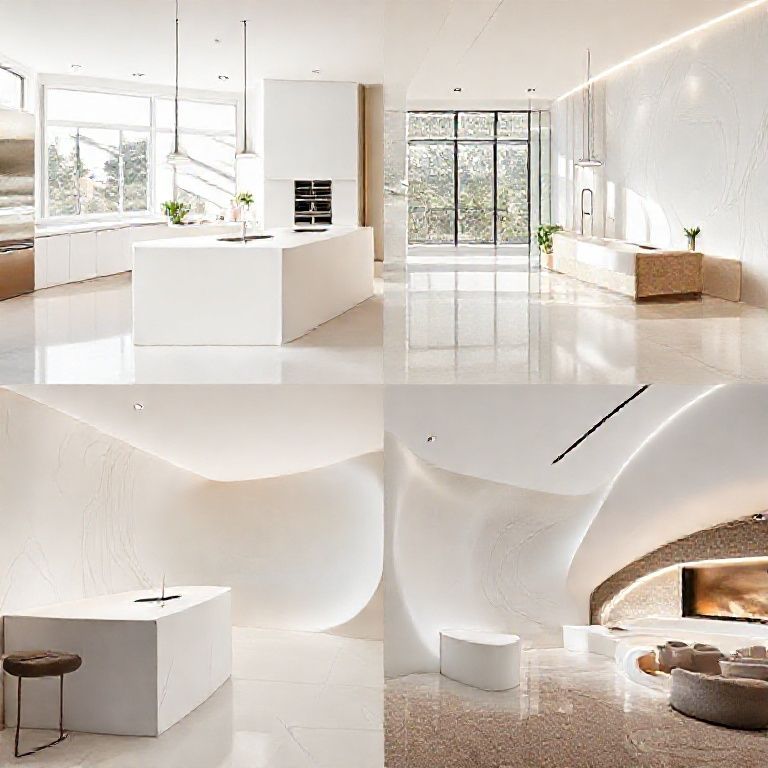
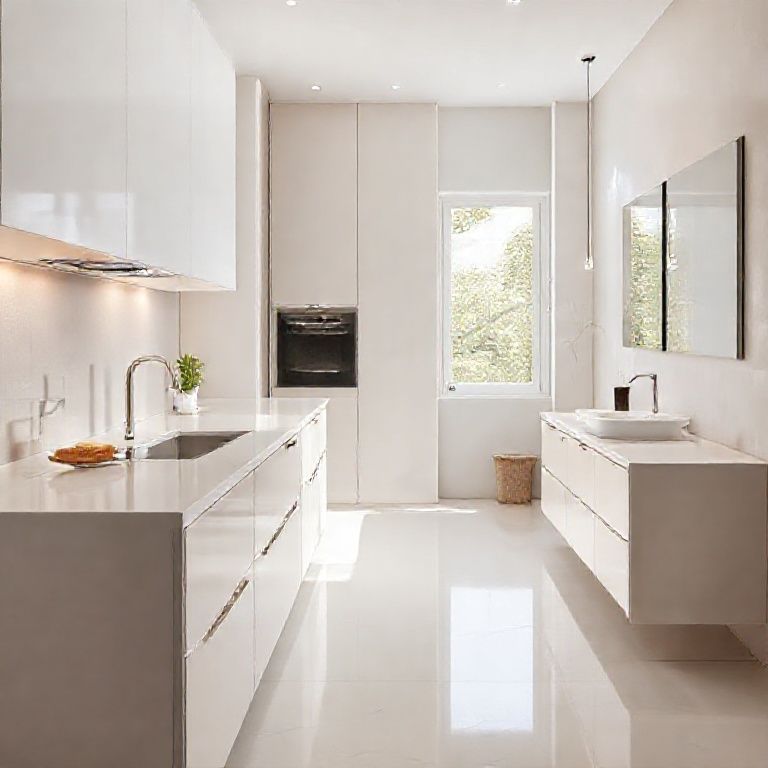
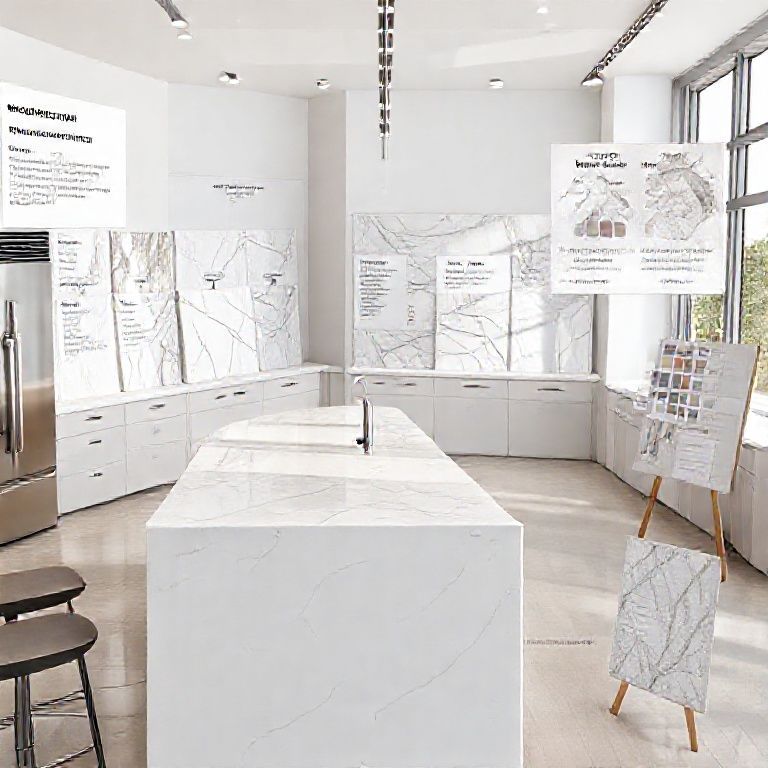
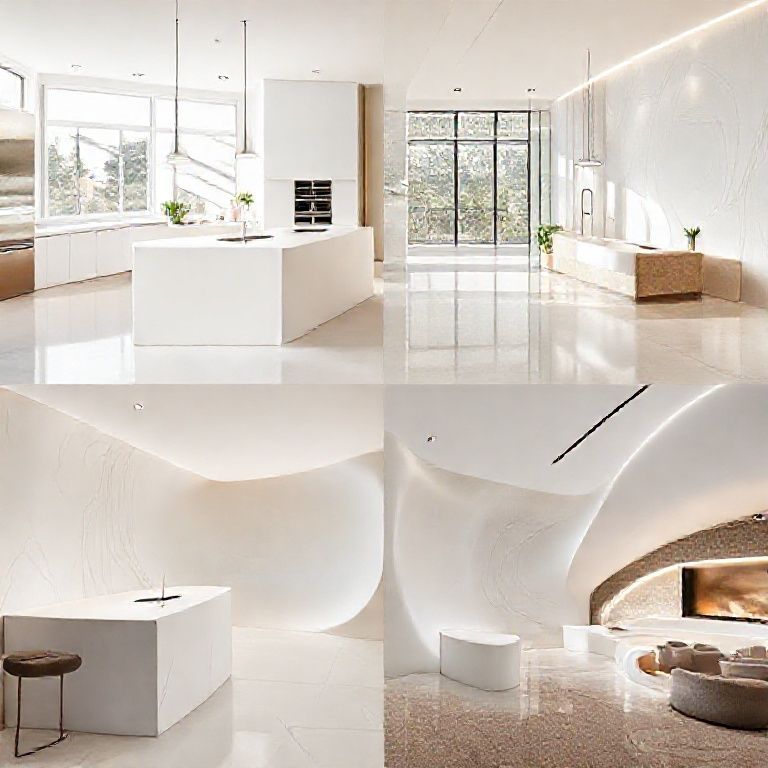
Corian vs Quartz – A Deep Dive into Two Leading Countertop Materials
Introduction
In the quest for the perfect countertop, homeowners and designers often find themselves torn between two leading contenders: Corian and Quartz. Both materials have carved their niches in the industry, celebrated for their durability, aesthetics, and versatility. This first part of our guide will delve into the origins, composition, and unique attributes of Corian and Quartz, setting the stage for a thorough comparison in the second part.

What is Corian?
Corian, a brand name for a line of solid surface materials, is a type of fluoropolymer created by DuPont. It stands out for its versatility and unique properties. First introduced in the late 1970s, Corian has since become a popular choice for countertops, sinks, and other surfaces in both residential and commercial spaces.
Composition and Properties of Corian
Corian is made from a unique blend of acrylic and fluoropolymer resins, which gives it a smooth, easy-to-clean surface. Here are some of its standout features:
Versatility: Corian can be produced in a wide range of colors and finishes, allowing for a high degree of customization. This flexibility makes it an ideal choice for designers looking to create unique, one-of-a-kind pieces.
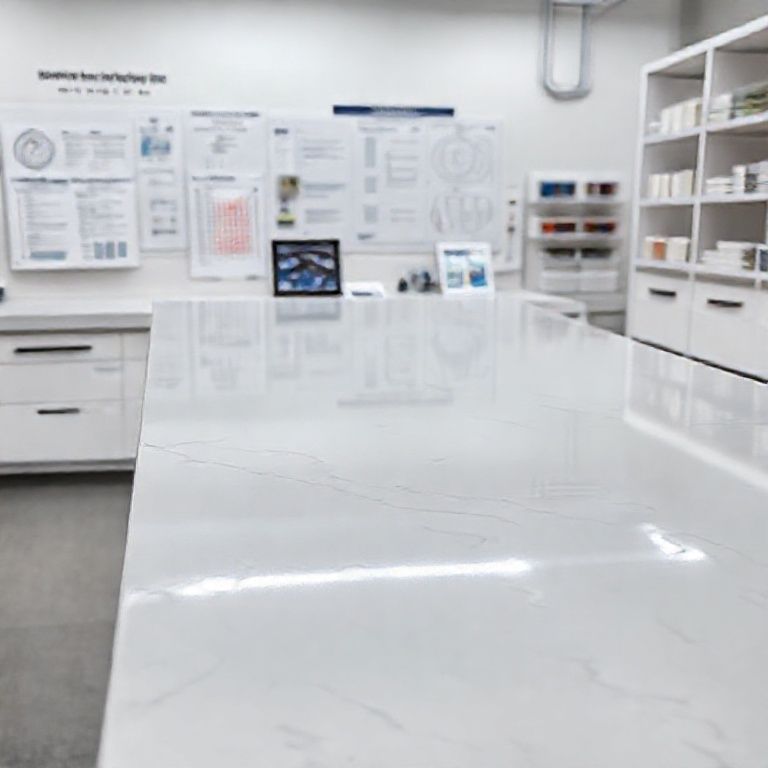
Durability: While it’s softer than some other materials, Corian is incredibly tough and resistant to scratches, stains, and most chemicals. It’s also highly resistant to bacteria, making it a sanitary choice for kitchens and bathrooms.
Ease of Installation: Corian is relatively easy to cut and shape, and it can be installed over a variety of substrates, including wood, metal, and drywall. This ease of installation is one of the reasons it’s favored by both professionals and DIY enthusiasts.
What is Quartz?
Quartz, on the other hand, is a naturally occurring mineral composed primarily of silica (silicon dioxide). It has been transformed into a solid surface material through a manufacturing process that combines it with other materials to create a strong, durable countertop.
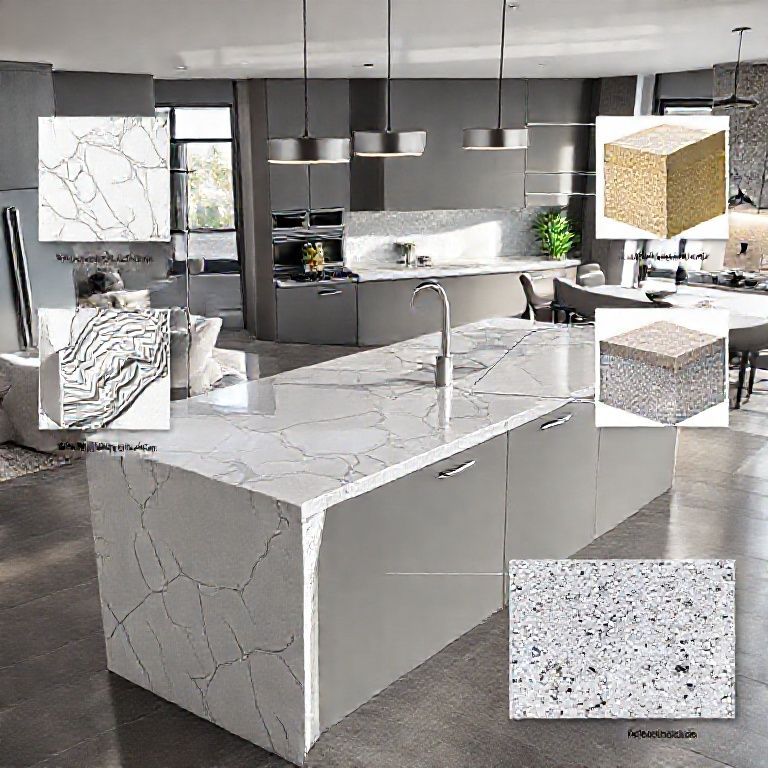
Composition and Properties of Quartz
Quartz’s strength lies in its natural composition and the manufacturing process that enhances its properties:
Strength: Quartz is one of the hardest natural minerals, ranking a 7 on the Mohs scale. This makes it extremely resistant to scratches, dents, and impact. Its high durability ensures a long lifespan, even in high-traffic areas.
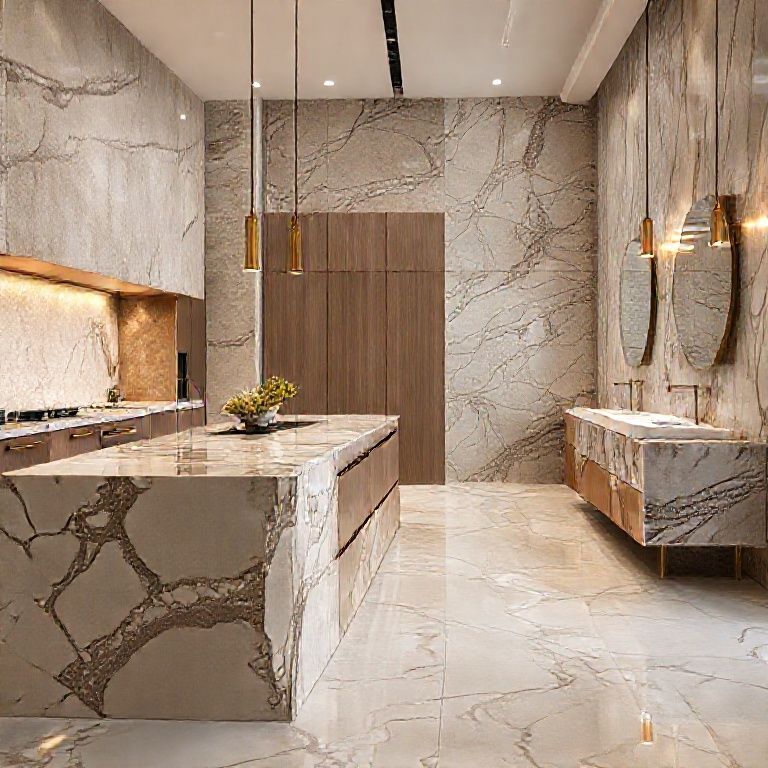
Aesthetic Appeal: Quartz countertops come in an almost limitless array of colors and patterns, ranging from natural stone looks to custom designs. This allows for a vast range of aesthetic possibilities, catering to various design preferences.
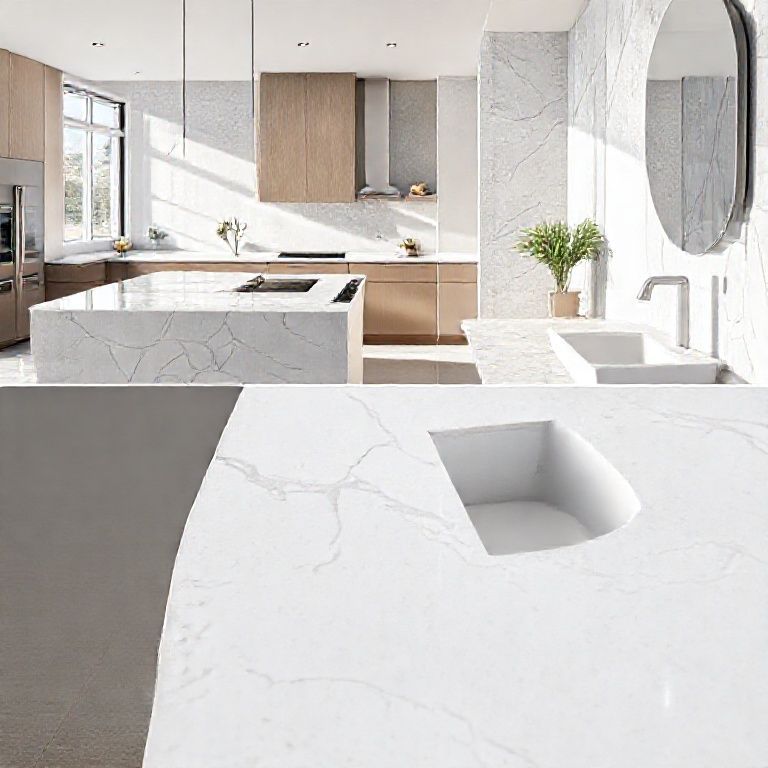
Low Maintenance: Quartz surfaces are easy to clean and maintain. A simple wipe with a damp cloth and mild soap is usually sufficient to keep them looking pristine. It’s also highly resistant to stains and heat.
Comparative Overview
While both Corian and Quartz are top-tier choices for countertops, they cater to different needs and preferences:
Customization: Corian offers more flexibility in terms of color and design, allowing for more bespoke creations. Quartz, while also highly customizable, leans more towards natural stone aesthetics.
Durability vs. Maintenance: Quartz excels in durability and has low maintenance requirements, making it ideal for those who prefer a low-effort, long-lasting material. Corian, while durable, is slightly softer and requires careful handling to avoid scratches.
Price Point: Generally, Corian tends to be more affordable than Quartz. This price difference can be significant, especially when considering large installations or custom designs.
Conclusion
Understanding the unique features of Corian and Quartz is crucial for making an informed decision. In the next part of our guide, we will compare their performance in specific applications, maintenance, and overall cost-effectiveness to help you determine which material best suits your needs.
Stay tuned for the second part of our in-depth comparison between Corian and Quartz!
Corian vs Quartz – Performance, Maintenance, and Cost-Effectiveness
Introduction
Having examined the foundational properties and initial comparisons between Corian and Quartz, we now turn our attention to their performance in practical applications, maintenance needs, and overall cost-effectiveness. This detailed analysis will help you make a well-informed decision based on your specific requirements and preferences.
Performance in Real-World Applications
Kitchens:
Corian: Known for its versatility and aesthetic appeal, Corian is often used in kitchen countertops where a variety of colors and finishes can add a personalized touch. Its resistance to scratches, stains, and bacteria makes it suitable for high-traffic areas like kitchens. However, its slightly softer nature compared to Quartz means it might not be the best choice for areas with frequent heavy use or sharp objects.
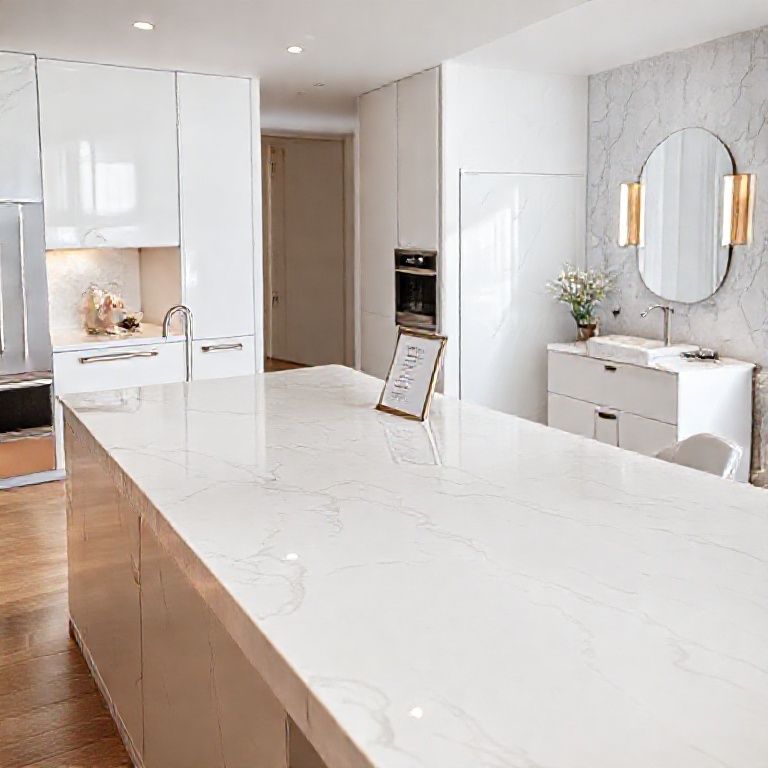
Quartz: In kitchens, Quartz shines with its unparalleled strength and durability. Its ability to withstand high temperatures and resist scratches makes it ideal for cutting boards, stovetops, and other high-use areas. Its natural aesthetic often complements modern kitchen designs, offering a luxurious look without compromising on performance.
Bathrooms:
Corian: Corian’s water resistance and easy-to-clean surface make it an excellent choice for bathroom countertops and sinks. Its versatility allows for seamless integration with various bathroom designs, from minimalist to eclectic. However, its softer nature means it should be protected from sharp objects and heavy impacts.
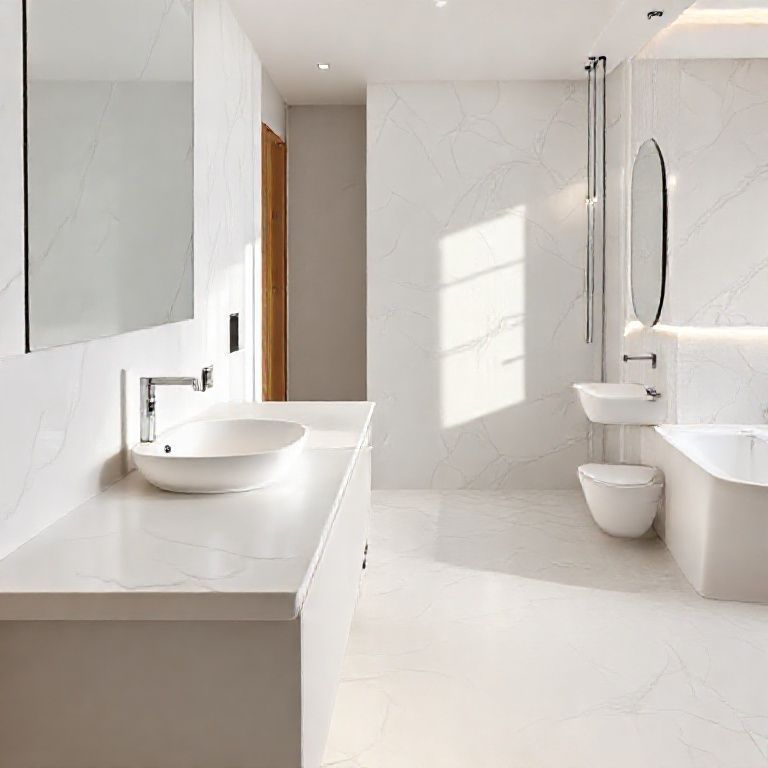
Quartz: Quartz is also highly suitable for bathrooms due to its scratch resistance and low maintenance. Its durability ensures it can withstand the frequent use and exposure to water and cleaning agents. The aesthetic variety allows it to match a wide range of bathroom styles, from traditional to contemporary.
Commercial Spaces:
Corian: In commercial environments like restaurants, offices, and retail spaces, Corian’s ease of customization and ability to withstand frequent cleaning and use make it a popular choice. Its aesthetic flexibility allows for creative designs that can enhance brand identity or interior aesthetics.
Quartz: Quartz’s robustness and aesthetic versatility make it a top choice for commercial countertops. Its high durability ensures it can withstand heavy use and maintain its appearance over time. The variety of colors and patterns can help achieve the desired look in commercial settings.
Maintenance Requirements
Corian:
Cleaning: Corian countertops are relatively low maintenance. A simple wipe-down with a damp cloth and mild soap is usually sufficient. For tougher stains, a specialized cleaner designed for Corian can be used. It’s important to avoid abrasive cleaners that could scratch the surface.
Protection: To prevent scratches and chips, it’s advisable to use cutting boards and heavy objects with pads or mats. While Corian is resistant to most chemicals, it’s best to avoid harsh chemicals and acidic substances that could damage the surface.
Quartz:
Cleaning: Quartz countertops are also easy to clean. A damp cloth and mild soap can be used to maintain their pristine appearance. For tougher stains, a quartz-specific cleaner can be employed. Quartz surfaces are highly resistant to staining and can easily handle spills.
Protection: Quartz is highly resistant to scratches, but it’s still recommended to use cutting boards with pads to avoid minor scratches. Since Quartz is heat-resistant, it can handle hot pots and pans directly without any issues.
Cost-Effectiveness
Initial Cost:
Corian: Typically, Corian countertops are more affordable than Quartz. The cost varies based on the color, finish, and complexity of the design. Customization can add to the overall cost, but it often allows for more unique and personalized designs.
Quartz: Quartz generally comes at a higher price point due to its natural composition and the manufacturing process. The cost can vary significantly based on the type and color of Quartz chosen. High-end, rare Quartz varieties can be quite expensive.
Long-Term Durability:
Corian: While Corian is durable and resistant to many common household threats, its slightly softer nature means it may require more frequent replacement or repairs in high-traffic areas. However, its cost-effectiveness in customization and ease of installation often make it a good long-term choice for many.
环保和可持续性
环保性: Corian:由于它是一种合成材料,其制造过程可能会产生一些有害化学物质。不过,Corian在生产过程中会经过严格的环保测试,确保其对人体无害。 Quartz:作为天然材料,Quartz在开采和加工过程中可能会对环境造成一些影响,但其耐用性和长寿命可以减少材料的更换频率,从而间接降低了资源消耗和废弃物产生。
可持续性: Corian:由于是合成材料,Corian的生产依赖于石化工业,这可能对环境产生一些负面影响。它的高耐用性可以减少更换的需求,从而减少了资源的消耗。 Quartz:作为天然石材,其可持续性取决于开采和加工方法。采用环保和可持续的采矿和加工技术可以显著减少其环境影响。
美观性和设计灵活性
美观性: Corian:Corian提供了广泛的颜色和纹理选择,可以模仿石材、木材和金属等多种材质。这使得它在设计上具有很大的灵活性。 Quartz:Quartz天然的纹理和色彩各异,能够提供非常高的视觉美感,但设计灵活性相对较低,需要根据现有的天然石材进行选择。
设计灵活性: Corian:由于其可塑性,Corian可以被切割成任何形状,非常适合复杂的设计和定制化需求。 Quartz:虽然Quartz的天然美感非常吸引人,但其设计灵活性有限,主要依赖于现有的天然石材块。
安装和维护
安装: Corian:由于其柔软性和可塑性,Corian可以在各种基材上轻松安装。其成型和切割也比较简单,适合大多数DIY者。 Quartz:Quartz通常需要专业安装,因为其硬度较高,切割和安装过程相对复杂。 维护: Corian:Corian表面光滑,易于清洁,但需要避免使用硬刷或有腐蚀性的清洁剂。
Quartz:Quartz表面光滑且易于清洁,但需要注意避免使用过热的物品直接接触,以防止热损伤。
结论
选择Corian或Quartz,最终取决于你的具体需求和偏好。如果你更看重材料的美观性和设计灵活性,且希望节省一些初始成本,Corian可能是更好的选择。而如果你追求极高的耐用性、天然美感,并且愿意为此支付更高的成本,Quartz则是更好的选择。
无论选择哪种材料,都建议你在做决定前咨询专业人士,以确保选择最适合你需求的材料。