Artificial stone countertops have revolutionized modern kitchen and bathroom design due to their exceptional durability, beauty, and ease of maintenance. These countertops are made from a blend of natural stone and resin, providing a material that combines the best qualities of both. Here’s everything you need to know about using artificial stone countertops effectively.

Understanding Artificial Stone Countertops
Artificial stone, often referred to as engineered stone, is a composite material made by mixing crushed stone, such as quartz, with a polymer resin. This combination results in a product that is not only visually stunning but also highly durable and resistant to scratches, stains, and heat. Unlike natural stone, artificial stone is manufactured in a controlled environment, ensuring consistency in color, texture, and quality.
Installation Considerations
When it comes to installing artificial stone countertops, preparation and precision are key. Here are some essential considerations to keep in mind:
Material Selection
Choosing the right type of artificial stone is crucial. Different formulations offer varying degrees of hardness, color options, and aesthetic appeal. Consult with a professional to determine the best type of stone for your specific needs. Popular choices include:
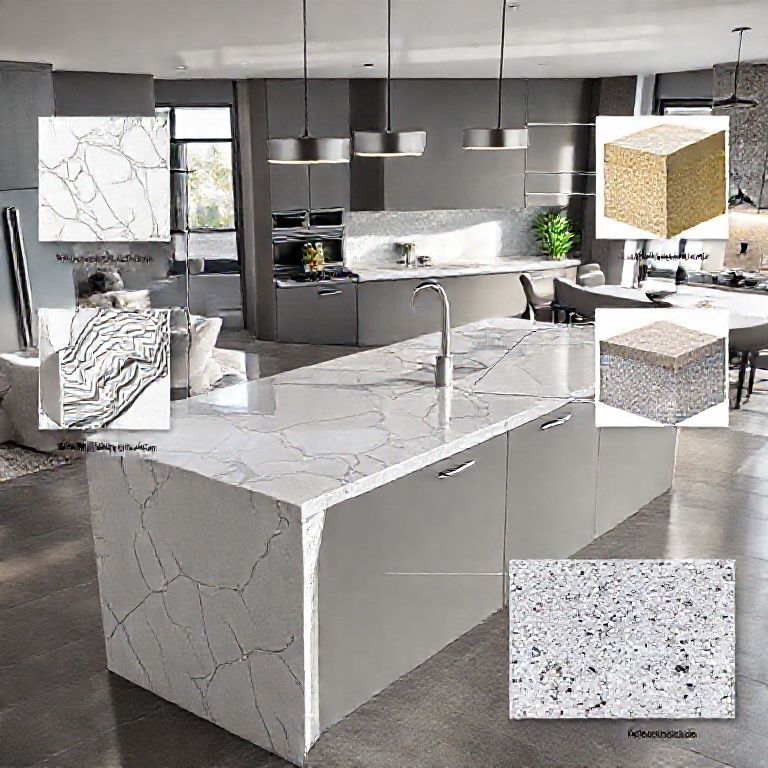
Quatz: Known for its durability and resistance to scratches and stains. Quartz Composite: Offers a natural stone appearance with the added benefit of being more hygienic. Artificial Granite: Mimics the look of granite but is less prone to cracking and staining.
Cutting and Fitting
Artificial stone countertops can be cut to any size using a specialized diamond blade saw. Precision is important to ensure a seamless fit and a professional finish. If you’re not comfortable with DIY cutting, it’s best to hire a professional installer.
Adhesive and Installation
Use a high-quality, flexible adhesive for installation. This ensures that the countertop can expand and contract without causing cracks or gaps. Follow the manufacturer’s instructions carefully, ensuring even application and sufficient drying time.
Edge Finishing
Edge finishing is an important step in protecting the countertop from chips and cracks. Options include:
Sealed Edges: The edges are sealed during manufacturing to prevent chipping. Beveled Edges: The edges are cut at an angle for a polished finish. Chamfered Edges: The edges are cut diagonally to provide extra protection.
Initial Care
Proper initial care ensures that your artificial stone countertop will look and perform its best for years to come. Here are some tips to follow:
Cleaning
Daily Cleaning: Use a mild soap and warm water to clean the surface. Avoid using abrasive cleaners or sponges that could scratch the surface. Immediate Spills: Clean up spills immediately to prevent stains. Use a damp cloth to wipe away liquids before they can seep into the stone.
Stain Prevention
Protective Coatings: Consider applying a protective coating or sealant to prevent stains and enhance durability. Avoiding Harsh Chemicals: Avoid using harsh chemicals or cleaning agents that could damage the surface.
Heat Protection
Artificial stone can withstand high temperatures, but prolonged exposure to very hot items can cause discoloration or warping. To avoid this:
Use Heat Resistant Pads: Place hot pots and pans on heat-resistant pads or trivets. Avoid Leaving Hot Items: Remove hot items promptly after cooking.
Benefits of Artificial Stone Countertops
Artificial stone countertops offer several advantages that make them an excellent choice for both residential and commercial spaces:
Durability: Artificial stone is more resistant to scratches, stains, and impact than many other countertop materials. Hygiene: Unlike natural stone, artificial stone does not harbor bacteria and is easier to clean. Aesthetic Variety: Available in a wide range of colors and patterns, allowing for versatile design options. Cost-Effectiveness: Often more affordable than natural stone, providing a high-quality alternative without the premium price.
Conclusion
Artificial stone countertops are a fantastic choice for those looking for a durable, beautiful, and easy-to-maintain surface. By understanding the material, following proper installation techniques, and adhering to initial care guidelines, you can ensure your artificial stone countertop will serve you well for years to come. Stay tuned for Part 2, where we’ll delve into maintenance, cleaning, and troubleshooting common issues to keep your artificial stone countertop looking its best.
Continuing our comprehensive guide on the use of artificial stone countertops, this second part focuses on long-term maintenance, effective cleaning techniques, and troubleshooting common problems that may arise over time. Understanding these aspects will help you keep your artificial stone countertops in pristine condition, ensuring they remain a stunning feature of your kitchen or bathroom for years to come.
Maintenance Tips for Artificial Stone Countertops
Proper maintenance is essential to keep artificial stone countertops looking their best. Here are some key maintenance tips to follow:
Regular Cleaning
Daily Maintenance: Wipe the surface daily with a damp cloth and mild soap to remove fingerprints, food spills, and general grime. Deep Cleaning: Use a specialized stone cleaner or a mixture of water and vinegar to clean the surface. Avoid using harsh chemicals that can damage the stone.
Avoiding Damage
Protect from Heat: As previously mentioned, prolonged exposure to very hot items can cause discoloration or warping. Always use heat-resistant pads and avoid leaving hot items on the surface. Use Cutting Boards: Use cutting boards when preparing food to prevent scratches. If you don’t have a cutting board, place a silicone mat under the knife.
Repairing Minor Damages
Minor Chips: For small chips or scratches, a touch-up kit designed for artificial stone can be used to fill in the imperfections and restore the surface. Deep Scratches: For deeper scratches, consult a professional to repair the countertop, especially if the scratch is on a visible part of the surface.
Cleaning Techniques
Effective cleaning of artificial stone countertops involves using the right materials and methods to ensure the surface remains clean and undamaged. Here are some detailed cleaning techniques:
Cleaning with Vinegar and Water
Materials Needed: White vinegar, water, and a soft cloth. Steps: Mix equal parts of white vinegar and water in a spray bottle. Spray the solution onto the countertop surface. Wipe the surface with a soft cloth in a circular motion. Rinse the cloth and wipe the surface again to remove any vinegar residue. Dry the surface with a clean, dry cloth.
Using Specialized Cleaners
Materials Needed: Artificial stone cleaner or a gentle stone cleaner. Steps: Follow the manufacturer’s instructions on the cleaner’s packaging. Apply the cleaner to the surface and let it sit for the recommended time. Wipe the surface with a clean cloth. Rinse and dry the surface.
Troubleshooting Common Issues
Artificial stone countertops are generally low-maintenance, but like any surface, they can encounter issues. Here’s how to troubleshoot and address common problems:
Stains
Coffee and Tea Stains: Immediately wipe away spills and apply a mixture of baking soda and water to remove stains. Food Stains: Use a gentle stone cleaner or a vinegar solution to remove food stains.
Water Spots
Rinsing: Gently rinse the surface with water to remove water spots. Cleaning: Use a specialized stone cleaner or a vinegar solution to remove stubborn water spots.
Scratches and Chips
Minor Scratches: Use an artificial stone touch-up kit to fill in small scratches. Major Damage: For significant scratches or chips, consult a professional for repair. In some cases, resurfacing the countertop may be an option.
Fungal Growth
Artificial stone can sometimes be prone to fungal growth, especially in humid environments. To prevent and treat this issue:
Preventive Measures: Keep the area well-ventilated and avoid prolonged water exposure. Treatment: Use a commercial mold and mildew remover designed for stone surfaces. Follow the product instructions carefully.
Long-Term Durability
To ensure the longevity of your artificial stone countertops, follow these long-term care tips:
Temperature Management
Avoid Extreme Heat: Do not leave hot items on the countertop for extended periods. Use trivets and ensure that oven mitts are used when handling hot dishes. Temperature Fluctuations: While artificial stone is generally heat-resistant, sudden temperature changes can cause minor stress. Avoid placing cold items on hot surfaces and vice versa.
Regular Inspections
Check for Damage: Regularly inspect the countertop for any signs of wear, scratches, or chips. Early detection of minor issues can prevent them from becoming more significant problems. Professional Maintenance: Consider periodic professional cleaning and inspection to ensure the countertop remains in top condition.
Enhancing the Aesthetic Appeal
Artificial stone countertops offer a variety of aesthetic options, but为了进一步增强你的人工智能系统的功能,可以考虑以下几个方面的改进:
1. 增强数据处理能力
a. 数据预处理
清洗数据:处理缺失值、异常值和重复数据。 标准化和归一化:对数据进行标准化和归一化处理,以便提高模型的效果。
b. 数据增强
数据增强技术:对图像、文本等数据进行增强,以提高模型的泛化能力。
2. 模型优化
a. 模型架构
深度学习模型:使用更复杂的神经网络架构,如卷积神经网络(CNN)、循环神经网络(RNN)等。 混合模型:结合不同类型的模型,如CNN和RNN,以提高预测精度。
b. 超参数调优
网格搜索:通过网格搜索和随机搜索等方法,找到最佳的超参数组合。 自适应优化:使用自适应优化算法,如Bayesian Optimization,以更高效地调优超参数。
3. 多任务学习
a. 联合训练
多任务学习:在一个框架内同时训练多个相关任务,以提高模型的整体表现。
b. 共享特征
特征共享:利用共享特征提高任务之间的信息传递,提升整体性能。
4. 实时数据处理
a. 流式处理
实时数据处理:使用流式处理框架,如Apache Kafka和Apache Flink,实现实时数据处理和分析。
b. 边缘计算
边缘计算:将部分计算任务下放到边缘设备,以减少延迟和带宽消耗。
5. 安全与隐私
a. 数据安全
数据加密:在数据传输和存储过程中使用加密技术,以保护数据隐私。 访问控制:使用细粒度的访问控制策略,确保只有授权用户才能访问敏感数据。
b. 隐私保护
差分隐私:在数据分析和建模过程中,使用差分隐私技术,以保护个人隐私。 联邦学习:通过联邦学习,在不共享原始数据的情况下,实现模型训练。
6. 可解释性
a. 模型可解释性
可解释AI:使用可解释模型,如决策树、规则集等,或通过SHAP、LIME等技术,提高模型的可解释性。
b. 可视化工具
可视化工具:开发可视化工具,帮助用户理解模型的内部工作机制。
7. 自动化与集成
a. 自动化工具
MLOps:使用MLOps工具,如Kubeflow、ArgoCD,实现机器学习模型的自动化部署和管理。 自动化测试:开发自动化测试工具,以确保新增代码和模型不会引入错误。
b. API集成
API接口:开发并维护API接口,使得模型能够与其他系统和应用程序无缝集成。
通过以上这些方面的改进,你的人工智能系统将能够处理更复杂的数据,提高模型的精度和效率,并且在安全性和隐私保护方面做得更好。希望这些建议能帮助你进一步提升系统的功能和性能。