Installation and Initial Care for Artificial Stone Countertops
Artificial stone countertops have emerged as a popular choice in modern home design due to their durability, aesthetic versatility, and ease of maintenance. However, to fully reap the benefits of these countertops, it’s essential to understand the proper installation and initial care. This part of the guide will cover the crucial steps to ensure that your artificial stone countertops are installed correctly and maintained properly right from the start.

Understanding Artificial Stone Countertops
Artificial stone, also known as cultured stone, is a composite material made from natural stone powder, water, and a polymer resin. This blend is molded and cured under heat and pressure to create a surface that closely mimics natural stone. The result is a countertop that is highly durable, resistant to stains and scratches, and incredibly easy to clean. However, because it’s not a natural stone, it requires a different approach to installation and care.
Choosing the Right Countertop
When selecting an artificial stone countertop, consider the following factors:
Color and Finish: Artificial stone is available in a wide range of colors and finishes that can mimic natural stones like marble, granite, and quartz. Choose a color that complements your kitchen or bathroom design. Thickness: Standard thickness for artificial stone countertops is usually around 1.5 to 2 inches. The thickness can affect the weight and installation method. Brand and Quality: Opt for reputable brands that offer warranties and quality assurance. High-quality materials will provide better durability and appearance.
Installation Steps
Preparation: Ensure that the surface where the countertop will be installed is clean, level, and dry. Remove any old countertops, backsplashes, or cabinetry that will need to be cut around.
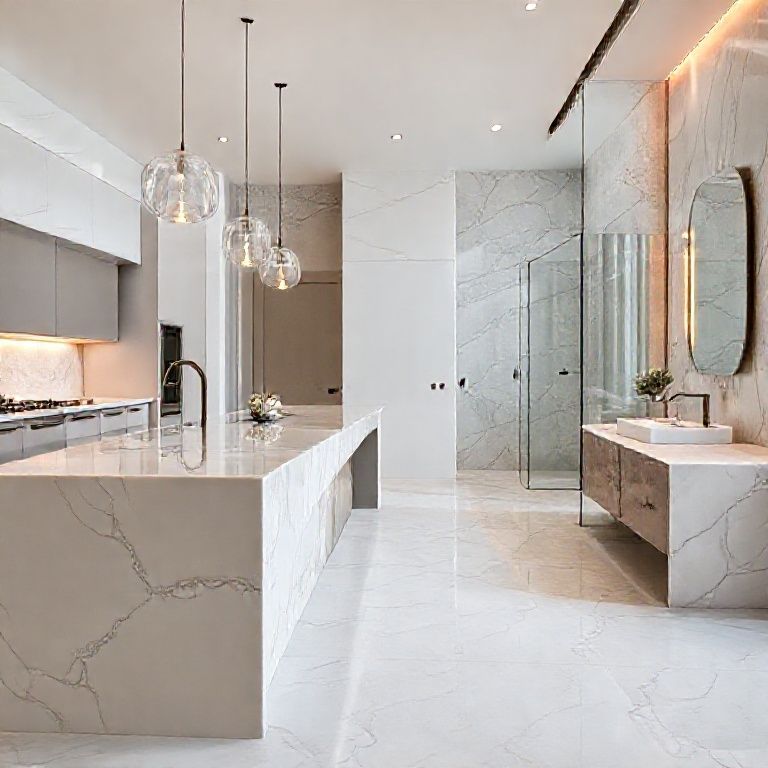
Support Structure: Artificial stone countertops are heavy and need proper support. Use a sturdy backsplash or cabinetry to support the edges of the countertop. Avoid placing heavy items directly on the edges to prevent damage.
Sealing Edges: Use caulk or a silicone sealant to seal the edges of the countertop. This will help prevent water from seeping underneath and causing damage to the subfloor.
Cutting: Use a tile cutter or wet saw to cut the countertop to fit your space. Make sure to measure accurately and cut slowly to avoid chipping the surface.
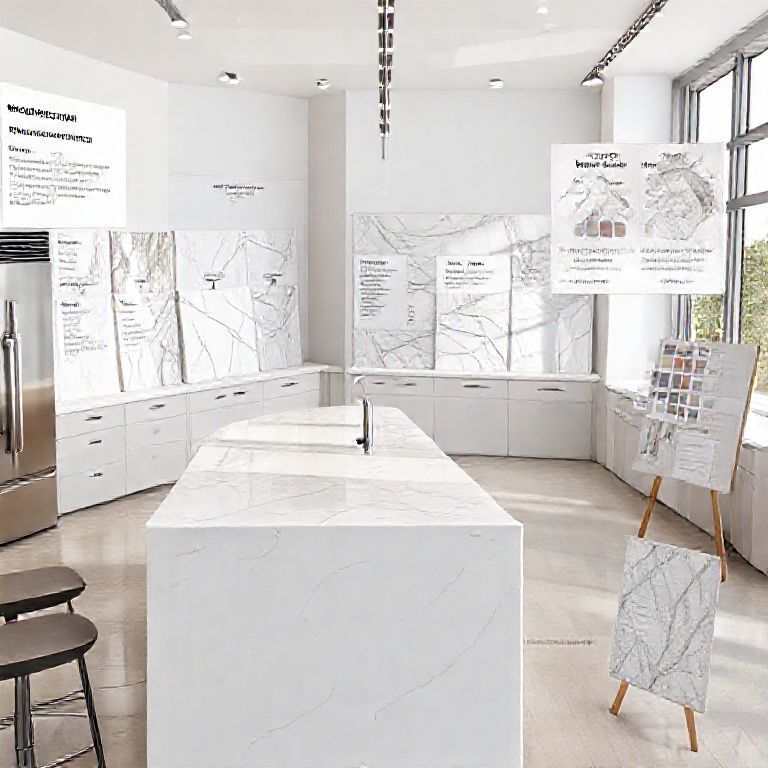
Adhesive: Apply a suitable adhesive for artificial stone countertops. Follow the manufacturer’s instructions for application and drying time.
Placing and Securing: Carefully place the countertop onto the adhesive and hold it in place for a few minutes. Use clamps if necessary to ensure it stays in place until the adhesive sets.
Initial Care and Maintenance
Proper care from the start will ensure that your artificial stone countertops remain beautiful and functional for years to come.
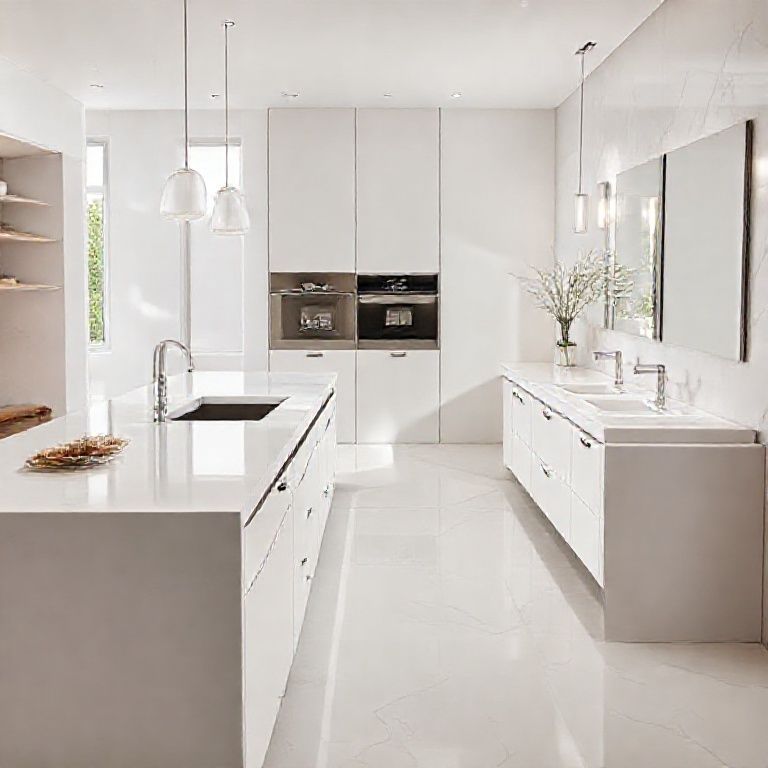
Cleaning: Use a damp cloth with mild soap or a dedicated stone countertop cleaner to wipe down the surface. Avoid using acidic cleaners like vinegar or citrus-based products as they can etch the surface.
Spill Management: Wipe up spills immediately to prevent stains. For tougher stains, use a gentle stone cleaner.
Avoiding Damage: Use cutting boards, hot pots, and heavy items with pads or placemats to prevent scratches and heat damage.
Regular Maintenance: Regularly clean the surface with a soft cloth to remove fingerprints and smudges. For deeper cleaning, use a stone countertop cleaner and a soft sponge.
By following these installation and initial care steps, you can ensure that your artificial stone countertops look great and function well for years to come. Stay tuned for the next part where we will dive into more detailed usage tips, maintenance practices, and advanced care techniques to keep your artificial stone countertops in top condition.
Advanced Usage Tips and Long-term Care for Artificial Stone Countertops
In this second part of the guide, we will delve deeper into the advanced usage tips and long-term care strategies to maintain the beauty and durability of your artificial stone countertops. Whether you’re a new homeowner or a seasoned renovator, these tips will help you keep your countertops looking pristine and functioning optimally.
Advanced Usage Tips
Protecting Against Heat: While artificial stone can withstand high temperatures, prolonged exposure to very hot items can cause discoloration or damage. Always use potholders when handling hot pots and pans, and avoid placing hot items directly on the surface.
Handling Knives and Cutting Tools: To prevent scratches, use cutting boards instead of the countertop for food preparation. If cutting on the countertop is necessary, use a silicone mat or place a piece of parchment paper to cushion the surface.
Avoiding Abrasive Cleaners: Stick to non-abrasive cleaning products to avoid scratching the surface. Avoid steel wool, sponges with rough textures, and any harsh chemicals that can etch or damage the stone.
Long-term Maintenance Practices
Regular Cleaning: Develop a regular cleaning routine that includes wiping down the surface with a damp cloth after each use. For deeper cleaning, use a mild soap or a commercial stone countertop cleaner. Avoid soaking the surface with water.
Sealing the Surface: Although artificial stone does not require sealing like natural stone, it’s still beneficial to apply a surface sealant periodically to protect against stains and scratches. Follow the manufacturer’s instructions for the best results.
Periodic Deep Cleaning: Occasionally, give your countertops a thorough cleaning using a stone countertop cleaner and a soft sponge. Avoid using abrasive materials or harsh chemicals.
Repairing Minor Damage: If you notice minor scratches or chips, use a stone countertop repair kit. Follow the instructions carefully to blend the repair seamlessly with the surrounding surface.
Addressing Common Issues
Stains: If stains appear, try to clean them immediately. For persistent stains, use a stone countertop cleaner specifically designed for the type of artificial stone you have. Always test a small area first to ensure it doesn’t damage the surface.
Water Spots: Avoid letting water sit on the surface for long periods. Wipe up spills immediately and dry the surface with a clean cloth to prevent water spots.
Etching: Avoid using acidic cleaners like lemon juice, vinegar, or any product with high acid content. These can etch the surface and cause discoloration.
Seasonal Care
Winter Precautions: In colder climates, ensure that the area around your countertop is well-heated to prevent condensation. Wipe up any condensation immediately to avoid water spots and damage.
Summer Precautions: In hotter climates, avoid placing hot items directly on the surface. Use trivets or potholders to protect the countertop from heat damage.
Enhancing Aesthetics
Customization: Artificial stone countertops come in a variety of colors and patterns. You can customize the design to match your home’s aesthetic. If you have a particular vision, consult with a professional installer who can help bring your design to life.
Accent Pieces: Enhance the look of your artificial stone countertops with complementary backsplashes, trim pieces, and decorative elements. Consider using natural stone or ceramic tiles to create a striking visual contrast.
By following these advanced usage tips and long-term care strategies, you can ensure that your artificial stone countertops remain a stunning focal point in your home for years to come. Remember, proper care and maintenance are key to preserving the beauty and functionality of your investment. Enjoy your beautiful, durable, and easy-to-maintain artificial stone countertops!