Durability, Maintenance, and Aesthetics
In the ever-evolving world of home design, selecting the perfect countertop can make or break the aesthetic appeal and functionality of your kitchen or bathroom. Two of the most popular choices today are quartz and granite countertops. Understanding the strengths and weaknesses of each can help you make an informed decision. Let’s dive into the first part of our comparison, focusing on durability, maintenance, and aesthetics.
Durability: The Battle of the Toughest
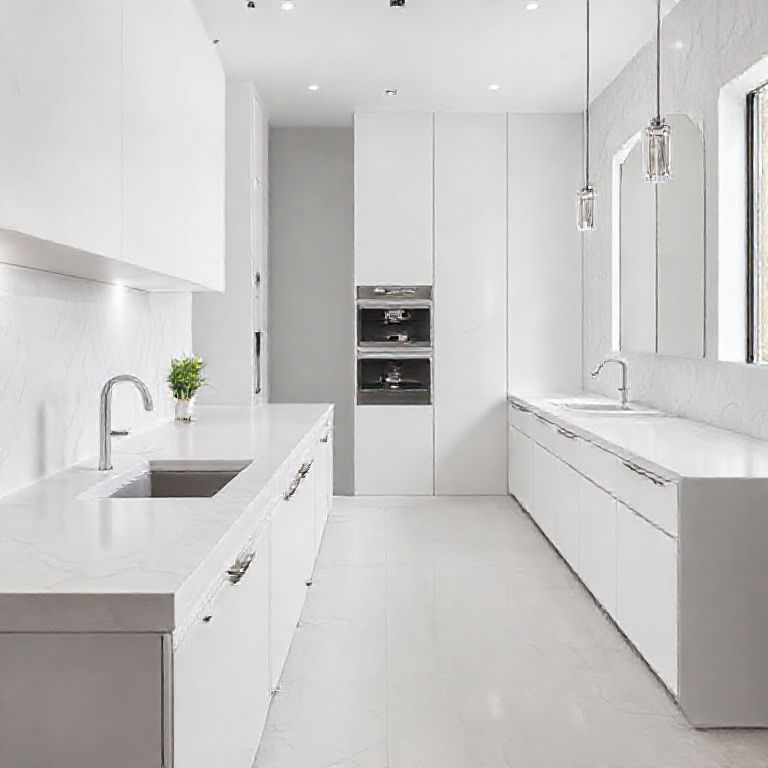
When it comes to durability, both quartz and granite are heavyweight contenders. However, they excel in different ways.
Quartz: Quartz is known for its remarkable hardness, ranking 7 on the Mohs scale. This makes it highly resistant to scratches, dents, and cuts, offering a smooth and seamless surface that’s virtually indestructible. Its uniform composition means there are no natural seams or inclusions that could harbor bacteria or stains, further contributing to its durability.
Granite: Granite also boasts a high Mohs hardness, typically around 6 to 7, which gives it impressive durability against scratches and impacts. However, granite’s natural composition means it contains numerous mineral inclusions and pores. These characteristics can make granite more susceptible to staining and require more intensive sealing and maintenance compared to quartz.
Maintenance: Effortless vs. Labor-Intensive
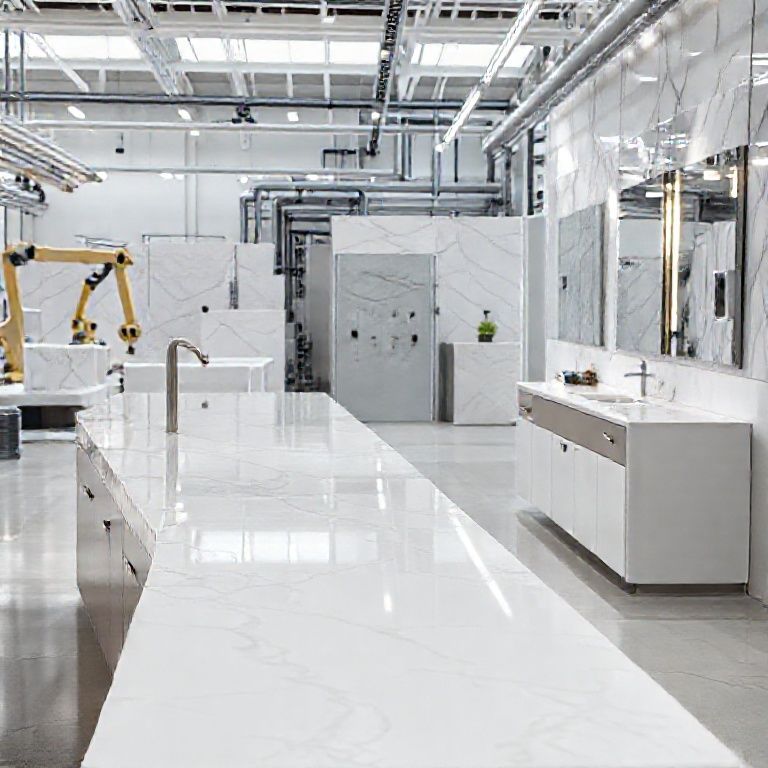
One of the most significant advantages of quartz countertops is their low maintenance requirements. Here’s a look at how maintenance compares for each material.
Quartz: Quartz is incredibly low-maintenance. Since it’s a man-made product with a solid surface, it resists stains, scratches, and cuts. Daily cleaning requires a simple wipe-down with a mild soap and water solution, and it rarely needs professional cleaning or sealing. Its resistance to thermal shock means it can handle hot pots and pans without warping or cracking.
Granite: Granite, on the other hand, requires more upkeep. Due to its porous nature, granite can absorb stains and liquids, which can lead to permanent discoloration if not addressed promptly. Regular sealing is necessary to maintain its beauty and prevent staining. Additionally, granite countertops need periodic professional cleaning to ensure they stay in top condition.
Aesthetics: Unique Beauty vs. Uniform Elegance
Both quartz and granite offer stunning visual appeal, but they bring different qualities to the table.
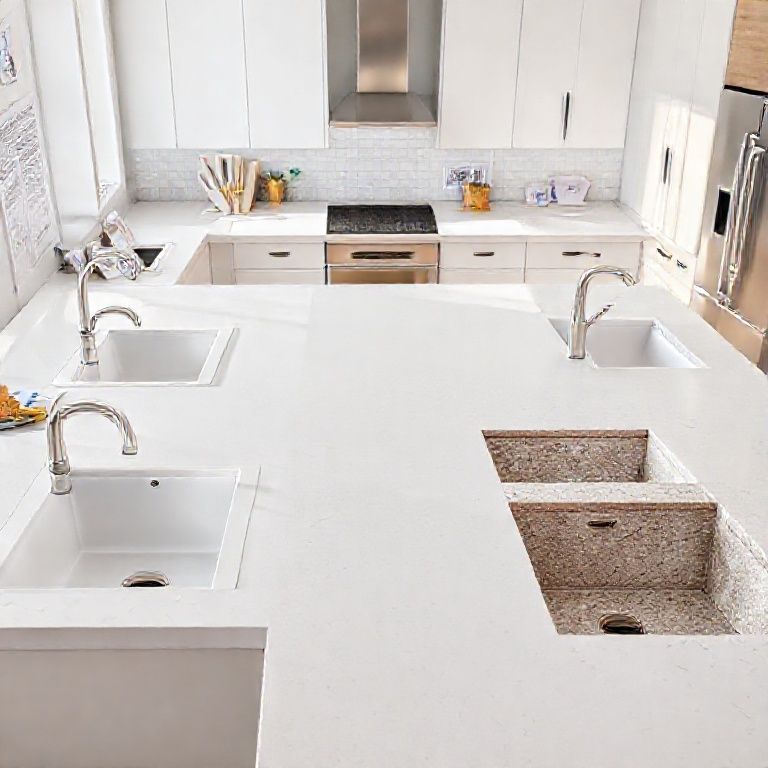
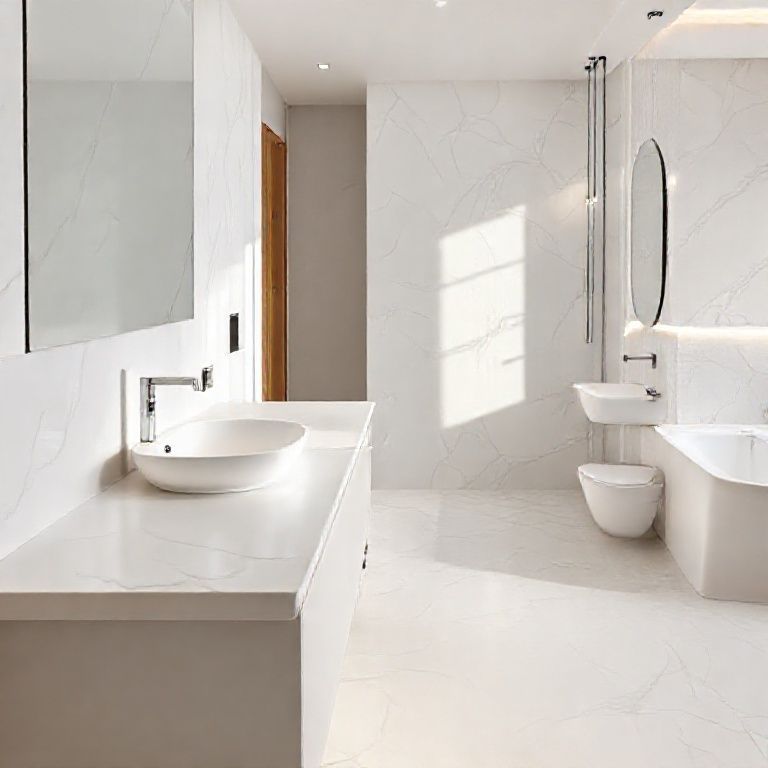
Quartz: Quartz countertops provide a uniform, flawless look that can mimic the appearance of almost any natural stone. Available in a vast array of colors and patterns, quartz allows for endless design possibilities. This versatility makes it a popular choice for those looking to create a cohesive, contemporary look in their kitchen or bathroom.
Granite: Granite’s appeal lies in its natural, unique beauty. Each slab of granite is distinct, featuring beautiful patterns and veins that add character to any space. This natural aesthetic is perfect for those who appreciate the unique beauty of natural stone and are willing to pay a premium for its authenticity and character.
Cost: Value for Money
When it comes to cost, both quartz and granite countertops offer a range of price points, but they cater to different budgets.
Quartz: Quartz countertops are generally more affordable than granite, making them accessible to a broader range of homeowners. However, prices can vary depending on the design and color. High-end quartz surfaces with intricate patterns can be more expensive, but they offer excellent value for their durability and low maintenance.
Granite: Granite countertops tend to be more expensive due to their natural origin and the labor-intensive process required to cut and polish the stone. However, the cost can be justified by the unique beauty and durability of the material. High-quality granite slabs can be a significant investment, but they offer long-term value and a distinctive appearance that’s hard to replicate.
Environmental Impact: Sustainability Considerations
In today’s eco-conscious world, it’s essential to consider the environmental impact of your home renovation choices.
Quartz: Quartz is a man-made product, meaning it’s manufactured in a controlled environment. While the production process can have environmental impacts, quartz countertops are often made from recycled materials, which can contribute to a more sustainable product. Additionally, their durability means they last longer, reducing the need for replacements.
Granite: Granite is a natural stone, and its extraction and processing can have significant environmental impacts, including habitat disruption and water usage. However, granite is a long-lasting material, and its durability can offset some of these environmental costs over time. Choosing high-quality, responsibly sourced granite can help mitigate some of these concerns.
Conclusion: Making the Right Choice
When deciding between quartz and granite countertops, it’s essential to consider your priorities. If low maintenance, durability, and a uniform, elegant look are your top concerns, quartz might be the better choice. On the other hand, if you’re looking for a unique, natural stone with a distinctive appearance and are willing to invest in higher maintenance, granite could be the perfect option.
In the next part of our comparison, we will explore additional factors such as cost-effectiveness, installation, and customization options to help you make an informed decision.
Cost-Effectiveness, Installation, and Customization
In the previous part, we delved into the durability, maintenance, and aesthetic aspects of quartz and granite countertops. Now, let’s continue our exploration by examining cost-effectiveness, installation, and customization options. This will provide you with a comprehensive understanding of what to expect when choosing between these two popular countertop materials.
Cost-Effectiveness: Value and Longevity
Understanding the long-term value and cost-effectiveness of your countertop choice is crucial for making a sound investment.
Quartz: Quartz countertops are generally more affordable upfront compared to granite. Their low maintenance requirements mean fewer costs over time for cleaning and sealing, making them a cost-effective choice. While high-end quartz surfaces can be more expensive, their durability means they typically last longer, reducing the need for replacements and repairs.
Granite: Granite countertops come with a higher initial cost due to their natural stone nature and the labor required to cut and polish the material. However, granite’s durability and longevity can offset these initial expenses. High-quality granite slabs can last for decades with proper care, making them a valuable long-term investment. Despite the higher cost, many homeowners find the unique beauty and durability of granite justify the expense.
Installation: Ease and Expertise
The installation process for quartz and granite countertops can vary, and understanding these differences can help you choose the right material and contractor.
Quartz: Quartz countertops are known for their ease of installation. Their solid surface and uniform composition make them straightforward to cut and install. Many quartz slabs can be installed by a professional in a relatively short amount of time. Additionally, quartz’s resistance to thermal shock means it can handle the heat from cooking without warping or cracking, making it a practical choice for kitchens.
Granite: Granite installation requires more expertise due to its natural stone nature. Granite slabs need to be carefully cut and polished to achieve the desired finish. The installation process can take longer than quartz due to the need for precise cutting and sealing. However, the unique beauty of granite often makes the extra effort worthwhile. Professional installation is recommended to ensure the best results and longevity.
Customization: Design Flexibility
Customization is a significant advantage of both quartz and granite, but they offer different levels of flexibility and options.
Quartz: Quartz’s versatility allows for extensive customization. Manufacturers can create virtually any color, pattern, and design, offering endless possibilities for your kitchen or bathroom. This flexibility means you can achieve a look that closely matches your vision, whether it’s a sleek, modern aesthetic or a more traditional design.
Granite: Granite’s unique beauty comes from its natural patterns and veins, which can’t be replicated. While this means less flexibility in design, it also provides a distinctive, one-of-a-kind look that can add character to any space. Granite’s natural stone nature means each slab is unique, offering a level of customization that’s difficult to achieve with other materials.
Warranty and Guarantees: Long-Term Assurance
When it comes to warranties and guarantees, both quartz and granite offer assurance of quality and durability.
Quartz: Quartz countertops typically come with a manufacturer’s warranty that covers defects in material and workmanship. These warranties often last for 10 to 15 years, providing long-term assurance of the countertop’s quality and durability. Some manufacturers even offer lifetime warranties on certain designs.
Granite: Granite countertops also come with warranties that typically last from 10 to 20 years, depending on the manufacturer. While granite’s warranty may not cover all potential issues due to its porous nature, it still offers significant assurance of the countertop’s longevity.
Environmental Impact: Sustainable Choices
Considering the environmental impact当然,我们可以继续讨论关于石英石和人造石台面的比较,涵盖更多细节和具体选择时的考量。
石英石和人造石台面的环保性
石英石: 石英石是一种由多种天然石材如石英、长石、和云母组成的复合材料。尽管它的制造过程涉及大量的能源消耗,但它的环保性可以通过其长寿命和低维护需求来部分补偿。现代的石英石生产技术正在不断改进,以减少环境影响,比如采用更加环保的制造工艺和材料。
人造石: 人造石台面通常是由天然石材碎片和树脂混合制成的。这种材料的生产过程也需要较多的能源和化学品,但其可再生性和可定制性使其在一些方面比天然石材更环保。例如,人造石可以利用再生材料,减少对新天然资源的开采。
成本与预算
石英石: 石英石的价格因其品牌和设计而异。高端石英石台面可能价格昂贵,但它们通常具有更高的耐用性和美观性。如果你预算有限,可以选择一些中档的石英石台面,它们仍然提供了很好的耐用性和低维护需求。
人造石: 人造石台面通常比石英石便宜,因为其材料成本较低,且有更多的设计和颜色选择。如果你希望以较低的预算获得高质量的台面,人造石可能是一个不错的选择。
安装与维护
石英石: 由于石英石的硬度和耐用性,它通常不需要特别复杂的安装过程。由于其坚硬的特性,安装过程中需要小心处理,以防止损坏。石英石的维护非常简单,主要是定期擦拭和使用专用清洁剂。
人造石: 人造石的安装过程通常也比较简单,但由于其材料可能不如石英石那么坚硬,在安装和使用过程中需要更加小心。人造石台面需要定期清洁,以防止积累污渍和油脂,特别是在厨房环境中。
热和冷的耐受性
石英石: 石英石具有优秀的热耐受性,能够很好地承受高温,不会轻易变形或损坏。这使得它非常适合用于厨房和其他需要高温环境的区域。
人造石: 人造石的耐热性也很好,但在极端高温下,某些人造石材料可能会出现变形或损坏。因此,在设计和选择时需要考虑材料的具体耐热性能。
美观与设计
石英石: 石英石的最大优势之一是其设计灵活性。它可以模仿各种天然石材的外观,包括大理石、花岗岩等,并且可以定制各种复杂的图案和颜色。这使得它在高端家居设计中非常受欢迎。
人造石: 人造石同样具有很好的设计灵活性,但由于其材料成分,有时在细节和质感上可能不如天然石材。现代的人造石技术已经非常先进,能够提供非常接近天然石材的视觉和触觉效果。
总结
在选择石英石和人造石台面时,你需要综合考虑预算、耐用性、维护需求、美观设计以及环保因素。如果你追求高端、耐用且低维护的台面,且预算充足,石英石可能是更好的选择。而如果你希望以较低的成本获得灵活多样的设计,那么人造石可能更适合你。
无论你选择哪一种,都可以通过专业的安装和定期的维护来确保其最佳性能和外观。