Aesthetic Appeal and Design Flexibility
When it comes to selecting countertops, aesthetics play a pivotal role. Both synthetic marble and quartz offer unique design possibilities, but they cater to different tastes and preferences.
Aesthetic Appeal
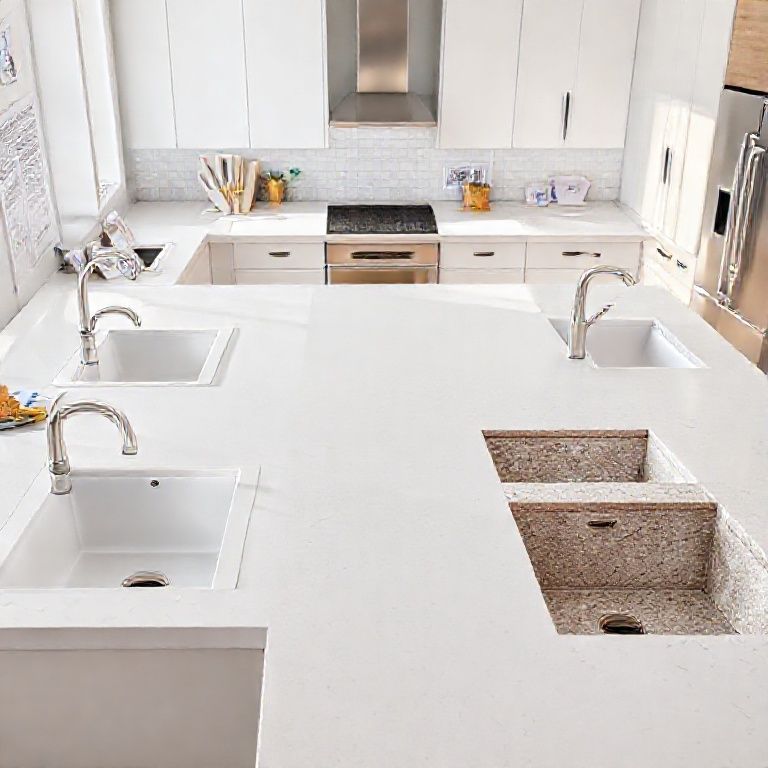
Synthetic Marble: Synthetic marble, often referred to as engineered stone, boasts a striking aesthetic that closely mimics natural marble. Its surface is meticulously crafted to replicate the intricate patterns and rich colors of natural marble, offering an elegant and luxurious look. Available in a wide range of designs, synthetic marble can be customized to suit any style, from traditional to contemporary. The material’s ability to mimic the look of marble without the high cost makes it an attractive option for homeowners looking to add a touch of opulence to their spaces.
Quartz Countertops: Quartz, on the other hand, provides an array of options that extend beyond traditional marble mimicry. Made from 90% pure quartz and bonded with resin, quartz countertops offer an unparalleled level of design flexibility. With over a million color and pattern combinations available, quartz allows for endless customization. Whether you prefer sleek and modern designs or bold, artistic patterns, quartz can be engineered to meet your exact vision. Its versatility means that quartz can seamlessly blend into various design themes, from rustic to ultra-modern.
Design Flexibility
Synthetic Marble: While synthetic marble excels in aesthetic appeal, it does have some limitations in design flexibility. Because it is engineered to mimic natural marble, it can only replicate the patterns found in marble. This means that while synthetic marble can look very convincing, it cannot offer the same level of originality as other materials like quartz. However, advancements in synthetic marble technology continue to push the boundaries, allowing for more unique designs and patterns.
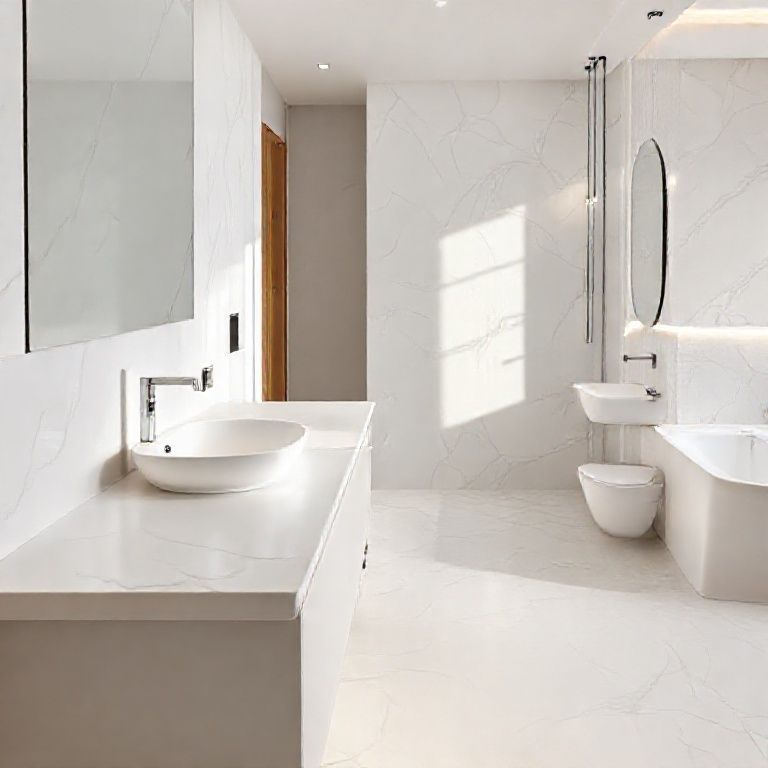
Quartz Countertops: Quartz countertops truly shine in design flexibility. Unlike synthetic marble, quartz does not mimic any single natural stone. Instead, it allows for the creation of entirely new and unique patterns. This opens up a world of creative possibilities, enabling designers and homeowners to innovate and experiment with new designs. Quartz’s customizable nature means that it can be tailored to fit any aesthetic, offering an almost limitless range of options. Whether you desire a minimalist look or a highly decorative design, quartz can be crafted to suit your vision perfectly.
Installation and Compatibility
Both synthetic marble and quartz are relatively easy to install, thanks to their flat and seamless surfaces. However, there are some differences in how they interact with other elements of your home.
Synthetic Marble: Synthetic marble is a versatile material that generally works well with a variety of styles and settings. It is compatible with most kitchen and bathroom layouts, providing a seamless look when integrated with other materials. However, because it mimics natural marble, it may not always blend as naturally with non-marble elements like granite or quartz, especially if those elements have very different patterns or colors.
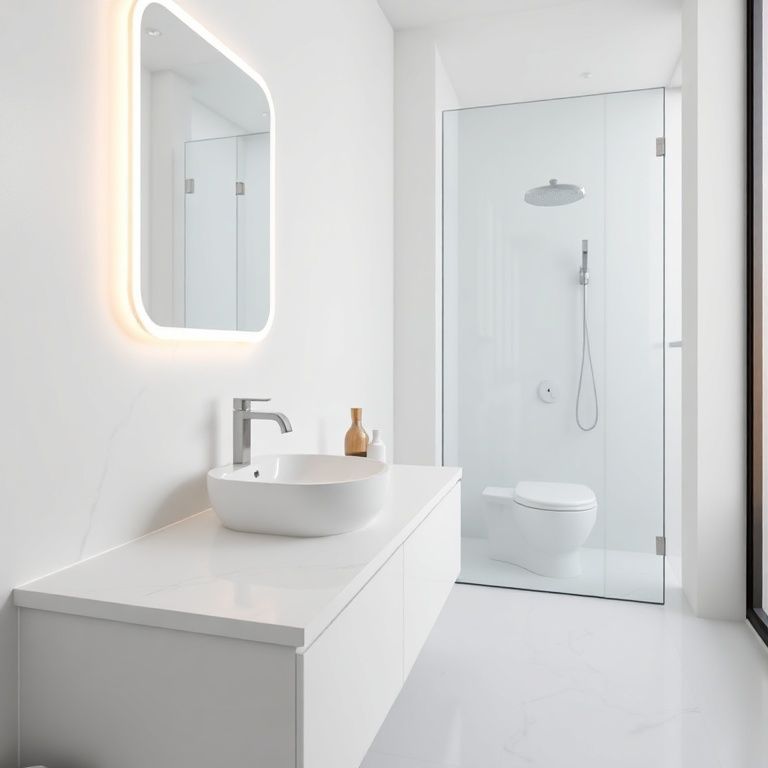
Quartz Countertops: Quartz’s adaptability extends to its compatibility with various home elements. Its neutral and versatile nature makes it easy to combine with different materials, textures, and colors. Whether you choose a sleek, monochromatic design or a bold, patterned one, quartz can harmonize well with a wide range of styles. This makes it an excellent choice for modern homes where a cohesive look across different materials is desired.
Durability and Maintenance
When it comes to durability and maintenance, both synthetic marble and quartz offer compelling advantages and some trade-offs.
Durability
Synthetic Marble: Synthetic marble is highly durable and resistant to scratches, stains, and heat. It is designed to mimic the durability of natural marble while being more resilient to the wear and tear that often plagues kitchen and bathroom surfaces. Synthetic marble is less prone to cracking or chipping compared to natural stone, making it a reliable choice for high-traffic areas. However, like all synthetic materials, it may not have the same timeless appeal as natural stone for some users.
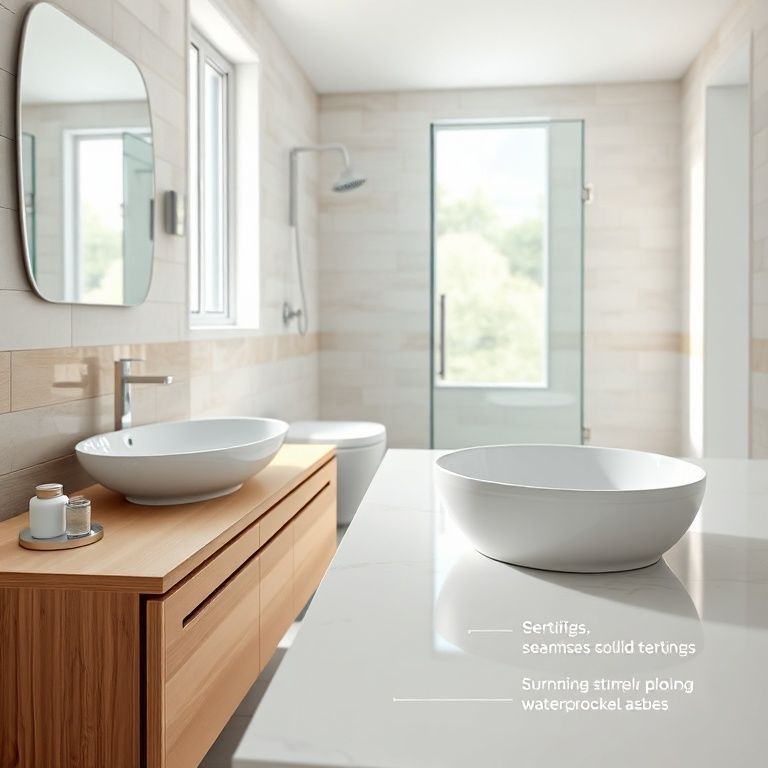
Quartz Countertops: Quartz is renowned for its exceptional durability. It is 94% solid quartz, which makes it incredibly resistant to scratches, stains, and heat. This means that quartz countertops are extremely durable and can withstand heavy use without showing signs of wear. Quartz is also impervious to bacteria and mold, which makes it an ideal choice for kitchens and bathrooms where hygiene is a concern. Additionally, quartz’s resistance to thermal shock ensures that it can handle hot pots and pans without cracking or breaking.
Maintenance
Synthetic Marble: Maintaining synthetic marble is relatively straightforward. Since it does not react with acidic foods or beverages, it does not require special cleaning products. A simple wipe-down with a mild soap and water solution is usually sufficient to keep synthetic marble looking pristine. However, it is important to avoid using abrasive cleaners or sponges, as they can scratch the surface. To maintain the finish, occasional polishing may be required to restore its shine.
Quartz Countertops: Quartz countertops are known for their low maintenance requirements. They do not need sealing like natural stone does, which eliminates the need for periodic reapplication of oils or waxes. A simple wipe-down with a mild soap and water solution is typically enough to keep quartz countertops looking great. This low maintenance aspect is one of the key reasons why quartz is favored by many homeowners. Additionally, the surface is easy to clean and resistant to stains, making it ideal for busy households.
Cost Considerations
The cost of synthetic marble versus quartz countertops can vary widely, depending on several factors including design, quality, and customization.
Synthetic Marble: Synthetic marble generally offers a more affordable option compared to natural marble. Its cost can range from moderate to high, depending on the complexity of the design and the quality of the materials used. Synthetic marble’s affordability makes it an attractive choice for homeowners looking for a luxurious look without the premium price tag of natural marble. However, the cost can still be significant, especially for custom designs or large installations.
Quartz Countertops: Quartz countertops are known for their competitive pricing, making them an excellent value for their quality and durability. The cost can vary widely based on the specific design and color choices. Quartz is often more affordable than high-end natural stone options, yet it offers superior durability and maintenance benefits. Additionally, the low maintenance and durability of quartz often result in a lower total cost of ownership over time, as there are fewer expenses related to cleaning, sealing, and repairs.
Long-Term Value and Environmental Impact
When making a significant investment in your home, it’s crucial to consider not just the upfront cost, but also the long-term value and environmental impact of the materials you choose. In this section, we will explore these aspects in greater detail to help you make an informed decision.
Long-Term Value
Synthetic Marble: Synthetic marble offers excellent long-term value, especially when compared to natural marble. Its durability and resistance to scratches, stains, and heat mean that synthetic marble can maintain its appearance and functionality over many years. While the initial cost may be higher than some other materials, the longevity and resilience of synthetic marble often result in a lower total cost of ownership over time. Additionally, synthetic marble’s ability to mimic natural marble provides a luxurious look without the premium price of natural stone.
Quartz Countertops: Quartz countertops are renowned for their long-term value. Their durability, combined with low maintenance requirements, makes quartz an excellent long-term investment. Because quartz is resistant to scratches, stains, and thermal shock, it maintains its appearance and functionality for many years. The low maintenance aspect of quartz means that there are fewer expenses related to cleaning and repairs, further enhancing its long-term value. Additionally, the wide range of customizable designs allows quartz to stay relevant and stylish for an extended period.
Environmental Impact
Synthetic Marble: The production of synthetic marble involves significant environmental considerations. While synthetic marble does not involve the extraction of natural resources, its manufacturing process can be energy-intensive and may involve the use of non-renewable resources. The production of synthetic marble typically requires the use of resins and other chemicals, which can have environmental implications. However, advancements in manufacturing technology are continually improving the sustainability of synthetic marble production.
Long-Term Value and Environmental Impact
When making a significant investment in your home, it’s crucial to consider not just the upfront cost, but also the long-term value and environmental impact of the materials you choose. In this section, we will explore these aspects in greater detail to help you make an informed decision.
Long-Term Value
Synthetic Marble: Synthetic marble offers excellent long-term value, especially when compared to natural marble. Its durability and resistance to scratches, stains, and heat mean that synthetic marble can maintain its appearance and functionality over many years. While the initial cost may be higher than some other materials, the longevity and resilience of synthetic marble often result in a lower total cost of ownership over time. Additionally, synthetic marble’s ability to mimic natural marble provides a luxurious look without the premium price of natural stone.
Quartz Countertops: Quartz countertops are renowned for their long-term value. Their durability, combined with low maintenance requirements, makes quartz an excellent long-term investment. Because quartz is resistant to scratches, stains, and thermal shock, it maintains its appearance and functionality for many years. The low maintenance aspect of quartz means that there are fewer expenses related to cleaning and repairs, further enhancing its long-term value. Additionally, the wide range of customizable designs allows quartz to stay relevant and stylish for an extended period.
Environmental Impact
Synthetic Marble: The production of synthetic marble involves significant environmental considerations. While synthetic marble does not involve the extraction of natural resources, its manufacturing process can be energy-intensive and may involve the use of non-renewable resources. The production of synthetic marble typically requires the use of resins and other chemicals, which can have environmental implications. However, advancements in manufacturing technology are continually improving the sustainability of synthetic marble production.
Quartz Countertops: Quartz countertops have a relatively lower environmental impact compared to many other materials. The primary component of quartz is natural quartz, which is abundant and readily available. The manufacturing process for quartz countertops, while energy-intensive, is generally more sustainable compared to the extraction and processing of natural stone. Additionally, quartz’s durability means that it requires less frequent replacement, further reducing its environmental footprint over time.
Installation and Underlayment
Synthetic Marble: Synthetic marble is relatively easy to install, but it does require a proper underlayment to ensure a secure and stable installation. The choice of underlayment can affect the overall performance and longevity of the synthetic marble countertop. Proper installation techniques and high-quality underlayment are essential to prevent issues like warping or cracking over time. Synthetic marble can be installed over various substrates, including plywood, cement board, or even concrete, but careful preparation and adherence to manufacturer guidelines are crucial.
Quartz Countertops: Quartz countertops also require a suitable underlayment for optimal installation. The choice of underlayment can significantly impact the stability and longevity of the quartz countertop. Quartz is known for its high-density and low water absorption, which makes it suitable for a variety of installation substrates, including plywood, cement board, and concrete. Quartz’s durability and resistance to movement make it less prone to issues like warping or cracking compared to other materials. Proper installation techniques and the use of high-quality underlayment are essential to ensure a smooth and long-lasting finish.
Chemical Resistance and Safety
Synthetic Marble: Synthetic marble offers excellent chemical resistance, making it an ideal choice for kitchen and bathroom applications where exposure to acidic foods, cleaning agents, and other chemicals is common. Synthetic marble’s non-porous surface prevents stains and chemical reactions, ensuring that the countertop maintains its appearance over time. However, synthetic marble can still be susceptible to scratches and impacts, so it is important to use protective measures to prevent damage.
Quartz Countertops: Quartz countertops are renowned for their exceptional chemical resistance. The solid surface of quartz makes it highly resistant to stains, scratches, and chemical reactions. This means that quartz countertops can withstand a wide range of household chemicals without showing signs of wear or damage. Additionally, quartz’s non-porous surface prevents bacteria and mold growth, making it an excellent choice for hygiene-conscious households. Quartz’s durability and resistance to impacts also ensure that it can handle the rigors of everyday use in kitchens and bathrooms.
Warranty and Support
Synthetic Marble: Synthetic marble typically comes with a warranty that covers defects in material and workmanship. The length and coverage of the warranty can vary depending on the manufacturer and the specific product. While synthetic marble’s durability often means that it requires minimal repairs, a warranty provides peace of mind and assurance that the manufacturer stands behind their product. It’s important to review the warranty details carefully to understand what is covered and the terms of the warranty.
Quartz Countertops: Quartz countertops usually come with a comprehensive warranty that covers defects in material and workmanship for a significant period, often ranging from 10 to 20 years. This long-term warranty reflects the high durability and reliability of quartz countertops. Additionally, manufacturers of quartz typically offer excellent customer support and service, providing assistance with installation, maintenance, and repairs. The warranty and support services provided by quartz manufacturers offer a high level of assurance and peace of mind for homeowners.
Conclusion
The choice between synthetic marble and quartz countertops ultimately comes down to your specific needs, preferences, and budget. Both materials offer unique advantages and some trade-offs, making them excellent options for modern home design. Synthetic marble provides a luxurious look at a competitive price, with excellent durability and low maintenance requirements. Quartz countertops offer unparalleled design flexibility, exceptional durability, and low maintenance, making them ideal for those who value both aesthetics and functionality.
By considering factors such as aesthetics, durability, maintenance, cost, environmental impact, installation, chemical resistance, and warranty support, you can make an informed decision that will enhance the beauty and functionality of your home for years to come.