Introduction:
Imagine walking into your kitchen or bathroom, only to be met by the sight of a cracked countertop—a simple yet daunting problem. “台面裂了” (The countertop is cracked) might sound like a small issue, but it can escalate into a major headache if not addressed promptly. Cracks in countertops are not just an aesthetic concern; they can lead to more severe issues if left unattended. In this first part of our series, we will explore the common causes of countertop cracks and provide practical solutions to prevent and repair these unwelcome fissures.

Understanding the Culprits:
Cracks in countertops can occur due to various reasons, often stemming from unforeseen circumstances or poor maintenance. Here are some of the primary culprits behind cracked countertops:
Impact Damage: One of the most common causes of countertop cracks is direct impact. Whether it’s a heavy object falling onto the surface or a sharp edge being placed on it, the force can easily create a crack. This is particularly common in kitchens where appliances and utensils are frequently placed on the countertop.
Thermal Stress: Countertops are often subjected to high temperatures, especially in kitchens. If there is a sudden change in temperature, such as placing a hot pot or pan on a cold surface, it can cause the material to expand and contract unevenly, leading to cracks.

Material Defects: Sometimes, the cracks are due to inherent defects in the material itself. For instance, natural stone countertops can have microscopic flaws that become visible over time due to stress and wear.
Installation Issues: Improper installation can also lead to cracks. If the countertop is not properly secured to the cabinet or if there is a misalignment, it can create stress points that result in cracks.
Preventive Measures:
Prevention is always better than cure. Here are some practical tips to prevent countertop cracks:
Use Coasters and Trivets: To protect your countertop from thermal stress, always use coasters under hot pots, pans, and cups. Trivets can also help protect the edge of your countertop from the heat of the stove.
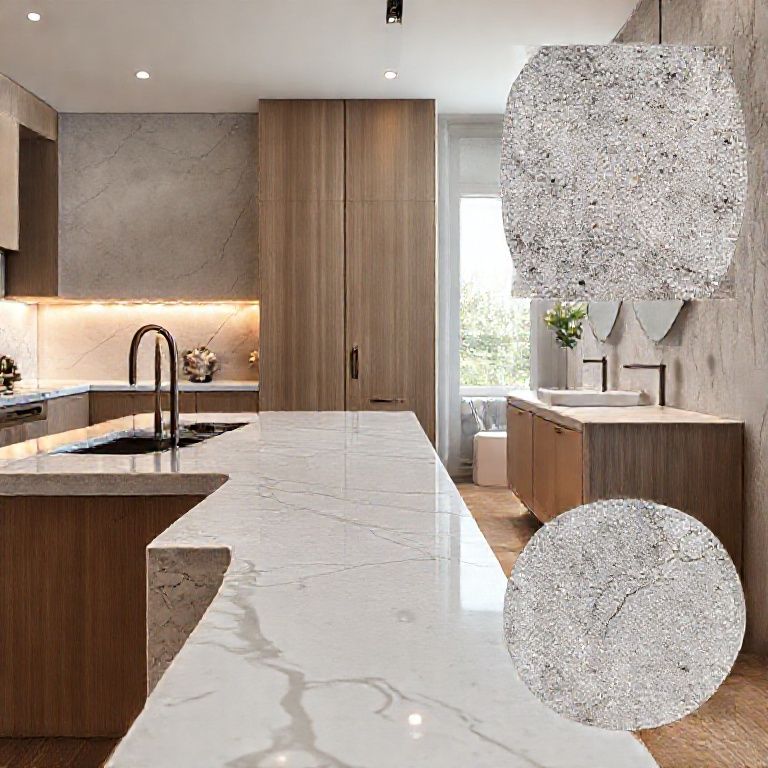
Avoid Heavy Impacts: Be cautious when placing heavy objects on your countertop. If possible, use a cutting board or other protective surface to minimize direct impact.
Proper Installation: Ensure that your countertop is properly installed by a professional. Proper installation reduces the risk of stress points and misalignment.
Regular Maintenance: Regular cleaning and maintenance can help prevent cracks. Use appropriate cleaning agents and avoid abrasive cleaners that can damage the surface.

Temperature Control: Avoid drastic changes in temperature. If you’re using a hot item, let it cool down a bit before placing it on the countertop.
Repair Solutions:
If you do find a crack in your countertop, don’t despair. There are several effective repair solutions depending on the severity of the crack:
Epoxy Resin: For small cracks, an epoxy resin can be an effective solution. Epoxy is strong and can fill in the crack, making it less visible. However, it requires a bit of skill to apply correctly.
Polyurethane Sealant: For larger cracks, a polyurethane sealant can be used. This sealant is flexible and can accommodate the movement in the material, making it a good choice for repairing larger cracks.
Professional Repair Services: If the crack is extensive, it might be best to consult a professional repair service. They have the expertise and tools to repair or even replace the damaged section without compromising the overall integrity of the countertop.
Conclusion:
Cracked countertops might seem like a minor issue at first glance, but they can lead to bigger problems if not addressed promptly. By understanding the causes and taking preventive measures, you can keep your countertops in excellent condition. In the next part of this series, we will delve deeper into advanced repair techniques and explore innovative solutions to maintain the beauty and functionality of your countertops.
Advanced Repair Techniques and Innovative Solutions
Introduction:
In the first part of our series, we explored the common causes and preventive measures for cracked countertops. Now, in this second part, we will dive deeper into advanced repair techniques and innovative solutions to keep your countertops looking pristine and functioning optimally. Whether you’re dealing with minor cracks or more extensive damage, we’ve got you covered with expert advice and practical tips.
Advanced Repair Techniques:
When it comes to repairing cracked countertops, having the right tools and techniques can make all the difference. Here are some advanced repair methods that can help you restore your countertop to its former glory:
Crack Injection: For cracks that run deep into the material, crack injection is an effective technique. This method involves injecting a flexible epoxy resin into the crack to fill it and provide structural support. The resin is carefully injected into the crack using a syringe or a specialized injection tool, ensuring that it fills all the tiny crevices and provides a strong bond.
Laminate Repair: Laminate countertops, such as Formica or Corian, can be repaired using specialized laminate repair kits. These kits contain materials that can be applied to the crack to match the original color and texture. The repair is done by heating the laminate material to melt it and fuse it to the existing surface, creating a seamless repair.
Surface Bonding: In cases where the crack is not too deep but has weakened the surface, surface bonding can be an effective solution. This involves using a high-strength adhesive to bond the cracked pieces back together. The adhesive is applied to the crack and the pieces are pressed together under pressure until the adhesive sets, creating a strong bond.
Replacement of Damaged Sections: For extensive damage, replacing the damaged section might be the best option. This involves cutting out the damaged area and replacing it with a new piece of countertop material. The new piece is bonded to the existing countertop using specialized adhesives and tools to ensure a seamless integration.
Innovative Solutions:
Modern technology has brought forth innovative solutions to repair and maintain countertops, making it easier than ever to keep your surfaces looking and functioning great. Here are some cutting-edge solutions:
Nano Technology: Nano technology is being used to create self-healing materials for countertops. These materials contain nanoparticles that can repair minor cracks and scratches on their own. This technology promises to extend the life of countertops and reduce the need for frequent repairs.
Smart Countertops: Smart countertops incorporate sensors and technology to monitor the condition of the surface. These countertops can detect cracks and other damage early on, allowing for timely repairs before the damage worsens. Some smart countertops can even alert homeowners to issues via connected devices.
3D Printing: For custom repairs, 3D printing can be used to create precise and custom-fit replacement parts. This technology allows for the creation of complex shapes and designs, ensuring that the replacement fits perfectly and blends seamlessly with the existing countertop.
Advanced Sealants: Advanced sealants are being developed to provide stronger and more durable protection against cracks and scratches. These sealants are designed to bond tightly with the countertop material, creating a protective barrier that can withstand impact and thermal stress.
Maintenance Tips:
Regular maintenance is key to preventing cracks and ensuring the longevity of your countertops. Here are some additional tips to keep your countertops in top condition:
Use Cutting Boards: Always use cutting boards or other protective surfaces when cutting food on your countertop. This prevents direct impact and reduces the risk of cracks.
Avoid Abrasive Cleaners: Use mild cleaning agents and non-abrasive sponges to clean your countertop. Avoid harsh chemicals that can scratch and damage the surface.
Regular Inspections: Regularly inspect your countertop for signs of wear, cracks, or damage. Early detection can prevent minor issues from becoming major problems.
Proper Storage: Store pots, pans, and other heavy items in a way that minimizes direct contact with the countertop. Use pot holders and trivets to protect the surface.
Conclusion:
Cracked countertops may seem like a daunting issue, but with the right knowledge and tools, they can be effectively addressed and prevented. From advanced repair techniques to innovative solutions, there are numerous ways to keep your countertops looking and functioning their best. By understanding the causes, taking preventive measures, and utilizing advanced repair methods, you can ensure that your kitchen and bathroom surfaces remain pristine and durable for years to come.
In this comprehensive guide, we’ve explored the various aspects of cracked countertops, providing you with the information you need to tackle this issue head-on. Remember, a little bit of care and attention can go a long way in maintaining the beauty and functionality of your countertops. Stay tuned for more tips and insights on home maintenance and renovation.