Durability and Maintenance
Introduction to Countertop Materials
When it comes to choosing kitchen and bathroom countertops, two materials frequently come to the forefront: quartz and engineered granite. Both have unique attributes that make them desirable for different reasons. However, to make an informed decision, it’s crucial to delve into their durability and maintenance requirements. This article will explore the intricacies of these two popular materials to help you decide which is the best choice for your space.
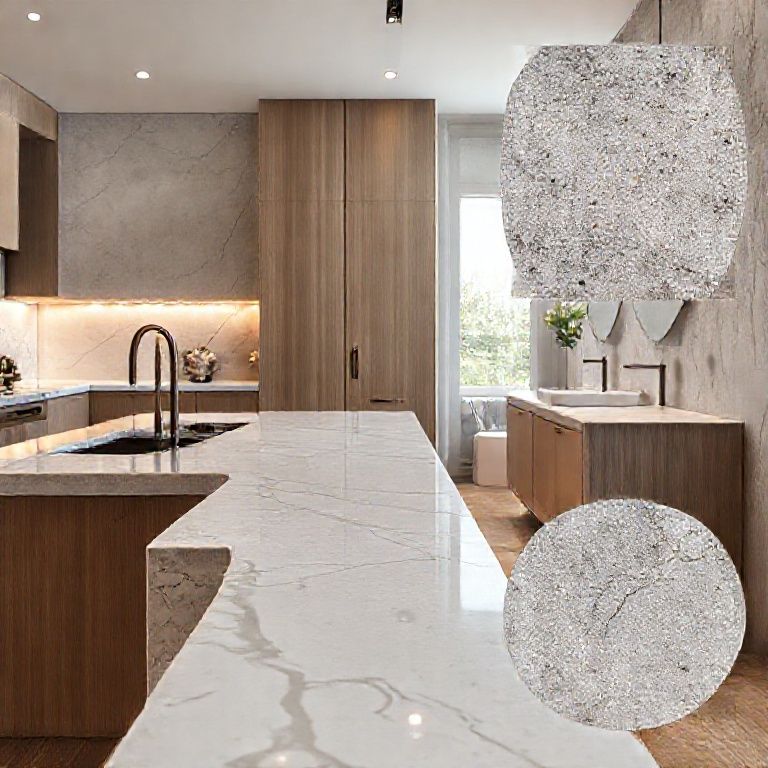
Durability: Quartz vs. Engineered Granite
Quartz Durability:
Quartz is a synthetic material composed of 93% pure quartz crystals fused together with resin. This composition grants quartz extraordinary durability. It’s resistant to scratches, stains, and cuts, making it an excellent choice for high-traffic areas like kitchens. Quartz countertops also boast a smooth, sleek surface that is easy to clean and maintain.
Engineered Granite Durability:
Engineered granite, on the other hand, is made from a blend of natural stone, typically granite, and a binding agent. This mixture is then sliced into slabs and polished. While engineered granite is strong and durable, it is not as scratch-resistant as quartz. It also has a porous surface that can absorb liquids, making it prone to staining if not properly maintained.
Maintenance: Quartz vs. Engineered Granite
Quartz Maintenance:
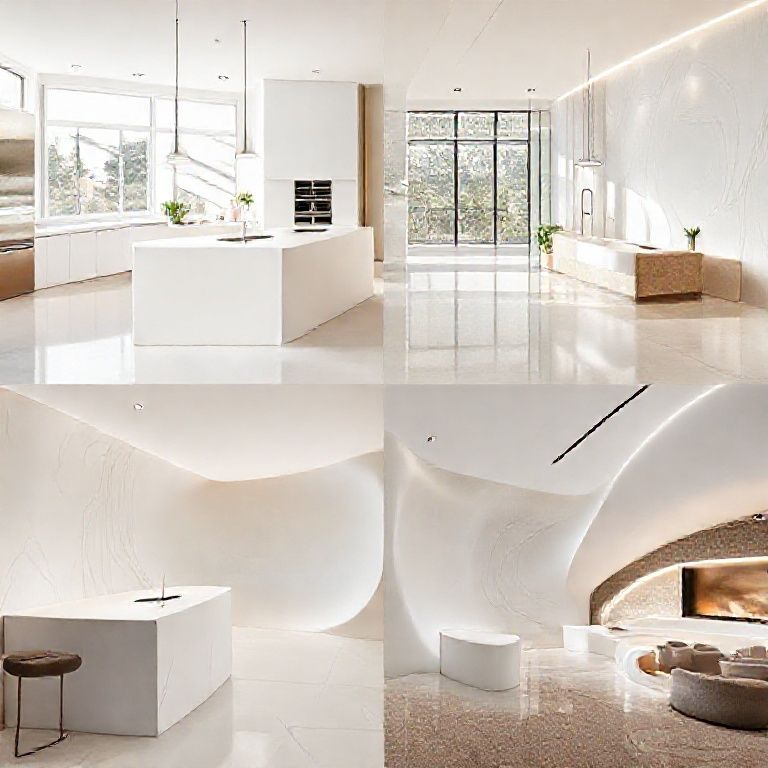
The maintenance of quartz countertops is relatively low-maintenance. Being a solid surface, quartz does not require sealing like natural stone. This means you can enjoy its beauty without worrying about reapplying sealants periodically. Regular cleaning with mild soap and water is usually sufficient. However, it’s important to use a cutting board and pads to avoid scratching the surface.
Engineered Granite Maintenance:
Engineered granite requires more upkeep compared to quartz. To maintain its appearance and longevity, it often needs to be sealed periodically to protect against stains. Regular cleaning with a mild soap and water is recommended, but it’s crucial to avoid using acidic or abrasive cleaners that could damage the surface. Proper sealing can extend the life of engineered granite, but it does add to the maintenance routine.
Conclusion:
In terms of durability and maintenance, quartz stands out as the superior choice. Its scratch, stain, and cut resistance make it a low-maintenance option that is easy to clean and requires no periodic sealing. In contrast, while engineered granite is also durable, it requires more upkeep to maintain its appearance and resistance to stains. For those seeking a hassle-free, long-lasting countertop, quartz is the clear winner.
Aesthetics and Installation
Aesthetics: The Visual Appeal of Quartz vs. Engineered Granite
Color and Design: Quartz
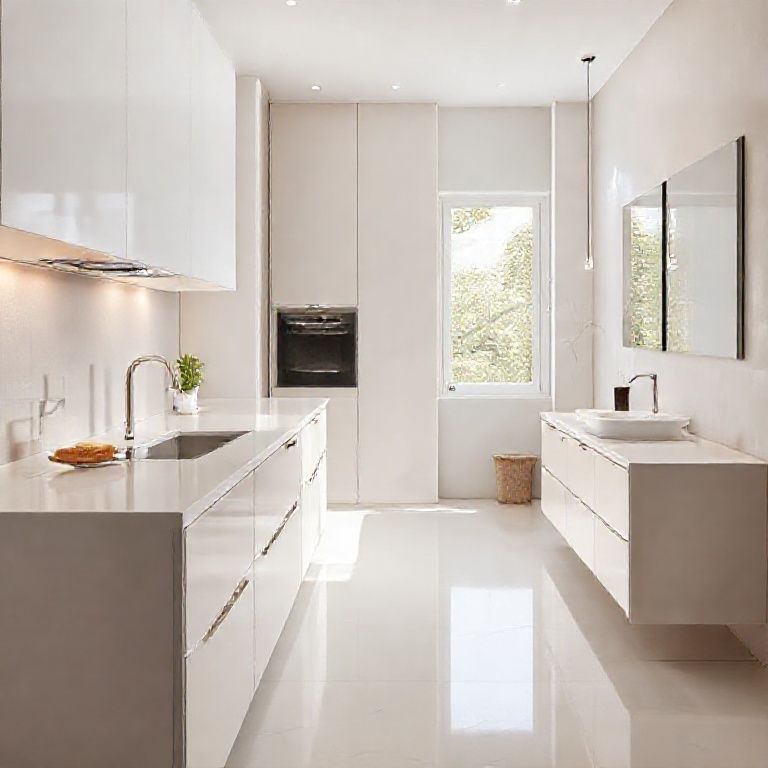
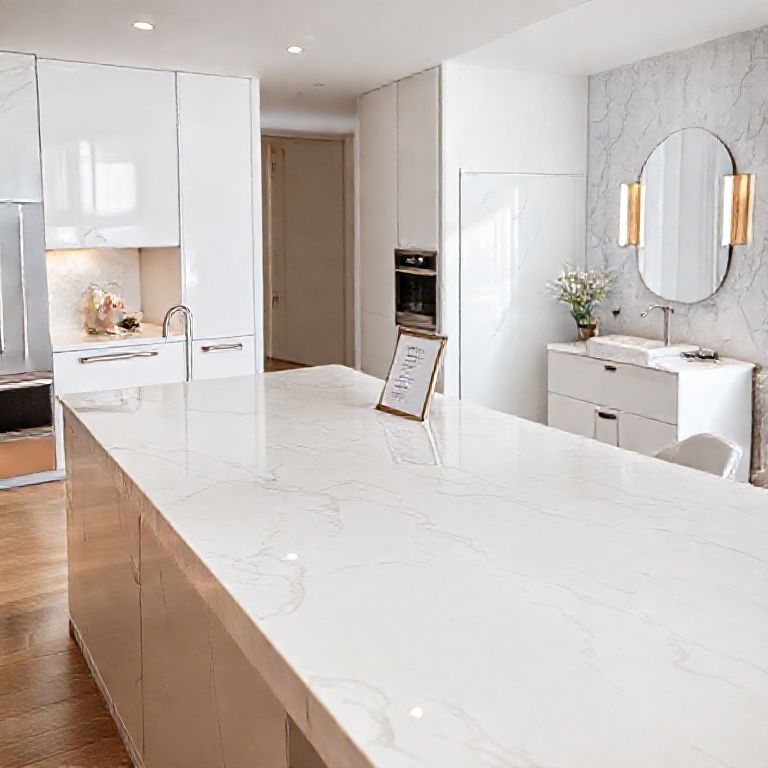
Quartz countertops come in a vast array of colors and patterns, offering an unparalleled level of customization. Manufacturers can create designs that mimic any type of stone, wood, or even marble, allowing homeowners to achieve their exact aesthetic vision. The seamless, uniform surface of quartz can lend a modern, sleek look to any kitchen or bathroom.
Color and Design: Engineered Granite
Engineered granite provides a more natural aesthetic appeal with its authentic stone look. The blend of natural stone and resin allows for a variety of colors and textures that mimic traditional granite. While it offers less customization in terms of patterns and colors compared to quartz, the natural stone look can add warmth and elegance to a space.
Installation: Ease and Expertise
Installation of Quartz Countertops
Installing quartz countertops is relatively straightforward. Due to its solid surface nature, quartz slabs can be cut to size in the shop and then installed with minimal on-site preparation. The installation process typically involves securing the quartz slab to the countertop frame using a silicone adhesive. This makes quartz a good option for DIY enthusiasts or those looking for a straightforward installation process.
Installation of Engineered Granite Countertops
Engineered granite slabs are slightly more challenging to install due to their weight and the need for precise cutting and fitting. On-site preparation is often more involved since the slabs may need to be cut to size and fitted to the existing cabinetry. The installation process generally requires professional expertise to ensure a perfect fit and secure attachment. This might add some complexity and cost to the installation process.
Conclusion:
When it comes to aesthetics and installation, quartz offers a highly customizable and visually striking option with a relatively easy installation process. Its wide range of colors and patterns allows for endless design possibilities. Engineered granite, while providing a natural stone look, requires more expertise in installation and offers fewer customization options. For those seeking a modern, easy-to-install countertop with a variety of design choices, quartz is the ideal choice.
Final Thoughts:
In the ultimate showdown between quartz countertops and engineered granite, both materials have their unique advantages and considerations. Quartz excels in durability, low maintenance, and customization, making it an excellent choice for those looking for a hassle-free, long-lasting countertop. Engineered granite offers a more natural aesthetic and can provide a warm, elegant look but requires more upkeep and professional installation.
Your choice will ultimately depend on your specific needs and preferences. Whether you prioritize durability and ease of maintenance or desire a natural stone look with a bit more effort in upkeep, understanding the strengths and limitations of both materials will guide you toward making an informed decision that will enhance your kitchen or bathroom for years to come.