The Battle of the Countertops: Quartz vs. Artificial Stone
When it comes to choosing a countertop for your kitchen or bathroom, the decision between quartz and artificial stone can be daunting. Both materials have carved a niche in the world of modern interior design, offering unique benefits and drawbacks. In this first part, we’ll delve into the fundamental characteristics, cost aspects, and initial investment required for each material to help you make an informed decision.

Material Composition and Quality
Quartz: Quartz countertops are a composite material made from 93% natural quartz and 7% resin binder. This blend offers a stone-like appearance with the durability of a solid surface. Produced by companies like Granites, Cambria, and Lagran, quartz countertops are known for their consistent quality and resistance to scratches, stains, and heat.
Artificial Stone: Artificial stone, on the other hand, is crafted from a mix of natural stone powder (like limestone, marble, or granite), bonding agents, and color pigments. Brands like Cosentino’s Silestone and Neolith are leaders in this space. While artificial stone offers a versatile array of colors and designs, its durability can vary depending on the specific formulation and quality of the raw materials used.
Cost Comparison
Initial Investment: The cost of quartz and artificial stone countertops can vary widely depending on the brand, design, and customization. Generally, quartz tends to be on the higher end of the price spectrum. High-end quartz countertops can range from $100 to $200 per square foot, making them a premium choice for those seeking luxury and longevity.
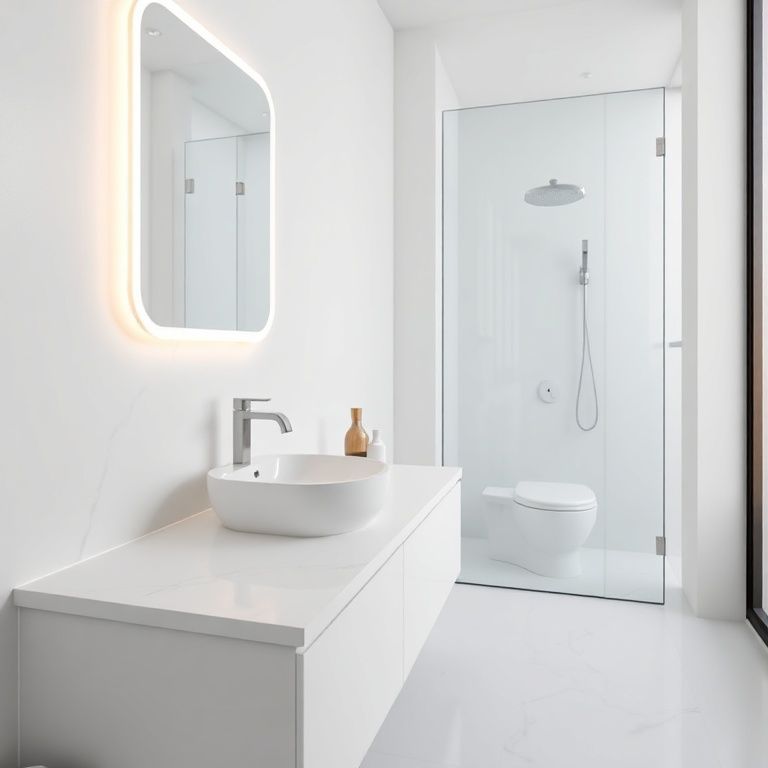
In contrast, artificial stone countertops usually range from $40 to $80 per square foot. This makes them a more budget-friendly option for those who desire a stone-like appearance without the premium price tag of quartz.
Installation Costs: Both quartz and artificial stone countertops require professional installation to ensure a seamless finish. While the base cost of the materials varies, the installation fees tend to be comparable due to the similar complexity of the materials. However, the choice of installer can sometimes influence these costs, so it’s advisable to get multiple quotes.
Durability and Maintenance
Quartz: One of quartz’s most celebrated features is its durability. The high percentage of natural quartz means that these countertops are highly resistant to scratches, stains, and heat. They don’t require sealing, which simplifies maintenance. Simply wipe with a mild detergent and water, and you’re good to go. This low-maintenance feature adds to their appeal, especially for households with kids or pets.
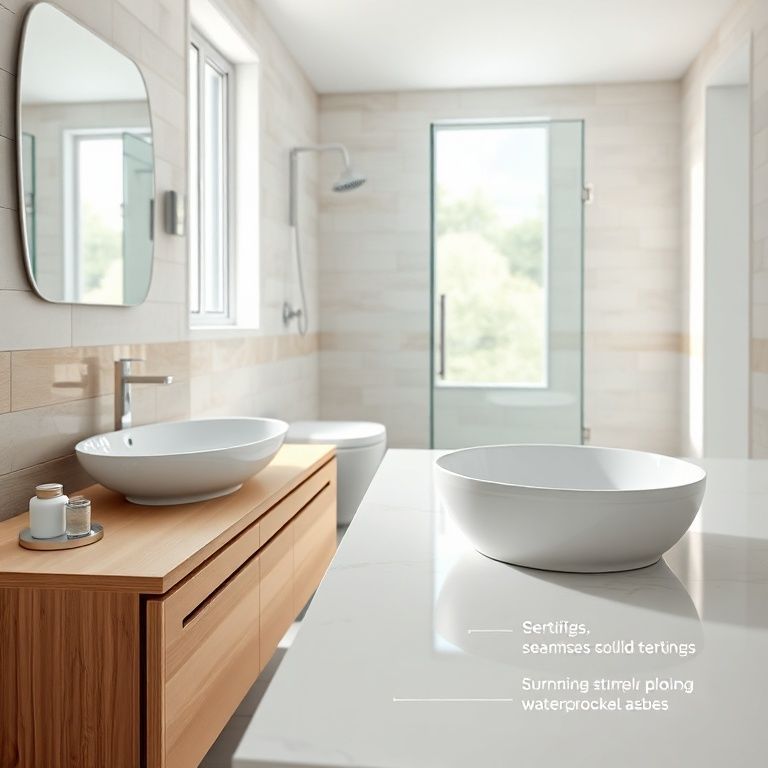
Artificial Stone: Artificial stone countertops are also durable, though they can be more prone to scratches compared to quartz. They generally need to be sealed periodically to maintain their protective qualities. The sealing process is relatively straightforward but does require periodic attention to ensure longevity. Despite this, artificial stone still offers a robust and resilient surface that stands up well to everyday wear and tear.
Aesthetic Appeal
Quartz: Quartz countertops are renowned for their stunning, natural stone-like appearance. With a wide range of colors and patterns available, quartz can mimic the look of various natural stones, including granite, marble, and even wood. This versatility allows for a high degree of customization, enabling homeowners to match their countertops perfectly with their existing décor.
Artificial Stone: Artificial stone also boasts an impressive aesthetic appeal, offering a realistic stone-like finish. While it may not quite match the seamless look of quartz, it still provides a convincing representation of natural stone. The range of colors and textures available is extensive, giving designers and homeowners plenty of options to achieve their desired look.
Environmental Impact
Quartz: The production of quartz countertops involves a significant amount of energy, primarily due to the high-temperature curing process required to fuse the quartz and resin. However, once installed, quartz is a low-maintenance material that has a long lifespan, which can offset the initial environmental cost.
Artificial Stone: Artificial stone production also requires energy, but the use of natural stone powder can provide a more environmentally friendly option compared to quartz, which relies heavily on resin. However, the overall environmental impact can vary based on the specific manufacturing processes and the sourcing of raw materials.
Conclusion
In the quest for the perfect countertop, both quartz and artificial stone have their compelling advantages and disadvantages. Quartz offers unmatched durability, a stunning array of designs, and low maintenance, albeit at a higher cost. Artificial stone provides a more budget-friendly alternative with good durability and aesthetic appeal, though it requires periodic sealing and maintenance. The choice ultimately comes down to your budget, desired aesthetics, and willingness to maintain the countertop.
Stay tuned for the second part of our comparison, where we’ll explore the long-term value, environmental sustainability, and unique features of both quartz and artificial stone countertops in more detail.
The Long-Term Value and Sustainability of Quartz vs. Artificial Stone Countertops
In the second part of our detailed comparison between quartz and artificial stone countertops, we’ll delve deeper into the long-term value, sustainability, and unique features of each material. This will help you understand not just the upfront costs but also the ongoing benefits and environmental impact over time.
Long-Term Value
Quartz: One of the most compelling arguments in favor of quartz countertops is their long-term value. Given their high durability and resistance to scratches, stains, and heat, quartz countertops maintain their appearance and functionality for decades. This longevity makes them a sound investment for homeowners looking for a high-end, long-lasting countertop material.
Moreover, quartz’s low maintenance requirements mean that the cost of upkeep is minimal over the years. This low-maintenance feature adds to the overall value proposition, as homeowners won’t need to spend significant amounts on cleaning products or professional services.
Artificial Stone: While artificial stone countertops are certainly durable and can last for many years, their longevity may be somewhat shorter compared to quartz. The periodic need for sealing means that while they can maintain their appearance for a long time, there’s an ongoing cost associated with this maintenance. However, artificial stone’s generally lower initial cost can offset this over time, making it a good choice for those who want a stone-like surface without a large upfront investment.
Sustainability
Quartz: The production of quartz countertops involves significant energy consumption due to the high-temperature curing process. This process requires substantial amounts of energy, which can raise concerns about the environmental impact. However, the longevity of quartz means that once installed, the material has a low ongoing environmental footprint. Additionally, the use of natural quartz can be seen as a positive aspect, as it’s a renewable resource.
Artificial Stone: Artificial stone production also involves energy consumption, but the inclusion of natural stone powder in its composition can be more sustainable than the resin-heavy process used in quartz production. The natural stone used in artificial stone countertops is typically sourced from quarries, and its extraction and processing can have environmental impacts. However, when compared to the resin-intensive process of making quartz, artificial stone’s use of natural stone powder can be viewed as more eco-friendly.
Unique Features
Quartz: One of quartz’s unique features is its versatility in design. The high percentage of natural quartz allows for a wide range of colors and patterns, giving designers and homeowners the ability to mimic the look of various natural stones. This versatility extends to customization, with quartz slabs often available in large formats, which can simplify installation and design.
Heat Resistance: Quartz is also highly resistant to heat, making it an excellent choice for kitchen countertops. Its ability to withstand high temperatures without warping or cracking ensures that it remains stable and functional in high-traffic areas.
Artificial Stone: Artificial stone also offers unique features, such as its ability to be cut into various shapes and sizes. This flexibility makes it a popular choice for custom designs and unique layouts.
Cost-Effectiveness: One of the standout features of artificial stone is its cost-effectiveness. The lower initial cost, combined with the ability to offer a stone-like appearance, makes it an attractive option for those who want the look of natural stone without the premium price tag.
Installation and Versatility
Quartz: The installation of quartz countertops is generally straightforward, but the high-temperature curing process requires specific equipment and expertise. This means that professional installation is usually recommended to ensure the best results. Despite the need for specialized installation, quartz’s durability and low maintenance make it a worthwhile investment.
Artificial Stone: Artificial stone countertops are also relatively easy to install, though they do require sealing after installation to maintain their protective qualities. The ease of installation and the flexibility in design make artificial stone a popular choice for DIY enthusiasts and professional installers alike.
Customization Options
Quartz: Quartz’s high degree of customization is one of its biggest selling points. The material can be colored and patterned in countless ways, allowing designers to create unique对不起,我的回复可能被截断了。
让我继续完整地讨论关于人造石和石英石台面的比较,特别是在长期价值、可持续性和独特特性方面。
长期价值
石英石: 石英石台面因其卓越的耐用性和耐污性而受到广泛欢迎。它们不仅抗污、抗刮擦,还能承受高温,这使得它们在厨房和浴室等高使用频率的区域特别受欢迎。由于石英石的耐用性和低维护需求,它们在长期使用中的价值显著。即使在多年后,石英石台面仍能保持其原始美观和功能,这对于希望长期保留家居装饰品价值的人来说是一个重要因素。
人造石: 人造石台面也具有相当的耐用性,但其耐污性和抗刮擦性可能不及石英石。由于其相对较低的初始成本,人造石在长期使用中的经济价值是显而易见的。虽然人造石需要定期密封以保持其防污特性,但这通常是一个简单且成本较低的过程。人造石在预算有限但仍希望获得石材外观的消费者中非常受欢迎。
可持续性
石英石: 石英石的生产过程确实需要大量的能源,特别是在高温固化过程中。石英石的长寿命意味着在使用其期间的环境影响较小。石英石本身是一种天然资源,尽管其开采和加工过程也有环境影响,但相对于其他材料,它的可持续性可能较好。
人造石: 人造石的生产过程中使用了天然石材粉,这在一定程度上提升了其可持续性。石材粉的开采和处理确实有环境影响,但相对于石英石的高能耗生产过程,人造石可能在环境影响方面更具优势。人造石的长寿命和低维护需求也有助于降低其整体生命周期内的环境影响。
独特特性
石英石: 石英石最独特的特性之一是其高度的耐用性和多样化的设计选择。由于石英石是由93%的天然石英和7%的树脂混合而成,它能够模仿各种天然石材的外观,包括大理石、花岗岩和石灰石。这种多样性使石英石成为创造独特和个性化家居设计的绝佳选择。
人造石: 人造石的独特之处在于其灵活性和成本效益。人造石可以制成各种形状和尺寸,适应不同的设计需求。虽然它的外观可能不如石英石那么精致,但它的成本效益使其成为追求性价比的消费者的理想选择。
石英石和人造石各有优缺点。石英石因其卓越的耐用性和设计灵活性而受到高端市场的青睐,而人造石则因其经济实惠和设计灵活性在预算有限的消费者中广受欢迎。最终的选择取决于个人的预算、设计偏好以及对材料的环保要求。无论选择哪种材料,了解它们的特性和维护需求都是做出明智决策的关键。