Aesthetics and Durability
Introduction to Marble Types
Marble, with its stunning veins and rich colors, has long been a favorite in high-end interiors and exteriors. However, the market now offers two primary options: artificial marble and natural marble. Each type boasts unique advantages and drawbacks that we’ll explore in depth.

The Aesthetics of Marble
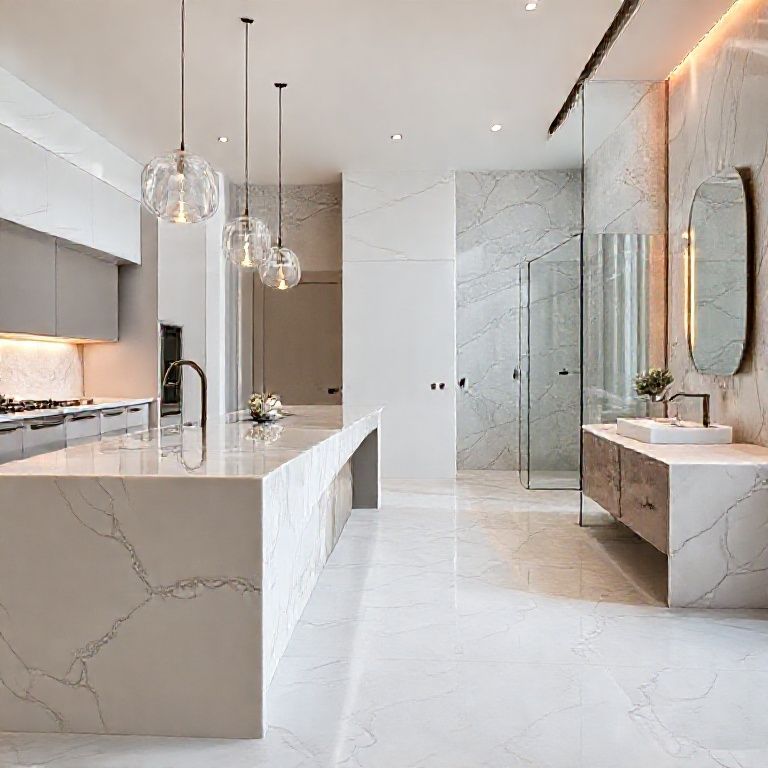
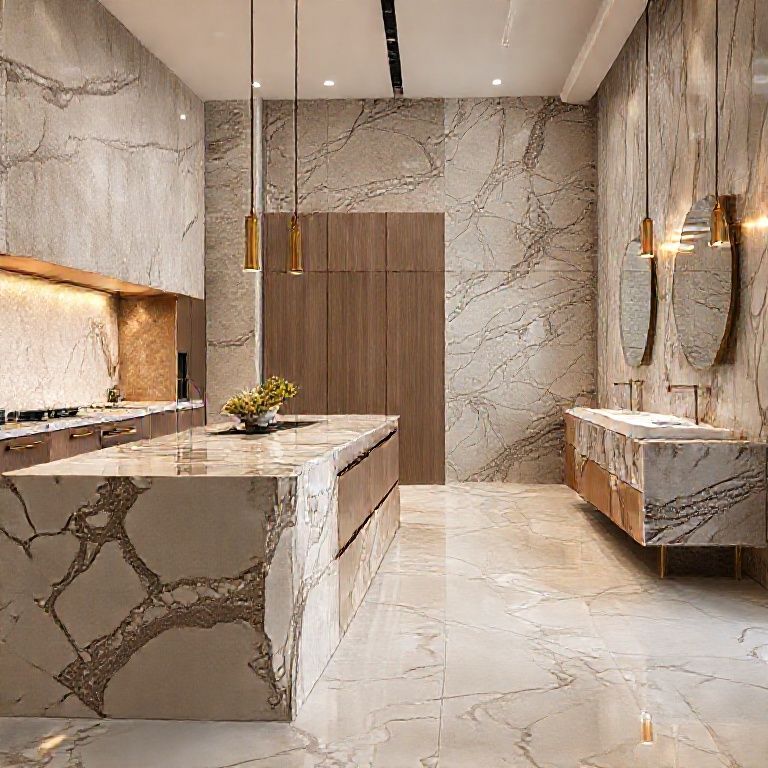
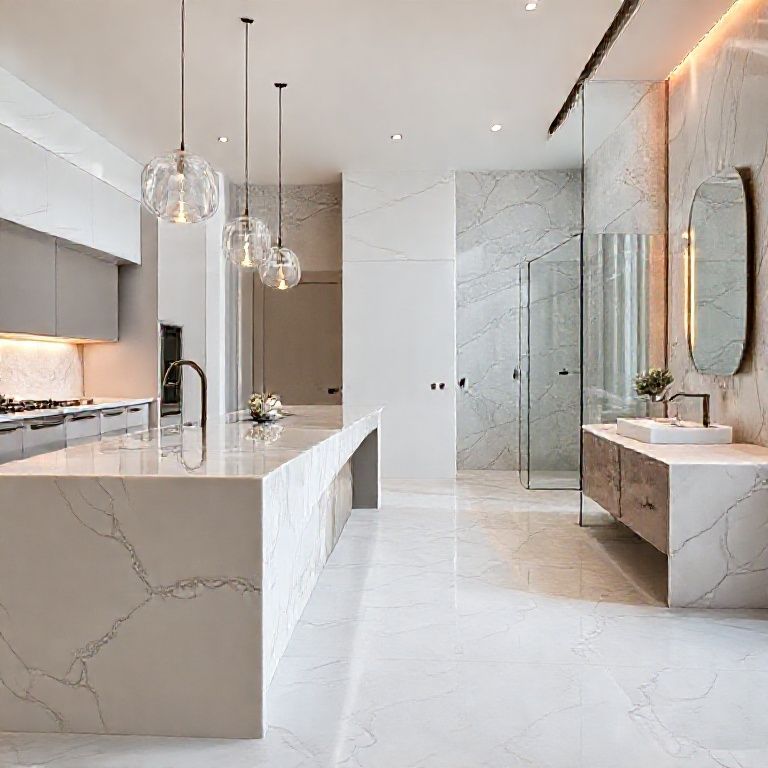
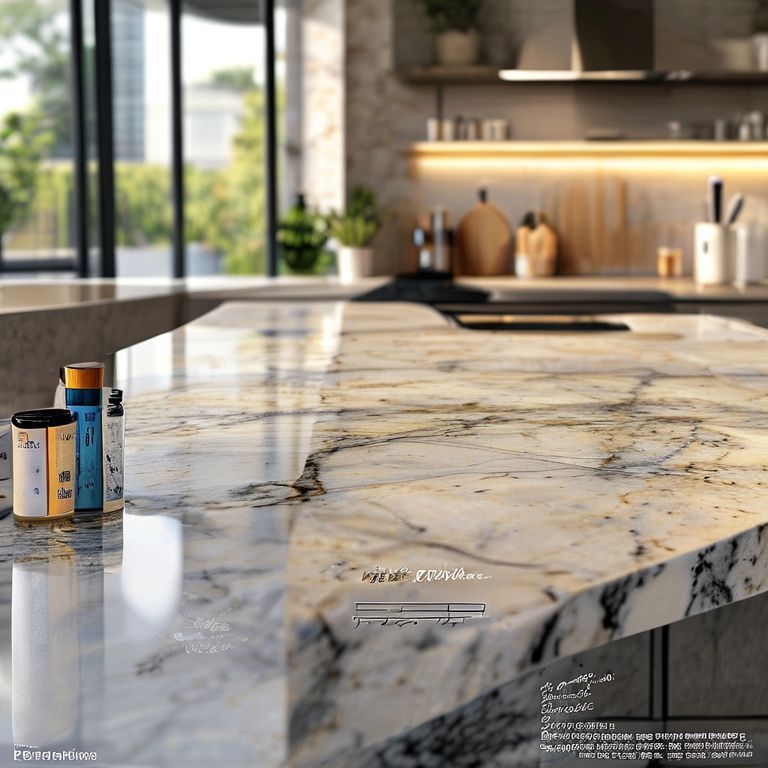
When it comes to aesthetics, marble reigns supreme. Natural marble, harvested from the earth, offers a one-of-a-kind pattern that can’t be replicated. Each slab has its unique veins and color variations, making every piece truly unique. This natural beauty can add a sense of luxury and authenticity to any space.
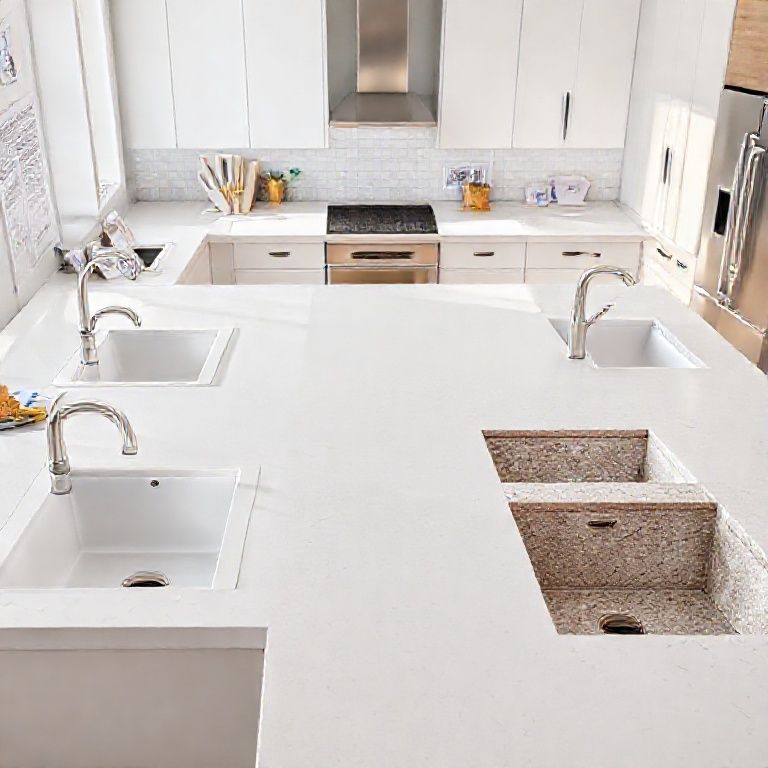
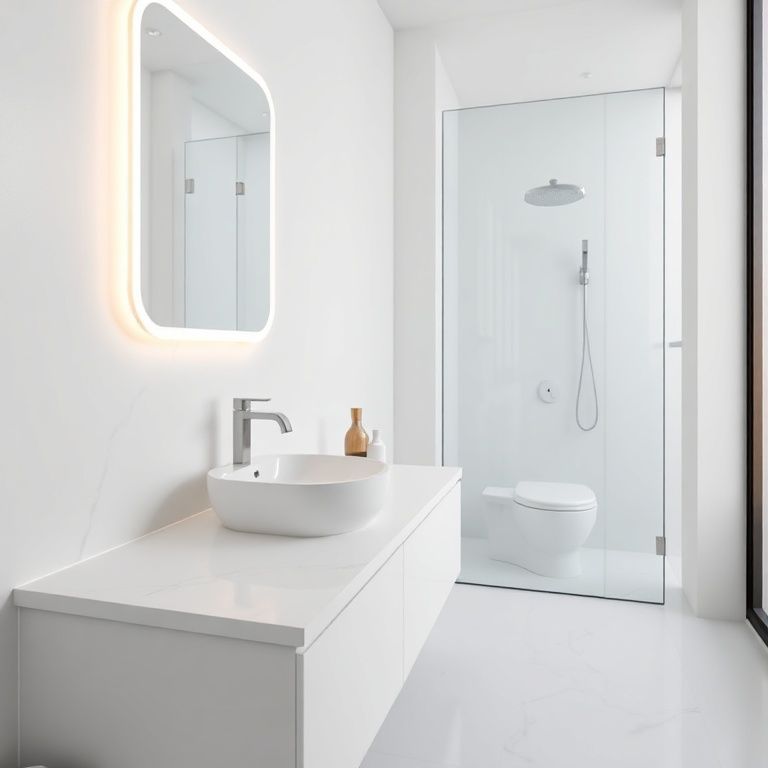
Artificial marble, often referred to as engineered stone, combines various materials such as quartz, granite, and other minerals to create a stone-like surface. While it can mimic the appearance of natural marble to a high degree, it lacks the unique, organic beauty of natural marble. However, artificial marble can be designed to have specific patterns and colors, offering versatility in design choices.
Durability Comparison
Durability is a crucial factor when choosing a material for countertops, flooring, or other high-traffic areas.
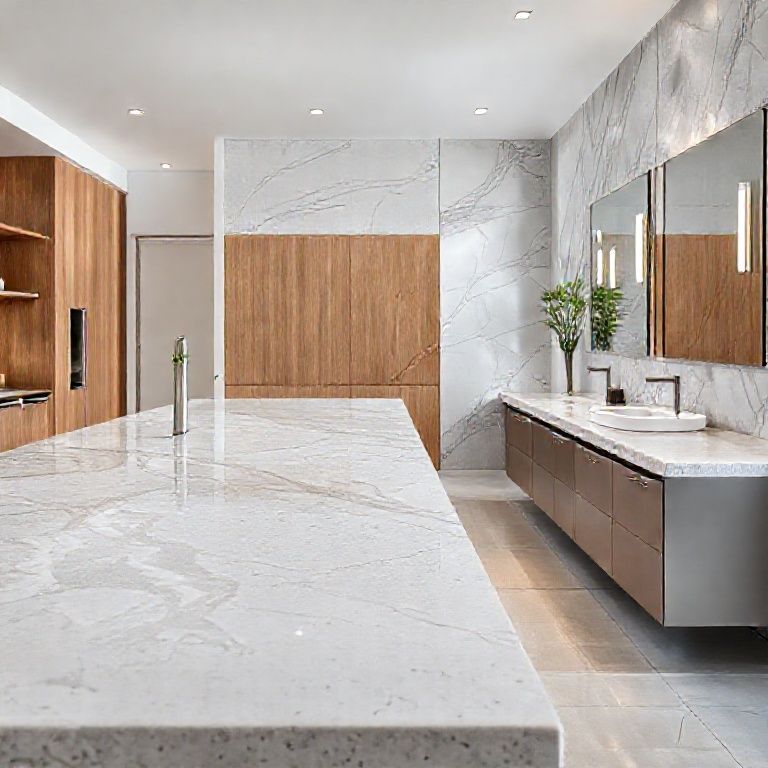
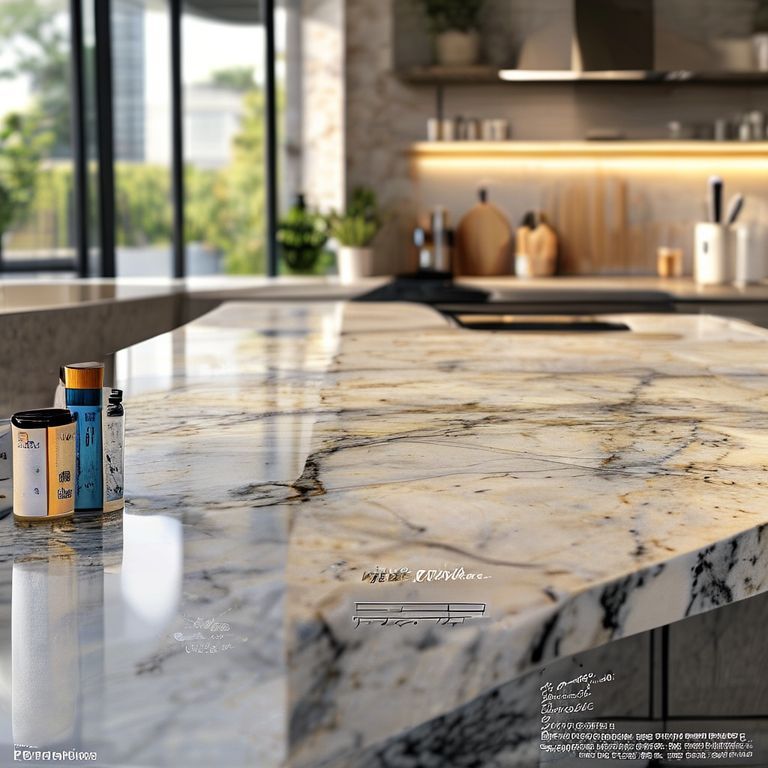
Natural Marble: Natural marble is relatively soft and can be scratched easily. It also tends to be porous, which means it can stain over time, especially with acidic substances like wine or citrus juices. While high-quality natural marble can be treated to reduce porosity, it still requires regular maintenance to maintain its appearance.
Artificial Marble: On the other hand, artificial marble is incredibly durable. It is a composite material that is much harder than natural marble, making it resistant to scratches, stains, and chips. The non-porous surface means it doesn’t absorb liquids, making it easier to clean and maintain. This durability makes artificial marble an excellent choice for areas that experience heavy use.
Cost, Maintenance, and Environmental Impact
Cost Considerations
When considering the cost, natural marble often comes with a higher price tag. The uniqueness of each piece and the labor-intensive process of cutting and shaping contribute to its expense. High-quality natural marble countertops can easily cost several thousand dollars.
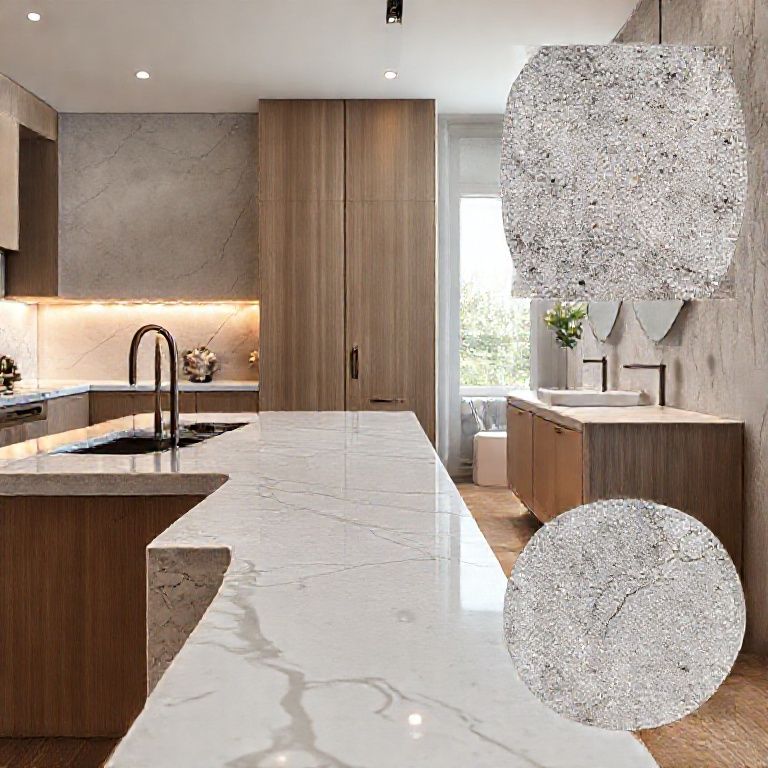
Artificial marble, while still a premium product, generally offers a more affordable option. The manufacturing process is more controlled and less labor-intensive, allowing for more consistent pricing. You can often find artificial marble countertops in the range of a few hundred to a couple of thousand dollars, depending on the specific design and finish.
Maintenance Requirements
Maintenance is another important aspect to consider when choosing between natural and artificial marble.
Natural Marble: Natural marble requires regular maintenance to keep it looking its best. It needs sealing every six months to a year to maintain its non-porous surface and prevent staining. Additionally, it should be wiped with a soft cloth to avoid scratches. Special care is needed when cleaning with acidic substances, as they can etch the surface over time.
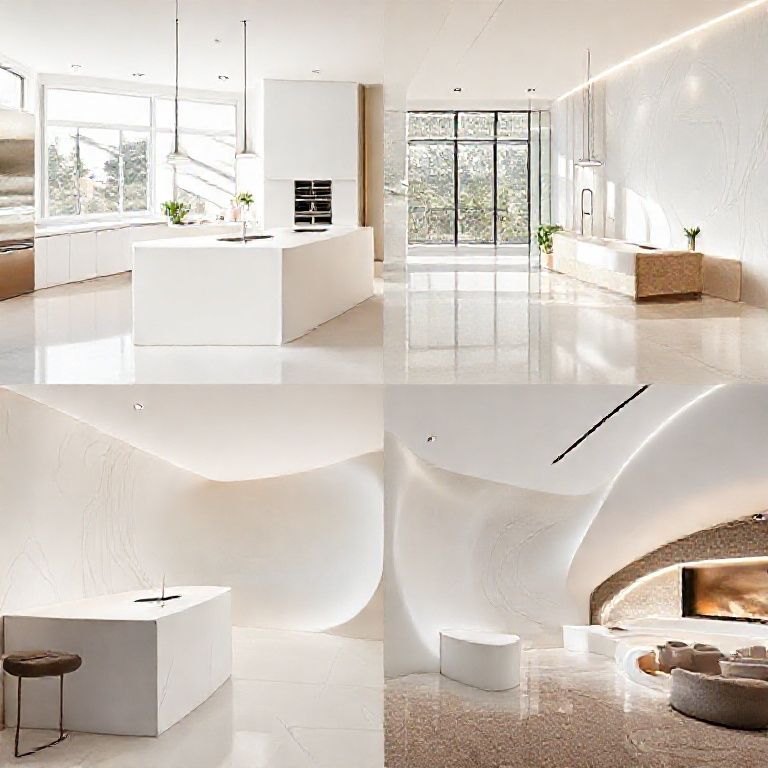
Artificial Marble: Artificial marble is a low-maintenance option. Its non-porous surface means it can be cleaned easily with a simple wipe and mild soap. There is no need for sealing, as it won’t stain or absorb liquids. This low-maintenance nature makes artificial marble an ideal choice for busy households and commercial spaces where ease of upkeep is crucial.
Environmental Impact
The environmental impact is an increasingly important consideration for many consumers.
Natural Marble: The extraction of natural marble is a resource-intensive process that can have significant environmental impacts. Quarrying can lead to habitat destruction, soil erosion, and water pollution. Additionally, transporting natural marble can contribute to greenhouse gas emissions due to the long distances often required.
Artificial Marble: Artificial marble is produced through a manufacturing process that, while energy-intensive, typically has a lower environmental footprint compared to natural marble extraction. The materials used are often recycled, and the manufacturing process can be more controlled to minimize waste. Furthermore, the longevity of artificial marble means that it can reduce the need for frequent replacements, which in turn lessens the environmental impact.
Conclusion
Choosing between artificial and natural marble ultimately depends on your specific needs and priorities. If you value the unique beauty and traditional elegance of natural marble but are concerned about maintenance and cost, it might be worth considering despite its higher upkeep and price. On the other hand, if durability, cost-effectiveness, and low maintenance are your top concerns, artificial marble presents a compelling alternative.
In the next part of this series, we will delve deeper into specific use cases for both types of marble and provide a final verdict to help you make an informed decision. Stay tuned for more insights on achieving the perfect balance of beauty and functionality in your space.
Final Verdict and Use Cases
Use Cases for Natural Marble
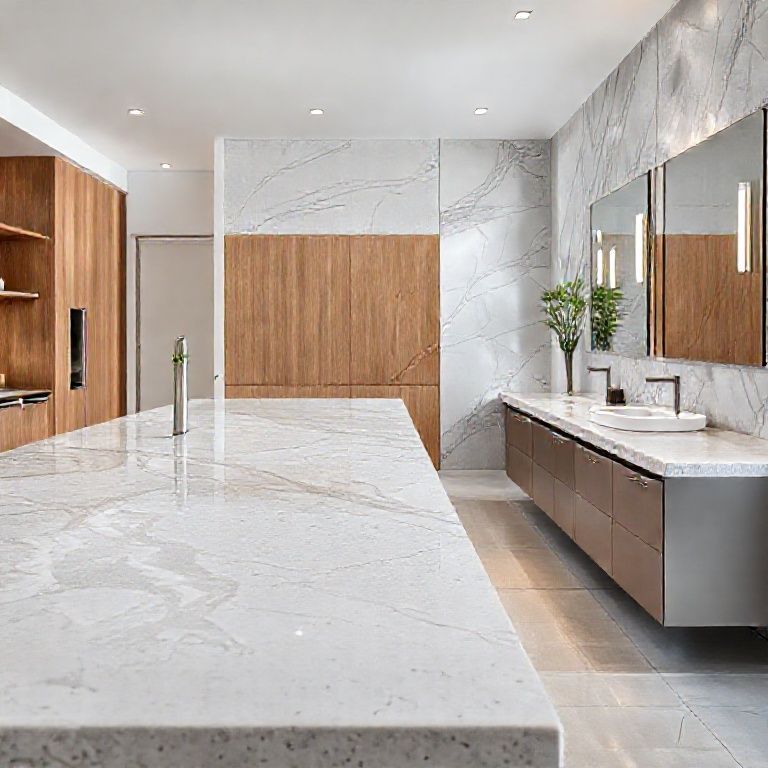
Luxury Homes and High-End Interiors: Natural marble is often chosen for luxury homes and high-end interiors where the unique beauty and authenticity of the stone can truly shine. Its one-of-a-kind appearance makes it perfect for statement pieces like grand foyers, lavish kitchens, and opulent bathrooms.
Architectural Features: Natural marble is also favored in architectural features such as columns, façades, and public spaces. Its timeless elegance and durability make it an excellent choice for structures where aesthetics and longevity are paramount.
High-End Commercial Spaces: Hotels, restaurants, and other high-end commercial spaces often opt for natural marble to create an upscale and inviting atmosphere. The unique veining and color variations can enhance the overall aesthetic and perceived value of the space.
Use Cases for Artificial Marble
Commercial Kitchens and Bathrooms: Artificial marble is highly popular in commercial kitchens and bathrooms due to its durability, low maintenance, and resistance to stains and chips. Its non-porous surface makes it ideal for high-traffic areas where cleanliness and ease of maintenance are critical.
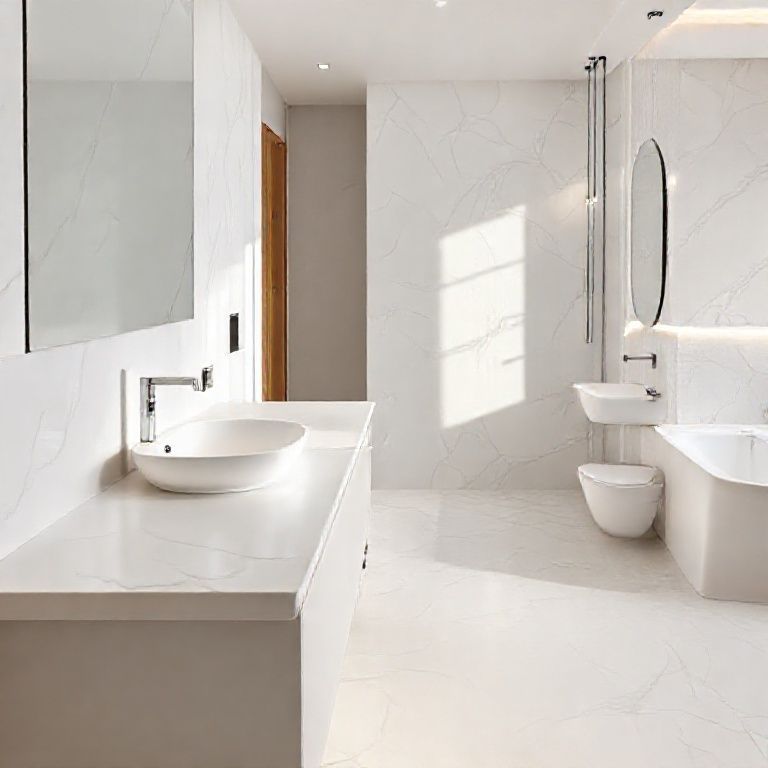
Residential Kitchens and Bathrooms: For residential spaces, artificial marble offers a luxurious yet practical option. Its cost-effectiveness, combined with its ease of maintenance, makes it an excellent choice for kitchens and bathrooms where frequent cleaning and minimal upkeep are desired.
Interior Design Projects: Designers often use artificial marble for specific design projects where versatility and durability are essential. It can be molded and shaped to create unique patterns and designs, providing flexibility in creative projects.
Final Verdict
Cost-Effectiveness and Durability: When considering cost-effectiveness and durability, artificial marble holds a significant advantage. Its resistance to scratches, stains, and chips makes it a more durable option, which often translates to a longer lifespan compared to natural marble. The lower maintenance requirements also contribute to its cost-effectiveness over time.
Aesthetic Appeal and Uniqueness: For those who value the aesthetic appeal and uniqueness of natural marble, it remains an unparalleled choice. Its organic beauty and one-of-a-kind patterns can add a touch of luxury and authenticity to any space, making it ideal for high-end projects where these qualities are prized.
Environmental Considerations: From an environmental perspective, artificial marble often has a lower impact compared to natural marble. The manufacturing process, while energy-intensive, typically results in less waste and fewer emissions associated with quarrying and transporting natural marble. Additionally, the longevity of artificial marble reduces the need for frequent replacements, further minimizing its environmental footprint.
Conclusion
Choosing between artificial and natural marble ultimately boils down to your specific needs, priorities, and budget.
For Luxury and Uniqueness: If you prioritize the unique beauty and traditional elegance of natural marble and are willing to invest in higher maintenance and cost, then natural marble is the way to go. It’s perfect for high-end interiors and architectural features where its one-of-a-kind appearance can truly shine.
For Durability and Low Maintenance: If durability, cost-effectiveness, and low maintenance are your top concerns, then artificial marble is an excellent choice. Its resistance to stains, chips, and scratches, along with its ease of cleaning, make it ideal for both residential and commercial spaces where practicality and longevity are key.
In the end, both options offer their own set of benefits that cater to different preferences and requirements. By understanding the nuances of each, you can make a well-informed decision that best suits your needs and enhances the beauty and functionality of your space.