Unveiling the Beauty and Benefits of Artificial and Natural Marble
When it comes to choosing the perfect material for your countertops, flooring, or any other surface, the decision between artificial marble and natural marble is a significant one. Both options come with their unique benefits and drawbacks, making it crucial to understand them thoroughly. Let’s delve into the world of these two materials to help you make an informed decision.

The Aesthetics: A Closer Look
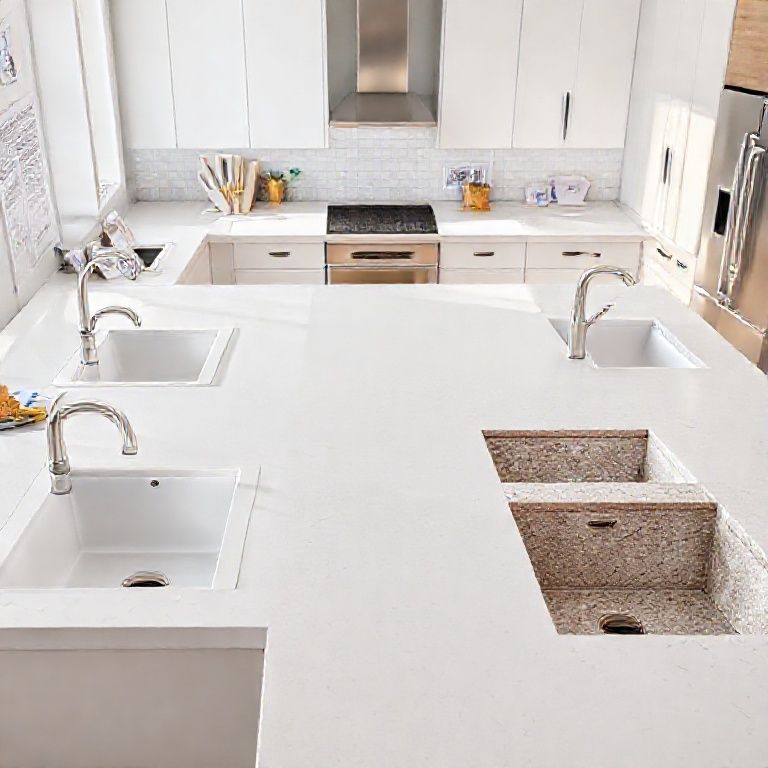
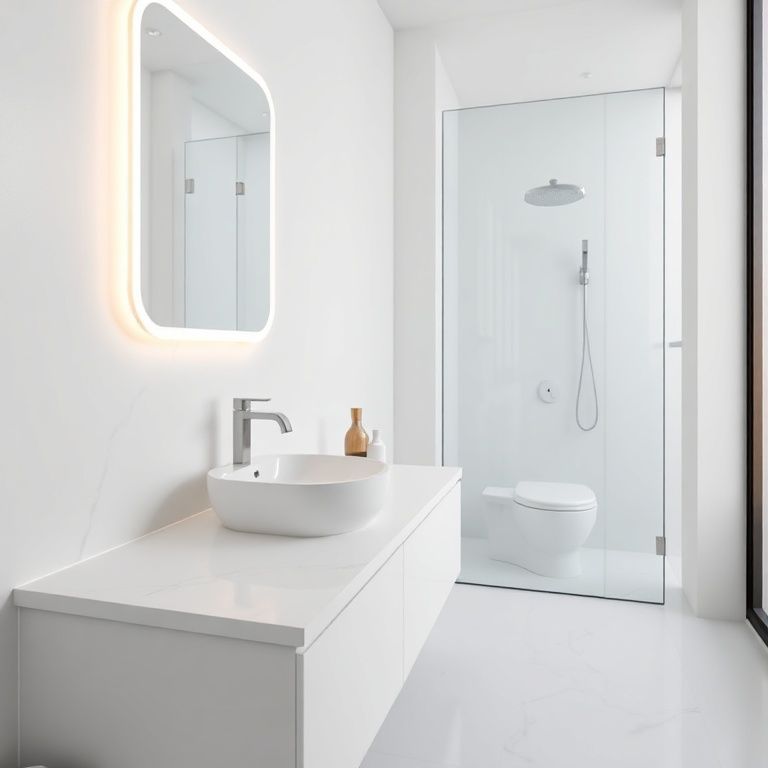
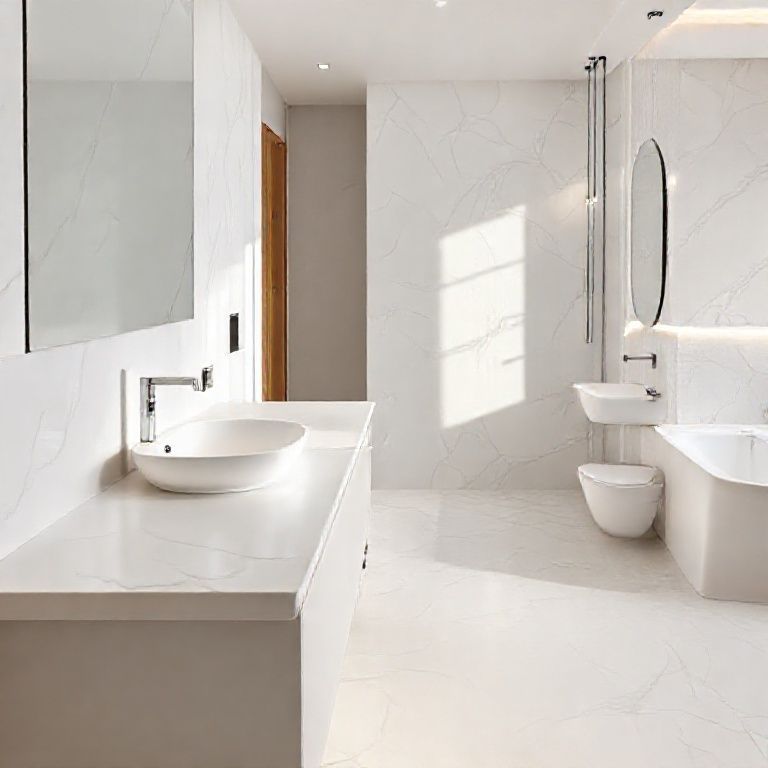
Artificial Marble: Artificial marble, also known as cultured stone, is a composite material made from a mixture of resin, minerals, and other substances. It is crafted in a lab to mimic the appearance of natural marble. The result is a stone that boasts a stunning, realistic look with a variety of color options. Its beauty lies in its consistent appearance, which is free from the natural variations found in natural marble.
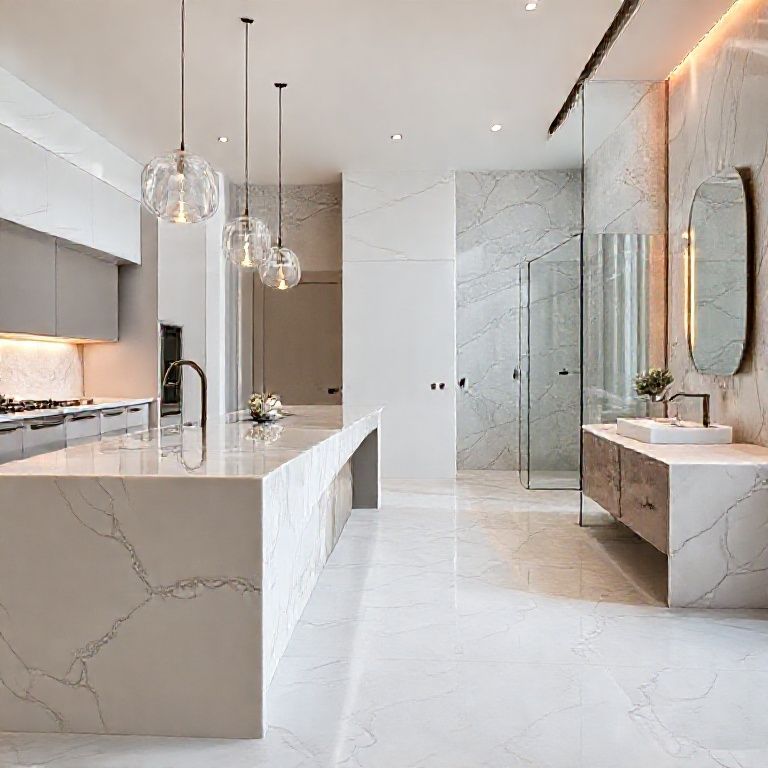
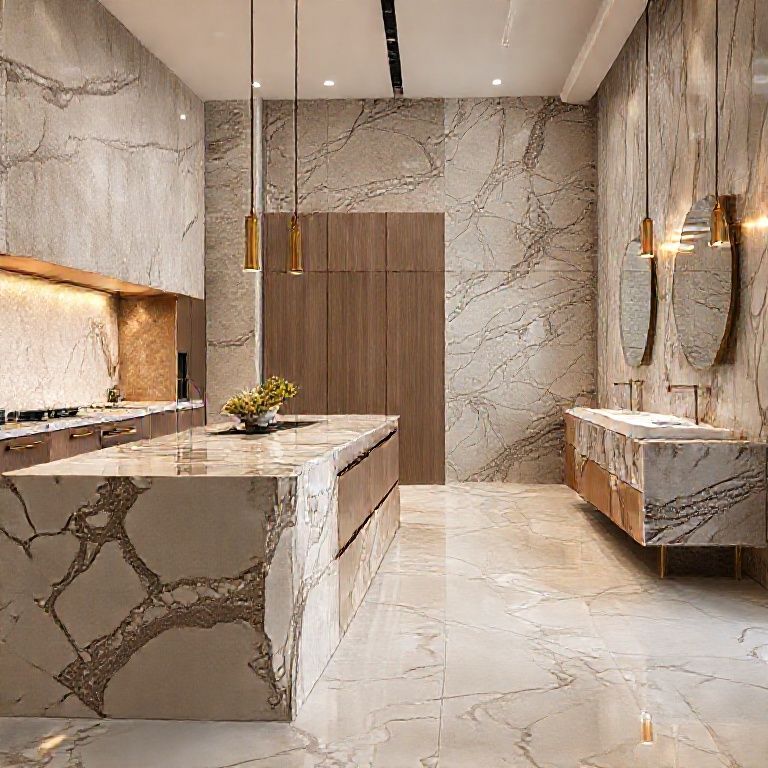
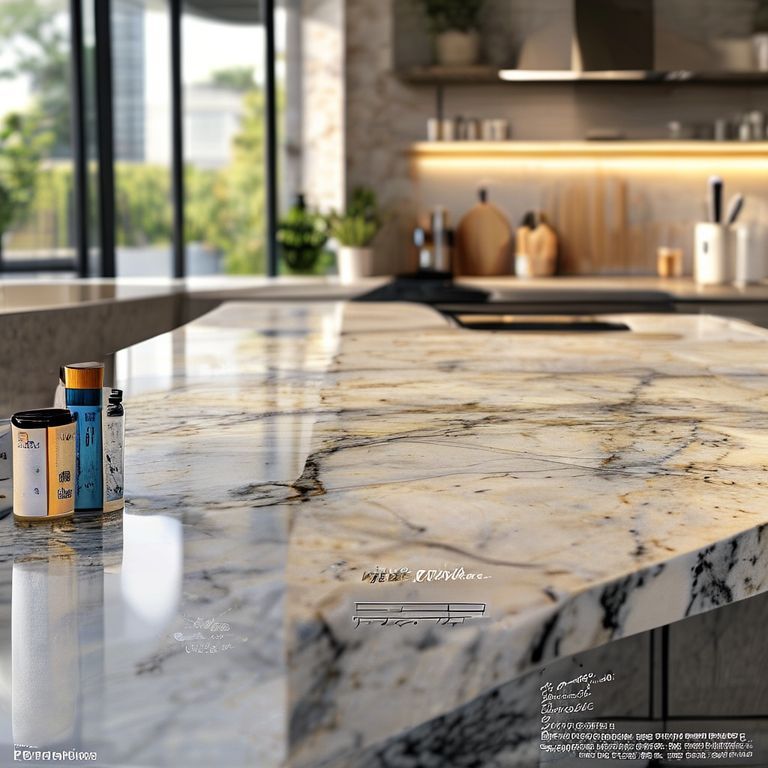
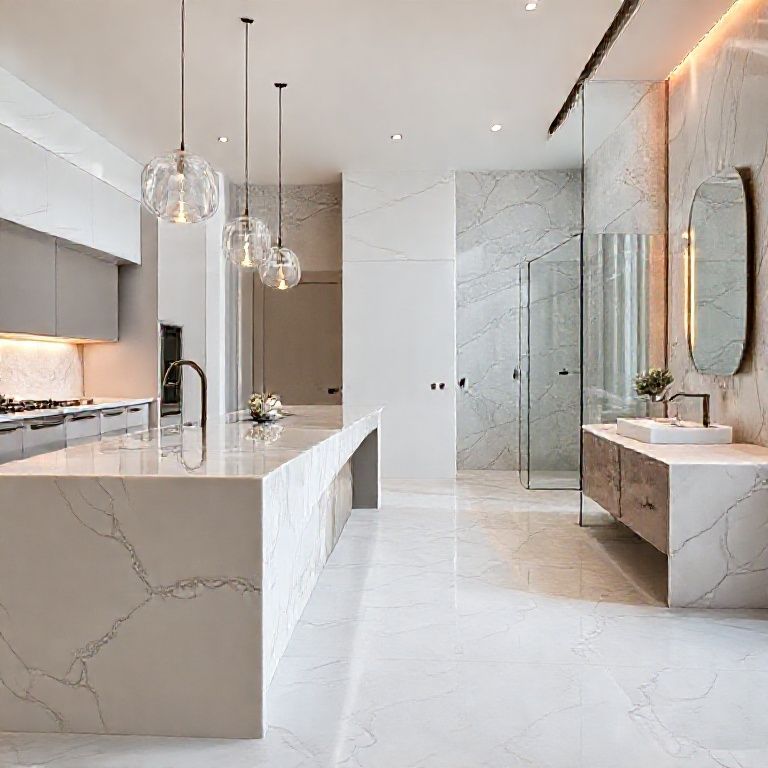
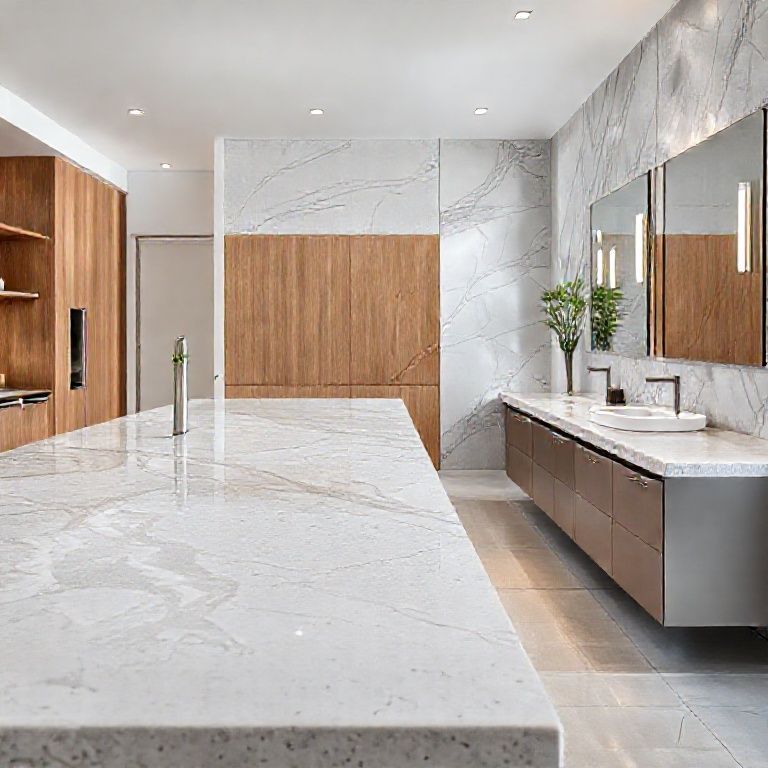
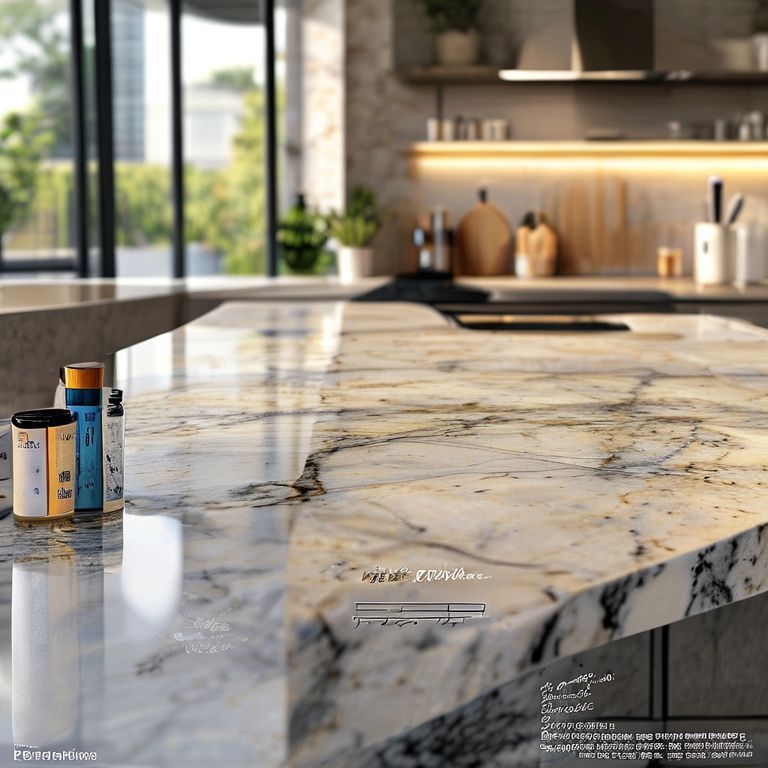
Natural Marble: Natural marble, on the other hand, is a genuine stone that originates from the earth. It is renowned for its unique beauty, featuring distinctive veins, colors, and patterns that make each piece one-of-a-kind. The beauty of natural marble lies in its natural imperfections and its timeless elegance. While it offers a unique aesthetic appeal, it also comes with inherent unpredictability in appearance.
Durability and Strength
Artificial Marble: One of the standout features of artificial marble is its impressive durability. Since it is a composite material, it does not suffer from the same porosity issues that natural stone can have. This makes it highly resistant to stains, scratches, and chips. It is also resistant to thermal shock, which means it can withstand hot liquids without cracking. This durability makes artificial marble an excellent choice for high-traffic areas where wear and tear are a concern.
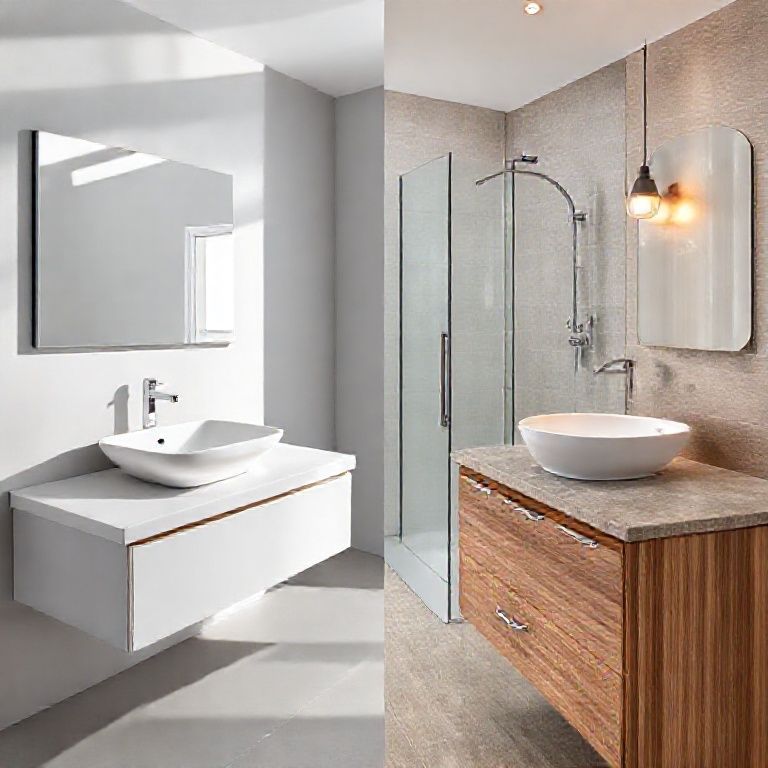
Natural Marble: Natural marble, while beautiful, can be more susceptible to scratches, stains, and etching. Due to its porous nature, it requires regular sealing to maintain its appearance and prevent stains. However, its inherent strength and elegance make it a popular choice for high-end applications where durability is less of a concern and natural beauty is paramount.
Cost-Effectiveness
Artificial Marble: Artificial marble often comes at a more affordable price point compared to natural marble. This is largely due to its manufacturing process, which can be more controlled and less variable than that of natural stone. As a result, artificial marble offers excellent value for money, making it a popular choice for homeowners and businesses looking to enhance their spaces without breaking the bank.
Natural Marble: Natural marble tends to be more expensive due to its rarity and the complexities involved in mining and processing the stone. The cost can vary significantly depending on the type of marble and the specific piece chosen. However, for those willing to invest more for a truly unique and prestigious look, natural marble remains a top choice.
Maintenance and Care
Artificial Marble: The low-maintenance nature of artificial marble is one of its biggest advantages. Because it is not porous, it does not require frequent sealing or special care. Cleaning is straightforward; a simple wipe with a damp cloth and mild soap is usually sufficient. This makes artificial marble an ideal choice for busy households and commercial spaces where time and effort for maintenance are limited.
Natural Marble: Conversely, natural marble requires more diligent care to maintain its beauty and longevity. Regular sealing is essential to prevent staining and etching. Cleaning should be done with pH-neutral soaps and water, and it is best to avoid using abrasive cleaners or sponges. While this level of maintenance can seem daunting, it is a small price to pay for the unparalleled beauty and elegance of natural marble.
Installation and Design Flexibility
Artificial Marble: Artificial marble is highly versatile in terms of design and installation. It can be crafted into a wide variety of shapes and sizes, making it easy to fit into any space or design scheme. The material can also be colored and textured to mimic various types of stone, wood, and even metal. This flexibility makes artificial marble an excellent option for custom installations and creative design projects.
Natural Marble: Natural marble offers a more traditional approach to installation and design. It is typically cut and polished to fit specific dimensions and can be used in a variety of applications, from flooring to countertops to decorative elements. While it offers classic beauty, the design flexibility is somewhat limited compared to artificial marble. The unique veins and patterns of natural marble can be a challenge to replicate, making it a more specialized choice.
Conclusion
When weighing the pros and cons of artificial versus natural marble, it becomes clear that both materials have their unique appeal. Artificial marble stands out for its durability, cost-effectiveness, and low-maintenance nature, making it ideal for high-traffic areas and modern designs. Natural marble, with its timeless elegance and one-of-a-kind beauty, remains a coveted choice for those who value tradition and the natural aesthetic.
In the next part, we will delve deeper into specific scenarios where one type of marble might be more advantageous than the other, providing you with a comprehensive guide to make the best choice for your project.
In our previous discussion, we explored the fundamental differences between artificial and natural marble, including their aesthetics, durability, cost, maintenance, and design flexibility. Now, let’s delve deeper into specific scenarios where one type of marble might be more advantageous than the other. This will help you understand the best applications for each type of marble and guide you in making the most informed choice for your project.
Commercial Spaces: Where Artificial Marble Shines
Retail Stores and Restaurants: In high-traffic commercial spaces like retail stores and restaurants, the durability and low-maintenance nature of artificial marble make it an excellent choice. These areas often experience a lot of wear and tear, from spills to heavy foot traffic. Artificial marble’s resistance to stains, scratches, and thermal shock means it will maintain its appearance and functionality for years without requiring extensive upkeep.
Offices and Public Buildings: Similarly, in office environments and public buildings, the practicality of artificial marble cannot be overstated. The material’s consistent appearance ensures that surfaces look new and pristine, even in areas where heavy use is the norm. Additionally, its affordability makes it a cost-effective choice for large-scale installations.
Residential Spaces: Balancing Beauty and Maintenance
Kitchens and Bathrooms: When it comes to residential applications like kitchens and bathrooms, the choice between artificial and natural marble can depend on individual preferences and priorities. Artificial marble’s resistance to moisture makes it an excellent choice for countertops and backsplashes in these areas. Its non-porous nature means it is less likely to harbor bacteria and mold, providing a healthier environment.
Living Areas and Decorative Elements: For living areas and decorative elements where aesthetics are paramount, natural marble’s unique beauty can offer a timeless elegance that artificial marble cannot replicate. The natural patterns and colors of natural marble can add a touch of luxury and sophistication to any space. However, it is important to consider the maintenance requirements and ensure that the natural beauty is preserved over time.
Specialized Applications: Where Natural Marble Excels
Monuments and Sculptures: In specialized applications like monuments, sculptures, and other artistic endeavors, natural marble’s unparalleled beauty and texture are unmatched. The unique veins and patterns of natural marble can convey a sense of history and authenticity that artificial marble simply cannot achieve. For projects where the artistic and historical value of the material is important, natural marble remains the superior choice.
Historic Restorations: When it comes to historic restorations, natural marble’s authenticity and historical significance make it the preferred material. The genuine stone can be used to replicate original designs and restore the integrity of historic structures. While this often comes at a higher cost, the value of preserving and honoring historical craftsmanship is invaluable.
Custom Design Projects: Flexibility and Innovation
Architectural Projects: For architectural projects that require custom designs and intricate patterns, both artificial and natural marble offer unique advantages. Artificial marble’s versatility allows for the creation of complex shapes and designs that would be difficult to achieve with natural marble. Its ability to mimic various textures and colors can push the boundaries of design innovation.
Interior Design Trends: In interior design trends where modern and minimalist aesthetics are in vogue, artificial marble’s sleek and consistent appearance can provide a modern and contemporary look. Its availability in a wide range of colors and finishes makes it an excellent choice for designers looking to create a cohesive and stylish environment.
Environmental and Ethical Considerations
Sustainability: In an era where环境和可持续性越来越受到关注,两种大理石的选择也反映了不同的环境影响。自然大理石的开采过程可能对当地生态系统造成影响,并且由于其稀有性,某些类型的大理石可能面临供应短缺的风险。相比之下,人造大理石在生产过程中通常更加可控,其材料可以更环保地管理,并且可以设计成具有更高的回收和再利用潜力。
综合考虑:做出最佳选择
最终选择哪种大理石,取决于你的具体需求、预算以及个人或企业的价值观。如果你重视耐用性、低维护和成本效益,人造大理石可能是更好的选择。而如果你追求独特的自然美感、历史价值和艺术性,自然大理石则无疑是最佳选择。
无论选择哪种,都建议在采购之前详细了解供应商和产品的具体信息,包括材料来源、制造工艺以及售后服务等。这不仅有助于确保你选择的材料符合你的期望,还能帮助你做出更加知情的决策。