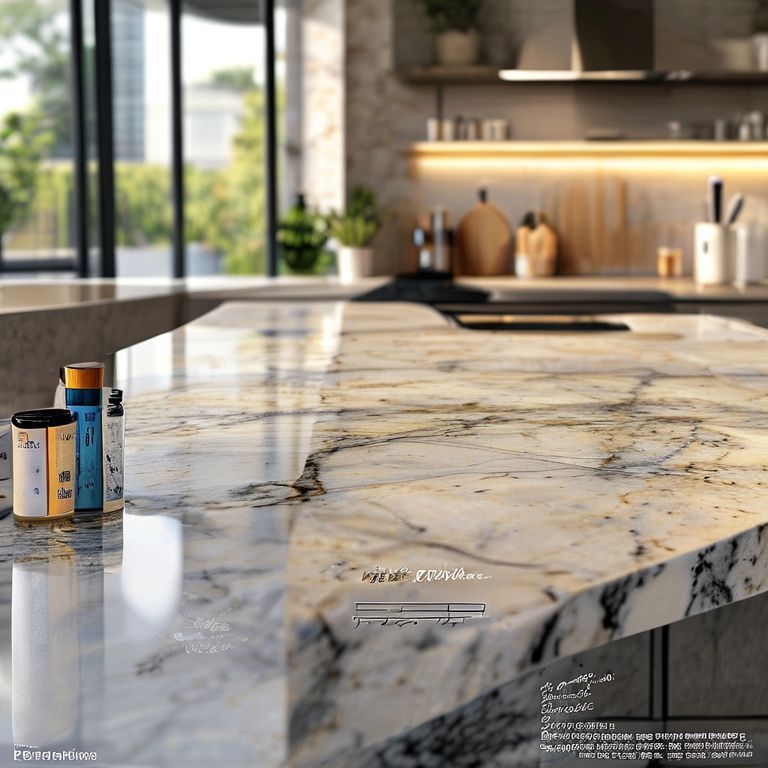
The Unseen Drawbacks of Artificial Marble: A Comprehensive Look
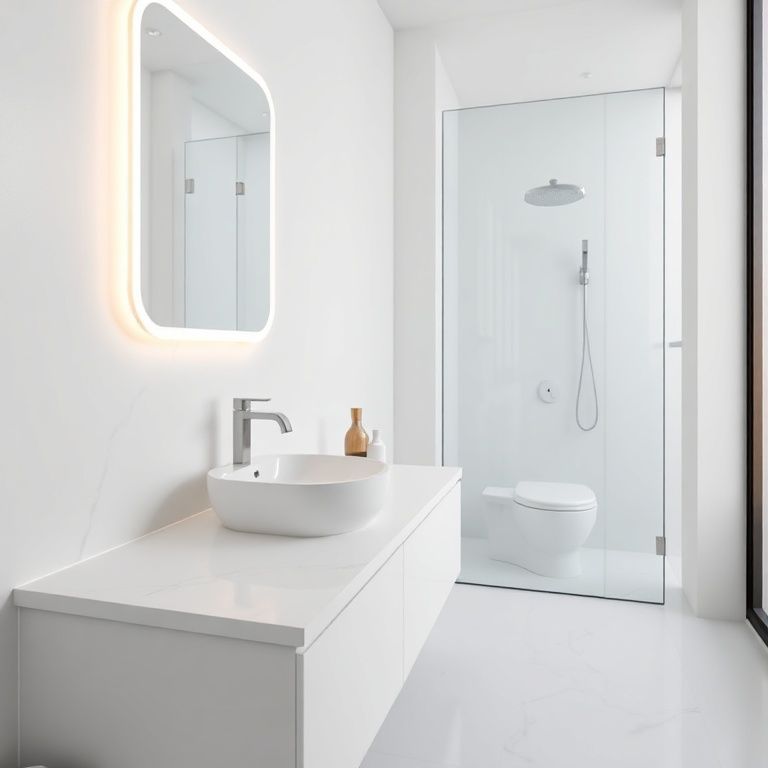
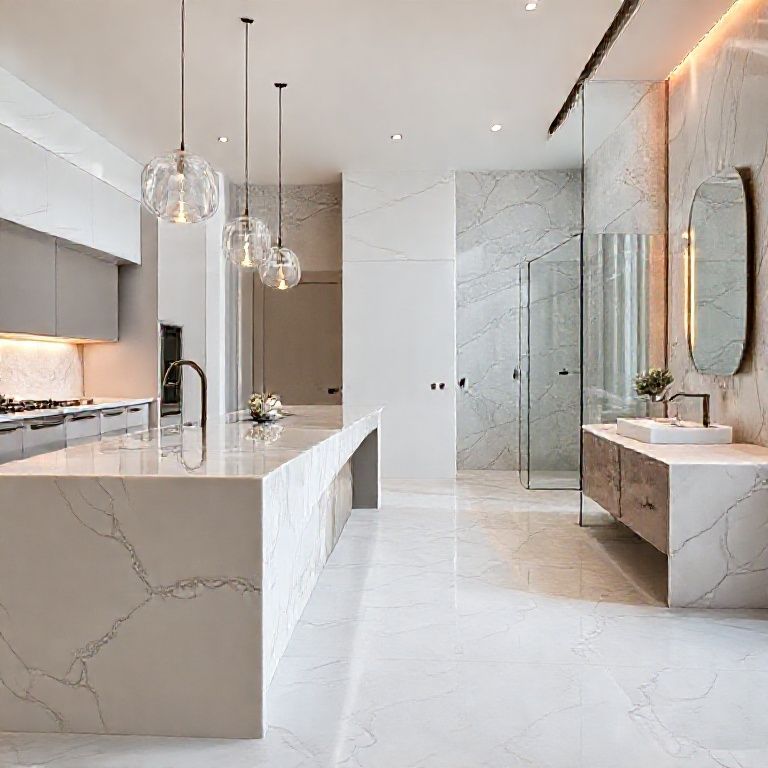
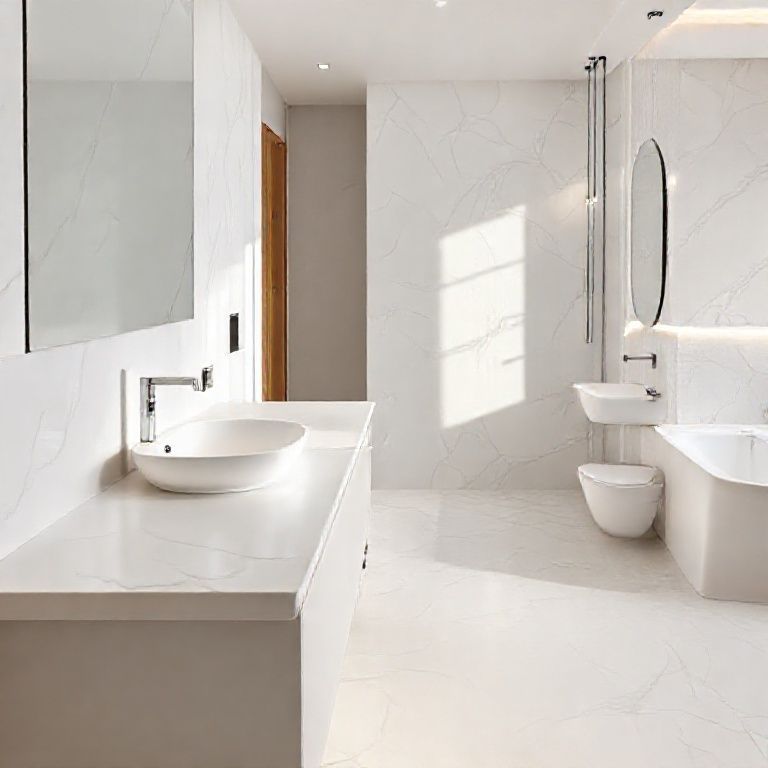
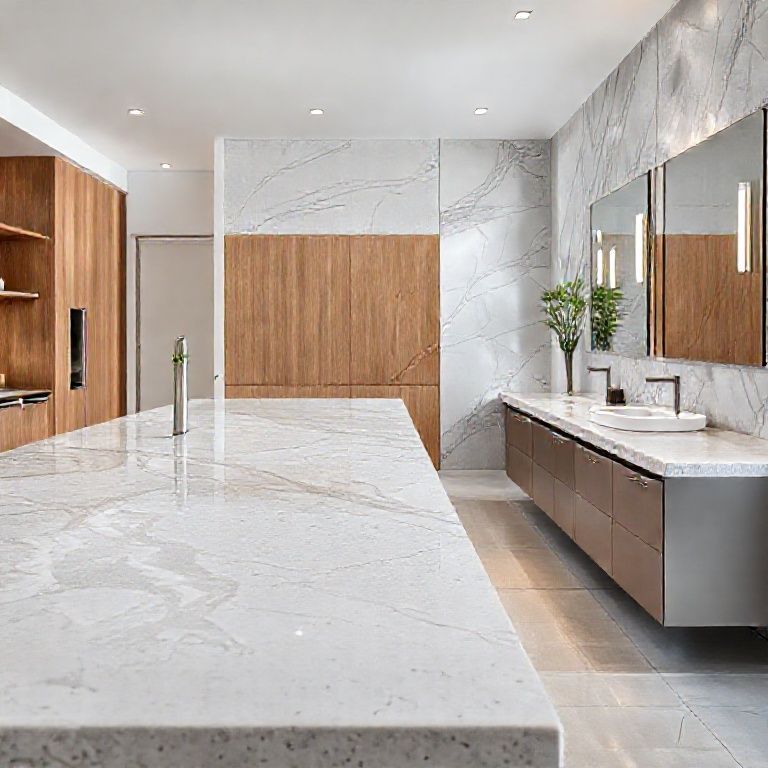
Artificial marble, often heralded as the next big thing in countertop materials, has surged in popularity for its stunning aesthetic and versatile applications. However, beneath its glossy surface lies a complex web of issues that homeowners and businesses need to consider before committing to its use. This article aims to provide a detailed examination of the hidden drawbacks of artificial marble, offering valuable insights into its practical and long-term implications.

1. Durability Concerns
One of the most significant concerns with artificial marble is its durability. While it may mimic the appearance of natural marble, the material itself is a composite, comprising resin, pigments, and other additives. Over time, this composition can degrade, especially when exposed to extreme temperatures, acidic substances, or abrasive cleaners. Unlike natural marble, which is inherently more resilient, artificial marble can suffer from cracking, discoloration, or even complete disintegration if subjected to harsh conditions.
2. Maintenance Challenges
Artificial marble may initially seem like a low-maintenance material, but its upkeep can become surprisingly demanding. The surface is not as impervious as it appears. Even a minor spill or scratch can leave a lasting mark, which may be difficult to remove. Regular cleaning with abrasive materials or harsh chemicals can further exacerbate these issues, leading to a gradual deterioration of the surface. Unlike natural stone, which can often be resurfaced or repaired, artificial marble typically requires complete replacement if significant damage occurs.
3. Environmental Impact
The production of artificial marble involves a range of chemicals and processes that can have adverse environmental impacts. The resins, pigments, and other additives used in its manufacture often contain volatile organic compounds (VOCs), which can contribute to air pollution and pose health risks to workers and consumers. Additionally, the manufacturing process itself is energy-intensive, contributing to greenhouse gas emissions. When considering the long-term sustainability of any material, these environmental factors cannot be overlooked.
4. Cost Implications
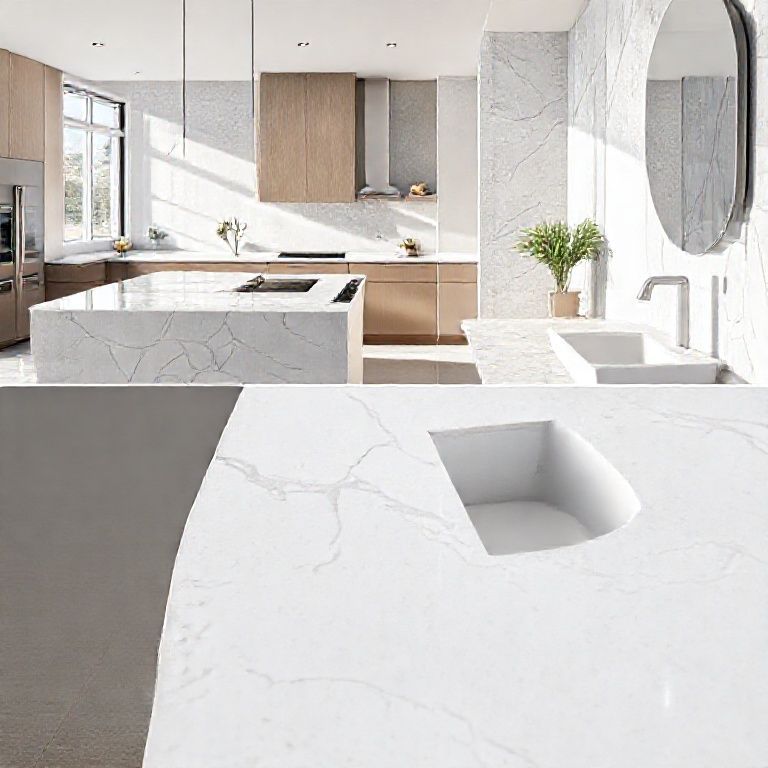
While artificial marble may appear to be a cost-effective alternative to natural stone, the long-term financial implications can be surprisingly complex. The upfront cost might be lower, but the need for frequent maintenance, potential repairs, and eventual replacement can add up significantly over time. Moreover, the environmental costs associated with its production and disposal often translate into hidden expenses that are not immediately apparent.
5. Aesthetic Limitations
Artificial marble is highly customizable in terms of color and design, but this flexibility comes with certain aesthetic limitations. The surface can appear somewhat artificial, lacking the unique character and natural beauty of genuine marble. Over time, the uniformity of artificial marble can become visually monotonous, especially when compared to the evolving beauty of natural stone, which can develop a unique patina with age.
6. Installation and Compatibility Issues
The installation process for artificial marble can present its own set of challenges. Unlike natural stone, which can often be cut and shaped on-site, artificial marble requires precise manufacturing and fitting, which can complicate installation. Additionally, its compatibility with certain fixtures and cabinetry may not be as seamless as that of natural stone. This can lead to additional costs and logistical hurdles during installation.
7. Health and Safety Concerns
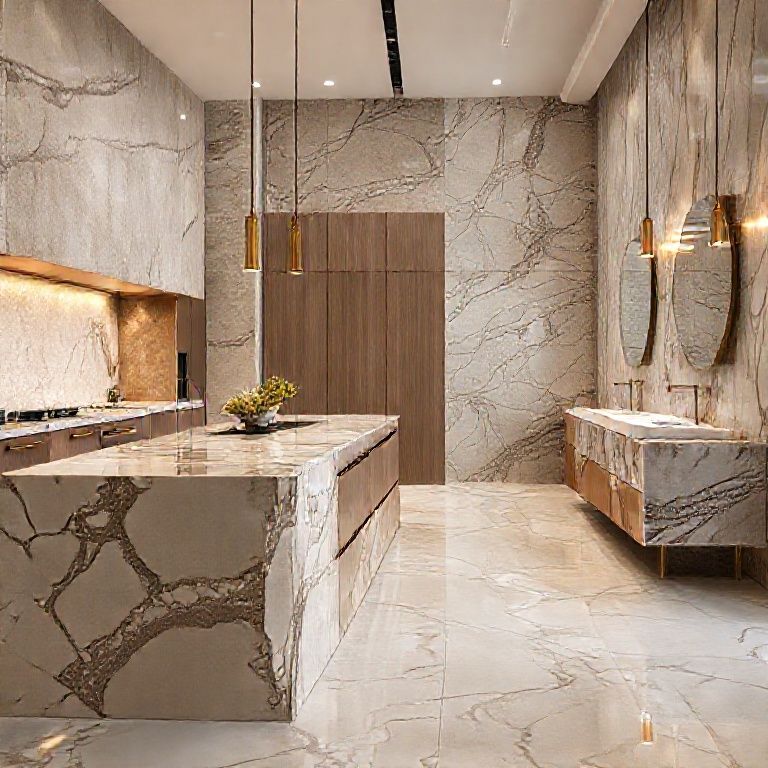
The chemicals used in the production of artificial marble can pose health risks, particularly if they leach into food or water over time. While manufacturers often claim that their products are safe, the long-term health implications of exposure to these chemicals remain a concern. Additionally, the dust and debris generated during installation and maintenance can contribute to respiratory issues, especially in individuals with pre-existing health conditions.
Conclusion
While artificial marble offers a range of benefits, from its cost-effectiveness to its aesthetic versatility, the hidden drawbacks cannot be ignored. From durability issues to maintenance challenges, environmental impacts to cost implications, the full picture reveals a material that may not be as perfect as it seems. As you consider your options for countertops, flooring, or other applications, it’s essential to weigh these factors carefully to make an informed decision that aligns with your long-term needs and values.
The Unseen Drawbacks of Artificial Marble: A Comprehensive Look
Continuing our exploration of the hidden drawbacks of artificial marble, this second part will delve deeper into its long-term effects, health implications, and ethical considerations, providing a holistic view to help you make well-informed decisions about this popular material.
1. Long-Term Effects
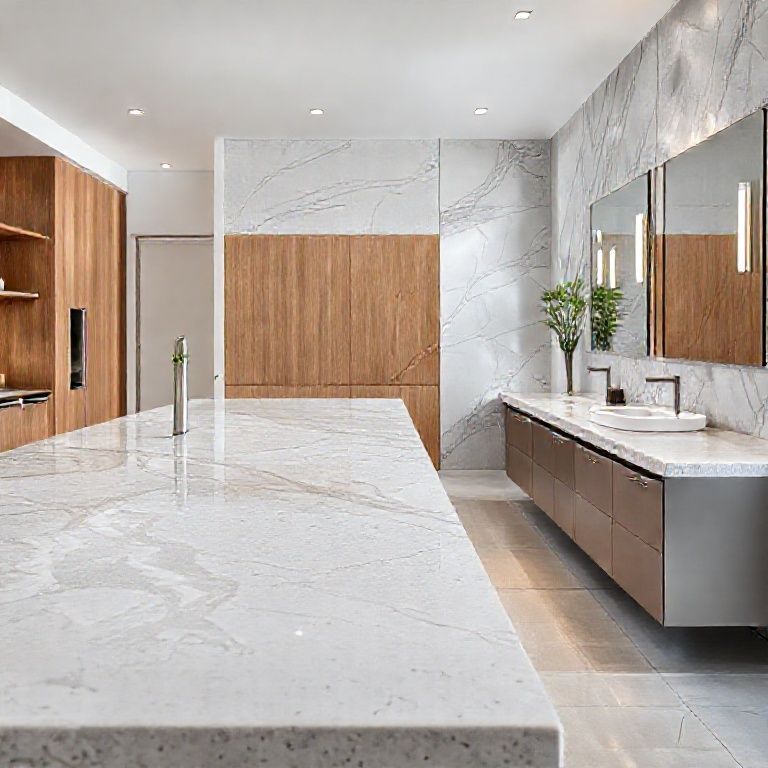
Artificial marble, despite its impressive initial appearance, is not immune to the ravages of time. Over the long term, the material can undergo significant changes. For instance, exposure to ultraviolet (UV) light from the sun can cause artificial marble to fade, losing its vibrant color and aesthetic appeal. This is a stark contrast to natural marble, which often develops a rich patina over time, enhancing its beauty.
Moreover, the composite nature of artificial marble means that it can degrade in unexpected ways. For example, the adhesives used to bond the layers of resin and pigments can break down, leading to delamination or blistering. These issues are not only visually unappealing but also structurally compromising, which can pose safety risks.
2. Health Implications
The health implications of artificial marble are a significant concern. The production process involves the use of various chemicals, some of which can be harmful if they leach into the environment or come into direct contact with human skin. For example, phthalates, commonly used as plasticizers, can disrupt endocrine functions and have been linked to developmental and reproductive health issues.
During installation and maintenance, these chemicals can become airborne as dust or fumes. For individuals with respiratory issues or other sensitivities, this can lead to discomfort and even more severe health problems. It’s essential to ensure that installation and maintenance are carried out in well-ventilated areas and that appropriate protective equipment is used.
3. Ethical Considerations
The ethical implications of artificial marble also warrant consideration. The production of this material often involves environmental exploitation and can contribute to resource depletion. The extraction of raw materials for resins and pigments may lead to deforestation, water contamination, and other ecological damages.
Moreover, the labor conditions in factories that manufacture artificial marble can sometimes be poor. Ensuring fair labor practices and ethical sourcing of materials is crucial for those who are environmentally and socially conscious. When choosing artificial marble, it’s important to research the manufacturing practices of the supplier to ensure that they align with your ethical values.
4. Aesthetic and Design Limitations
While artificial marble offers extensive color and design options, these advantages come with certain limitations. The uniformity of artificial marble can sometimes lack the natural beauty and character found in real marble. Over time, the material may also start to look dated or artificial, failing to age gracefully.
In contrast, natural marble’s unique veining and color variations create a one-of-a-kind aesthetic that can evolve and become more beautiful with age. This natural aging process adds a timeless quality to natural marble that artificial alternatives may struggle to replicate.
5. Compatibility and Installation Issues
The compatibility of artificial marble with other materials and fixtures can also pose significant challenges. Unlike natural stone, which can often be cut and shaped on-site to fit specific designs, artificial marble requires precise pre-fabrication, which can complicate integration into existing structures.
Additionally, the installation process for artificial marble can be labor-intensive and may require specialized skills. This can lead to higher labor costs and potential installation errors if not carried out correctly. Ensuring that the installation is done by qualified professionals is crucial to avoid future problems.
6. Environmental and Disposal Issues
The environmental impact of artificial marble extends beyond its production. Its disposal presents challenges as well. Artificial marble is not biodegradable and typically ends up in landfills, where it can contribute to long-term environmental pollution. The recycling process for composite materials is also complex and not always feasible, leading to questions about the sustainability of this material.
In contrast, natural marble, while also not biodegradable, can often be recycled or repurposed in various ways. Its longer lifespan and the possibility of being resurfaced or repaired make it a more sustainable option in the long run.
Conclusion
As we conclude our detailed examination of the hidden drawbacks of artificial marble, it becomes clear that while this material offers many appealing benefits, it also comes with a host of issues that cannot be overlooked. From long-term effects and health implications to ethical considerations and environmental impacts, the full picture reveals a material that requires careful consideration. By weighing these factors carefully, you can make a more informed decision that aligns with your long-term needs and values, ensuring that your choice is both practical and sustainable.
1. 家庭装修中的应用和不足
应用场景:
人造大理石常用于厨房台面、浴室洗手台、壁板以及各种装饰性表面。它的高光泽、丰富的颜色和图案使其成为许多家庭装修的首选。
不足之处:
污渍和清洁: 人造大理石表面虽然看起来光滑,但实际上比较容易留下污渍和指纹。厨房和浴室常涉及油污、水渍和化学清洁剂,这些容易在人造大理石表面沉淀下来,导致清洁困难。这也意味着需要频繁清洁和保养,以保持其美观。
耐热性问题: 虽然人造大理石的耐热性比许多其他人造材料强,但它仍然不能承受极端高温。例如,放置热锅或热水器在其表面可能导致局部变形或损坏。
2. 商业环境中的应用和不足
应用场景:
在商业环境中,人造大理石常用于酒店、餐厅、办公楼等高人流量区域。其耐用性和外观多样性使其成为这些场所的理想选择。
不足之处:
高维护成本: 商业环境通常会有更高的使用频率和更严苛的清洁要求,因此人造大理石表面需要更频繁的清洁和保养。这增加了运营成本,特别是在高级酒店和餐厅中。
设计限制: 虽然人造大理石可以仿制各种自然石材的外观,但在设计上有一定限制。一些复杂的凹槽、弧形设计在人造大理石上难以实现,或者实现起来成本高昂。
3. 环境和生态影响
生产过程:
人造大理石的生产过程涉及多种化学物质和高温高压条件,这些生产工艺可能会对环境产生影响。例如,一些含有的聚合物和黏合剂在生产过程中可能会释放有害物质。
生态影响:
资源消耗: 人造大理石的生产需要消耗大量的能源和原材料,这与可持续发展目标相悖。
废弃物处理: 由于其复杂的材料组成,人造大理石在报废或废弃时处理难度较大,垃圾处理设施也可能难以处理其中的各种化学成分。
4. 未来的发展方向
尽管人造大理石有许多不足,但随着材料科学和技术的进步,未来有可能会有改进。例如,研发更加环保的生产工艺、更耐用的材料组合以及更便捷的清洁和维护方法。
总结
人造大理石作为一种替代天然石材的材料,确实在外观和经济性上有许多优点,但在耐久性、清洁维护、环境影响等方面也存在显著的不足。因此,在选择装修材料时,了解这些潜在的问题并权衡利弊是非常必要的。希望这些信息能为你在选择和使用人造大理石时提供有价值的参考。