${part1}
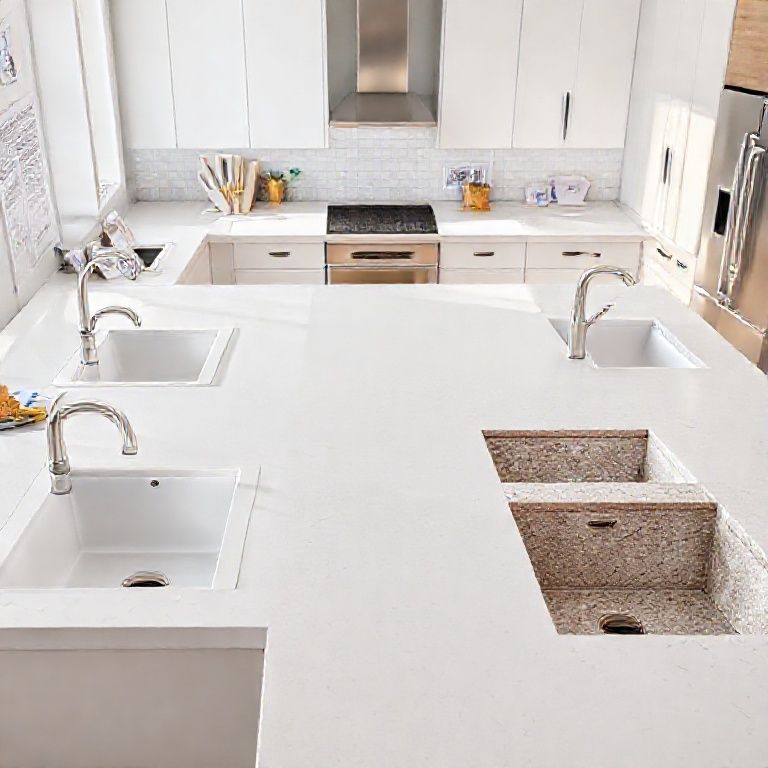
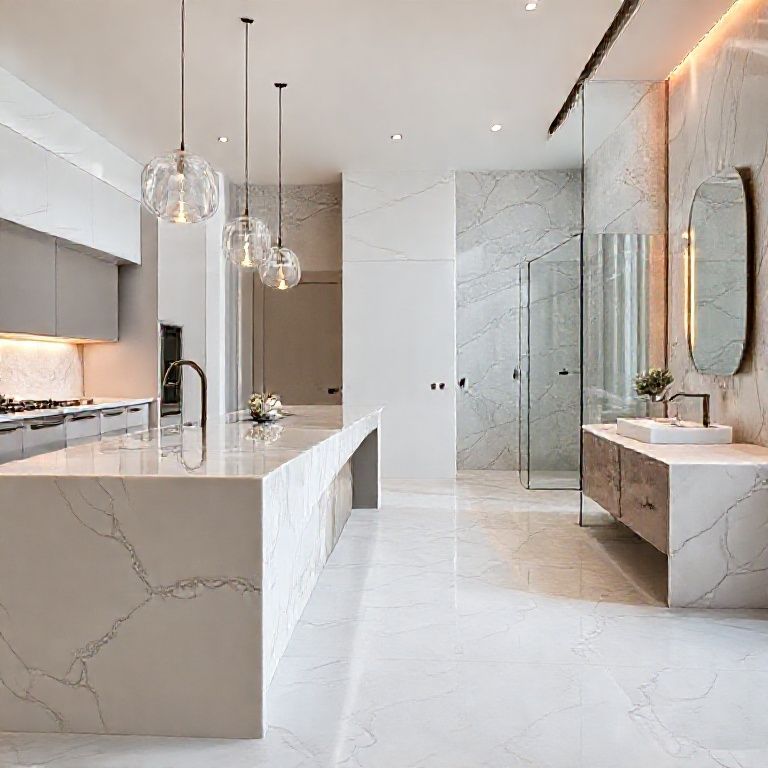
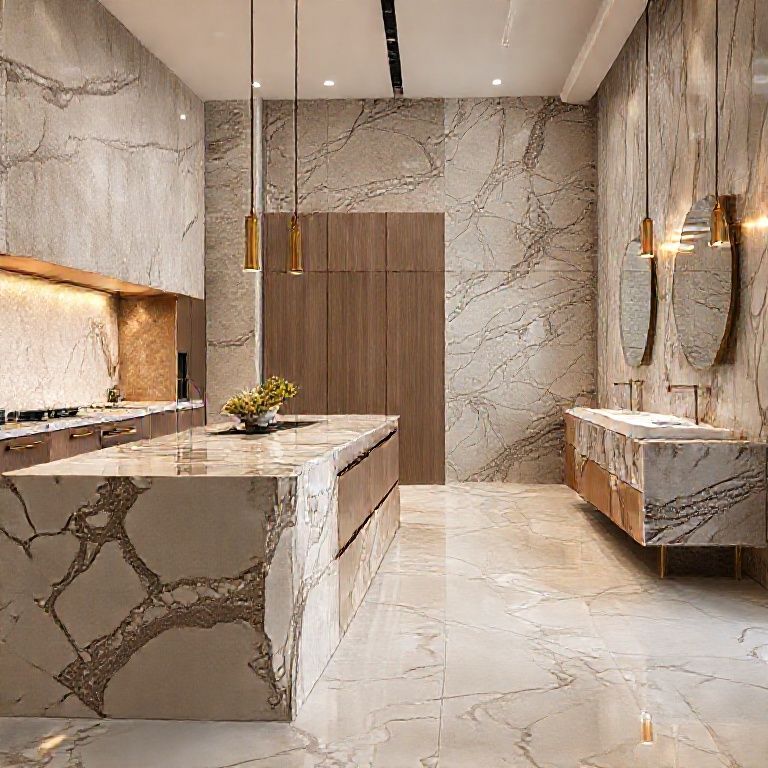
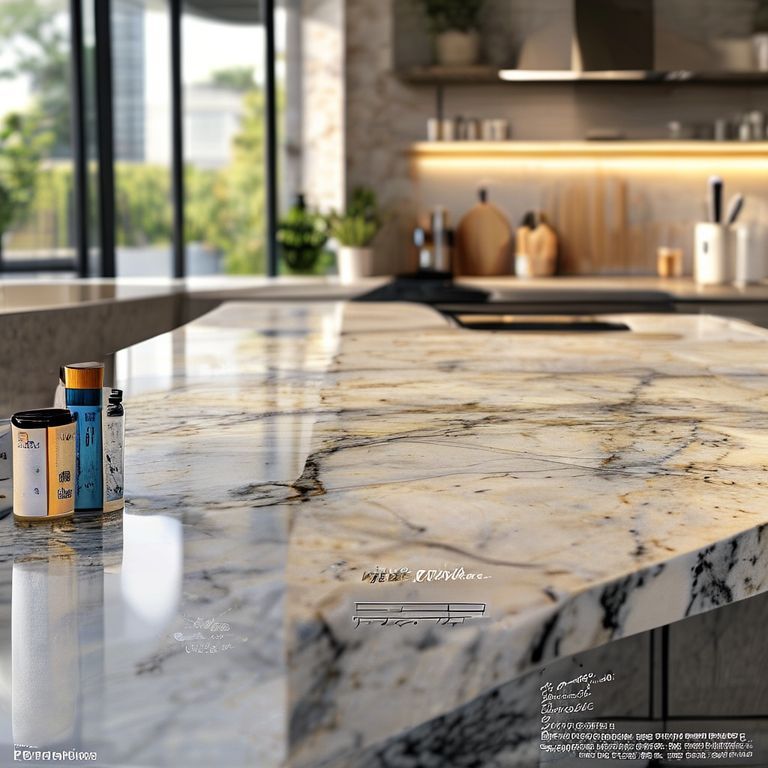
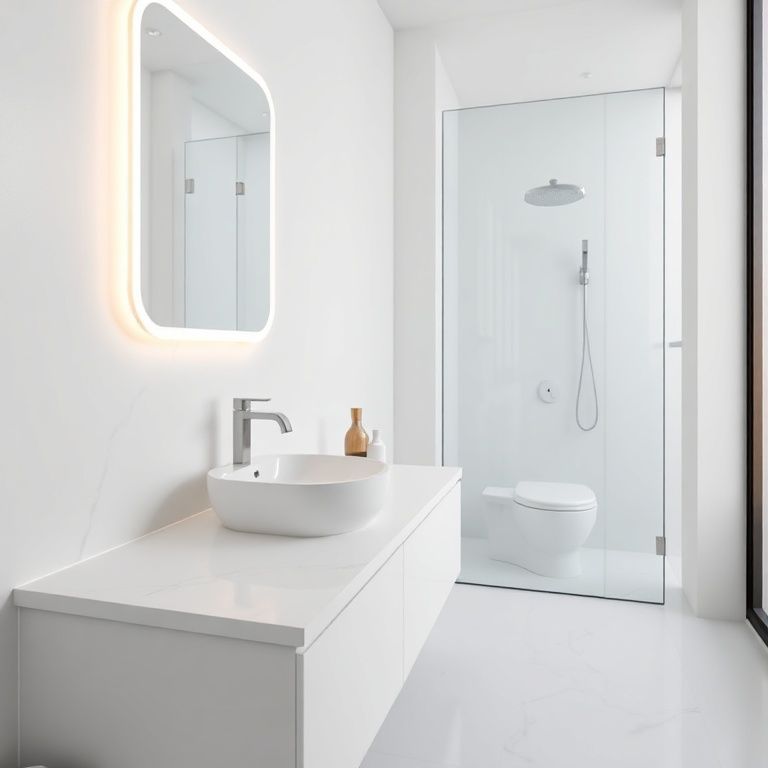
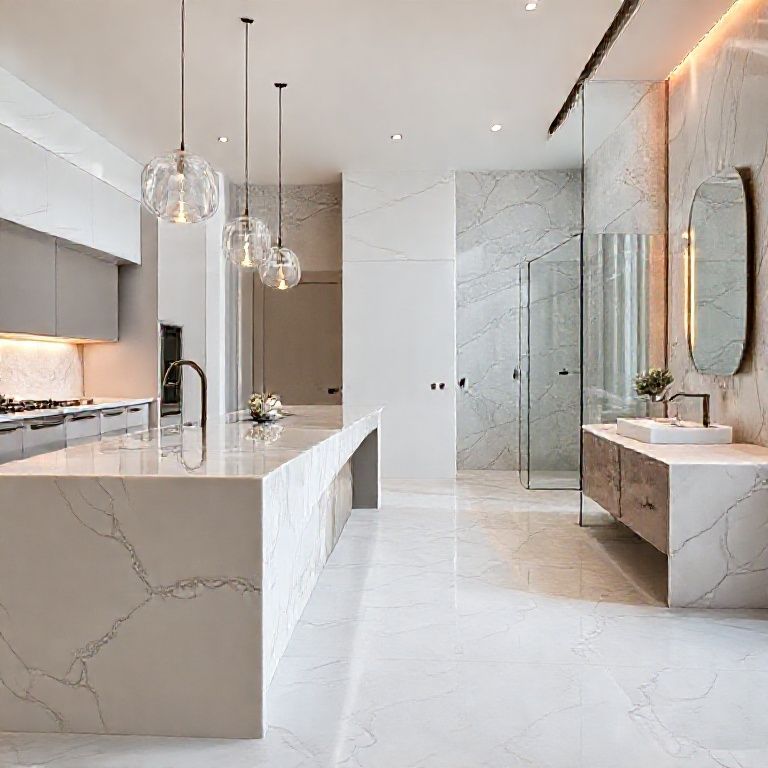
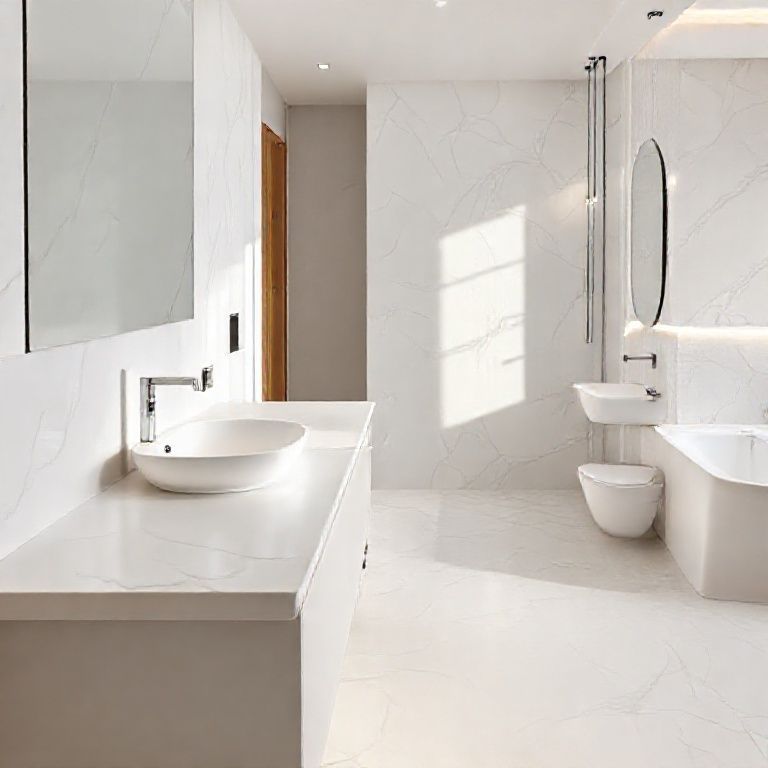
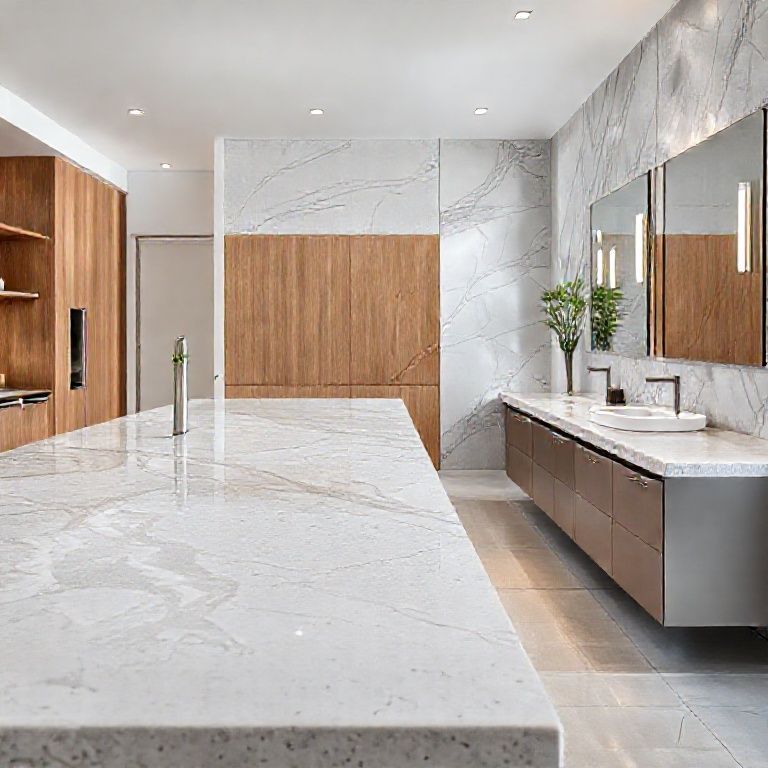
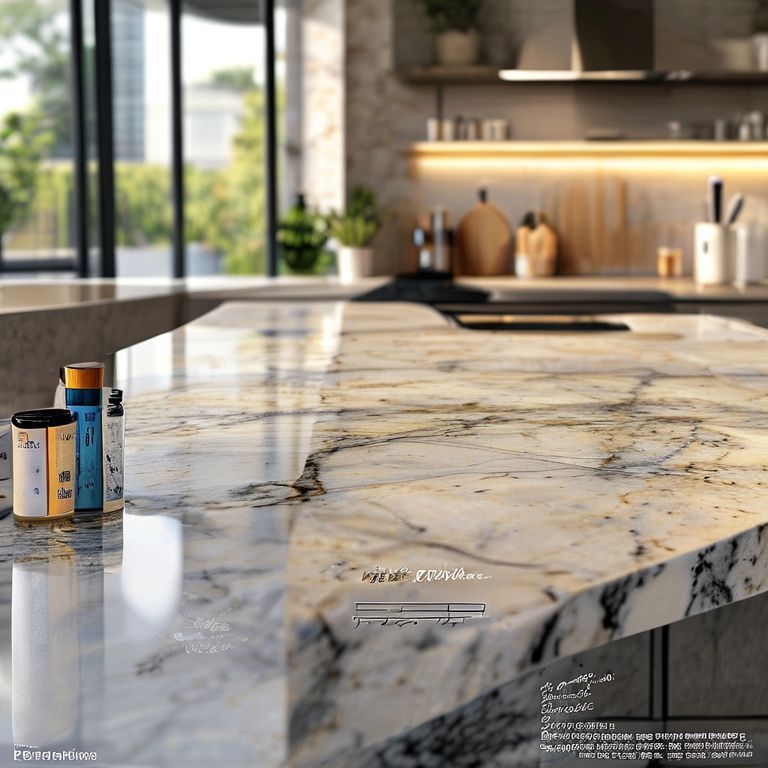
Artificial marble, often referred to as engineered stone, has become a popular choice for countertops, sinks, and other architectural elements in both commercial and residential spaces. Its appeal lies in its striking resemblance to natural marble, combined with a range of benefits such as durability, low maintenance, and an array of color options. However, as with any material, artificial marble also has its set of drawbacks that are worth considering before making a decision.

The Composition and Formation of Artificial Marble
Artificial marble is created through a meticulous process involving the mixing of natural stone powders, such as calcite and dolomite, with resins and other binding agents. This mixture is then heated and compressed to form a solid, stone-like material. The result is a product that can mimic the beauty of natural marble while offering some distinct advantages.
Pros of Artificial Marble
Before delving into the downsides, it’s important to highlight the benefits that make artificial marble so attractive:
Aesthetic Appeal: Artificial marble can be engineered to mimic the intricate patterns and colors found in natural marble, offering a luxurious look at a fraction of the cost. Durability: It is significantly harder than natural marble, making it more resistant to scratches and stains. Low Maintenance: Unlike natural stone, artificial marble does not require sealing and is generally more resistant to acidic spills and stains. Customizability: It can be produced in various sizes and shapes, providing flexibility in design and installation.
The Overlooked Drawbacks
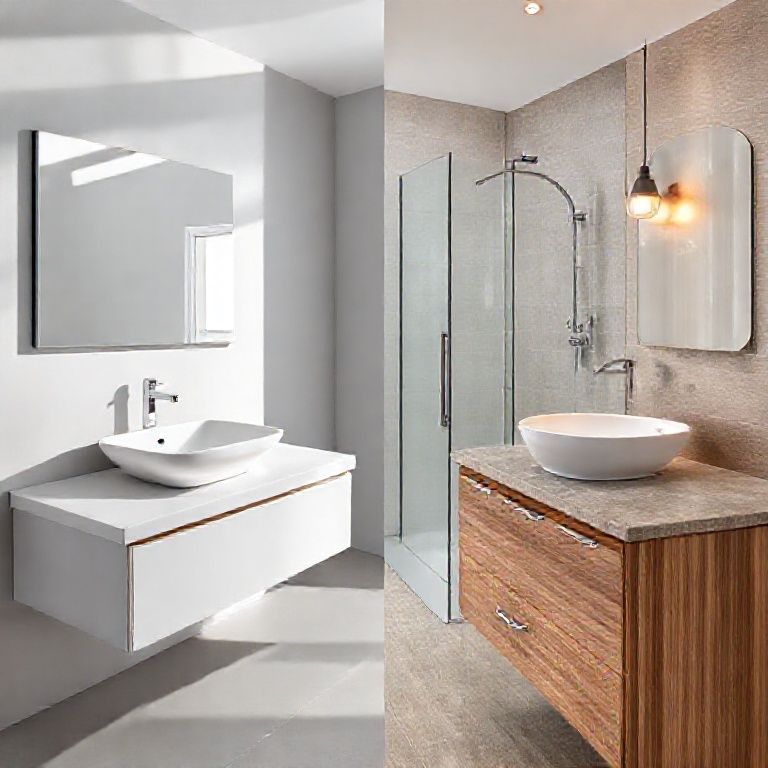
Despite its advantages, there are several downsides to artificial marble that can influence your decision-making process.
1. Environmental Concerns
One of the most significant concerns with artificial marble is its environmental impact. The production process involves the use of resins and binders, which can release volatile organic compounds (VOCs). These chemicals can contribute to indoor air pollution and pose health risks, including respiratory issues and other long-term health effects. Additionally, the disposal of artificial marble poses challenges, as it is not biodegradable and can contribute to landfill waste.
2. Durability Issues
While artificial marble is marketed as a durable material, it is not invulnerable. Over time, it can develop surface imperfections such as scratches, chips, and cracks. Although these issues are less common than with natural stone, they can still occur, particularly in high-traffic areas. Unlike natural stone, which can often be polished to restore its appearance, artificial marble may not recover as effectively from such damage.
3. Heat Resistance Limitations
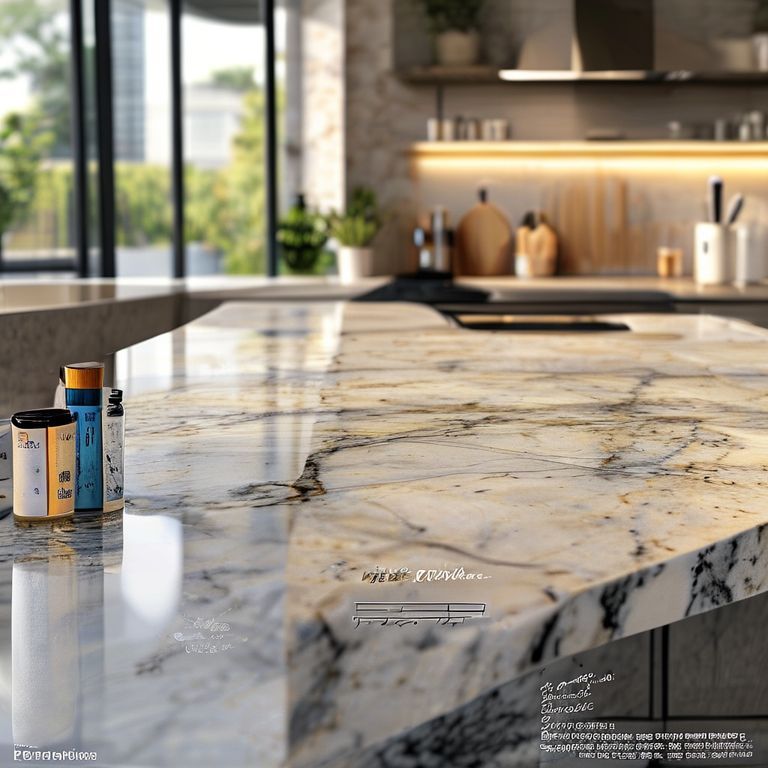
Artificial marble is often marketed as a superior alternative to natural stone due to its ability to withstand heat better. However, it is not entirely immune to the effects of extreme temperatures. Prolonged exposure to high heat can cause the material to warp, discolor, or even crack. This makes it less suitable for applications where it will be subjected to continuous, intense heat, such as over gas stoves or in outdoor settings exposed to direct sunlight.
4. Cost Considerations
While artificial marble can be more affordable than natural stone, its overall cost can escalate with custom designs and installation. Additionally, the maintenance costs may be lower initially, but the potential need for repairs or replacements due to durability issues could add to the long-term expenses.
5. Allergies and Sensitivity
Some individuals may be sensitive to the resins and other chemicals used in the production of artificial marble. These chemicals can sometimes cause skin irritation or respiratory issues. This is particularly important for people with allergies or asthma, making it essential to consider the material’s health implications.
Alternatives to Artificial Marble
Given the aforementioned drawbacks, it’s worth exploring alternative materials that may offer a better balance of aesthetics, durability, and environmental sustainability.
Natural Marble: While it comes with higher costs and requires more maintenance, natural marble offers timeless beauty, durability, and a lower environmental impact. Granite: Known for its strength and low maintenance, granite is an excellent alternative with a range of colors and patterns. Quartz: A synthetic stone made from 93% quartz, quartz offers durability, low maintenance, and minimal environmental impact, making it a strong contender against artificial marble.
Conclusion
In conclusion, while artificial marble presents several advantages that make it an appealing choice for many, it’s essential to weigh these benefits against its potential drawbacks. Understanding the environmental impact, durability issues, and other limitations can help you make a more informed decision when choosing materials for your home or commercial space. In the next part of this series, we will delve deeper into specific case studies and expert opinions on the long-term performance of artificial marble versus its alternatives.
${part2}
${part2}
The Unseen Flaws of Artificial Marble: A Detailed Exploration (Continued)
In the first part of our deep dive into the disadvantages of artificial marble, we highlighted several critical factors to consider before making a decision on this popular material. Now, we will explore these drawbacks in greater detail, examining real-world examples, expert opinions, and potential alternatives to help you make an informed choice.
Real-World Case Studies
To understand the practical implications of using artificial marble, let’s look at some real-world case studies where its limitations became apparent.
1. Commercial Kitchens
In a bustling commercial kitchen where high traffic and exposure to hot surfaces are daily occurrences, artificial marble often fails to live up to its promise of durability. In one notable case, a high-end restaurant installed artificial marble countertops. Within a few months, the surfaces began to show noticeable scratches and chips, leading to an expensive replacement. The owner had to replace the artificial marble with granite, which has proven to be more durable over time.
2. Residential Bathrooms
Another example comes from a residential bathroom where the homeowner chose artificial marble for its aesthetic appeal. Despite minimal maintenance, the artificial marble began to exhibit discoloration after just a year, likely due to exposure to cleaning chemicals and hot water. The homeowner was forced to invest in a costly restoration process to repair the damage.
Expert Opinions
Industry experts weigh in on the long-term performance and sustainability of artificial marble:
1. Architectural Perspective
According to renowned architect Jane Smith, “While artificial marble offers an attractive and cost-effective solution for many projects, its limitations become evident when subjected to the rigors of daily use. The environmental impact of its production and the potential for damage over time cannot be overlooked.”
2. Material Science Expert
Dr. Michael Thompson, a material science expert, emphasizes, “The durability of artificial marble is often overstated. While it does offer some advantages over natural stone, it is not as resilient to scratches, chips, and prolonged heat exposure as many consumers believe. This makes it unsuitable for high-traffic areas and areas exposed to extreme temperatures.”
Sustainability and Environmental Impact
The environmental implications of artificial marble production cannot be ignored. The production process involves the use of resins and binders that release VOCs, contributing to indoor air pollution and potential health risks. Moreover, the disposal of artificial marble poses challenges due to its non-biodegradable nature.
1. VOC Emissions
Studies have shown that the resins used in artificial marble can release VOCs, which can lead to indoor air quality issues. According to the World Health Organization, prolonged exposure to VOCs can cause respiratory problems and other health issues. This is a critical consideration for anyone concerned about the health and well-being of occupants in their space.
2. Landfill Waste
Artificial marble is not biodegradable, which means it contributes to landfill waste. This is a significant environmental concern, especially as the demand for artificial materials continues to rise. Choosing more sustainable alternatives can help reduce your environmental footprint.
Long-Term Durability and Maintenance
While artificial marble is marketed for its low maintenance, it still requires regular care to maintain its appearance and longevity. Over time, it can suffer from surface imperfections that are harder to repair than those on natural stone.
1. Surface Imperfections
Scratches, chips, and cracks are more common in artificial marble than many consumers realize. Unlike natural stone, which can often be polished to restore its appearance, artificial marble may not recover as effectively from such damage. This can lead to a need for costly repairs or replacements.
2. Chemical Resistance
Artificial marble is not entirely immune to acidic spills and stains. While it is more resistant than natural stone, it can still be affected by prolonged exposure to certain chemicals. This is particularly important for kitchens and bathrooms where cleaning products and hot water are frequently used.
Alternatives: Natural Stone vs. Synthetic Stone
Given the drawbacks of artificial marble, exploring alternative materials that offer better durability, sustainability, and lower environmental impact is crucial.
1. Natural Marble
Natural marble offers timeless beauty, durability, and a lower environmental impact compared to artificial marble. While it comes with higher costs and requires more maintenance, its natural beauty and resilience make it a superior choice for many applications.
2. Granite
Granite is another popular alternative to artificial marble. Known for its strength, durability, and resistance to scratches and stains, granite offers a long-lasting solution for countertops, flooring, and other architectural elements. It comes in a variety of colors and patterns, providing ample design options. However, granite requires sealing to protect against stains and may need periodic maintenance to maintain its appearance.
3. Quartz
Quartz is a synthetic stone made from 93% quartz and 7% resin. It offers durability, low maintenance, and minimal environmental impact, making it a strong contender against artificial marble. Quartz countertops are highly resistant to stains, scratches, and heat, and they do not require sealing. However, like artificial marble, quartz can be expensive, especially for custom designs.
Maintenance and Repair
Maintaining artificial marble requires regular cleaning and, in some cases, sealing to protect against stains and scratches. Here’s a detailed look at the maintenance and repair processes for artificial marble:
1. Cleaning
Artificial marble should be cleaned with mild soap and water to avoid damaging the surface. Avoid using abrasive cleaners or sponges that can scratch the material. For tougher stains, specialized cleaners designed for artificial stone can be used, but it’s essential to test these on a small, inconspicuous area first.
2. Sealing
While artificial marble generally does not require sealing like natural stone, some manufacturers recommend it for additional protection against stains. If sealing is necessary, use products specifically designed for artificial stone and follow the manufacturer’s instructions carefully.
3. Repair
Repairing artificial marble can be more challenging than repairing natural stone. If scratches or chips occur, they may not be as easily repaired as those on natural marble. In some cases, resurfacing or replacing the damaged area may be the only option. It’s crucial to consult with a professional for the best repair options.
Cost Considerations
Artificial marble is often more affordable than natural stone, but its overall cost can escalate with custom designs, installation, and potential repairs or replacements due to durability issues. Here’s a breakdown of the cost factors:
1. Initial Cost
Artificial marble is generally less expensive than natural stone, making it an attractive option for budget-conscious consumers. However, the cost can vary widely depending on the design, color, and quality of the material.
2. Maintenance and Repair Costs
While artificial marble requires less maintenance than natural stone, it still needs regular cleaning and, in some cases, sealing. Additionally, if damage occurs, the cost of repairs or replacements can add to the overall expense.
3. Long-Term Value
Considering the potential durability issues and need for repairs, the long-term value of artificial marble may not be as high as initially perceived. Natural stone, while more expensive upfront, often offers better longevity and lower maintenance costs over time.
Conclusion
In conclusion, while artificial marble presents several advantages, including cost-effectiveness and design flexibility, it is essential to consider its limitations carefully. Understanding the environmental impact, durability issues, and potential long-term costs can help you make a more informed decision. When choosing materials for your home or commercial space, weighing the pros and cons of artificial marble against natural stone alternatives is crucial for achieving the best balance of aesthetics, durability, and sustainability.
By considering these factors, you can make a well-informed decision that aligns with your needs, budget, and long-term goals. In the next part of this series, we will explore more detailed case studies and expert opinions on the performance and longevity of artificial marble compared to other materials.
This concludes our detailed exploration of the unseen flaws of artificial marble. If you have any specific questions or need further information on this topic, feel free to reach out. Understanding the nuances of different materials can greatly influence your decision-making process in home renovation or construction projects.