The Varied Palette of Marble: Unveiling the Spectrum of Marble Colors
Marble, a metamorphic rock formed from the transformation of limestone under pressure and heat, has been a coveted material in architecture and interior design for centuries. Its timeless elegance and versatility make it a favorite among architects, designers, and homeowners alike. But what truly sets marble apart is its stunning variety of colors and patterns, each telling a unique story of nature’s artistry.

Classic Whites: The Timeless Choice
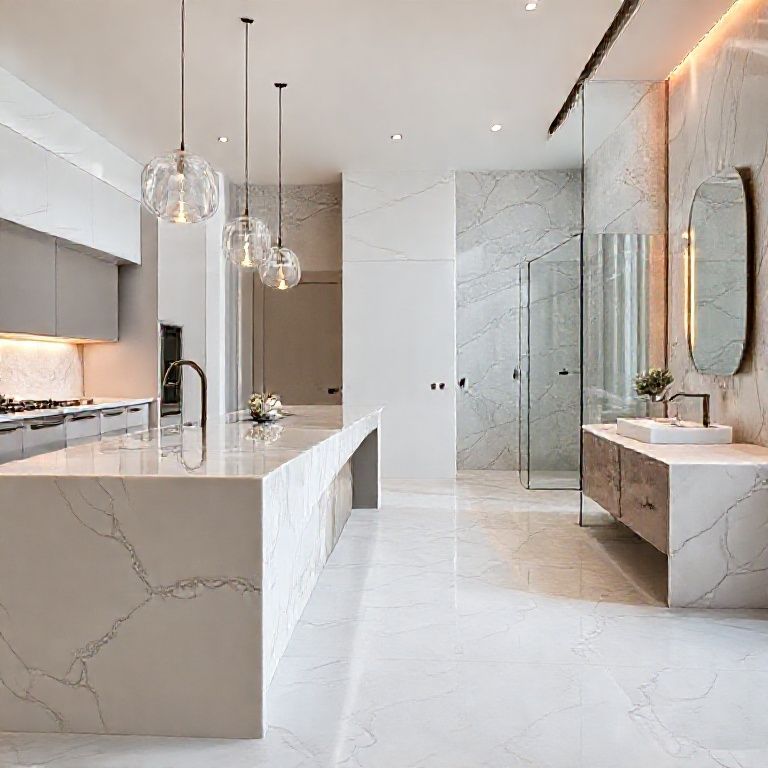
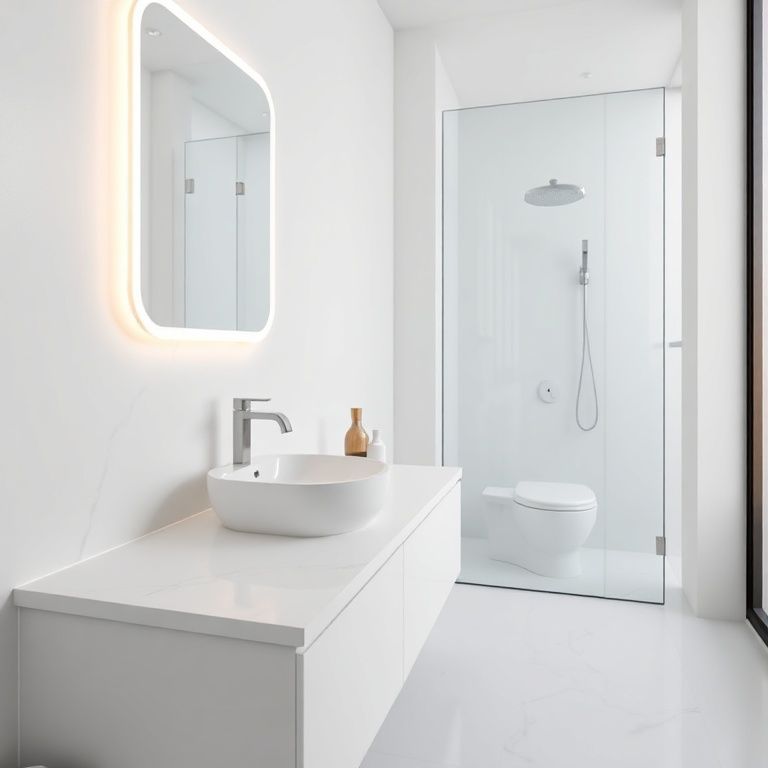
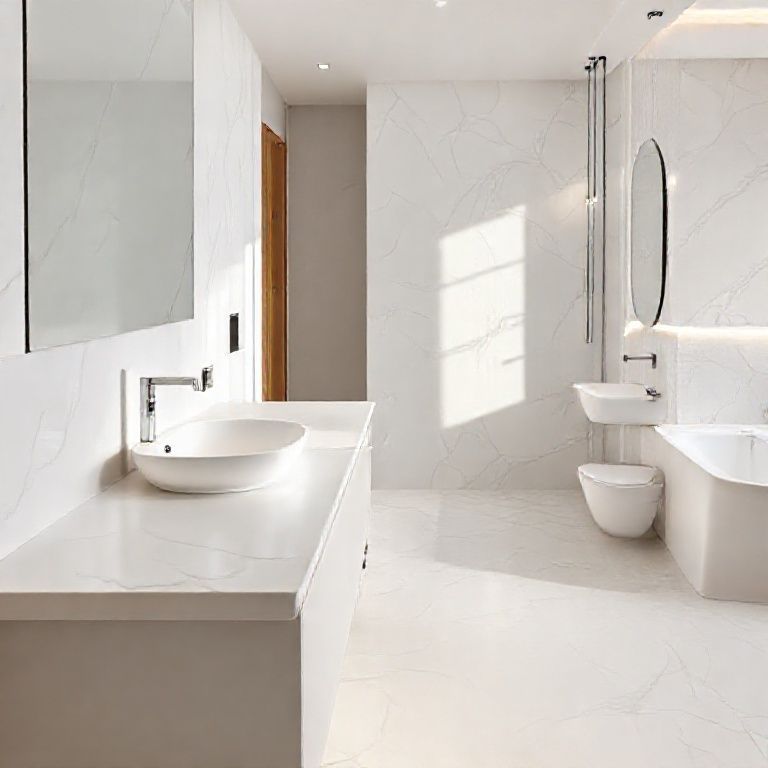
White marble remains the epitome of elegance and purity. The classic white marble, such as Carrara marble, is renowned for its pristine, snow-like hue. Its timeless appeal has made it a staple in luxury homes, high-end commercial spaces, and iconic landmarks worldwide. From the grand staircases of the Vatican to the serene interiors of modern penthouses, white marble’s versatility is unparalleled. The pure white marble can be subtly enhanced with natural veins of gray, pink, or even green, adding a touch of complexity to its simplicity.
The Elegance of Gray Marble
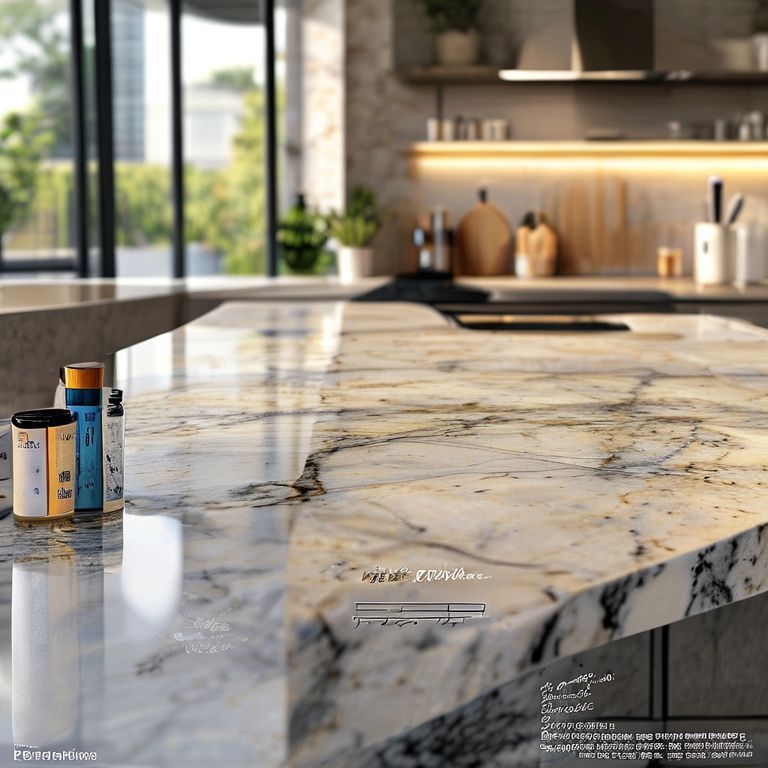
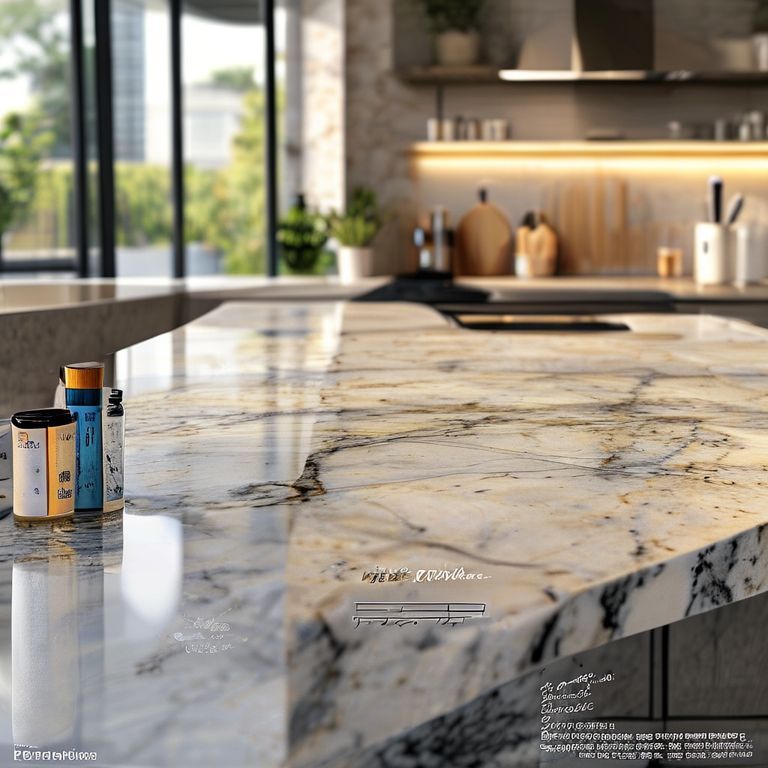
Gray marble brings a sophisticated and understated elegance to any space. Marbles like Botticino and Statuario often feature intricate gray patterns with flecks of gold, green, and white, creating a mesmerizing interplay of colors. The soft gray tones can complement a wide range of decor styles, from traditional to contemporary, providing a neutral backdrop that allows other design elements to shine. Gray marble is particularly popular for its use in kitchen countertops, bathroom vanities, and flooring, where its durable and easy-to-clean qualities are highly valued.
The Exotic Appeal of Black Marble
Black marble, often referred to as “black stone,” is a dramatic and bold choice that exudes luxury and opulence. Marbles like Nero Marquina and Calacatta Nero are celebrated for their deep, velvety black hues, often adorned with striking veins of white, gold, and green. Black marble is perfect for creating focal points in a room, such as a striking fireplace surround or a bold statement countertop. Its dramatic contrast against lighter tones can add a sense of drama and sophistication to any space.
Colorful Varieties: Celebrating Nature’s Diversity
Marble comes in a myriad of colors, each variety offering its unique charm and appeal. Here are some of the most captivating marble colors and the regions they hail from:
Red Marble: Red marbles, such as Rosso Antigua from Guatemala, are prized for their vibrant, fiery hues. These marbles add a touch of warmth and energy to any space, making them perfect for kitchens, bathrooms, and living areas where a bold statement is desired.
Green Marble: Green marbles, like Verde Marise and Botticino Scala, are celebrated for their lush, emerald tones. These marbles bring a sense of tranquility and natural beauty, ideal for creating serene environments in homes and offices.
Blue Marble: Blue marbles, such as Blu Imperiale and Blue Lace, captivate with their striking azure shades. These marbles are perfect for adding a touch of the ocean to interior spaces, creating a cool and calming ambiance.
Yellow Marble: Yellow marbles, including Giallo Antico and Golden Marble, are adored for their warm, sun-kissed tones. These marbles bring a sense of cheerfulness and brightness, making them ideal for kitchens and dining areas where a lively atmosphere is desired.
Patterns and Veins: The Natural Artistry of Marble
Beyond color, marble’s natural patterns and veins add an element of uniqueness and character to each piece. These intricate designs are a result of the metamorphic processes that form marble, and no two pieces are exactly alike. This natural variability is what makes marble so special and highly valued.
Marble in Contemporary Design
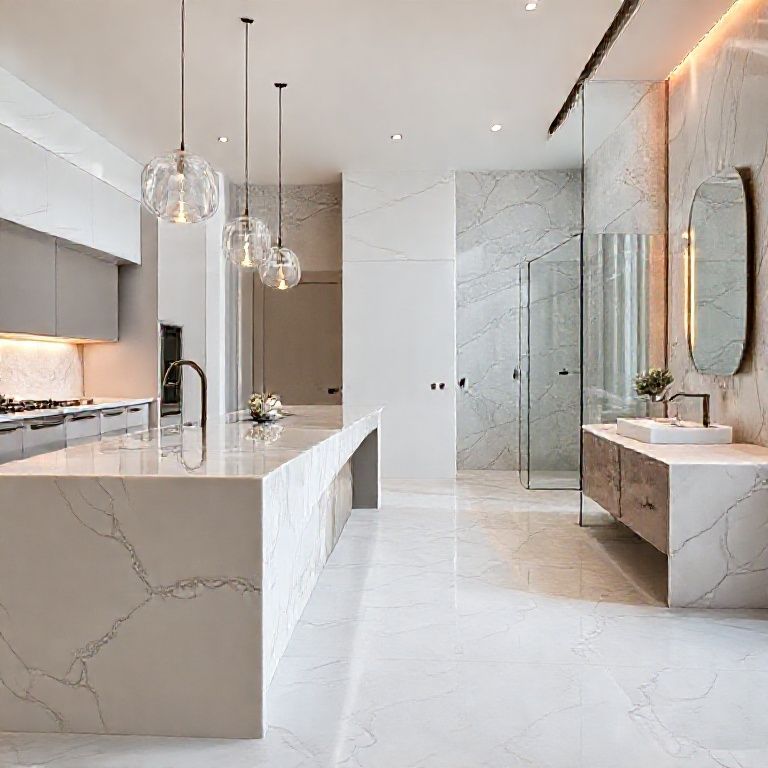
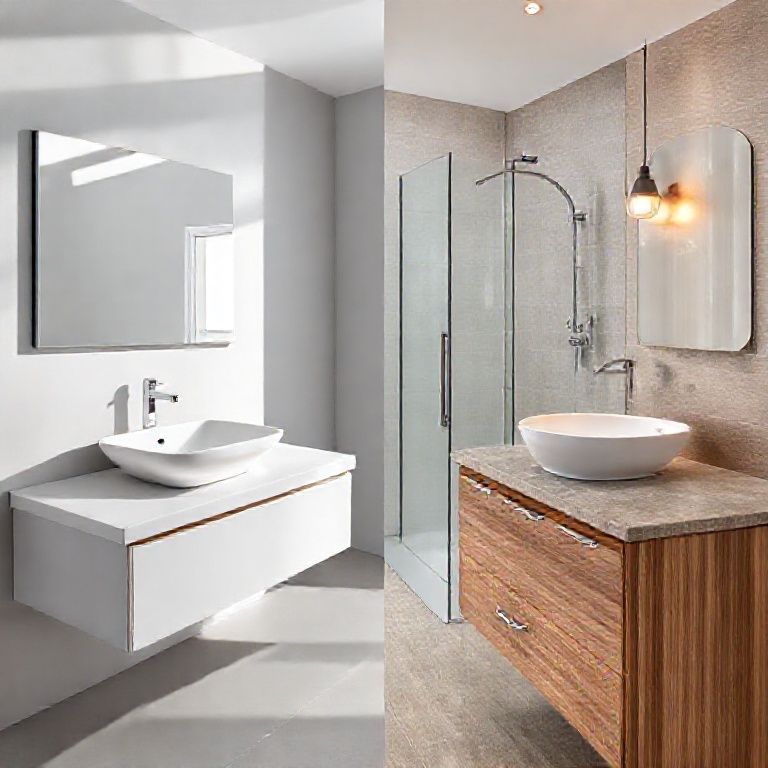
In contemporary design, marble’s versatility and beauty are harnessed to create innovative and functional spaces. The clean lines and modern aesthetics of contemporary design pair beautifully with the timeless elegance of marble. From sleek kitchen countertops to minimalist bathroom vanities, marble’s adaptability ensures it can fit seamlessly into any modern design scheme. Its durability and low maintenance requirements make it an excellent choice for high-traffic areas, ensuring that its beauty remains undiminished over time.
Conclusion to Part 1
In conclusion, the spectrum of marble colors is as vast and varied as it is beautiful. From the classic whites and sophisticated grays to the bold blacks and colorful varieties, marble offers endless possibilities for creative expression and design innovation. Whether you are looking to add a touch of elegance to a luxury home or create a modern, functional space, the rich palette of marble colors provides a timeless and versatile solution. In the next part, we will explore the regional varieties of marble and their unique characteristics, further delving into the world’s most exquisite marbles.
The Varied Palette of Marble: Unveiling the Spectrum of Marble Colors
Continuing our exploration of the enchanting world of marble, we now turn our attention to the regional varieties that each bring their unique characteristics and allure. Marble is found in diverse locations around the globe, each region offering its own distinctive marble types that reflect the area’s natural beauty and geological history.
Regional Varieties: A Journey Through Marble’s Global Palette
1. Italian Marble: The Epitome of Elegance
Italy is synonymous with marble, and for good reason. Italian marble is celebrated for its quality, beauty, and versatility. Italian marbles like Botticino, Carrara, and Statuario are some of the most sought-after in the world. Botticino is known for its creamy white with gray and green veins, while Carrara marble is famous for its pure white, often with subtle gray and green flecks. Statuario marble, with its intricate patterns of gold, green, and white, is a favorite for creating stunning architectural features and interior design elements.
2. Indian Marble: Vibrant and Exotic
India is renowned for its vibrant and exotic marble varieties, which have become increasingly popular in global markets. Marbles like Imperial White, Marble Gold, and Indian White are celebrated for their rich colors and unique patterns. Imperial White is prized for its pure white hue with dark veins, while Marble Gold captivates with its golden tones and intricate veining. Indian White offers a softer, creamy white with subtle, dark veins, providing a warm and inviting aesthetic.
3. Turkish Marble: Timeless and Durable
Turkish marble is celebrated for its durability, quality, and striking colors. Marbles such as Tekne, Dikili, and Ulubaş are highly valued for their unique patterns and hues. Tekne marble features a unique combination of black, white, and gold veining, making it a standout choice for bold, dramatic designs. Dikili marble is known for its creamy white with striking black and gold veining, while Ulubaş marble offers a rich, dark brown with contrasting white and gold veins.
4. Chinese Marble: Modern and Versatile
China has emerged as a significant player in the marble industry, offering a wide range of marble types that cater to both traditional and contemporary design tastes. Marbles like Fenghuang, Huangshan, and Shicheng are renowned for their vibrant colors and unique patterns. Fenghuang marble, with its rich red and gold veining, is perfect for creating a sense of warmth and luxury. Huangshan marble offers a blend of green and white, providing a serene and natural look. Shicheng marble, with its striking black and white veining, is ideal for modern, minimalist designs.
5. Brazilian Marble: Nature’s Masterpiece
Brazil is home to some of the most exotic and beautiful marble varieties in the world. Marbles like Travertine, Onix, and Calacatta are celebrated for their stunning colors and intricate patterns. Travertine marble features a unique combination of natural white and beige with intricate veining, creating a rustic and organic aesthetic. Onix marble, with its rich, dark black and contrasting white veining, is perfect for bold, dramatic statements. Calacatta marble offers a creamy white with striking white and gold veining, providing a timeless and elegant look.
Marble in Modern Architecture
Marble’s versatility and timeless elegance make it an ideal material for modern architecture. From sleek skyscrapers to contemporary homes, marble’s ability to adapt to various design styles and its durability ensure its continued popularity. Its natural beauty and character add a sense of luxury and sophistication to any architectural project. In modern architecture, marble is often used in exterior cladding, flooring, and interior design elements such as countertops, fireplaces, and wall cladding.
Sustainability and Marble
As sustainability becomes an increasingly important consideration in design and construction, the use of marble has evolved to meet these needs. Many marble quarries now employ sustainable practices to minimize their environmental impact. Additionally, marble is a naturally durable material that requires minimal maintenance, making it an environmentally friendly choice. Its long lifespan and ability to withstand the elements contribute to its sustainability, ensuring that marble remains a favored material in both traditional and contemporary settings.
Designing with Marble: Tips and Trends
When designing with marble, there are several tips and trends to consider to make the most of itsDesigning with Marble: Tips and Trends
When designing with marble, there are several tips and trends to consider to make the most of its beauty and versatility. Here’s a comprehensive guide to help you incorporate marble into your design projects seamlessly.
1. Understanding Marble’s Characteristics
Before incorporating marble into your design, it’s essential to understand its unique characteristics:
Durability: Marble is a durable material that can withstand heavy use. However, it is porous and can stain easily. Regular maintenance and sealing are necessary to preserve its appearance. Color and Veining: Each piece of marble is unique due to its natural veining and color patterns. This individuality can add character to your design but also requires careful selection to ensure consistency throughout a project. Workability: Marble is relatively easy to work with, allowing for intricate carvings and detailed designs. However, it requires skilled craftsmanship to achieve the desired results.
2. Choosing the Right Marble
When selecting marble, consider the following factors:
Color and Veining: Choose marble that complements your overall design aesthetic. Classic white marble is timeless, while exotic colors like red, green, and blue add a unique touch. Variety: Different types of marble offer different qualities. For example, Botticino is known for its gray and green veining, while Calacatta offers a creamy white with gold veining. Source: Consider the origin of the marble. Italian marble is renowned for its quality, but marble from other regions like India, Turkey, China, and Brazil also offers unique and beautiful varieties.
3. Integrating Marble into Interior Design
Marble can be used in various interior design elements, each bringing its own benefits and aesthetics:
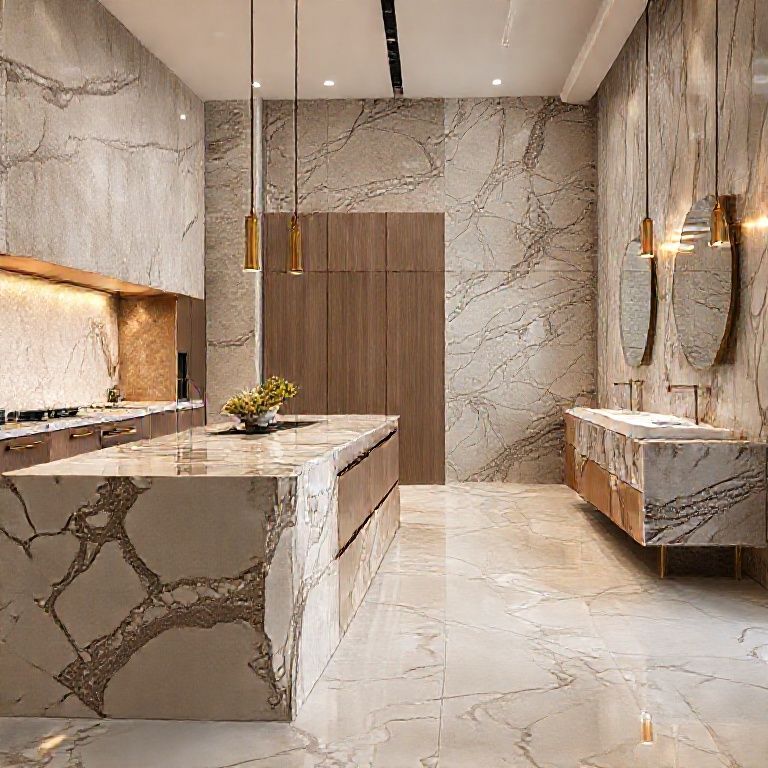
Countertops: Marble countertops are popular for their timeless elegance and versatility. They can be used in kitchens, bathrooms, and dining areas. Ensure proper sealing and maintenance to protect against stains and damage. Flooring: Marble flooring adds a touch of luxury and sophistication to any space. It’s durable and can withstand heavy foot traffic. Choose a marble with a smooth finish for easy cleaning. Vanities and Bathrooms: Marble vanities and bathroom fixtures offer a blend of elegance and functionality. Their natural beauty enhances the overall aesthetic of the space. Wall Cladding: Marble can be used as wall cladding to create focal points or add texture to a room. It’s particularly effective in living rooms, hallways, and entryways.
4. Marble in Exterior Design
Marble’s durability and aesthetic appeal make it suitable for exterior design elements:
Facade Cladding: Marble can be used for exterior cladding to add a touch of elegance and sophistication to buildings. It withstands the elements and provides a long-lasting finish. Landscaping: Marble can be used in landscaping projects for features like pathways, garden beds, and fountains. Its natural beauty complements outdoor designs. Monuments and Statues: Marble is often used for outdoor monuments and statues due to its durability and ability to withstand weather conditions.
5. Modern Trends in Marble Design
Marble continues to be a popular choice in modern design, with several trends emerging:
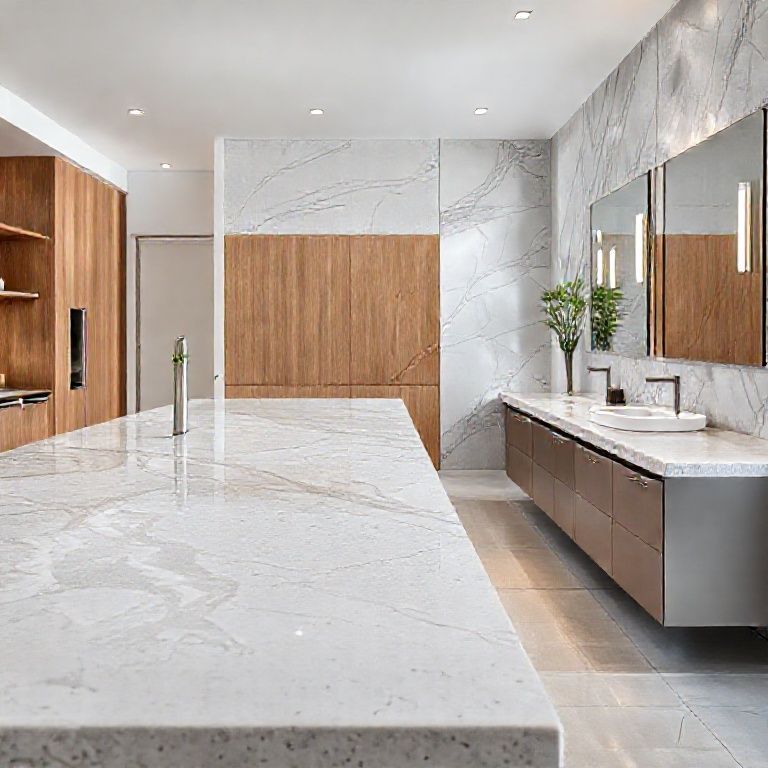
Minimalism: Simple and clean designs are in vogue. Marble’s natural beauty is often highlighted through minimalist designs that showcase the stone’s color and veining. Bold Statements: Large, bold pieces of marble are making a statement in modern design. From oversized countertops to expansive flooring, marble is used to create dramatic focal points. Combining Materials: Mixing marble with other materials like wood, metal, and glass creates unique and contemporary designs. The contrast between the materials adds depth and interest to the overall aesthetic. Sustainable Practices: With a growing emphasis on sustainability, many marble quarries and suppliers are adopting eco-friendly practices. Using marble from sustainable sources ensures that the material is responsibly sourced.
6. Maintenance Tips
To ensure the longevity and beauty of marble, proper maintenance is crucial:
Sealing: Regularly seal marble surfaces to protect against stains and damage. Use high-quality sealants recommended by professionals. Cleaning: Clean marble with pH-neutral cleaners to avoid damaging the surface. Avoid using acidic cleaners like vinegar or lemon juice. Protection: Use coasters, trivets, and other protective items to prevent scratches and stains from daily use. Repair: For any damage, consider professional repair services. Marble can often be resurfaced or repaired to restore its original beauty.
Conclusion
Marble’s diverse colors, intricate veining, and timeless elegance make it a versatile and enduring choice for both interior and exterior design. By understanding its characteristics and incorporating it thoughtfully into your projects, you can create spaces that are not only beautiful but also durable and sustainable. Whether you’re designing a modern home, a luxurious bathroom, or a striking exterior facade, marble’s natural beauty and versatility will ensure your design stands the test of time.