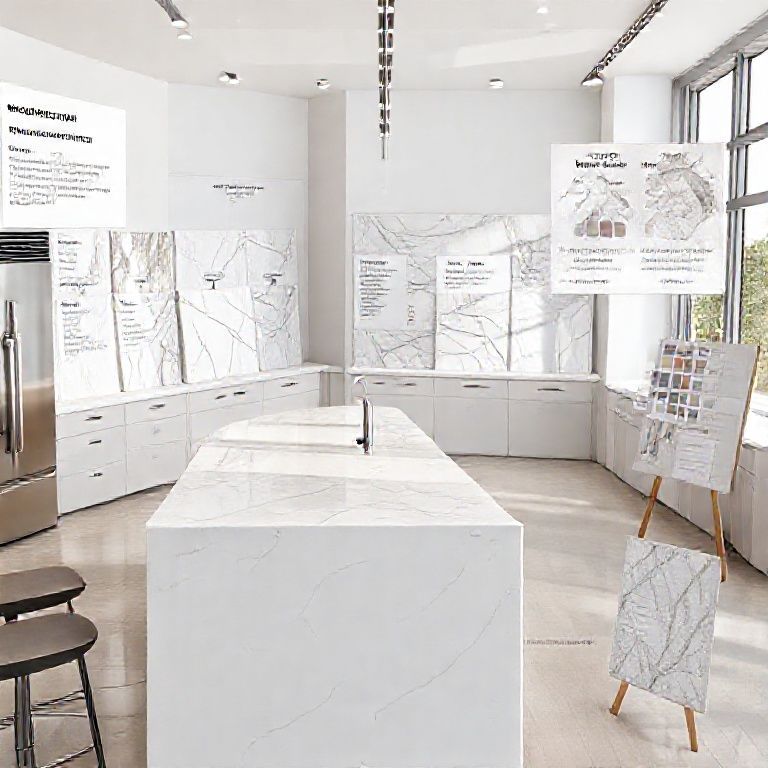
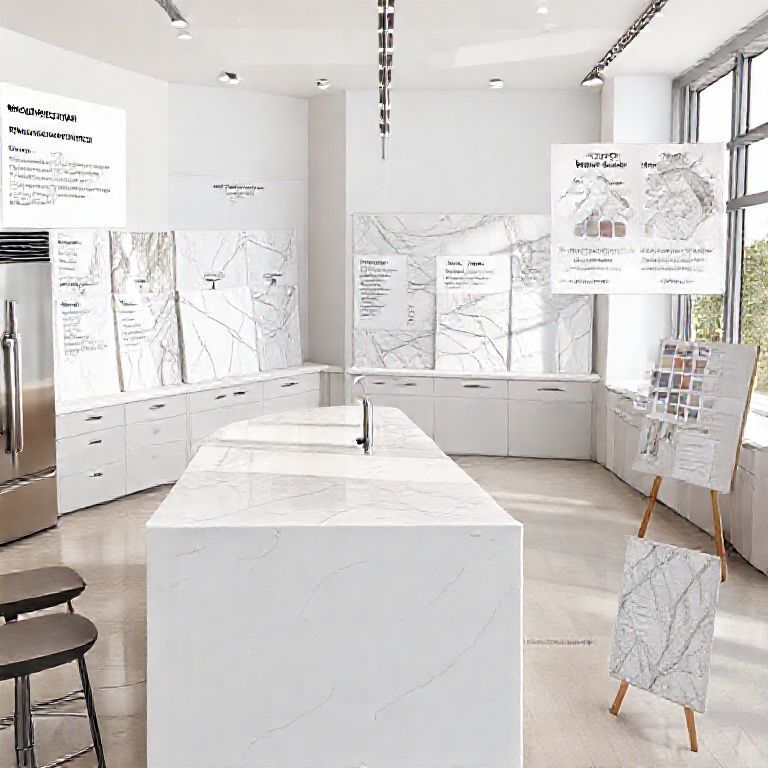
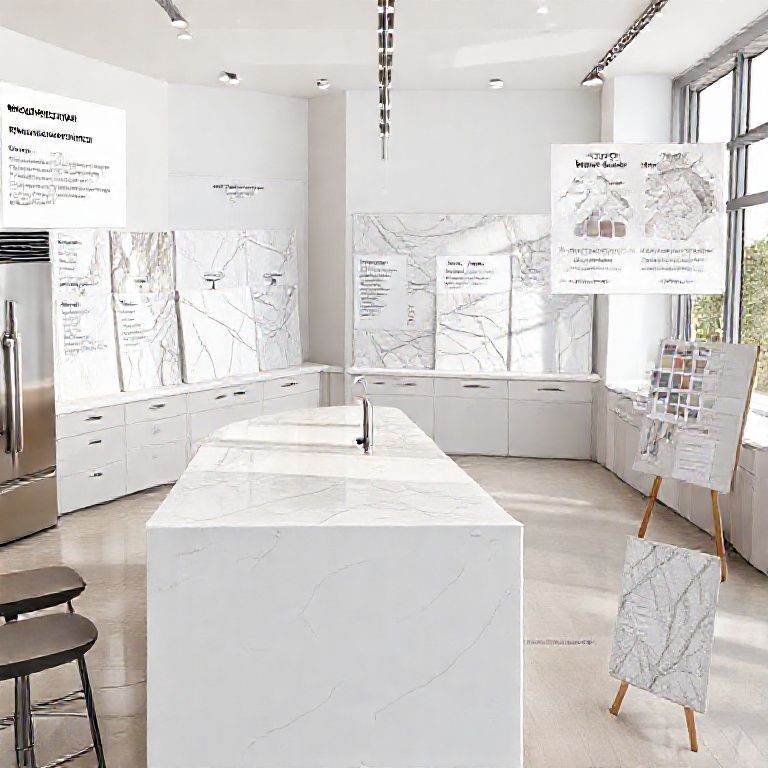
In an era where environmental sustainability is paramount, the construction industry stands at a critical juncture. Traditional practices often generate vast amounts of waste, contributing to pollution and resource depletion. Enter CO-Reliance Artificial Stone Scraps—a revolutionary solution poised to transform waste management and construction practices.

The Problem with Traditional Construction Waste
The construction industry is one of the largest producers of waste globally. According to the United Nations, approximately 40% of global waste is construction and demolition debris. This waste not only takes up valuable space in landfills but also involves the unnecessary consumption of raw materials. The environmental footprint of this waste is staggering, from the energy used in manufacturing new materials to the emissions released during demolition and transportation.
What Are CO-Reliance Artificial Stone Scraps?
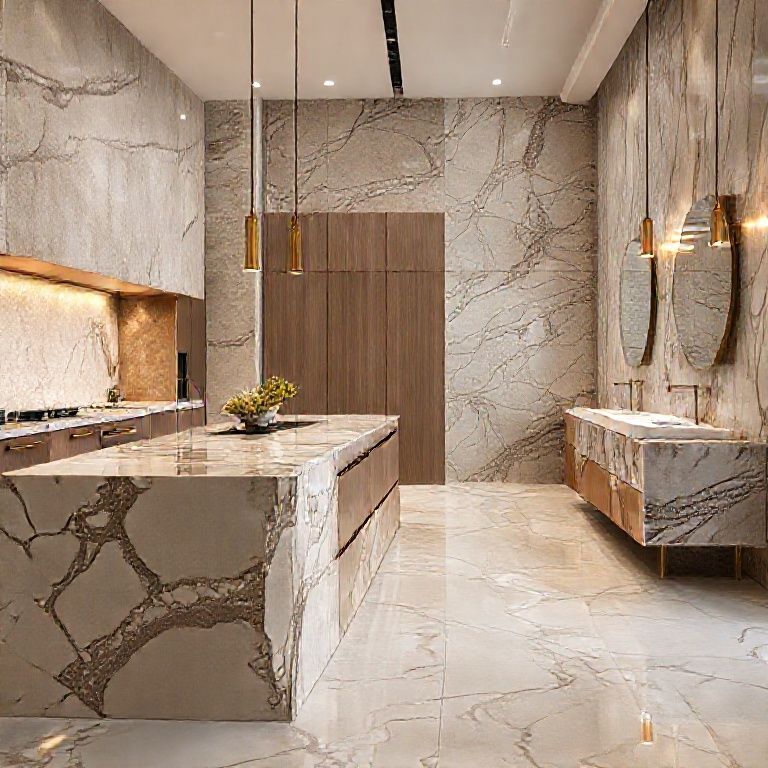
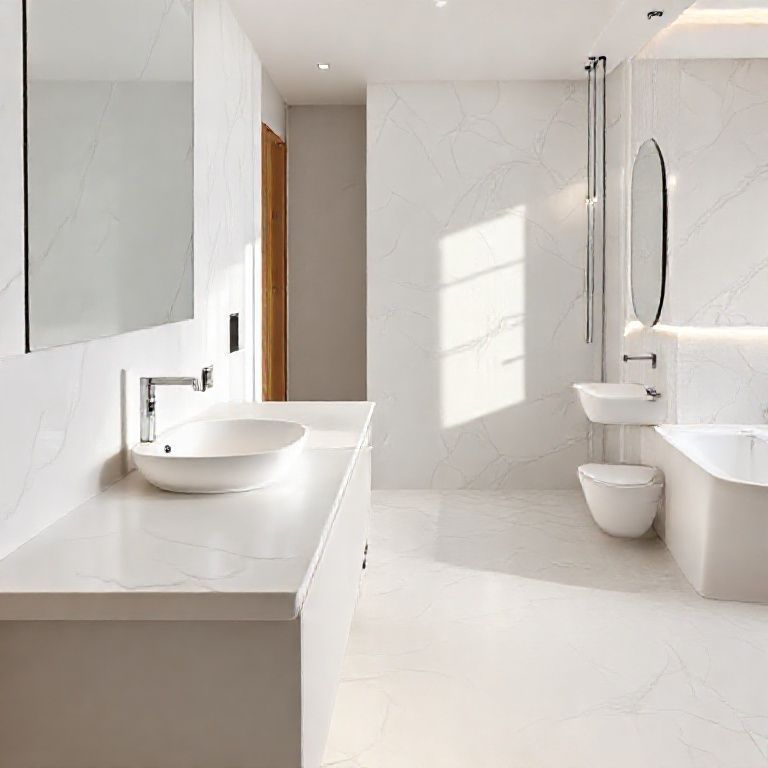
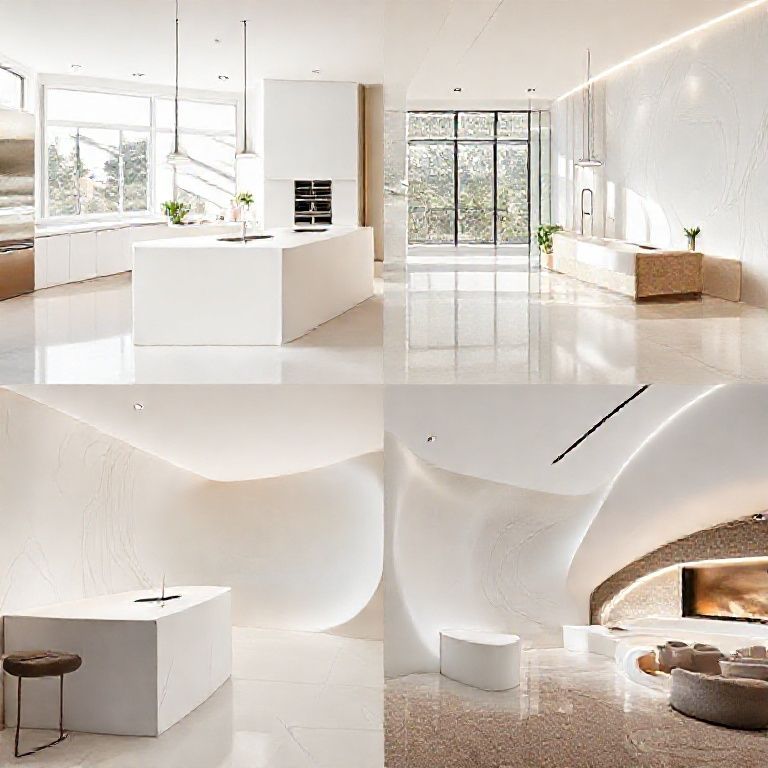
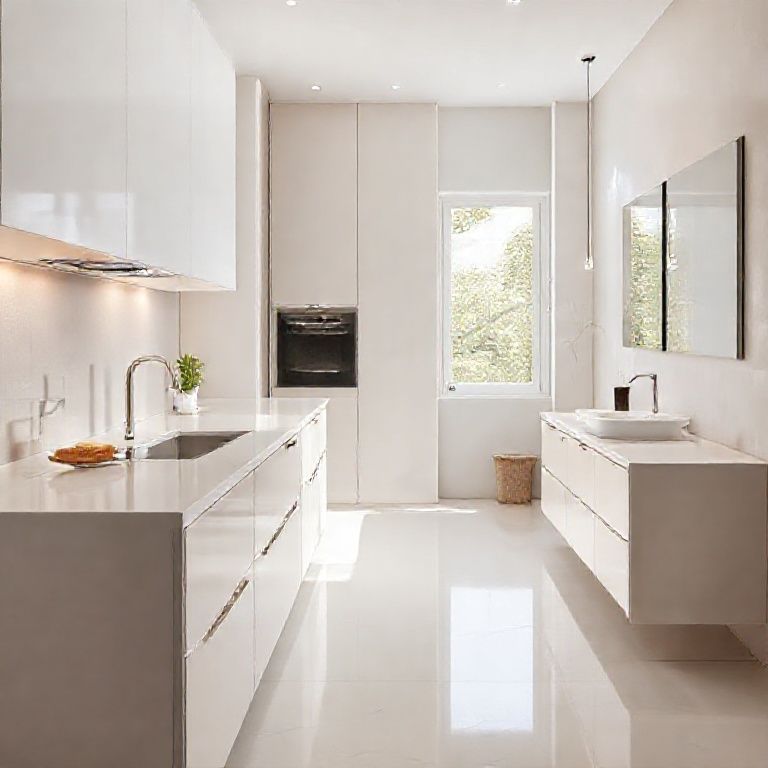
CO-Reliance Artificial Stone, crafted through precise and sustainable methods, offers a premium alternative to natural stone. However, like all construction materials, it inevitably generates scraps during the cutting, shaping, and installation processes. These scraps were once seen as mere waste, but innovative processes now allow them to be repurposed into valuable secondary resources.
The Process of Recycling CO-Reliance Artificial Stone Scraps
Recycling CO-Reliance Artificial Stone Scraps involves a meticulous process designed to maximize resource efficiency and minimize environmental impact. The primary steps include:

Collection and Sorting: Scraps are collected from construction sites and sorted based on material type and size. Advanced sorting technologies ensure that the scraps are clean and free from contaminants.
Grinding and Pulverizing: The sorted scraps undergo grinding to break them down into fine particles. This step is crucial as it allows the material to be easily reintegrated into new products.
Reinforcement and Reshaping: The pulverized material is then mixed with other binding agents to create new composite materials. These materials can be molded into various forms, from new artificial stone products to innovative construction materials like bricks and tiles.

Quality Control: Each batch of recycled material undergoes rigorous testing to ensure it meets the necessary quality standards for construction use.
Environmental Benefits
The recycling of CO-Reliance Artificial Stone Scraps offers numerous environmental advantages:
Resource Conservation: By reusing scraps, the demand for raw materials is significantly reduced, conserving natural resources. Energy Savings: Manufacturing new materials from recycled scraps consumes less energy compared to producing them from virgin materials. Waste Reduction: Effective recycling drastically cuts down on construction waste, reducing the burden on landfills and minimizing associated pollution.
Economic Advantages
The economic benefits of recycling CO-Reliance Artificial Stone Scraps are equally compelling:
Cost Efficiency: Reusing scraps lowers material costs for construction projects, providing significant savings. Job Creation: The recycling industry creates new job opportunities, contributing to economic growth and reducing unemployment in related sectors. Market Competitiveness: Companies adopting sustainable practices gain a competitive edge, attracting eco-conscious clients and investors.
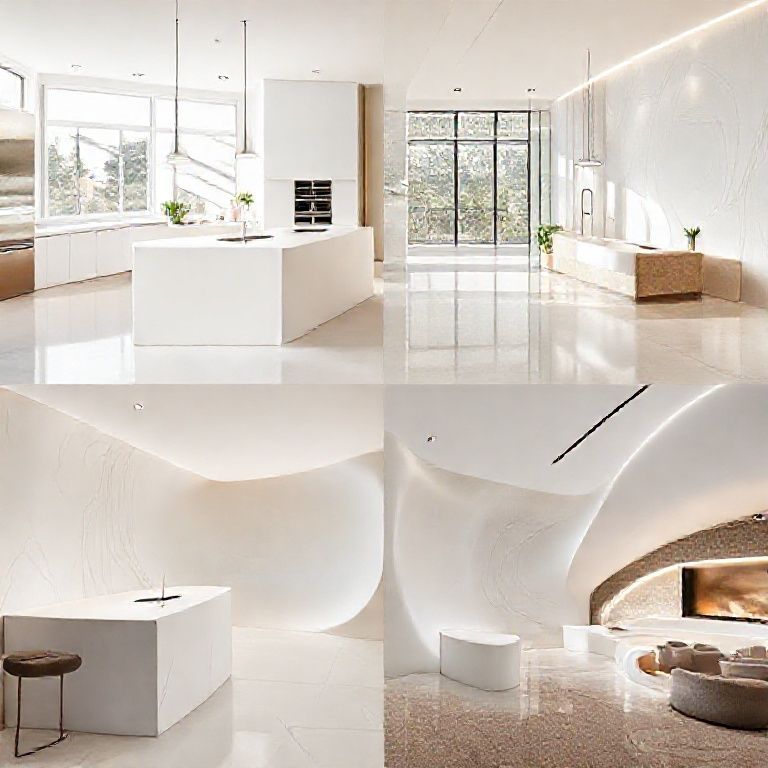
Case Studies and Success Stories
Several construction firms have successfully implemented CO-Reliance Artificial Stone Scrap recycling into their operations, yielding remarkable results. For instance, a major urban redevelopment project in Singapore integrated recycled scraps into its building materials, resulting in a 30% reduction in waste and a 20% decrease in material costs. Another case study highlights a small-scale DIY home renovation project where the recycling of scraps helped create custom tiles and countertops, demonstrating the versatility and practicality of the recycled materials.
Conclusion to Part 1
The potential of CO-Reliance Artificial Stone Scraps to revolutionize construction waste management is immense. By adopting sustainable recycling practices, the industry can significantly reduce its environmental footprint, conserve resources, and achieve economic savings. As more firms embrace these innovative methods, we move closer to a future where waste is not just minimized but transformed into valuable resources.
Building a sustainable future requires innovative thinking and forward-looking practices. CO-Reliance Artificial Stone Scraps epitomize this shift towards a greener, more efficient construction industry. In this part, we explore the cutting-edge technologies and future prospects that are shaping the path ahead.
Advanced Technologies in Recycling
The recycling of CO-Reliance Artificial Stone Scraps is powered by advanced technologies that enhance efficiency and quality:
Automated Sorting Systems: Advanced sorting systems use optical sensors and artificial intelligence to accurately identify and separate different types of scraps. This precision ensures that only high-quality materials are recycled, maintaining the integrity of the recycled product.
Precision Grinding Machines: State-of-the-art grinding machines break down scraps into ultra-fine particles, ensuring a uniform texture that is ideal for creating high-quality recycled materials.
Innovative Binding Agents: Research and development in binding agents have led to the creation of eco-friendly compounds that enhance the strength and durability of recycled materials. These agents ensure that recycled products meet or exceed the standards of virgin materials.
Redefining Construction Materials
The recycled CO-Reliance Artificial Stone Scraps are being used to create a wide range of construction materials, each offering unique benefits:
Bricks and Tiles: Recycled scraps are being used to manufacture durable bricks and tiles, providing sustainable alternatives to traditional construction materials. Composite Panels: These panels are made from a mixture of recycled scraps and other binding agents, offering a versatile material that can be used in various construction applications. Furniture and Decorative Items: The fine particles from recycled scraps are finding their way into furniture and decorative items, adding a touch of sustainability to everyday products.
Future Prospects and Innovations
The future of construction with recycled CO-Reliance Artificial Stone Scraps is bright and filled with potential innovations:
Smart Recycling Systems: The integration of Internet of Things (IoT) technology in recycling systems allows for real-time monitoring and optimization of the recycling process. This ensures maximum efficiency and minimal waste.
Biodegradable Alternatives: Research is underway to develop biodegradable binding agents that can further reduce the environmental impact of recycled materials. These agents will allow recycled materials to break down naturally, contributing to a circular economy.
3D Printing with Recycled Scraps: The use of recycled scraps in 3D printing is an emerging trend. This technology allows for the creation of complex structures using recycled materials, offering a sustainable alternative to traditional manufacturing methods.
Global Collaboration: Global initiatives and collaborations are fostering the sharing of knowledge and best practices in recycling and sustainable construction. These collaborations are essential for driving widespread adoption of innovative recycling techniques.
Community and Industry Impact
The adoption of CO-Reliance Artificial Stone Scrap recycling has profound impacts on both communities and the construction industry:
Environmental Stewardship: By reducing waste and conserving resources, the recycling initiative promotes environmental stewardship, contributing to a cleaner, healthier planet. Community Engagement: Recycling programs often involve community engagement initiatives, educating the public about the benefits of sustainable practices and encouraging participation. Industry Leadership: Companies leading the way in sustainable construction practices gain recognition as industry leaders, influencing others to follow suit.
Real-World Applications
Several projects around the world are showcasing the potential of recycled CO-Reliance Artificial Stone Scraps:
Green Buildings: Several green buildings have incorporated recycled scraps into their construction, achieving LEED certification and setting benchmarks for sustainability. Public Infrastructure: Recycled scraps are being used in public infrastructure projects, such as roads and bridges, demonstrating their durability and versatility. Educational Institutions: Schools and universities are adopting sustainable practices, incorporating recycled materials in their buildings and curriculum to teach future generations about environmental responsibility.
Conclusion to Part 2
The future of construction is increasingly being shaped by innovative recycling practices, and CO-Reliance Artificial Stone Scraps stand at the forefront of this transformation. Advanced technologies, combined with a commitment to sustainability, are paving the way for a greener, more efficient construction industry. As the world moves towards a circular economy, the adoption of recycled materials will play a crucial role in achieving environmental and economic goals.
By embracing the potential of CO-Reliance Artificial Stone Scraps, we are not only reducing waste but also fostering a culture of sustainability that benefits the planet and future generations. The journey towards a sustainable future is underway, and the innovations in recycling are propelling us forward.