The Nature of Marble: Natural vs. Synthetic
In the realm of home decor, marble is often heralded as a quintessential luxury material. Its timeless beauty and elegance have made it a preferred choice for countertops, flooring, and decorative elements in homes around the world. However, when it comes to choosing between natural marble and synthetic marble, there are several factors to consider, including radiation levels. Let’s embark on a journey to understand the origins, properties, and radiation concerns associated with both natural and synthetic marble.

The Origins of Natural Marble
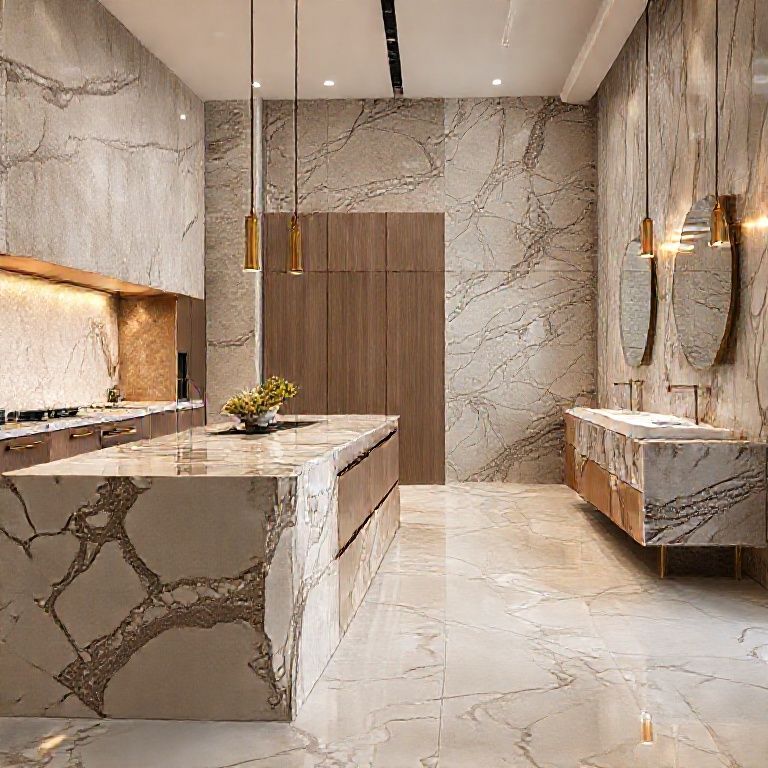
Natural marble is a metamorphic rock that forms when limestone undergoes intense heat and pressure over millions of years. This transformation alters its composition, resulting in the distinctive patterns and colors that we associate with marble. The process imbues natural marble with a rich history and a unique character that cannot be replicated.
Originating from various parts of the world, natural marble can vary widely in terms of color, texture, and mineral content. Countries like Italy, Greece, and India are renowned for producing high-quality natural marble, each with its own set of characteristics. The veins and patterns in natural marble are the result of natural processes, making each piece unique and often highly valued.
Synthetic Marble: The Modern Alternative
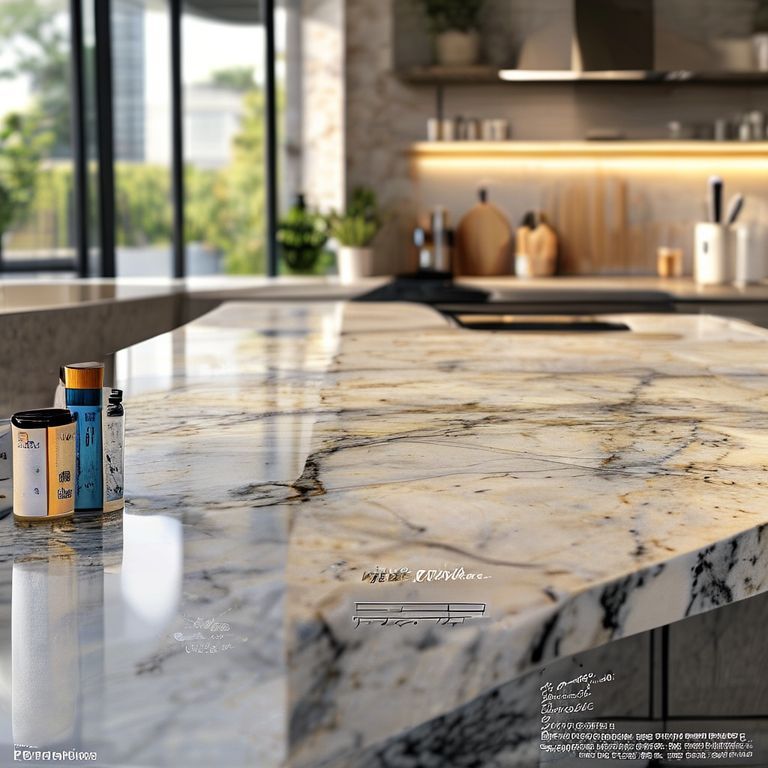
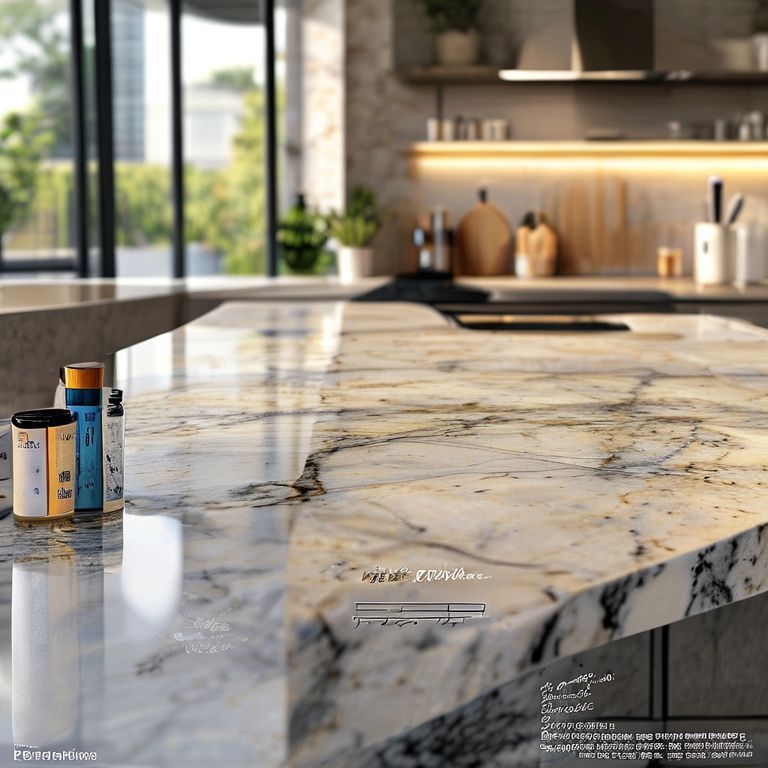
Synthetic marble, on the other hand, is a man-made material created by combining various minerals and resins. This process allows manufacturers to mimic the appearance of natural marble while offering more consistent and uniform qualities. Synthetic marble is often used when the natural material is unavailable, too costly, or when a designer seeks a specific look that cannot be achieved with natural stone.

The production of synthetic marble involves the careful mixing of minerals such as calcium carbonate, silica, and other additives, which are then bonded together using resins. The result is a durable material that can be manufactured to specific dimensions and colors, offering a more controlled product compared to natural marble.
Radiation in Natural Marble
When discussing radiation, it’s essential to understand that marble, by its very nature, contains trace amounts of naturally occurring radioactive materials (NORMs) such as uranium, thorium, and potassium. These elements are present in varying concentrations depending on the geological processes that formed the marble.
Natural marble, particularly those sourced from regions with high mineral content, can have measurable levels of radiation. This is not necessarily harmful in small quantities, but it becomes a concern when the material is used extensively in indoor settings, such as countertops and flooring.

The radiation emitted by natural marble is generally in the form of alpha particles, which are not highly penetrating. However, when broken pieces of marble are inhaled or ingested, there can be a potential risk. It’s important to note that the levels of radiation in natural marble are generally minimal and do not pose a significant health risk in typical usage scenarios.
Safety and Regulation
Given the potential for radiation, regulatory bodies have set guidelines and limits for the acceptable levels of radiation in building materials. These regulations help ensure that natural marble used in home decor does not exceed safe limits. It’s advisable to purchase natural marble from reputable suppliers who adhere to these guidelines and provide documentation of the material’s radiation levels.
Synthetic Marble and Its Radiation Concerns
While natural marble has inherent radiation concerns due to its geological formation, synthetic marble offers a different perspective. Let’s delve deeper into the composition, manufacturing processes, and radiation levels associated with synthetic marble to understand whether it poses any risks.
Composition and Manufacturing of Synthetic Marble
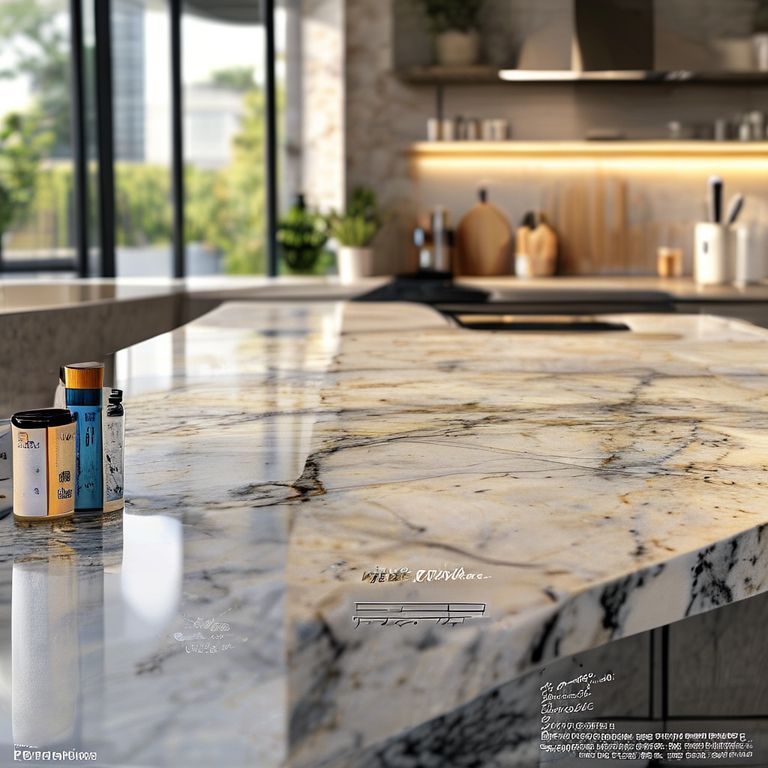
Synthetic marble is crafted by meticulously mixing minerals and resins to mimic the appearance and qualities of natural marble. The primary components include calcium carbonate, silica, and other additives that are combined and bonded together using resins. This material can be engineered to achieve specific aesthetic and functional properties, making it a versatile option for various applications.
The manufacturing process of synthetic marble involves several steps:
Material Selection: High-quality minerals and resins are selected to ensure the final product’s durability and appearance. Mixing: The chosen materials are mixed in precise proportions to achieve the desired consistency and color. Molding: The mixture is then poured into molds to shape it into slabs, tiles, or other forms. Curing: The molded material undergoes a curing process where it hardens and bonds together, creating a solid and durable product.
Radiation in Synthetic Marble
Unlike natural marble, synthetic marble is not formed through natural geological processes and therefore does not inherently contain naturally occurring radioactive materials. The minerals used in synthetic marble are typically sourced from mining operations, where they undergo additional processing to be used in the manufacturing of the material.
In the context of radiation, synthetic marble generally does not pose any significant concerns. The materials used in its production, such as calcium carbonate and silica, are abundant and do not contain high levels of radioactive elements like uranium or thorium. The resins used to bond the materials together are also carefully selected to ensure safety and durability.
Comparative Analysis: Natural vs. Synthetic Marble
To better understand the radiation levels and safety aspects of both natural and synthetic marble, let’s compare their key characteristics:
1. Origin:
Natural Marble: Formed through natural geological processes over millions of years. Synthetic Marble: Created through a combination of minerals and resins in a manufacturing process.
2. Radiation Levels:
Natural Marble: Contains trace amounts of naturally occurring radioactive materials. Levels vary based on the source and geological history. Synthetic Marble: Generally does not contain naturally occurring radioactive materials. Any radiation levels are negligible.
3. Durability and Consistency:
Natural Marble: Highly durable but can be inconsistent in color and pattern. Requires sealing to maintain its appearance and prevent staining. Synthetic Marble: Highly consistent in color and pattern. More durable and less prone to staining compared to natural marble.
4. Health and Safety:
Natural Marble: Potential radiation concerns in certain regions. Regulatory guidelines help manage these risks. Synthetic Marble: Generally safe with no inherent radiation concerns.
Making an Informed Decision
When choosing between natural and synthetic marble for your home decor, it’s essential to consider not only the aesthetic appeal but also the practical aspects and potential health risks. Here are some tips to help make an informed decision:
Research Suppliers: Look for reputable suppliers who provide detailed information about the materials they use and their radiation levels. Consult Experts: Speak with professionals in the field of home decor and safety to gain insights into the best choices for your space. Consider Usage: Think about how the marble will be used in your home. High-traffic areas might benefit from the durability of synthetic marble, while a more decorative touch could be achieved with natural marble. Health Precautions: If radiation concerns are a priority, synthetic marble might be a safer choice. However, natural marble from reputable sources with documented safety measures can also be a viable option.
Conclusion
In conclusion, both natural and synthetic marble offer unique benefits and considerations, particularly when it comes to radiation levels. Natural marble, with its geological history and unique patterns, remains a popular choice for those seeking authenticity and beauty. However, synthetic marble provides a consistent, durable, and generally safe alternative. By understanding the differences and making an informed decision, you can choose the best material for your home decor needs while prioritizing safety and quality.