The Science Behind Engineered Marble and Radiation
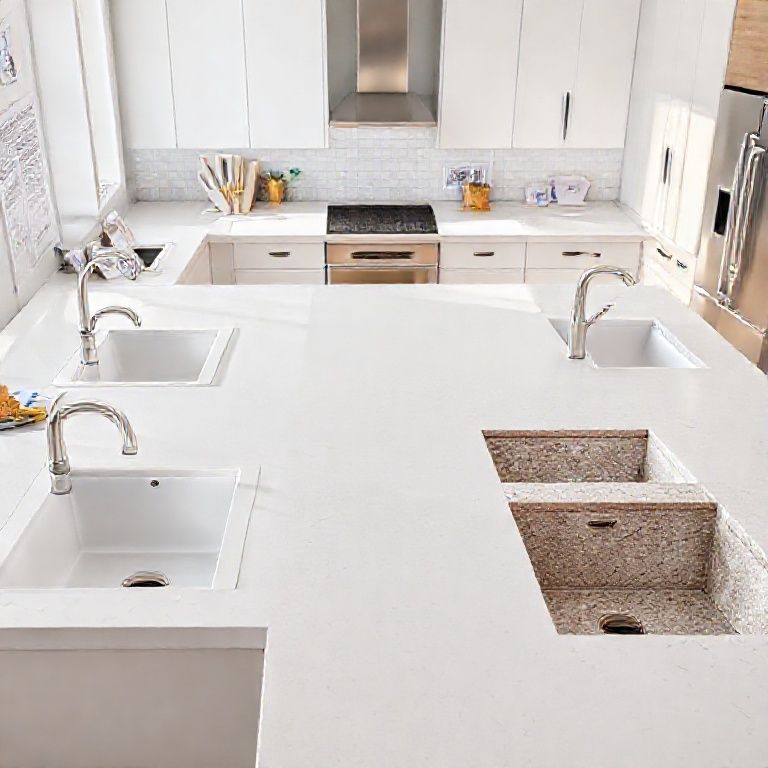
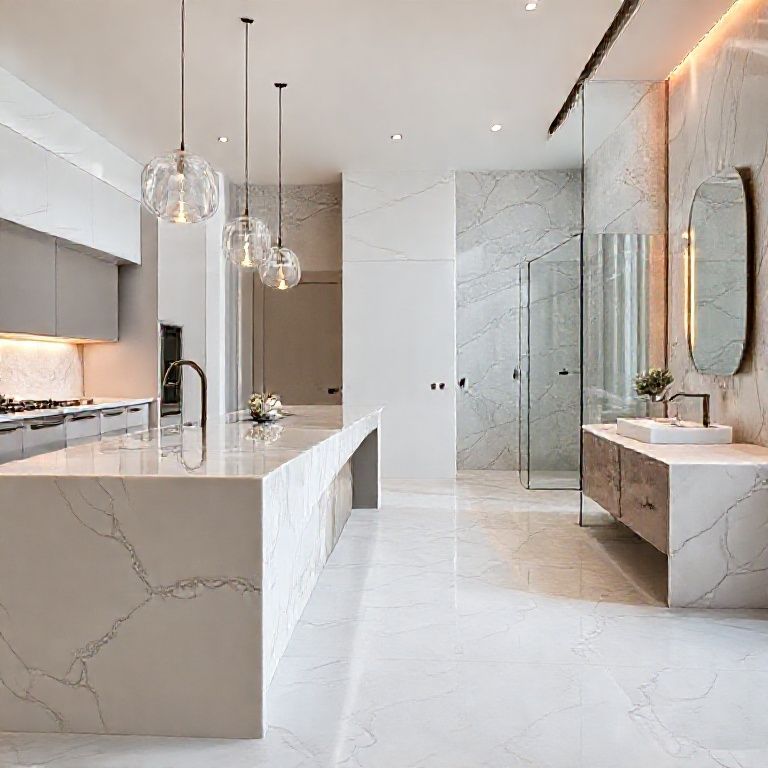
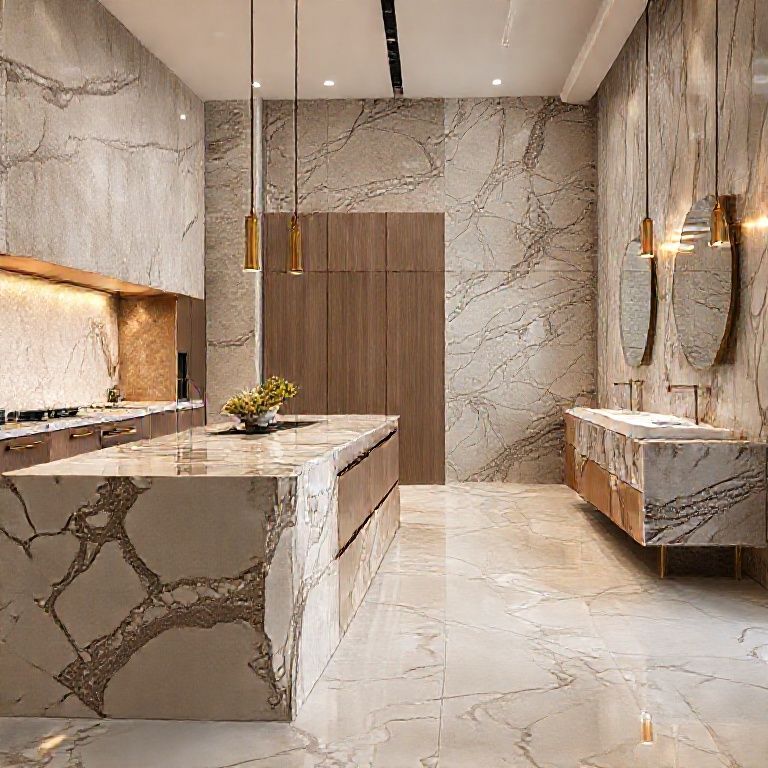
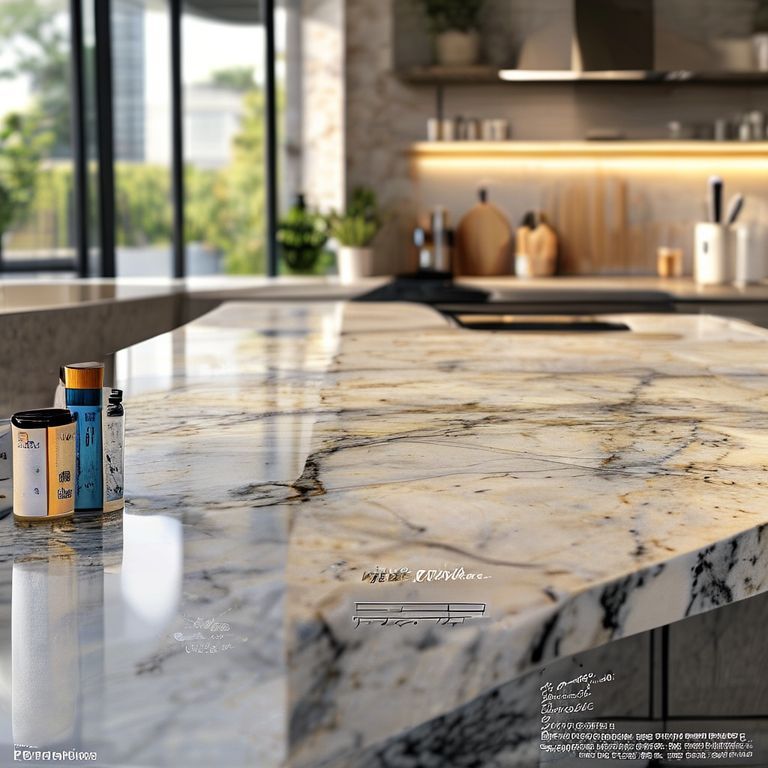
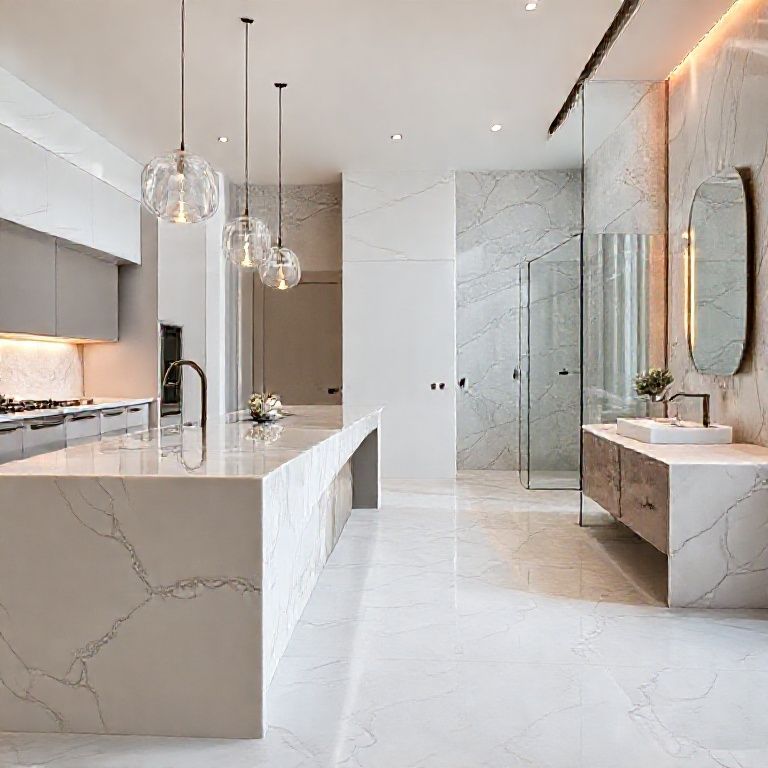
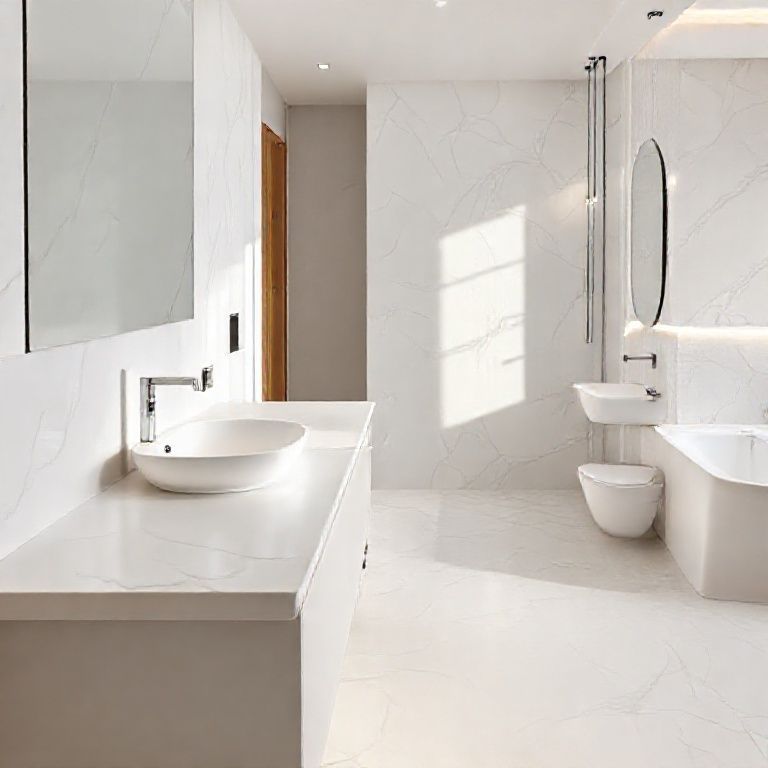
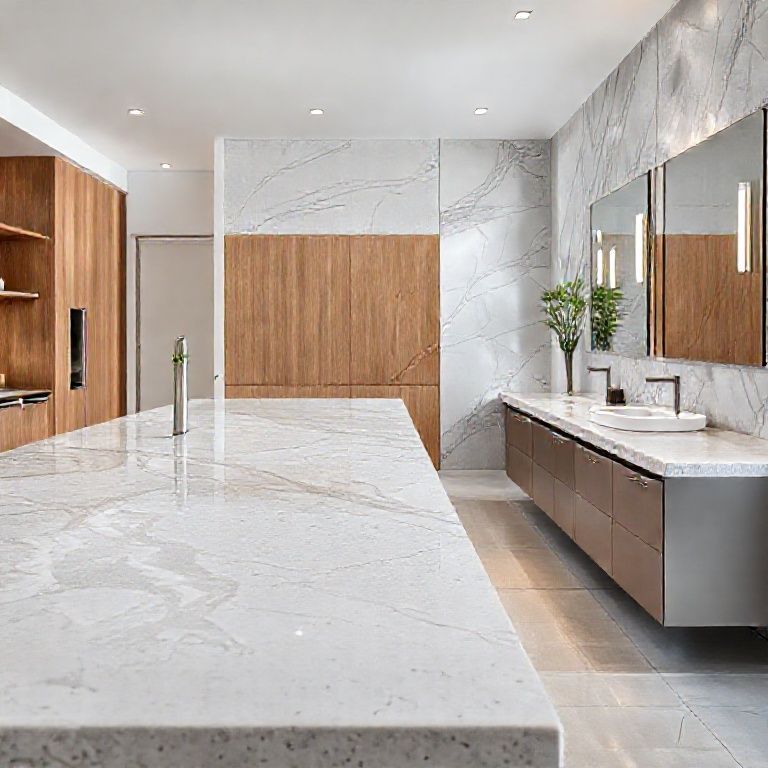
In recent years, engineered marble has become a popular choice for both residential and commercial interior design due to its striking appearance and durability. This material, often referred to as artificial or synthetic marble, is crafted from a blend of natural stone powders, resins, and pigments. The process involves mixing these components under high pressure and temperature to create a solid, monolithic material that mimics the look of natural marble.

What is Engineered Marble?
Engineered marble is a composite material designed to resemble the aesthetic and structural qualities of natural marble. It is typically composed of a base layer of stone chips or powders, which is then bonded together using a resin binder. This innovative material offers several advantages over traditional marble, including greater resistance to scratches, chips, and stains, as well as being more affordable and lightweight.
Radiation in Engineered Marble: The Basics
One of the primary concerns surrounding engineered marble is whether it emits high levels of radiation. To address this question, it’s essential to understand what radiation is and how it relates to the materials used in engineered marble.
Radiation Defined
Radiation refers to energy that travels through space in the form of waves or particles. In the context of materials, two types of radiation are most relevant: ionizing and non-ionizing radiation. Ionizing radiation has enough energy to remove tightly bound electrons from atoms, which can lead to harmful biological effects. Non-ionizing radiation, such as visible light or microwaves, does not have enough energy to ionize atoms but can still cause heating effects.
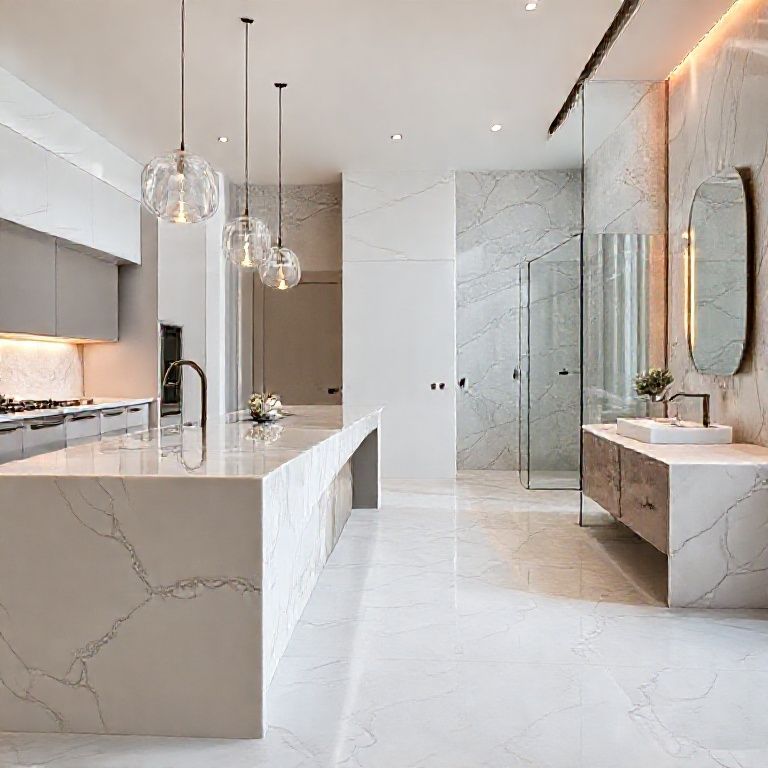
Materials Used in Engineered Marble
Engineered marble is made by combining various natural stone powders (such as calcite, dolomite, and limestone), resins (often epoxy or polyester), and pigments. The manufacturing process involves high pressure and temperature, which do not introduce any radioactive materials into the final product. The resin used in the process is typically a synthetic polymer, which also does not contribute to radiation levels.
Does Engineered Marble Emit Radiation?
To determine if engineered marble emits radiation, we must consider the materials involved and their natural radiation levels. The stone powders used in engineered marble are natural minerals that can contain trace amounts of radioactive elements like uranium, thorium, and potassium. However, these elements are present in minuscule quantities and are bound within the mineral structure. The manufacturing process does not increase their radioactivity.
Scientific Studies and Findings
Several scientific studies have been conducted to measure radiation levels in engineered marble. These studies generally find that the radiation emitted by engineered marble is within safe limits set by regulatory bodies such as the Environmental Protection Agency (EPA) in the United States and the International Commission on Radiological Protection (ICRP).
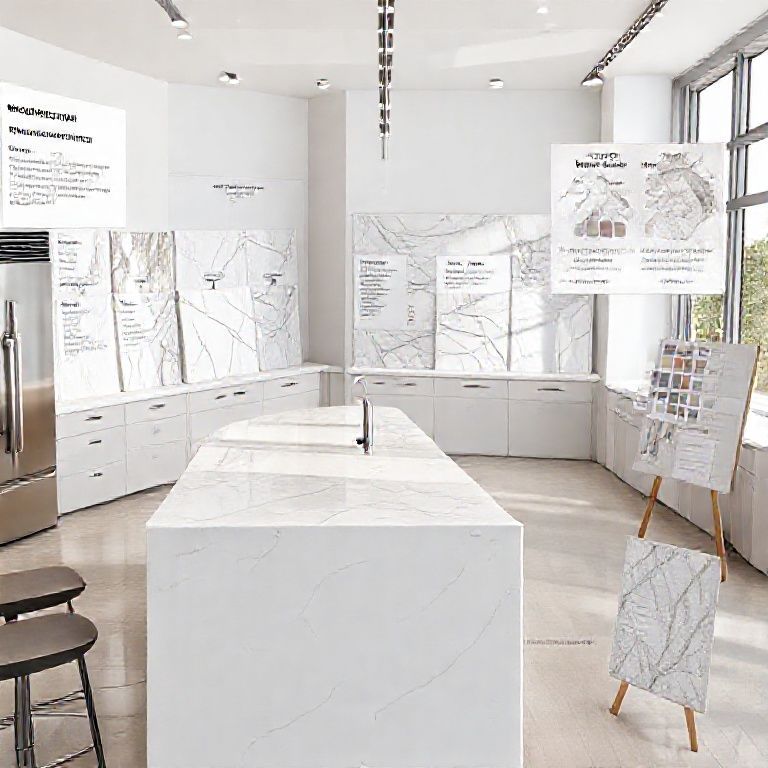
In one notable study, researchers measured the radiation levels from various samples of engineered marble and compared them to natural stone samples. The results showed that while some natural stone samples had higher radiation levels, the engineered marble tested did not exceed safe thresholds. Importantly, the radiation levels were comparable to those found in other common building materials like granite.
Conclusions from Scientific Research
Based on the available scientific evidence, it is clear that engineered marble does not emit significantly higher levels of radiation than natural stone or other building materials. The trace amounts of radioactive elements present in the stone powders do not contribute to elevated radiation levels once the material is processed into engineered marble.
Implications for Home Use
Understanding the radiation levels in engineered marble is crucial for homeowners who are concerned about their health and safety. While it’s important to be aware of potential radiation from any material, the evidence suggests that engineered marble poses no greater risk than other widely used building materials. This knowledge can help alleviate concerns and allow you to confidently choose engineered marble for your home decor.

Health and Safety Considerations in Choosing Engineered Marble
While the science behind engineered marble and its radiation levels is clear, it’s still essential to consider broader health and safety aspects when choosing this material for your home. This section delves into the potential health impacts, safety measures, and alternative options available.
Health Impacts of Engineered Marble
When considering the health impacts of any material, it’s important to look at both the direct and indirect effects. Direct effects refer to immediate health issues that can arise from exposure to the material, while indirect effects involve long-term consequences that may develop over time.
Direct Health Effects
The primary concern with engineered marble is the potential release of chemicals during manufacturing and use. However, reputable manufacturers follow strict guidelines to ensure that the materials used are safe and non-toxic. The resin binders and pigments used in engineered marble are typically chosen for their low emission of volatile organic compounds (VOCs), which can cause respiratory issues and other health problems.
Indirect Health Effects
Indirect health effects may arise from prolonged exposure to certain materials. For engineered marble, this could involve the release of microscopic particles over time. While these particles are generally not harmful, it’s important to maintain good ventilation in areas where large quantities of engineered marble are used. This practice helps to minimize the accumulation of any particles that might be released during the material’s lifecycle.
Safety Measures and Best Practices
To ensure the safe use of engineered marble, several best practices can be followed:
Choose Reputable Manufacturers: Opt for engineered marble from manufacturers that adhere to high-quality standards and provide detailed information about their materials and manufacturing processes.
Proper Installation: Ensure that the engineered marble is installed by qualified professionals who follow best practices for handling and placement. Proper installation helps to minimize the risk of damage and potential chemical release.
Maintenance: Regular cleaning and maintenance of engineered marble surfaces can help to keep them looking their best and prevent the buildup of particles or debris that could potentially be inhaled.
Ventilation: Maintain good ventilation in rooms where engineered marble is used, especially in high-traffic areas. This practice helps to disperse any particles that might be released over time.
Alternatives to Engineered Marble
While engineered marble is a durable and cost-effective option, some people may prefer to explore alternatives due to personal health concerns or aesthetic preferences. Here are a few alternatives:
Natural Marble: While natural marble offers a timeless elegance, it can be more expensive and prone to scratches and stains. However, it’s a traditional choice that many people prefer for its authenticity.
Granite: Granite is another popular natural stone known for its durability and resistance to scratches. It’s also available in a wide range of colors and patterns.
Quartz: Quartz is a synthetic stone that has gained popularity for its durability, low maintenance, and non-porous surface. It’s a great alternative for those looking for a low-maintenance option.
Slate: Slate is a natural stone that offers a unique texture and color. It’s relatively affordable and easy to maintain, making it a good choice for those seeking a natural look without the cost of traditional marble or granite.
Making Informed Choices
When choosing between engineered marble and other alternatives, it’s important to consider not just the material’s appearance and durability but also its impact on your health and safety. By understanding the science behind radiation levels and taking appropriate safety measures, you can make an informed decision that aligns with your preferences and concerns.
Conclusion
Engineered marble is a fantastic choice for those seeking a durable, aesthetically pleasing material that mimics the look of natural marble. The science clearly indicates that engineered marble does not emit high levels of radiation, and its overall health impacts are minimal when used and maintained properly. By choosing reputable manufacturers, ensuring proper installation, and maintaining good ventilation, you can enjoy the benefits of engineered marble while minimizing any potential risks. Whether you choose engineered marble or explore alternatives, being well-informed will help you make the best choice for your home and your health.