Composition and Usage of Artificial Marble
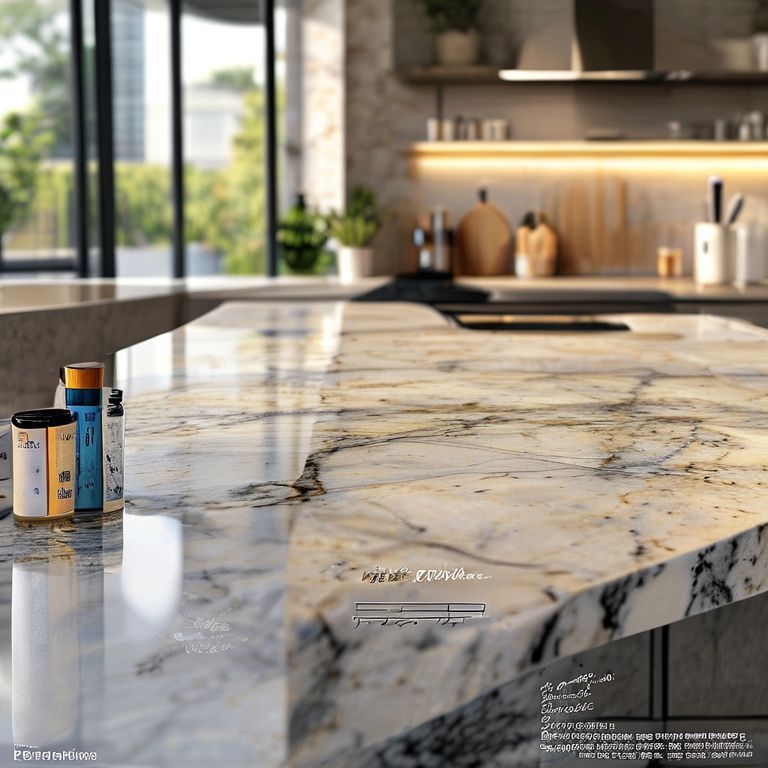
Understanding the composition and widespread usage of artificial marble is crucial to evaluate its potential impact on human health. Artificial marble, often referred to as cultured stone, is a synthetic composite material created from a mixture of resins, pigments, and minerals. This innovative material has gained popularity due to its durability, aesthetic appeal, and cost-effectiveness compared to natural marble.

1. Composition of Artificial Marble
Artificial marble is primarily composed of melamine resin, which acts as a binder, and a variety of mineral fillers that provide the stone’s natural look and feel. Pigments are meticulously added to replicate the visual characteristics of natural marble, including its color and veining. Other components may include calcium carbonate and various other additives to enhance the material’s properties.
2. Manufacturing Process
The manufacturing process of artificial marble involves several steps:
Mixing: The resin and mineral fillers are thoroughly blended together. Molding: The mixture is poured into molds and allowed to set, forming the desired shape. Curing: The material is then cured under heat and pressure, which bonds the components together and hardens the stone. Finishing: The final product is polished to achieve a smooth, high-gloss surface.
3. Usage in Various Applications
Artificial marble is used in numerous settings, from residential to commercial spaces, due to its versatile appearance and resistance to scratches and stains. It is commonly found in:
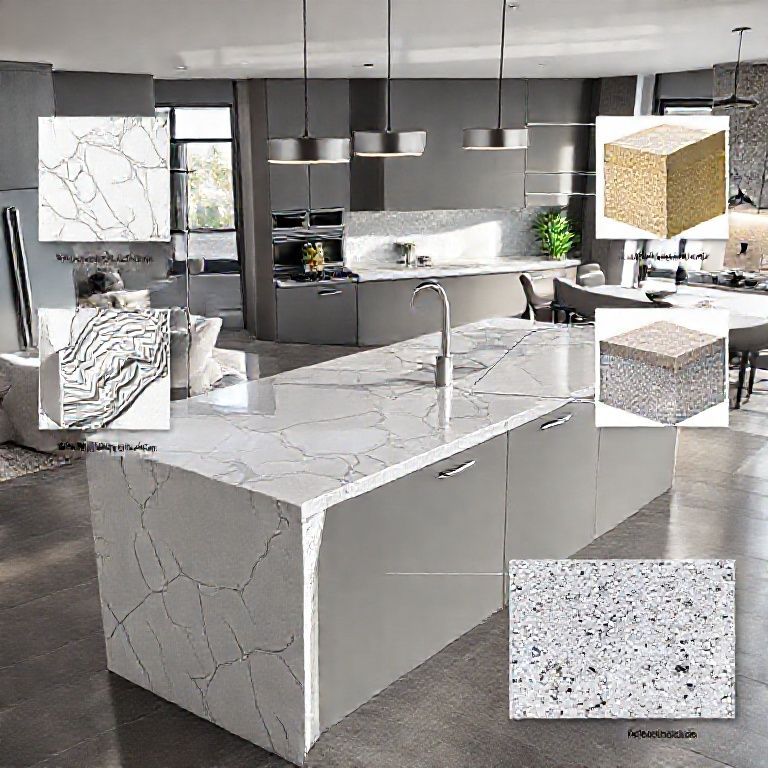
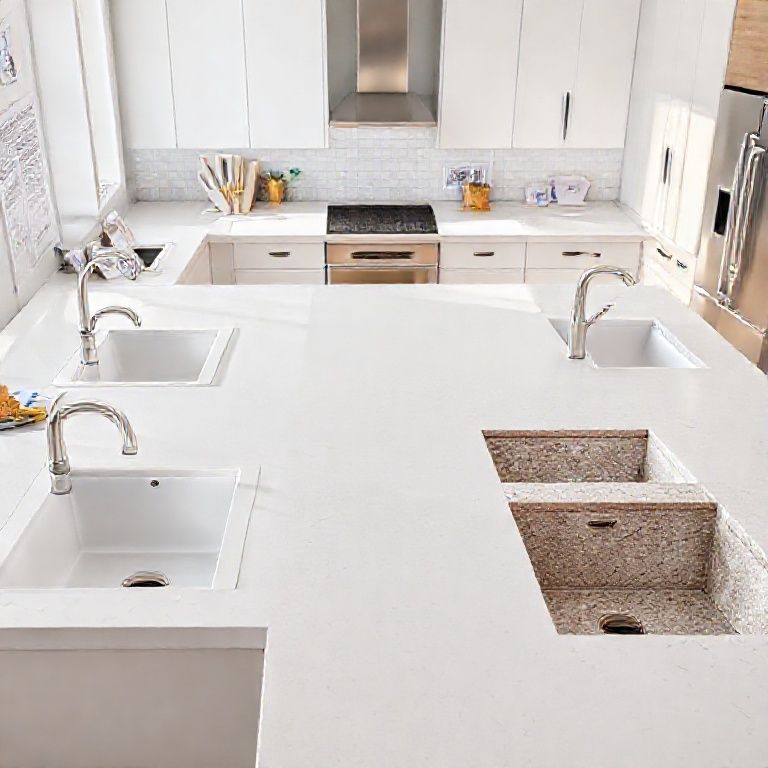
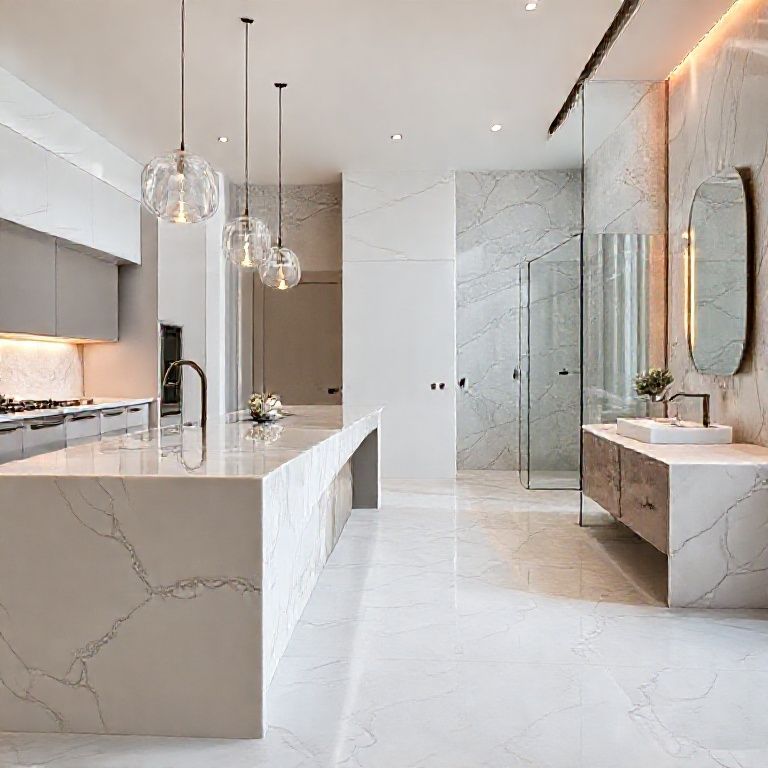
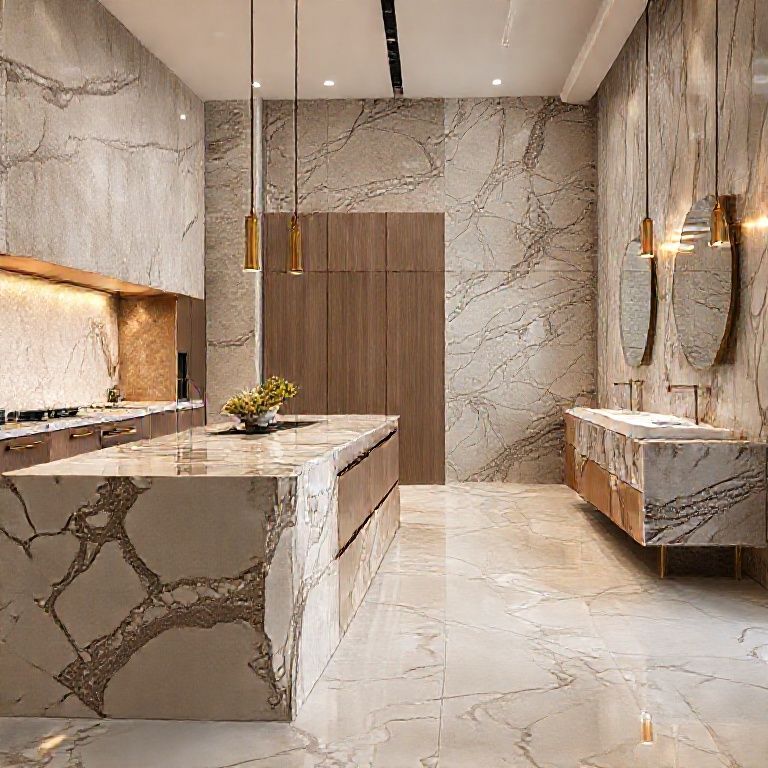
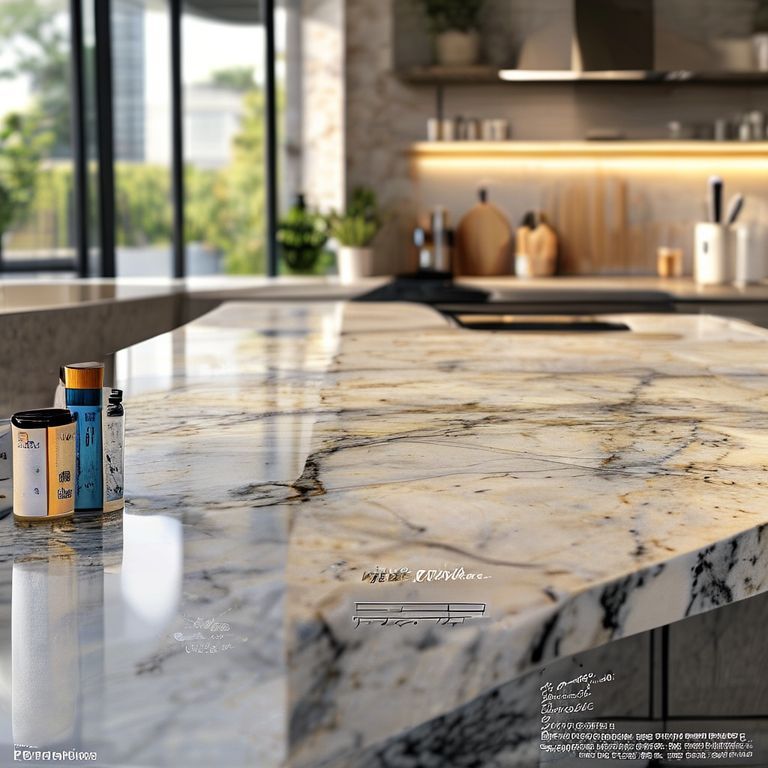
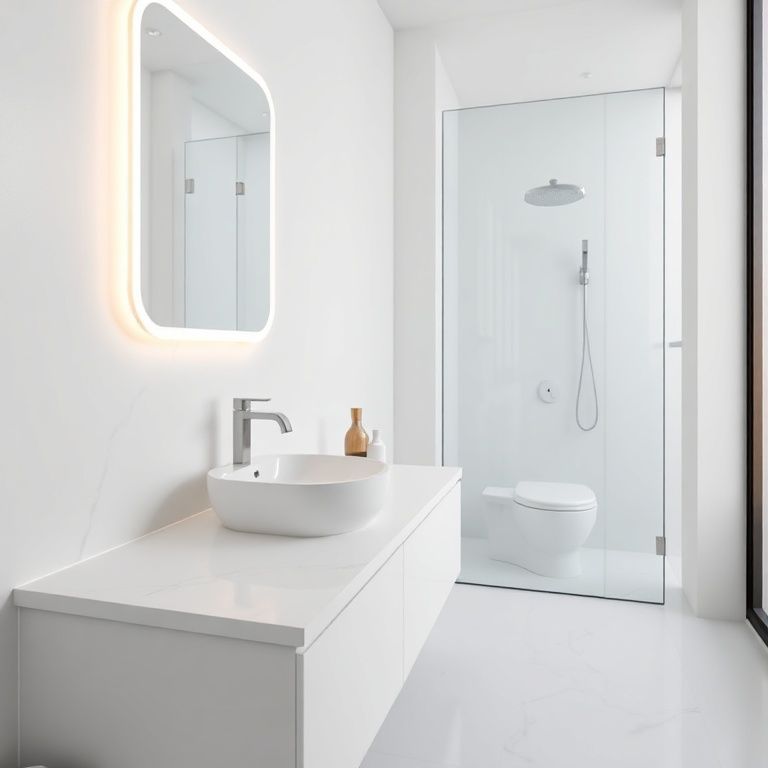
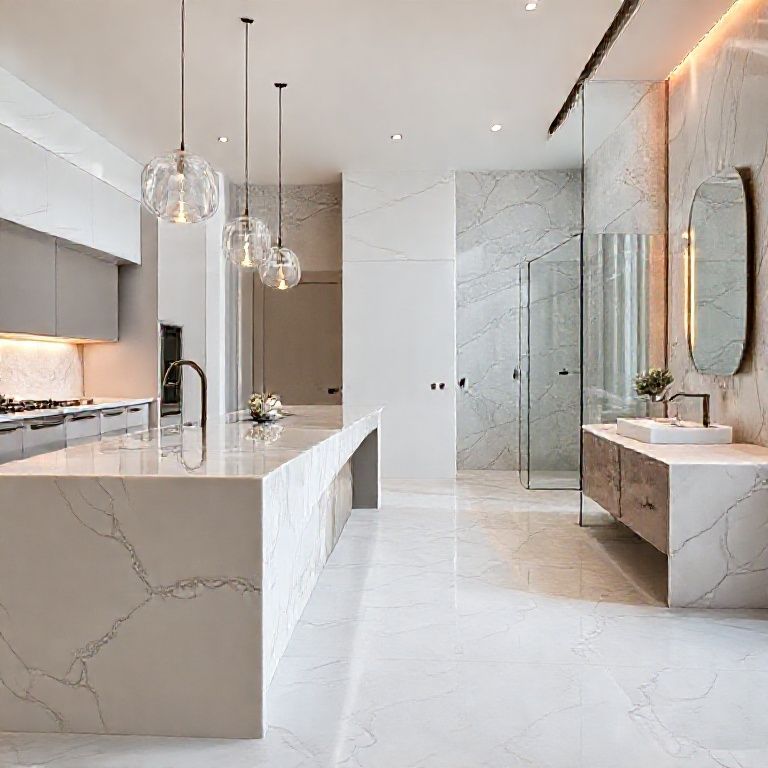
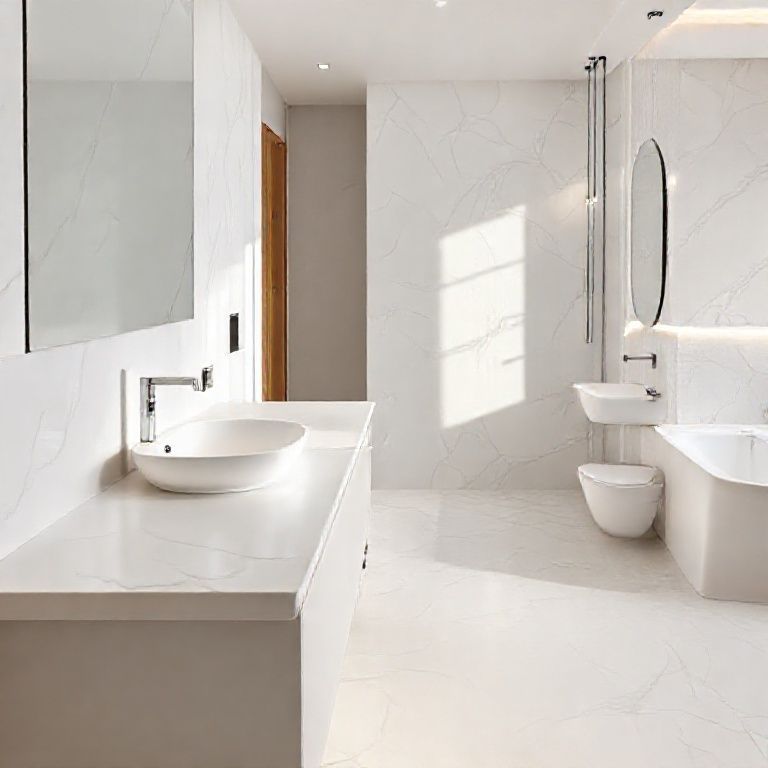
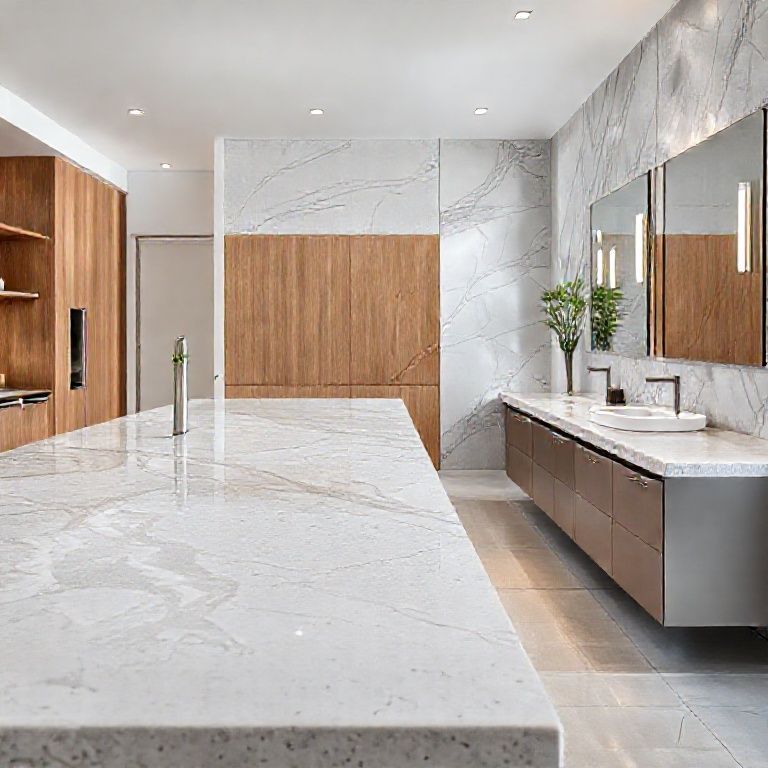
Kitchen Countertops: Its stain resistance makes it an ideal choice for kitchen surfaces. Bathrooms: The durability and aesthetic appeal of artificial marble make it a popular option for vanities, sinks, and backsplashes. Interior Design: It is used in wall claddings, tabletops, and decorative elements to add elegance and sophistication.
4. Safety and Non-Toxic Nature
One of the primary selling points of artificial marble is its non-toxic nature. Unlike natural marble, which can contain trace amounts of heavy metals, artificial marble is typically free from harmful substances. The materials used in its production are selected to ensure minimal environmental and health impact. Manufacturers often adhere to strict safety standards, ensuring that the final product is safe for everyday use.
Conclusion
While artificial marble is an innovative and practical material, understanding its composition and usage is essential for assessing any potential health risks. Given its non-toxic nature and the stringent safety measures in place, artificial marble is generally considered safe for use in various applications. However, as with any material, awareness and proper handling remain important.
Potential Health Risks and Safety Measures
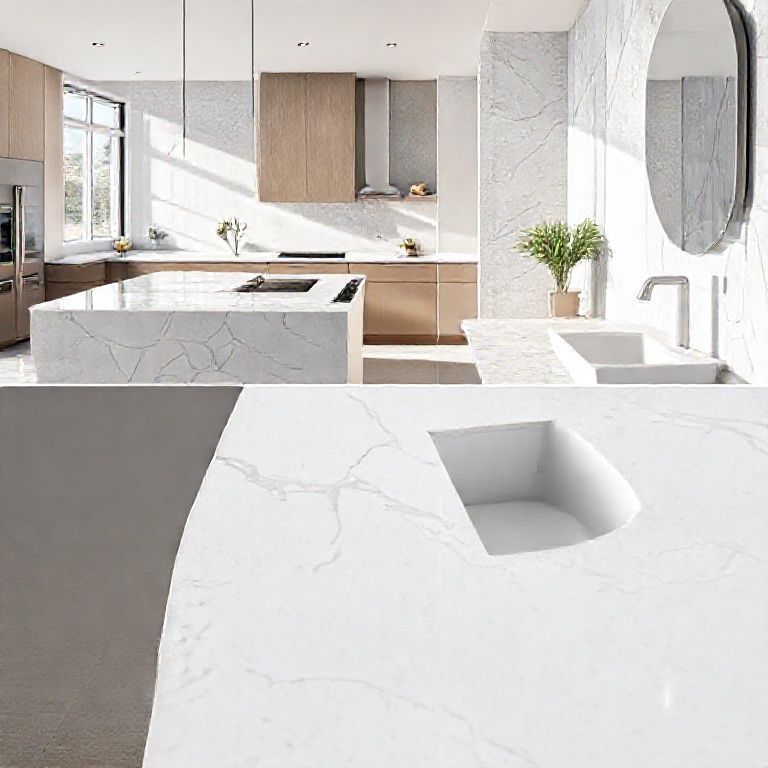
While artificial marble is widely regarded as a safe material, it is still crucial to understand any potential health risks and adopt appropriate safety measures. This comprehensive overview will cover the possible hazards, health concerns, and safety guidelines related to artificial marble.
1. Potential Health Risks
Although artificial marble is generally non-toxic, certain components used in its production could pose minor risks if not handled properly. Here are some considerations:
a. Respiratory Issues
Dust and fine particles generated during the cutting, polishing, or installation of artificial marble can potentially cause respiratory issues. Inhalation of these particles, particularly for individuals with pre-existing respiratory conditions, may lead to discomfort or exacerbation of symptoms.
b. Skin Irritation
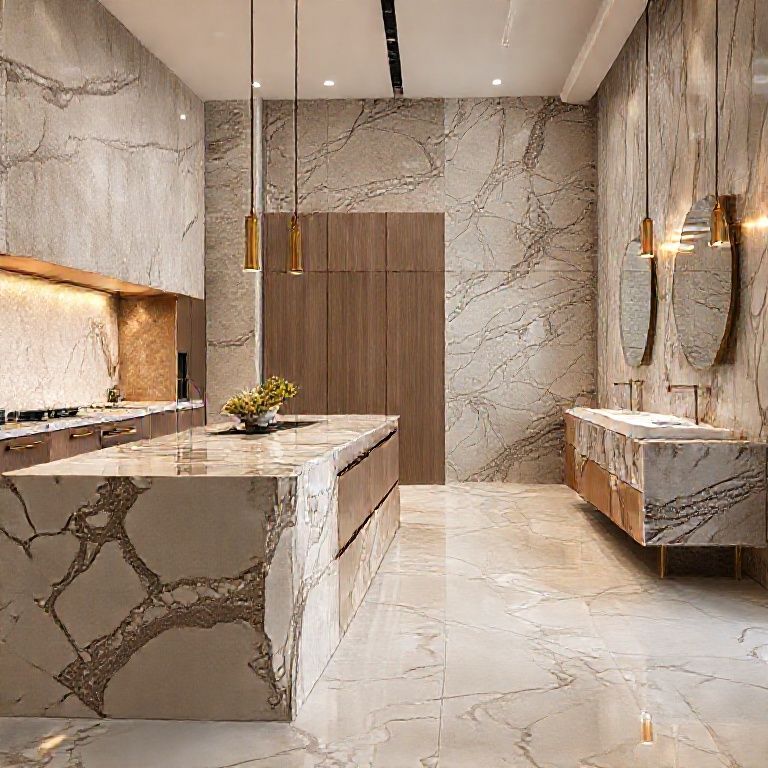
In rare cases, prolonged or direct contact with artificial marble surfaces may cause skin irritation, particularly in individuals with sensitive skin or allergies. The materials used in the resin and pigmentation processes can sometimes trigger mild allergic reactions.
2. Environmental Impact
While the primary concern is human health, it is also important to consider the environmental impact of producing and disposing of artificial marble. The manufacturing process, while controlled, does produce waste and emissions that could affect the environment if not managed properly.
3. Safety Measures
To mitigate potential health risks associated with artificial marble, several safety measures can be adopted:
a. Proper Ventilation
Ensure adequate ventilation during installation and cutting of artificial marble. Use of masks, respirators, or other protective gear can help minimize inhalation of dust and particles.
b. Protective Gloves
Wearing protective gloves can prevent skin irritation and direct contact with the material, reducing the risk of allergic reactions.
c. Regular Cleaning
Regular cleaning of surfaces made from artificial marble can help prevent the buildup of dust and grime, which can otherwise cause respiratory issues.
d. Disposal Considerations
When disposing of artificial marble, follow local guidelines for hazardous waste management to minimize environmental impact.
4. Alternatives and Considerations
For those who remain concerned about the potential health risks of artificial marble, there are alternative materials to consider:
a. Natural Stone
Natural stone, such as granite or real marble, offers a traditional and durable option. However, it can be more expensive and may contain trace amounts of heavy metals.
b. Bamboo and Wood Composites
Eco-friendly alternatives like bamboo or wood composites provide a sustainable and aesthetically pleasing option. These materials are naturally non-toxic and environmentally friendly.
c. Recycled Materials
Using recycled materials for countertops and other applications can offer a sustainable alternative with minimal health risks.
Conclusion
While artificial marble is generally safe and non-toxic, awareness of potential health risks and adherence to safety measures are crucial. By following proper handling guidelines and considering alternatives, individuals can make informed decisions about the use of artificial marble in their homes and workplaces. Ultimately, understanding the material’s composition and potential hazards allows for the responsible and safe use of artificial marble.
In conclusion, artificial marble is a versatile and durable material that offers numerous benefits. By understanding its composition, potential health risks, and safety measures, individuals can ensure its safe and effective use in various applications. Whether choosing artificial marble for countertops, bathroom vanities, or interior design elements, informed decision-making can lead to both aesthetic and health-conscious choices.