
Unveiling the Science of Artificial Marble and Its Radiation
In recent years, artificial marble has emerged as a popular choice for countertops, tabletops, and other interior decor elements due to its aesthetic appeal, durability, and affordability. However, as more people become aware of its use, questions about its potential radiation and its impact on health have surfaced. Let’s dive into the science behind artificial marble and understand the nature of its radiation.

What is Artificial Marble?
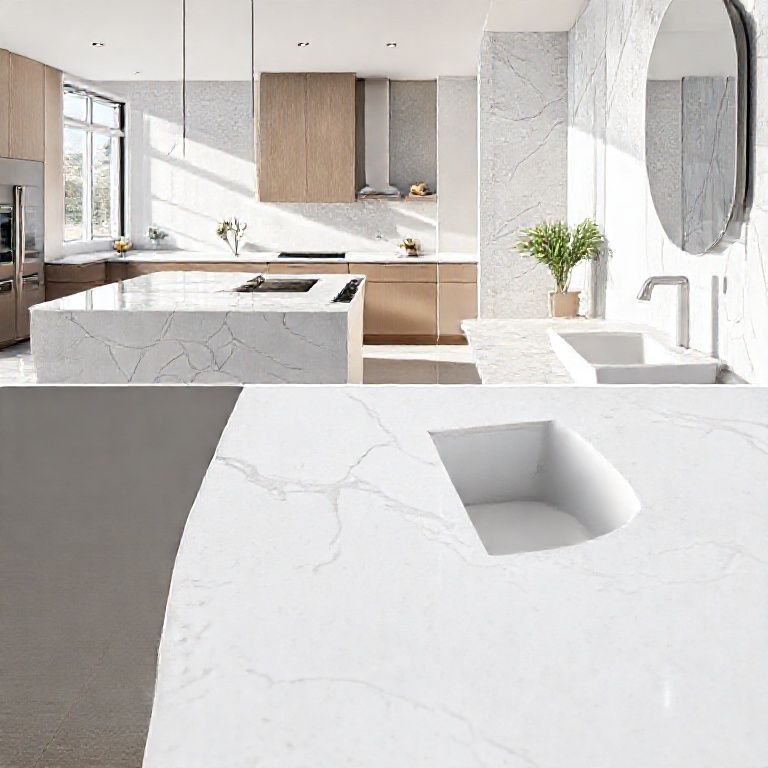
Artificial marble, often referred to as engineered stone, is a composite material made from natural stone powders such as quartz, calcite, and feldspar, combined with resin binders. This material is designed to mimic the appearance and qualities of traditional marble while offering enhanced durability and resistance to scratches and stains.
Radiation from Artificial Marble
Artificial marble is primarily composed of natural stone powders, which are known to contain small amounts of naturally occurring radioactive materials (NORM), such as radium, uranium, and thorium. When these materials are processed and compacted during the manufacturing of artificial marble, they can produce a low level of radiation. This radiation is typically in the form of alpha particles, which are relatively harmless when they remain within the material.
Health Risks
Despite the low levels of radiation emitted by artificial marble, concerns have been raised about potential health risks. Prolonged exposure to any form of radiation, even at low levels, can theoretically contribute to long-term health issues. Some studies suggest that long-term exposure to low-level radiation might be associated with an increased risk of cancer and other health problems. However, it is essential to understand that the radiation levels emitted by artificial marble are significantly lower than those found in other common household items, such as certain types of building materials, kitchen appliances, and even natural stone surfaces.

Regulatory Standards and Safety Measures
To ensure public safety, regulatory bodies worldwide have established guidelines and standards for radiation levels emitted by artificial marble products. These standards aim to limit the radiation exposure to safe levels, ensuring that the material poses minimal risk when used in typical household settings. It is crucial for manufacturers to adhere to these regulations to minimize any potential health risks associated with their products.
Preventive Measures
For those concerned about radiation exposure from artificial marble, several preventive measures can be taken. Here are some tips to reduce potential risks:
Surface Treatments: Coatings and sealants can be applied to artificial marble surfaces to reduce dust and potential radiation emissions. These treatments can help contain any radioactive particles that might otherwise become airborne.
Ventilation: Ensuring proper ventilation in areas where artificial marble is used can help disperse any particles that may become airborne.
Limiting Exposure: Like any material, limiting prolonged and direct contact with artificial marble can help reduce overall radiation exposure.
Natural Alternatives: For those deeply concerned about radiation exposure, exploring natural stone alternatives that emit negligible radiation might be a viable option.
Conclusion
Understanding the radiation properties of artificial marble is crucial for making informed decisions about its use in home and office settings. While the radiation emitted by artificial marble is generally considered safe due to regulatory standards, being aware of potential health risks and taking preventive measures can further mitigate any concerns. In the next part, we will explore the extent of any possible health damage from radiation exposure and the prospects of treatment and recovery.
Addressing Health Damage from Artificial Marble Radiation and Potential Treatments
In the previous part, we explored the science behind artificial marble and its radiation properties, along with preventive measures to reduce potential health risks. Now, let’s delve deeper into the possible health impacts of radiation exposure from artificial marble and discuss whether any resulting damage can be treated and healed.
Health Damage from Radiation Exposure
While the radiation emitted by artificial marble is typically low, it’s essential to understand the potential health impacts that could arise from prolonged exposure. Here’s a closer look at the possible health effects:
Cancer Risk: Prolonged exposure to any form of radiation, including low-level radiation from artificial marble, can theoretically increase the risk of cancer. However, it’s important to note that the risk is minimal due to the very low levels of radiation emitted by the material.
Radiation Sickness: Acute radiation sickness is highly unlikely with the low-level radiation from artificial marble. This condition typically occurs from high doses of radiation over a short period, which is not the case with typical exposure to artificial marble.
Long-term Health Issues: Long-term exposure to any form of radiation can potentially lead to various health issues, including damage to internal organs and tissues. However, the risk with artificial marble is exceedingly low due to regulatory controls and safety standards.
Treatment and Recovery
When it comes to treating and recovering from any potential radiation damage, the medical community often focuses on several key principles:
Early Detection and Diagnosis: The first step in treating any potential radiation damage is early detection. Regular health check-ups and screenings can help identify any early signs of radiation-related health issues.
Medical Interventions: Depending on the nature and extent of the radiation damage, various medical interventions may be employed. These can include:
Symptomatic Treatment: Addressing specific symptoms that may arise from radiation exposure, such as pain, inflammation, or other discomforts. Radiation Therapy: In cases where radiation has caused tissue damage, specialized treatments like radiation therapy may be used to repair or regenerate damaged tissues. Supportive Care: Providing supportive care, including nutritional support and physical therapy, can help in the recovery process and improve overall health outcomes. Preventive Care: Long-term preventive care is crucial in mitigating the impact of any radiation exposure. This includes maintaining a healthy lifestyle, regular medical check-ups, and following any specific recommendations from healthcare professionals.
Natural and Holistic Approaches
In addition to conventional medical treatments, many people explore natural and holistic approaches to support their health and recovery. These can include:
Nutritional Support: A balanced diet rich in antioxidants, vitamins, and minerals can help support the body’s natural healing processes and reduce the impact of any radiation exposure.
Herbal Remedies: Certain herbs and supplements are believed to have protective properties against radiation damage. However, it’s important to consult with a healthcare professional before starting any new supplement regimen.
Mind-Body Practices: Practices like yoga, meditation, and mindfulness can help reduce stress and support overall well-being, which is essential for recovery and health maintenance.
Innovations in Radiation Safety
Advancements in material science and technology continue to improve the safety of artificial marble and other composite materials. Researchers are continually developing new methods to reduce radiation emissions and enhance the safety of these materials. Innovations in manufacturing processes and the use of alternative, lower-radiation materials are part of this ongoing effort.
Conclusion
While the potential health impacts of radiation exposure from artificial marble are minimal due to strict regulatory standards and safety measures, understanding the risks and knowing how to address any potential damage is crucial. Early detection, appropriate medical interventions, and preventive care are key components in mitigating the impact of radiation exposure. Additionally, natural and holistic approaches can play a supportive role in promoting health and well-being. As research and technology continue to advance, the safety of artificial marble and other materials will likely improve, offering peace of mind to users and consumers.
In summary, while artificial marble poses minimal radiation risk, being informed and taking preventive measures can help ensure that any potential exposure remains within safe limits. If you have any specific concerns or symptoms related to radiation exposure, consulting with a healthcare professional is always the best course of action.