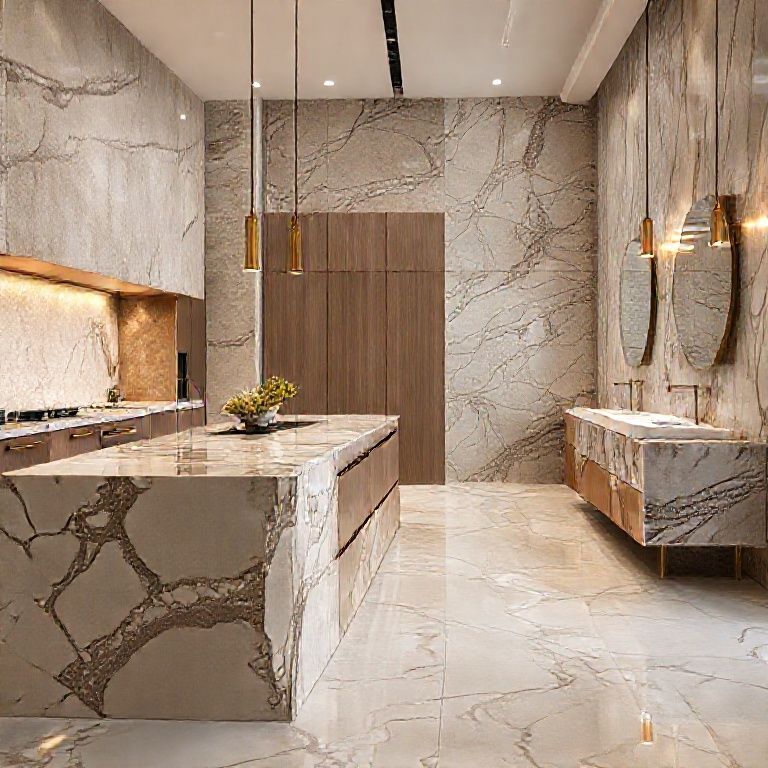
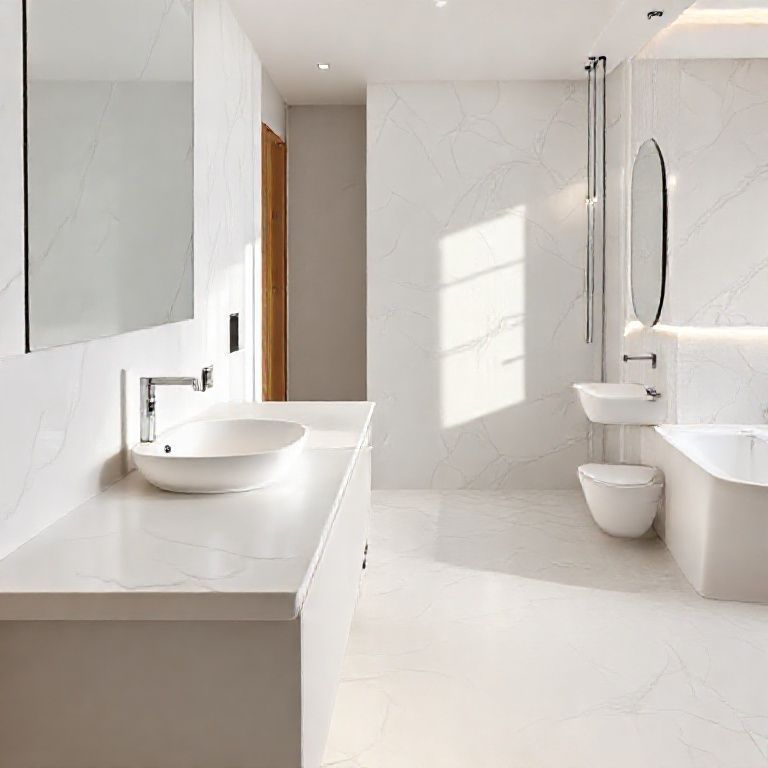
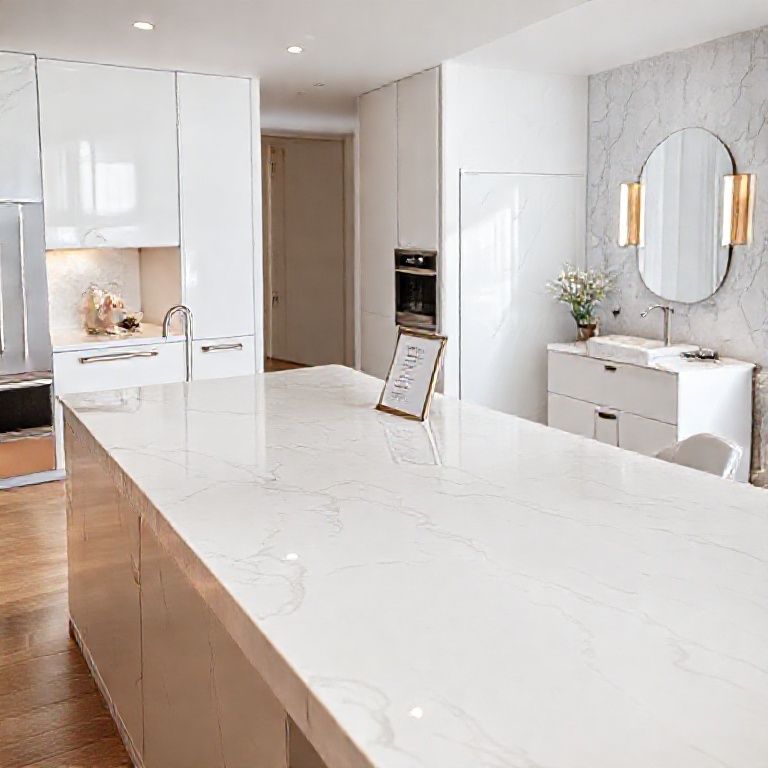
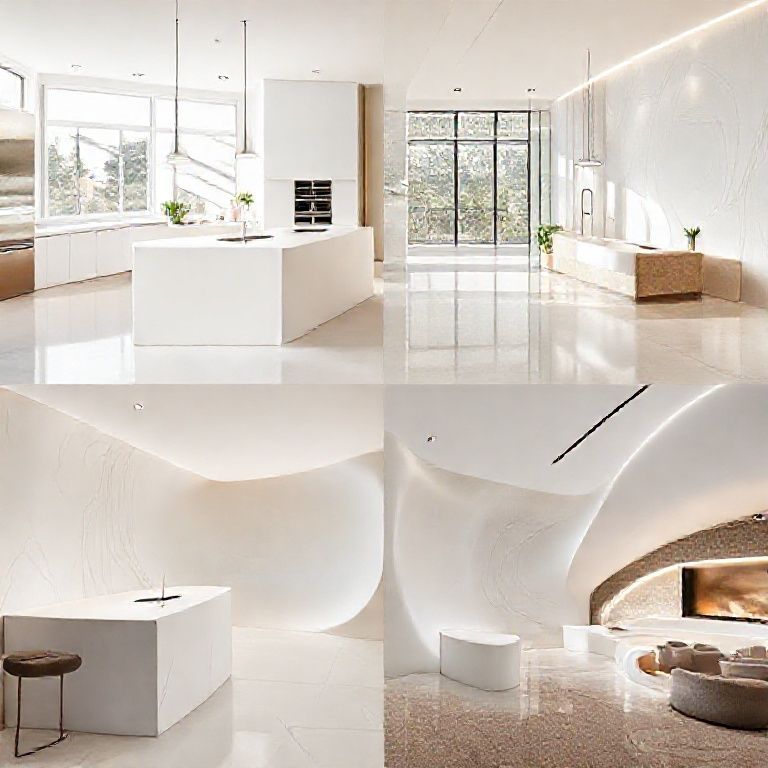
Cracks in artificial marble countertops are a common yet vexing issue that many homeowners and businesses face. In this two-part article, we delve into the myriad reasons behind these unsightly cracks, providing a comprehensive understanding of their causes and preventive measures. Whether you’re a homeowner or a business owner, this guide will help you maintain the pristine look of your artificial marble surfaces.

artificial marble, countertop cracks, marble countertop repair, countertop maintenance, marble surface damage, countertop durability, artificial stone cracks, countertop issues, granite alternative
Unveiling the Hidden Culprits Behind Artificial Marble Cracks
Understanding Artificial Marble Countertops
Artificial marble, also known as engineered stone, is a popular alternative to natural marble and granite. It combines the aesthetic appeal of natural stone with the durability and versatility of synthetic materials. Despite its many advantages, artificial marble is not impervious to damage. Understanding the causes behind its cracks is essential for proper maintenance and longevity.
The Role of Manufacturing Defects
One of the primary reasons for cracks in artificial marble countertops is manufacturing defects. During the production process, inconsistencies in material composition, pressure, or temperature can lead to inherent weaknesses. These defects might not be visible initially but can manifest as cracks over time, especially under stress.

Preventive Measures:
Quality Selection: Always choose high-quality artificial marble from reputable manufacturers. Check for certifications and reviews. Thorough Inspection: Before installation, conduct a meticulous inspection of the countertop for any visible cracks or imperfections.
Impact of External Forces
External forces such as drops, impacts, or even heavy objects can induce cracks in artificial marble countertops. Unlike natural stone, artificial marble lacks the flexibility to absorb and distribute impact energy, making it more susceptible to visible fractures.
Preventive Measures:
Protective Pads: Use protective pads under heavy objects to prevent direct impact. Safe Handling: Handle the countertop with care during installation and throughout its lifespan.
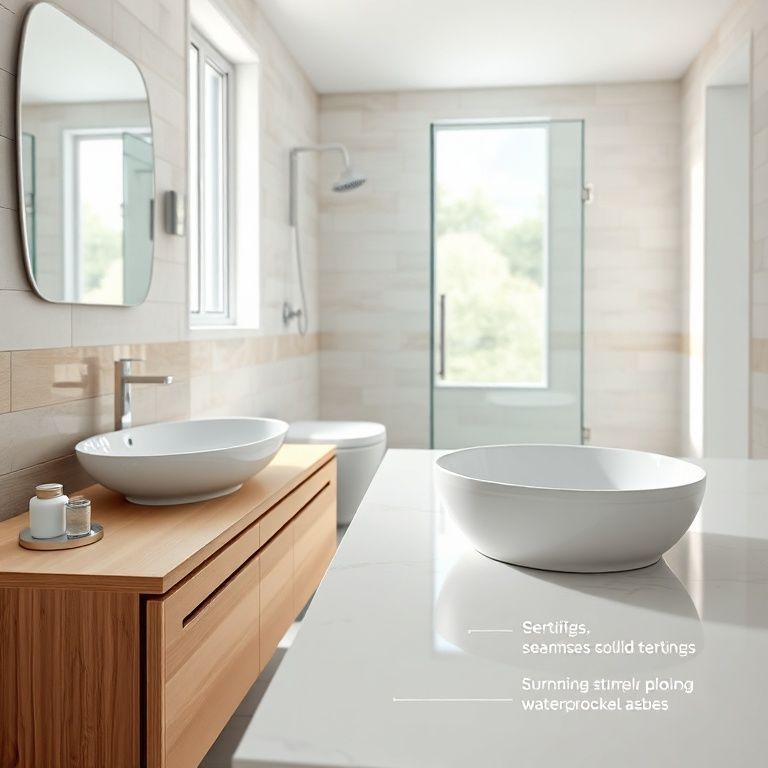
Thermal Stress
Artificial marble can be prone to thermal stress, especially when exposed to extreme temperature changes. Sudden temperature fluctuations can cause expansion and contraction, leading to internal stresses that result in cracks.
Preventive Measures:
Temperature Control: Avoid placing hot pots or pans directly on the surface. Use trivets or heat-resistant pads. Gradual Heating/Cooling: Allow gradual temperature changes to minimize thermal shock.
Chemical Reactions
Exposure to harsh chemicals can weaken the structure of artificial marble, leading to cracks. Acidic or alkaline substances, such as cleaning agents, can degrade the surface over time.

Preventive Measures:
Gentle Cleaning: Use mild, non-abrasive cleaners specifically designed for artificial stone surfaces. Protective Coatings: Apply a protective sealant to shield the surface from chemical damage.
Improper Installation
Improper installation techniques can significantly contribute to the cracking of artificial marble countertops. Incorrect alignment, uneven support, or inadequate sealing can lead to structural weaknesses.
Preventive Measures:
Professional Installation: Always hire a professional for installation to ensure proper alignment and support. Follow Guidelines: Adhere to the manufacturer’s installation guidelines to avoid common pitfalls.
Inadequate Maintenance
Neglecting regular maintenance can exacerbate the natural wear and tear on artificial marble countertops, making them more prone to cracks. Dust, grime, and mineral deposits can accumulate, leading to surface degradation.
Preventive Measures:
Regular Cleaning: Clean the surface regularly using appropriate cleaning solutions. Sealing: Reapply sealant periodically to maintain the protective layer.
Conclusion
Cracks in artificial marble countertops can stem from a variety of factors, ranging from manufacturing defects to improper installation and maintenance. By understanding these causes and implementing preventive measures, you can significantly extend the lifespan and appearance of your artificial marble surfaces. In the next part, we will explore additional causes and more detailed preventive strategies to ensure your artificial marble remains in pristine condition.
Advanced Insights into Artificial Marble Countertop Cracks and Their Solutions
The Nature of Artificial Marble Composition
Artificial marble is composed of various materials, including quartz, resin, pigments, and other synthetic elements. The interaction between these components can sometimes lead to structural weaknesses if not properly balanced during the manufacturing process.
Preventive Measures:
Material Selection: Choose countertops made from high-quality, well-balanced materials. Expert Consultation: Consult with experts to understand the composition and properties of the specific artificial marble you have.
Mechanical Stress Over Time
Over time, mechanical stress from everyday use can cause cracks in artificial marble. The repetitive action of placing and removing objects can create minute stresses that accumulate and eventually lead to larger cracks.
Preventive Measures:
Surface Protection: Use cutting boards, coasters, and other protective items to prevent direct stress on the surface. Weight Distribution: Distribute weight evenly across the countertop to avoid concentrated stress points.
Humidity and Moisture
Excessive humidity and moisture can cause the resin components of artificial marble to swell or deteriorate, leading to cracks. This is especially relevant in kitchens and bathrooms where moisture levels are typically higher.
Preventive Measures:
Ventilation: Ensure proper ventilation in areas where the countertop is installed. Humidity Control: Use dehumidifiers or moisture absorbers to maintain a stable environment.
Ageing and Wear
Like all materials, artificial marble ages over time. The continuous exposure to various elements can lead to gradual wear and tear, which may manifest as surface cracks.
Preventive Measures:
Regular Inspections: Conduct regular inspections to identify early signs of wear and address them promptly. Professional Maintenance: Hire professionals for regular maintenance and surface rejuvenation.
Edge and Corner Damage
Edges and corners of artificial marble countertops are particularly vulnerable to damage due to their structural design. These areas are more prone to impact and stress, leading to cracks.
Preventive Measures:
Edge Protection: Use edge protectors or bumpers to shield the edges from impact. Design Considerations: Consider rounded or beveled edges to reduce stress points.
Thermal Expansion and Contraction
Artificial marble expands and contracts with temperature changes, similar to natural stone. However, if the expansion and contraction are uneven, it can lead to internal stresses and cracks.
Preventive Measures:
Thermal Breaks: Install thermal breaks or spacers to create a gap between the countertop and adjacent surfaces, allowing for expansion and contraction. Temperature Regulation: Maintain a consistent temperature in the room to minimize rapid thermal changes.
Chemical Exposure
Chemical exposure, particularly from acidic or alkaline substances, can cause long-term damage to the artificial marble surface, leading to cracks. Common culprits include certain cleaning agents, bleach, and other harsh chemicals.
Preventive Measures:
Chemical Selection: Use mild, pH-neutral cleaning agents specifically formulated for artificial stone. Immediate Neutralization: Neutralize spills immediately with water or a suitable neutralizer to prevent chemical penetration.
Conclusion
Understanding the myriad causes behind cracks in artificial marble countertops is crucial for maintaining their beauty and longevity. From manufacturing defects to chemical exposure and mechanical stress, each factor plays a role in the structural integrity of artificial marble. By implementing the preventive measures discussed, you can ensure that your artificial marble countertops remain a stunning focal point in your home or business for years to come.
Artificial marble is a versatile and durable material, but like any other material, it requires proper care and maintenance to prevent cracks and other forms of damage. Regular inspections, professional installation, and mindful usage are key to preserving the elegance of your artificial marble surfaces. Whether you’re a homeowner or a business owner, investing in the right practices and products will pay off in the long run, keeping your artificial marble countertops looking flawless and functional.