Understanding the Concerns: Is There Formaldehyde in Quartz Countertops?
When it comes to home renovation and kitchen design, one of the most popular choices today is quartz countertops. Known for their durability, beauty, and low maintenance, these surfaces have become a favorite among homeowners. However, as with any material, concerns about potential health hazards sometimes arise. One such concern is the presence of formaldehyde in quartz countertops. In this first part of our exploration, we’ll delve into the material composition, production processes, and safety standards to clarify whether quartz countertops contain formaldehyde.

Material Composition of Quartz Countertops
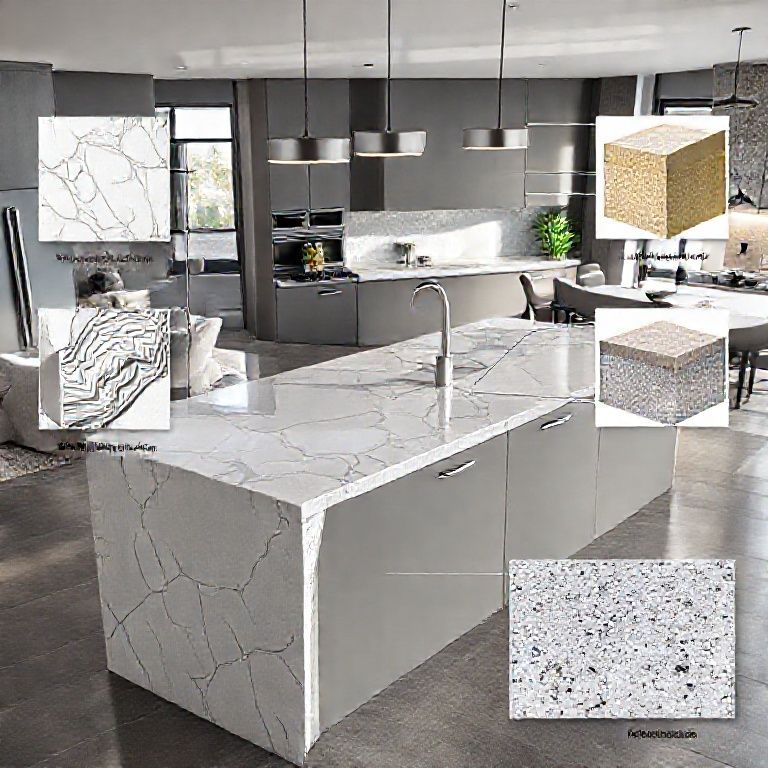
Quartz countertops are primarily composed of 93% pure quartz, which is a naturally occurring mineral. The remaining 7% comprises various pigments, binders, and other additives that give quartz its vibrant colors and unique textures. It is important to note that quartz itself is a stable, crystalline form of silica that does not emit harmful substances under normal conditions.
The Production Process
The manufacturing of quartz countertops involves a meticulous process that starts with blending quartz powder with other components to form a slurry. This mixture is then poured into molds and subjected to high pressure and temperature during a curing process. This high-pressure, high-temperature environment transforms the quartz powder into a monolithic, solid stone surface.
During this process, any potential volatile organic compounds (VOCs) are driven off, ensuring that the final product is free from harmful emissions. Unlike composite materials such as engineered stone or other composite surfaces, quartz does not include resins, adhesives, or binders that could release formaldehyde.
Safety Standards and Testing
The safety of quartz countertops is rigorously monitored by various standards and regulatory bodies. For instance, the Natural Stone Institute (NSI) sets guidelines for the production and labeling of natural stone products, including quartz. Additionally, the Environmental Protection Agency (EPA) and other health and safety organizations have conducted numerous tests on quartz countertops to verify their safety.
Many manufacturers also conduct independent testing to ensure that their products meet or exceed safety standards. These tests often include measuring VOC levels and assessing potential emissions of harmful substances like formaldehyde. The results consistently show that quartz countertops have negligible VOC levels and do not contain formaldehyde.
Addressing Health Concerns
It’s crucial to address the health concerns surrounding formaldehyde, as it is a known carcinogen and can cause various health issues when inhaled or absorbed through the skin. Formaldehyde is often associated with synthetic materials, such as particleboard, plywood, and certain types of adhesives. However, the production process for quartz countertops does not involve any of these materials.
Furthermore, the high-temperature curing process used in manufacturing quartz effectively eliminates any potential formaldehyde or other VOCs. This process ensures that the final product is safe for use in kitchens, bathrooms, and any other areas of the home.
Conclusion of Part 1
In summary, the material composition and production processes of quartz countertops make it highly unlikely that they contain formaldehyde. Extensive testing and adherence to safety standards further reinforce the safety of these surfaces. As we move into the second part of this exploration, we will continue to provide insights into why quartz countertops are not only a practical choice but also a safe one for your home improvement projects.
The Comprehensive Safety and Environmental Benefits of Quartz Countertops
In the previous part, we covered the material composition and production processes of quartz countertops, as well as the rigorous safety standards they adhere to. In this final part, we will further explore the environmental benefits, maintenance, and long-term value of quartz countertops, all while addressing any lingering concerns about formaldehyde. By the end of this section, you will have a comprehensive understanding of why quartz countertops are a superior choice for your home renovation needs.
Environmental Benefits
One of the most compelling reasons to choose quartz countertops is their environmental benefits. Unlike composite materials that rely on synthetic resins and adhesives, quartz is a natural product with a minimal environmental footprint. Here are some key points:
Sustainable Source
Quartz is a naturally occurring mineral that is abundant and widely available. This means that it does not require extensive mining or processing, reducing the environmental impact compared to other materials that may require more intensive extraction methods.
Low VOC Emissions
As previously discussed, quartz countertops undergo a high-pressure, high-temperature curing process that drives off any volatile organic compounds. This results in extremely low VOC emissions, making them a much safer option compared to other composite materials that can release harmful chemicals over time.
Longevity and Durability
The durability of quartz countertops means that they require less frequent replacement compared to other materials. This longevity reduces waste and the need for continuous production, thereby contributing to environmental sustainability.
Maintenance and Care
One of the significant advantages of quartz countertops is their ease of maintenance. Unlike granite or marble, which require sealing and regular maintenance, quartz does not need any special care to retain its beauty and functionality.
Easy to Clean
Quartz countertops are incredibly easy to clean. They are non-porous, which means that spills and stains do not penetrate the surface. A simple wipe with a damp cloth and mild soap is usually sufficient to keep them looking pristine.
Resistance to Heat and Scratches
Quartz is known for its remarkable resistance to heat, making it perfect for kitchen use where hot pans and appliances are common. It is also highly scratch-resistant, meaning that everyday use will not mar its surface. This resistance makes it an ideal choice for families with children and pets.
Long-Term Value
Investing in quartz countertops is not just about aesthetics; it’s also about long-term value. Here are some reasons why:
Cost-Effectiveness
While the initial cost of quartz countertops may be higher than some other materials, their durability and low maintenance requirements make them cost-effective in the long run. You won’t need to spend money on frequent replacements or costly maintenance.
Resale Value
Homes with quartz countertops often see a higher resale value. The combination of durability, low maintenance, and aesthetic appeal makes quartz a highly desirable feature for potential buyers.
Addressing Final Concerns
At this point, it’s clear that the concerns about formaldehyde in quartz countertops are unfounded. The natural composition of quartz, combined with the rigorous production processes and safety standards, ensure that these countertops are not only safe but also highly beneficial in various aspects.
Independent Studies and Certifications
Independent studies have consistently shown that quartz countertops do not emit formaldehyde or other harmful VOCs. Certifications from various safety and environmental organizations further validate these findings. For instance, the American Chemical Society (ACS) has reviewed the safety of quartz countertops, confirming their non-toxic nature.
Real-Life Applications
Many high-profile buildings and homes have incorporated quartz countertops, further demonstrating their safety and suitability for use in high-traffic areas such as kitchens. These installations serve as a testament to the material’s reliability and safety.
Conclusion
To conclude, quartz countertops are a superior choice for home improvement projects due to their natural composition, rigorous production processes, and adherence to safety standards. The concerns about formaldehyde are entirely unfounded, given the material’s non-toxic nature and the extensive testing that confirms their safety.
Choosing quartz not only ensures a beautiful and durable surface for your kitchen or bathroom but also provides peace of mind knowing that you are making a safe and environmentally friendly choice. As you consider your next renovation project, rest assured that quartz countertops are a top-tier option that delivers both aesthetic appeal and long-term value.
With this comprehensive exploration, it is evident that quartz countertops are a safe and beneficial choice, free from the concerns of formaldehyde and other harmful emissions. Whether you are a homeowner, designer, or simply curious about the materials you use in your living space, the information provided here will empower you to make informed decisions.