Synthetic Quartz Countertops vs. Resin Countertops: An In-Depth Comparison
When it comes to choosing the perfect countertop for your kitchen or bathroom, the options seem endless. Among the most popular choices are synthetic quartz and resin countertops. Both of these materials offer a range of benefits and cater to different tastes and needs. Let’s dive into what makes synthetic quartz and resin countertops unique and how they compare to each other.

What Are Synthetic Quartz Countertops?
Synthetic quartz countertops are a blend of 93% quartz, a natural mineral, and 7% resin binder. This combination creates a solid surface that is incredibly durable, lightweight, and resistant to scratches, stains, and heat. The production process involves pouring the mixture into molds and heating it under high pressure and temperature, which fuses the quartz particles together into a single, monolithic piece.
Key Benefits of Synthetic Quartz Countertops
Durability: The high-pressure, high-temperature process makes quartz incredibly hard and resistant to scratches, stains, and heat. This means it can withstand daily use without showing signs of wear and tear. Low Maintenance: Quartz countertops are easy to clean and maintain. A simple wipe with a damp cloth and mild soap is usually sufficient to keep them looking pristine. Affordability: While quartz may come with a higher upfront cost than some other materials, it is often more affordable than granite or marble in the long run due to its low maintenance and durability. Design Versatility: Quartz comes in a wide array of colors and patterns, allowing for a custom look that can complement any style of home decor.
What Are Resin Countertops?
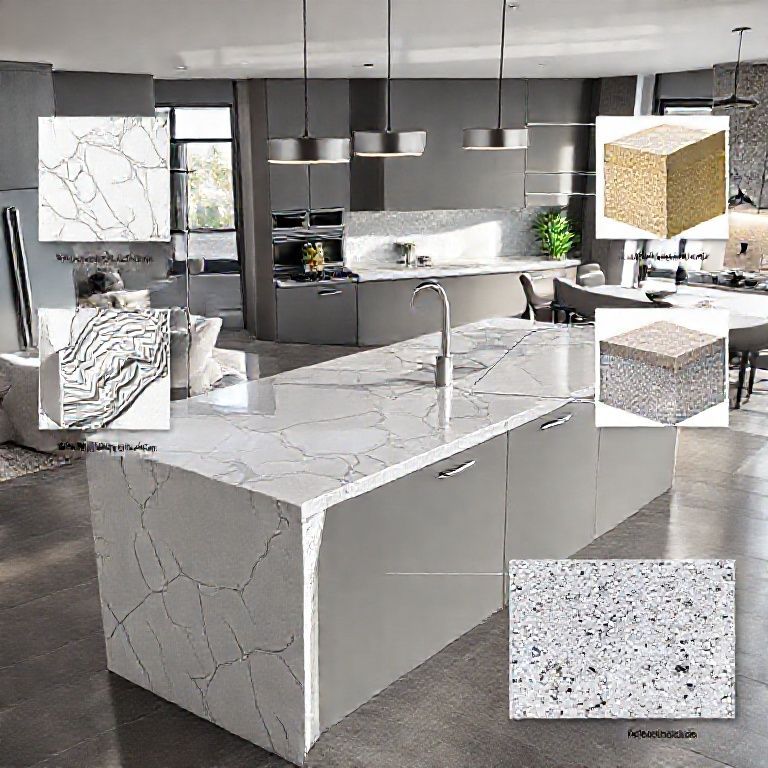
Resin countertops, also known as composite or engineered stone countertops, are made by mixing natural stone aggregates with a resin binder. This mixture is poured into molds, where it is allowed to cure, forming a solid surface. The resulting product can mimic the appearance of natural stone, but it is significantly different in terms of composition and properties.
Key Benefits of Resin Countertops
Aesthetic Variety: Resin countertops can closely mimic the look of natural stone, including marble, granite, and quartz. This allows homeowners to choose a specific aesthetic while still enjoying the benefits of a composite material. Cost-Effectiveness: Generally, resin countertops are more affordable than natural stone options, making them a popular choice for those looking to achieve a luxurious look without a high price tag. Lightweight: Because resin is a lighter material than natural stone, it is easier to install and less labor-intensive. Water Resistance: While resin is more water-resistant than some other composite materials, it is not entirely impervious to water. Proper maintenance is still necessary to prevent potential damage.
The Material Differences
One of the most fundamental differences between synthetic quartz and resin countertops lies in their composition.
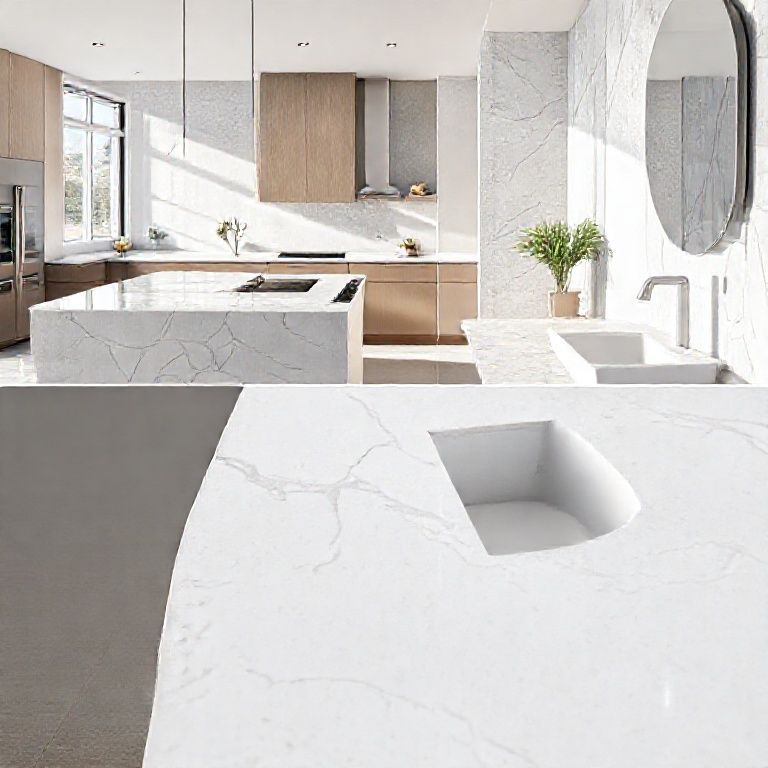
Synthetic Quartz: Made from a mixture of 93% quartz and 7% resin, synthetic quartz is a monolithic material. This means it is a single piece of material without any seams or joints, which enhances its durability and reduces the risk of cracking. Resin: Resin countertops are composed of natural stone aggregates mixed with a resin binder. This composite material can replicate the appearance of various natural stones but is not as durable as synthetic quartz.
Durability and Maintenance
Durability and maintenance are crucial factors to consider when choosing a countertop material.
Scratch and Stain Resistance: Synthetic quartz is renowned for its scratch and stain resistance. The high-pressure process that fuses quartz particles together makes it incredibly tough, which translates to superior resistance to everyday wear and tear. Maintenance: Cleaning a synthetic quartz countertop is straightforward. A simple wipe with a mild detergent and water is usually sufficient. For tougher stains, a specialized quartz cleaner can be used.
On the other hand, resin countertops are less scratch and stain resistant than synthetic quartz. While they can mimic the appearance of natural stone, the resin binder makes them more susceptible to minor scratches and stains. Regular maintenance, including the use of a stone-specific cleaner, is recommended to keep resin countertops looking their best.
Installation and Versatility
When it comes to installation, both synthetic quartz and resin countertops are relatively easy to install. However, synthetic quartz’s monolithic nature means it is slightly more challenging to cut and shape than resin.
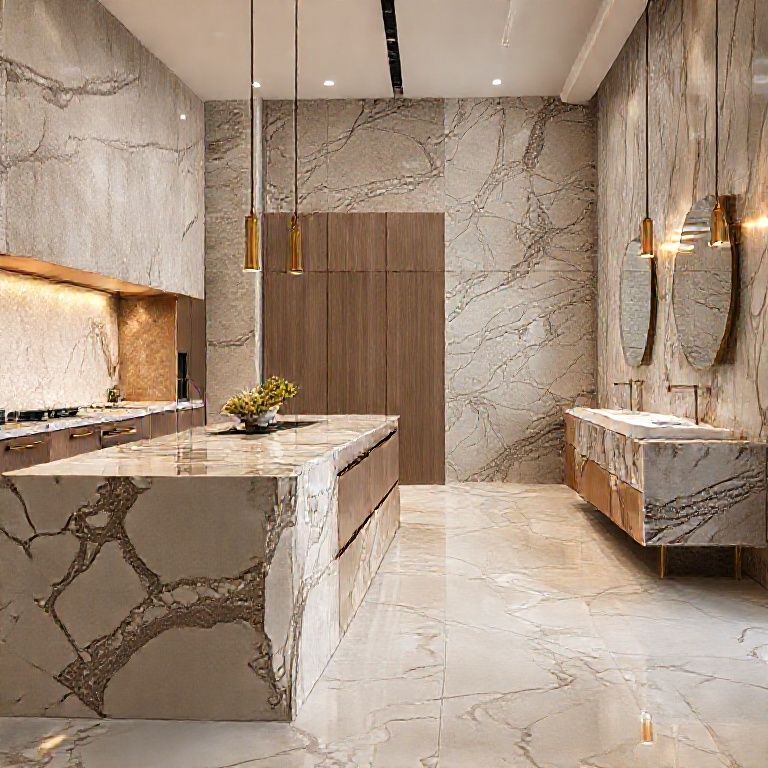
Installation: Resin countertops are generally easier to cut and shape, making them a popular choice for custom designs. Synthetic quartz, however, offers superior strength and durability, which can be advantageous in high-traffic areas. Design Versatility: Both materials offer a wide range of design options. However, synthetic quartz’s ability to be cut into various shapes and sizes can provide greater flexibility for custom designs.
Environmental and Health Considerations
When choosing a countertop, it’s also important to consider environmental and health impacts.
Synthetic Quartz: The manufacturing process for synthetic quartz is designed to minimize environmental impact. Additionally, it does not contain any harmful chemicals, making it a healthier choice for your home. Resin: While resin countertops are also designed with environmental considerations in mind, they often contain resin binders and other chemicals that can off-gas over time. This may be a concern for those sensitive to chemical fumes.
Conclusion
Choosing between synthetic quartz and resin countertops depends on your specific needs and preferences. Synthetic quartz offers unmatched durability, low maintenance, and design versatility, making it an excellent choice for those looking for a long-lasting and easy-to-care-for countertop. Resin countertops provide a more affordable alternative that can mimic the appearance of natural stone, though they require more maintenance and are less durable.
By understanding the differences in material composition, durability, and maintenance requirements, you can make an informed decision that best suits your home’s design and functionality needs.
Synthetic Quartz Countertops vs. Resin Countertops: A Comprehensive Guide
As we continue our exploration of synthetic quartz and resin countertops, let’s delve deeper into their specific characteristics, advantages, and considerations to help you make an informed decision about which material is best for your kitchen or bathroom.
The Aesthetic Appeal
Both synthetic quartz and resin countertops offer stunning aesthetic options, but they cater to slightly different design preferences.
Synthetic Quartz Aesthetics
Synthetic quartz countertops are known for their versatility in color and design. The high-pressure process that creates quartz allows manufacturers to offer a wide range of patterns and colors, from traditional stone looks to modern and abstract designs. Whether you prefer a classic marble look or a sleek, contemporary style, synthetic quartz provides a customizable solution that can complement any home decor.
Resin Countertops Aesthetics
Resin countertops are often chosen for their ability to closely mimic the appearance of natural stone. Resin can replicate the unique textures and patterns found in materials like marble, granite, and even wood. This makes resin an excellent choice for those who want a luxurious stone-like appearance without the higher price tag associated with natural stone. Resin countertops can offer a high degree of realism, making it easy to choose a specific look that fits your aesthetic vision.
Durability and Performance
Durability is a key factor when choosing countertops, and both synthetic quartz and resin have their unique strengths.
Synthetic Quartz Durability
One of the standout features of synthetic quartz is its exceptional durability. The high-pressure, high-temperature manufacturing process that fuses quartz particles together creates a solid, monolithic piece that is highly resistant to scratches, stains, and heat. This means that synthetic quartz countertops can withstand the rigors of daily use without showing signs of wear and tear. Additionally, synthetic quartz’s monolithic nature means it does not have seams or joints, which reduces the risk of cracking and makes it easier to maintain.
Resin Countertops Durability
While resin countertops are durable, they are not as scratch and stain-resistant as synthetic quartz. The resin binder used in resin countertops makes them more susceptible to minor scratches and stains compared to quartz. However, resin countertops are generally more affordable than natural stone and offer a good balance of durability and cost-effectiveness. For those who prioritize a stone-like appearance, resin countertops can provide a convincing alternative to natural stone.
Maintenance Requirements
Proper maintenance is essential to keep any countertop looking its best, and both synthetic quartz and resin have specific care requirements.
Synthetic Quartz Maintenance
Synthetic quartz countertops require minimal maintenance. A simple wipe with a damp cloth and mild soap is usually sufficient to keep them clean and looking pristine. For tougher stains, a specialized quartz cleaner can be used. Because synthetic quartz is resistant to heat, it is also an excellent choice for kitchens where hot pots and pans are frequently used.
Resin Countertops Maintenance
Resin countertops require more maintenance than synthetic quartz to keep them looking their best. Regular cleaning with a stone-specific cleaner is recommended to prevent scratches and stains. Because resin is more susceptible to minor scratches and stains, it is important to address any potential damage promptly to prevent it from worsening.
Installation and Customization
Both synthetic quartz and resin countertops are relatively easy to install, but there are some differences in how they can be customized.
Synthetic Quartz Installation
Synthetic quartz countertops are typically cut继续说起,对于安装和定制化,两种材料也有一些独特的特点。
安装简便性
在安装方面,两种材料都不难处理,但在处理和定制化方面有所不同。
安装: 对于两种材料,安装都比较简单。由于其固体块状的特性,这些台面可以直接铺设在橱柜或其他固定台面结构上,不需要特殊的准备工作。
切割和定制化
Synthetic Quartz(人造石英石): 虽然人造石英石的单块材料非常坚固,但在切割和定制化方面,它可能比树脂台面稍难些。由于其硬度,需要专业的切割设备来进行切割和定制。但由于其单一的材料结构,一旦切割好,它的形状和边缘会非常光滑和精确。
Resin(树脂台面): 相对来说,树脂台面在切割和定制化方面更加灵活。由于其组成是多种材料混合而成,因此可以更容易地进行弯曲、切割和其他形状的定制。这使得树脂台面在设计上更加灵活,可以适应各种复杂的设计需求。
成本和价格
在成本和价格方面,两者也有显著差异。
Synthetic Quartz(人造石英石)
初始成本: 人造石英石通常比树脂台面更昂贵,尤其是在高端品牌和复杂设计的情况下。由于其长久的耐用性和低维护需求,长期来看可能更具成本效益。
Resin(树脂台面)
初始成本: 树脂台面的初始成本通常比人造石英石低,这使其成为许多人的首选。特别是当你想要模仿天然石材的外观时,树脂台面提供了一个更经济实惠的选择。
环保和健康
环保和健康问题在选择台面材料时也非常重要。
Synthetic Quartz(人造石英石)
环保: 人造石英石的生产过程尽可能减少对环境的影响。它不含有害化学物质,这使它在环保方面表现更好。 健康: 由于没有含有有害化学物质,人造石英石对健康更为安全。
Resin(树脂台面)
环保: 树脂台面的生产过程中可能会释放一些低浓度的化学物质,这可能会对健康产生影响。 健康: 虽然树脂台面的化学物质释放通常在可接受范围内,但由于其含有树脂和其他添加剂,在安装和使用初期可能会有轻微的异味,特别是在封装不良的情况下。
总结
在选择人造石英石台面或树脂台面时,需要考虑多个因素,包括耐用性、维护需求、成本、设计灵活性以及环保和健康影响。人造石英石以其极高的耐用性和低维护需求著称,非常适合长期使用和高流量区域。而树脂台面则在成本和设计灵活性方面提供了更多的选择,特别适合那些希望在预算内获得美观效果的人士。
最终的选择应根据您的具体需求和偏好来决定。如果您重视耐用性和低维护,人造石英石可能是更好的选择;而如果您更注重成本和设计灵活性,树脂台面可能更适合您。