The Science Behind Synthetic Stone and Its Radiation Concerns
In today’s modern kitchen and bathroom renovations, synthetic stone countertops have surged in popularity. Their aesthetic appeal, durability, and versatility make them a favored choice for many homeowners. However, a persistent concern that often surfaces is whether these synthetic stone countertops emit radiation. To navigate this complex issue, we need to delve into the science behind these materials.

What Are Synthetic Stone Countertops?
Synthetic stone, also known as stone composite, is a blend of natural stone fragments, such as marble, granite, or quartz, mixed with a resin binder. This composite material is designed to mimic the appearance of natural stone while offering superior durability and maintenance-free benefits. Popular brands like Cretestone and Cosentino’s Silestone fall under this category.
The Radiation Concern
The primary concern about radiation in synthetic stone countertops arises from the perception that the resin binders used in their manufacture might emit harmful radiation. However, it’s essential to clarify that radiation in this context refers to ionizing radiation, which includes ultraviolet rays, X-rays, and gamma rays. These forms of radiation are known to cause damage at the cellular level, potentially leading to various health issues.
Misconceptions and Myths
Binder Materials: Some people assume that synthetic stone emits radiation due to the binder materials used. However, the binders in synthetic stone are typically organic polymers or resins, not materials known for emitting ionizing radiation.
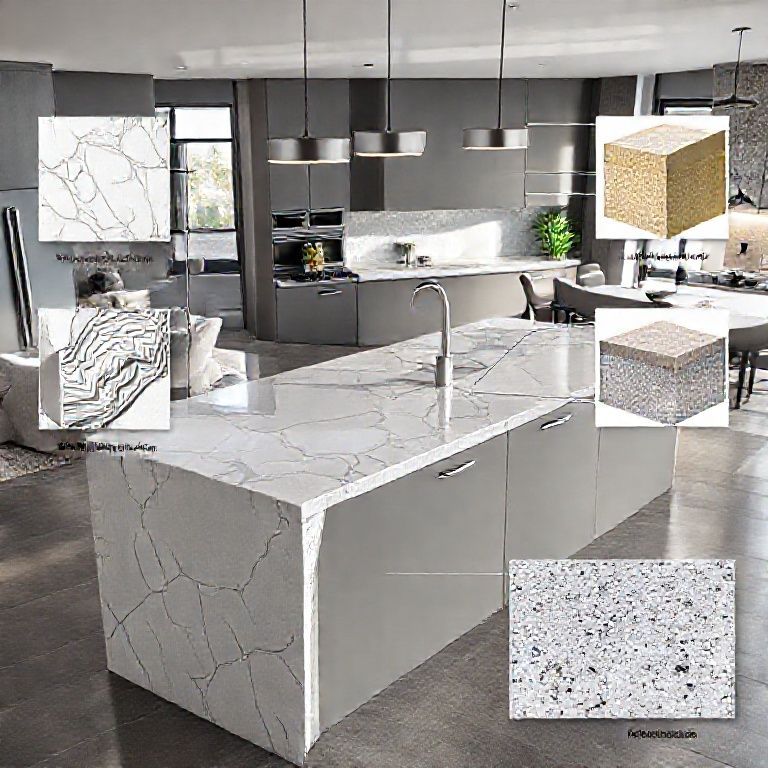
Natural vs. Synthetic: There is a common misconception that natural stone might be safer than synthetic stone. While natural stone does not emit radiation, it also requires regular maintenance and can harbor bacteria or other contaminants if not properly cared for.
Radiation Emission: To date, there have been no scientific studies that indicate synthetic stone countertops emit ionizing radiation. The materials used are primarily organic and inorganic compounds that do not emit harmful radiation levels.
Regulatory Standards and Safety
Manufacturers of synthetic stone countertops adhere to stringent safety standards. Regulatory bodies like the Environmental Protection Agency (EPA) in the United States and the European Union’s REACH (Registration, Evaluation, Authorisation and Restriction of Chemicals) guidelines oversee the production and safety of materials used in consumer goods. These regulations ensure that the materials do not pose undue health risks to consumers.
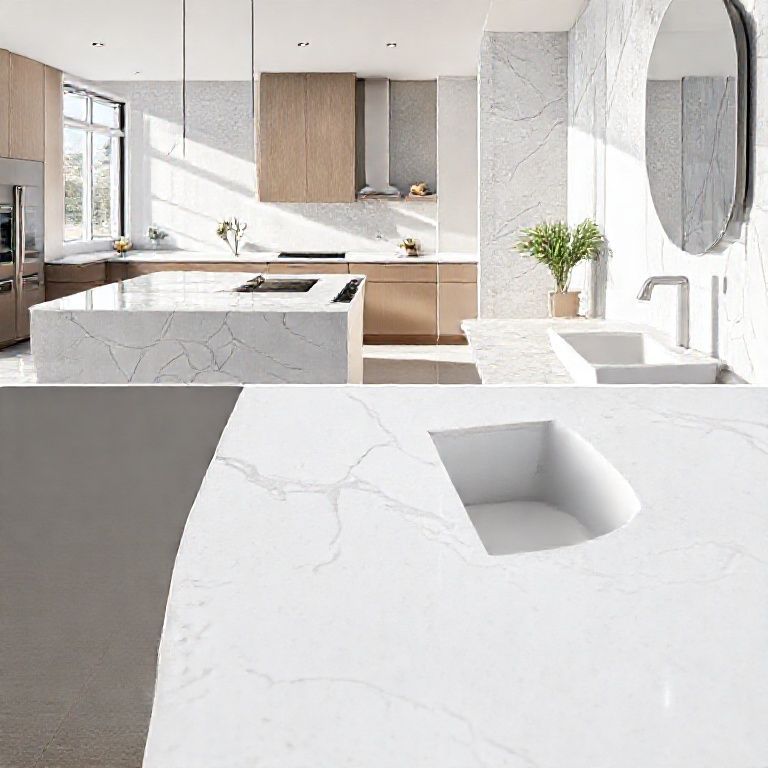
Assessing Safety
To assess the safety of synthetic stone countertops, it’s important to consider the following:
Material Composition: Look for synthetic stone made with high-quality, non-toxic binders and stone aggregates. Reliable brands often provide certification and safety data sheets (SDS) that detail the composition and safety of their products.
Manufacturing Process: Investigate the manufacturing processes of synthetic stone. Companies that employ advanced technology and adhere to rigorous quality control measures tend to produce safer products.
Consumer Reviews: While anecdotal evidence is not definitive, consumer reviews and testimonials can provide insights into the long-term safety and performance of synthetic stone countertops.
Conclusion
The notion that synthetic stone countertops emit radiation is largely unfounded. The materials and manufacturing processes used in their production do not emit ionizing radiation. However, it is crucial to choose high-quality products from reputable manufacturers to ensure the safety and durability of your kitchen and bathroom renovation projects. In the next part, we will delve deeper into specific concerns, alternative materials, and practical tips for choosing radiation-free synthetic stone countertops.
Choosing Radiation-Free Synthetic Stone Countertops and Alternatives
Having addressed the science behind synthetic stone countertops and their radiation concerns, it’s essential to explore practical steps to ensure that you make an informed choice when selecting your kitchen or bathroom countertops. In this part, we will discuss how to choose radiation-free synthetic stone, alternative materials, and tips for maintaining the safety of your home renovation projects.
Selecting Radiation-Free Synthetic Stone Countertops
When choosing synthetic stone, it’s crucial to prioritize safety and quality. Here are some key factors to consider:
Material Certification: Opt for synthetic stone that comes with certifications from recognized safety organizations. These certifications often include testing for harmful chemicals and radiation levels. Look for labels like “CPSC compliant” (Consumer Product Safety Commission) or “ISO certified” which indicate adherence to safety standards.
Reputable Brands: Stick to well-established brands with a history of producing high-quality, safe materials. Brands like Cosentino, Cretestone, and other leading manufacturers typically undergo rigorous testing and quality control processes.
Safety Data Sheets (SDS): Always request and review the Safety Data Sheets provided by the manufacturer. These documents contain detailed information about the materials used, potential health risks, and safety measures.
Customer Reviews: Read customer reviews and testimonials to gauge the long-term performance and safety of the synthetic stone. Pay attention to any mentions of radiation concerns or health issues.
Independent Testing: In some cases, you might want to conduct independent tests on the synthetic stone samples. Several laboratories offer testing services to analyze the chemical composition and radiation levels of the materials.
Exploring Alternatives to Synthetic Stone
If you remain concerned about synthetic stone despite the safety assurances, there are several alternative materials that offer comparable aesthetics and durability without the radiation concerns.
Natural Stone:
Marble, Granite, and Quartzite: While natural stone does not emit radiation, it requires regular maintenance to prevent stains, scratches, and bacterial growth. Sealants and proper cleaning routines can help prolong the life of natural stone countertops.
Health Considerations: Natural stone is generally free of synthetic binders and chemicals, making it a safer option for those concerned about radiation and chemical exposure.
Solid Surface Materials:
Acrylic-based Countertops: Brands like Corian offer durable, maintenance-free surfaces that mimic the look of natural stone. These materials are generally free from radiation and known for their non-toxic properties.
Glass-based Countertops: Glass-reinforced surfaces like quartz are highly durable and require minimal maintenance. They also do not emit radiation.
Laminate Countertops:
High-quality Laminate: Laminate materials are made from layers of paper or fabric impregnated with resin. They offer a wide range of colors and patterns and are generally safe, though they may not match the durability of synthetic stone or natural stone.
Health Considerations: Ensure that the laminate is made from formaldehyde-free resins to minimize health risks.
Practical Tips for Safe Home Renovations
When selecting any countertop material, consider the following practical tips to ensure a safe and successful renovation:
Professional Installation: Always hire certified professionals for the installation of your countertops. Proper installation is crucial to prevent potential issues like cracks, chips, and long-term damage.
Regular Maintenance: Regardless of the material, regular maintenance is key to ensuring longevity and safety. Follow the manufacturer’s guidelines for cleaning and maintenance to keep your countertops in optimal condition.
Health Monitoring: If you have specific health concerns, consider consulting with a healthcare professional. They can provide personalized advice based on your health history and specific needs.
Eco-friendly Options: Look for eco-friendly materials and manufacturing processes. Brands that prioritize sustainability often adhere to stricter safety standards.
Stay Informed: Stay updated on the latest research and guidelines regarding countertop materials and health safety. Knowledge is power, and being informed helps you make the best choices for your home.
Conclusion
While the radiation concern regarding synthetic stone countertops is largely unfounded, it’s important to make informed decisions based on scientific evidence and safety standards. By choosing high-quality, certified synthetic stone and exploring alternative materials like natural stone or solid surface materials, you can enjoy the beauty and durability of your countertops while ensuring the safety of your home environment. In our next installment, we will provide a detailed comparison of different countertop materials, their long-term benefits, and maintenance requirements. Stay tuned for more insights to help you achieve the perfect balance between aesthetics and safety in your home renovations.