In today’s kitchen design landscape, artificial stone countertops have emerged as a popular choice due to their aesthetic appeal, durability, and low maintenance requirements. However, like any material, they are not immune to issues such as cracking and breaking. This article aims to shed light on the potential risks associated with artificial stone countertops and provides comprehensive insights into the preventive measures and solutions available to ensure your kitchen remains both stylish and functional.

Understanding Artificial Stone Countertops
Artificial stone, often referred to as cultured stone, is a composite material made from natural stone, polymers, and other additives. It is crafted in a lab setting, allowing for the creation of custom designs and colors. Despite its advantages, artificial stone is susceptible to cracking and breaking under certain conditions. Understanding the composition and the ways in which these materials can fail is crucial in addressing and preventing such issues.
Common Causes of Cracking and Breaking
Impact Damage: One of the primary reasons artificial stone countertops crack is due to impact damage. Even a heavy object, such as a kitchen utensil or a glass bottle, can cause a crack if it lands forcefully on the surface. This is especially common in areas where high traffic occurs.
Thermal Stress: Artificial stone is sensitive to extreme temperature changes. For instance, pouring a very hot liquid directly onto a cold countertop can create thermal stress, leading to cracks. This is a common issue when using the countertop for tasks like boiling water or placing hot pots and pans directly on the surface.
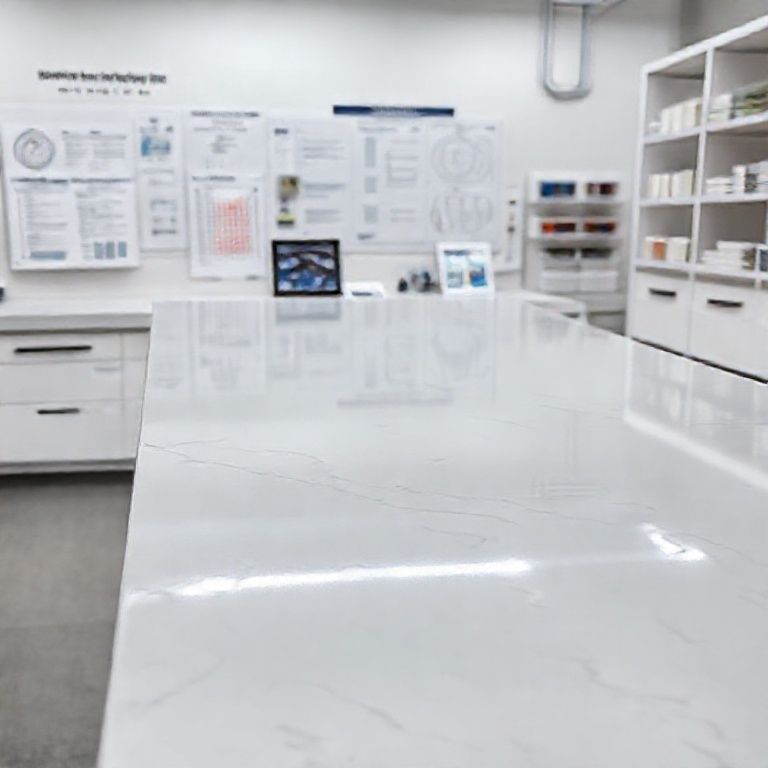
Chemical Exposure: Exposure to certain chemicals, such as bleach, ammonia, or strong acids, can weaken the structure of artificial stone, making it more prone to cracking and breaking. Regular cleaning with harsh chemicals can compromise the integrity of the countertop over time.
Installation Issues: Poor installation can lead to structural weaknesses in artificial stone countertops. Incorrect sealing, uneven surfaces, and inadequate support can all contribute to the risk of cracking and breaking.
Visual Aids to Understand the Issue
To better understand the issue, here are some visual aids:
[Image 1: Impact Damage Example] An image showing a cracked artificial stone countertop where a heavy object has fallen, illustrating the impact damage.
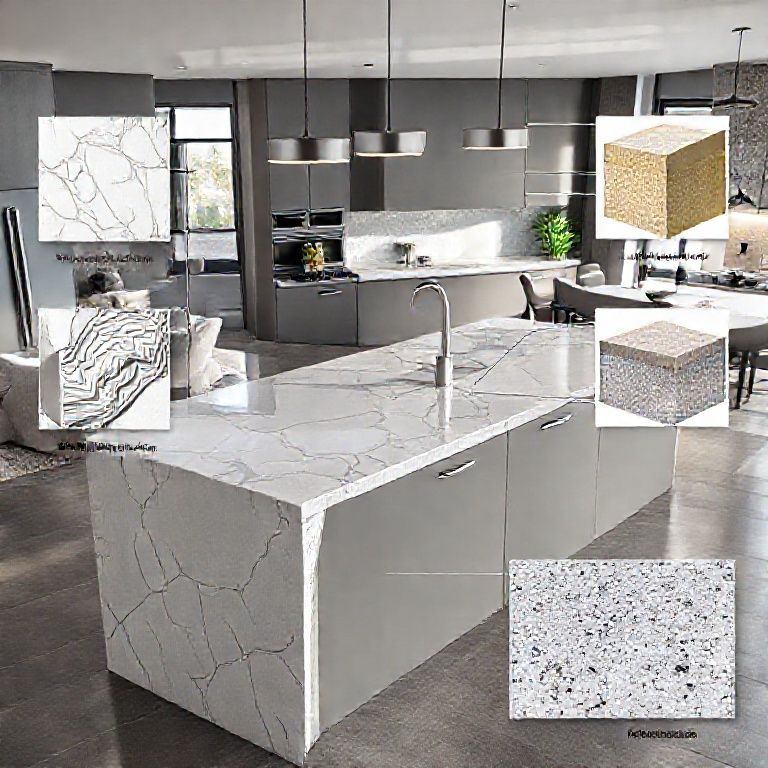
[Image 2: Thermal Stress Example] A visual representation of thermal stress, showing a hot pot placed on a cold countertop leading to a crack.
[Image 3: Chemical Damage Example] An image displaying the damage caused by harsh chemicals on an artificial stone surface, highlighting how chemical exposure can weaken the material.
Preventive Measures for Artificial Stone Countertops
To ensure the longevity and durability of your artificial stone countertop, it is essential to follow certain preventive measures:
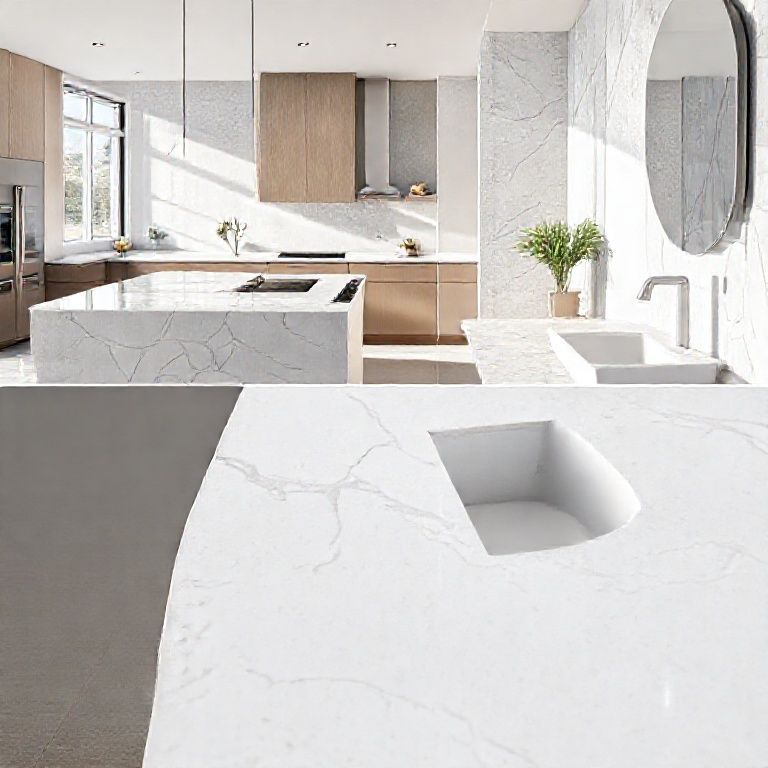
Use Protective Pads: To prevent impact damage, always use protective pads or coasters under heavy objects and hot cookware. This simple step can significantly reduce the risk of cracks.
Gradual Temperature Changes: Avoid sudden temperature changes. If you need to place a hot item on the countertop, allow it to cool slightly before setting it down. This can help prevent thermal stress.
Proper Cleaning: Use mild, non-abrasive cleaning agents to maintain the countertop’s integrity. Avoid using harsh chemicals that can weaken the material. A gentle sponge and warm soapy water are usually sufficient for daily cleaning.
Regular Maintenance: Regularly check for any signs of wear or damage. Addressing minor issues early can prevent them from becoming major problems. Routine maintenance, such as sealing the countertop periodically, can also enhance its durability.
Professional Installation: Ensure that your artificial stone countertop is installed by a professional. Proper installation techniques can help avoid structural weaknesses that might lead to cracking and breaking.
Repair Techniques for Artificial Stone Countertops
While preventive measures are crucial, it is inevitable that some cracks may still occur. Knowing how to repair cracks in artificial stone countertops effectively can save you from the hassle and expense of replacing the entire surface. Here’s a detailed look at the repair techniques and how to implement them:
Assess the Damage: Before attempting any repairs, carefully assess the extent of the damage. Determine if the crack is superficial or if it has penetrated deeper into the material. Superficial cracks are easier to repair compared to deeper, more extensive cracks.
Clean the Area: Thoroughly clean the cracked area with a mild detergent and water. Remove any debris or residue that may interfere with the repair process. Allow the area to dry completely before proceeding with the repair.
Use Specialized Repair Kits: There are specialized repair kits available for artificial stone that contain the necessary materials and instructions. These kits often include a filler or resin that matches the color of your countertop and a hardener. Follow the manufacturer’s instructions carefully to apply the repair material evenly across the crack.
Fill the Crack: Apply the filler or resin to the crack using a small applicator or syringe. Ensure that the material fills the crack completely. For deeper cracks, you may need to apply multiple layers, allowing each layer to dry before adding the next.
Smooth and Cure: Once the filler has been applied, smooth the surface with a clean cloth or a specialized smoothing tool. Allow the filler to cure as per the instructions provided in the repair kit. This typically involves leaving the area undisturbed for several hours to ensure the filler hardens properly.
Color Matching: To ensure that the repaired area matches the surrounding countertop, use a color-matching tool or a small amount of colorant from the repair kit. Apply the colorant to the filler, blending it until it matches the surrounding surface perfectly.
Visual Aids to Understand Repair Techniques
To better understand the repair process, here are some visual aids:
[Image 4: Repair Kit Example] An image showcasing a specialized repair kit for artificial stone countertops, including filler, hardener, applicators, and colorant.
[Image 5: Applying Filler] A step-by-step visual showing the application of filler into a crack, highlighting the process of ensuring complete coverage.
[Image 6: Smoothing and Curing] An image demonstrating how to smooth the filler and the curing process, emphasizing the importance of allowing the filler to harden properly.
Long-Lasting Solutions for Artificial Stone Countertops
To ensure that your artificial stone countertops remain in excellent condition for years to come, consider these long-lasting solutions:
Regular Maintenance: Consistent maintenance is key to the longevity of your countertop. Regularly clean the surface with mild detergents and avoid using abrasive cleaners or scrubbers. Periodically, apply a sealant to protect against stains and scratches.
Avoiding Extreme Conditions: While artificial stone can withstand a variety of conditions, it’s best to avoid exposing it to extreme temperatures or harsh chemicals. Use protective pads for heavy objects, and ensure that hot items are allowed to cool before placing them on the surface.
Professional Repairs: For significant damage that cannot be repaired at home, consider professional repairs. Experienced technicians can provide expert solutions that restore the countertop’s appearance and integrity.
Upgraded Sealants: Use high-quality sealants designed specifically for artificial stone. These sealants create a protective barrier that enhances the durability of the countertop and makes it easier to clean and maintain.
Routine Inspections: Schedule routine inspections to check for any signs of wear or damage. Early detection of minor issues can prevent them from escalating into major problems.
Conclusion
Artificial stone countertops offer a blend of beauty, durability, and low maintenance. However, like any material, they are susceptible to cracking and breaking under certain conditions. By understanding the common causes of damage, implementing preventive measures, and knowing how to effectively repair cracks, you can ensure that your artificial stone countertops remain a stylish and functional part of your kitchen for years to come.
Regular maintenance, proper installation, and prompt repairs are essential to the longevity and aesthetic appeal of artificial stone countertops. With these strategies in place, you can enjoy a durable and attractive kitchen surface that meets your needs and enhances your culinary space.