In the heart of every home, the kitchen stands as a central hub of activity, creativity, and connection. One of the most crucial elements of this space is the kitchen countertop, a surface that demands both durability and aesthetic appeal. However, it’s not uncommon to find kitchen countertops that have developed unsightly cracks. Understanding why kitchen countertops crack is essential for maintaining the integrity and beauty of your kitchen. In this first part of our exploration, we’ll delve into the various factors contributing to countertop cracking, starting with the material selection.

The Role of Material Selection
The type of material used for your kitchen countertop plays a pivotal role in its longevity and resistance to cracking. Different materials have varying levels of durability, heat resistance, and susceptibility to damage.
1. Granite
Granite is renowned for its beauty and strength. However, despite its robustness, granite can still crack under specific conditions. Typically, the cracks in granite countertops occur due to impact or thermal shock. When a heavy object falls on the granite, it can create a shock wave that leads to a crack. Additionally, placing hot pots or pans directly on the surface can cause thermal shock, leading to cracks.
2. Quartz
Quartz, a composite material made from 90% quartz and 10% resin, is known for its durability and resistance to scratches, stains, and bacteria. It is also less prone to cracking compared to natural stone options. However, like all materials, it can still develop hairline cracks if subjected to extreme pressure or impacts.
3. Marble
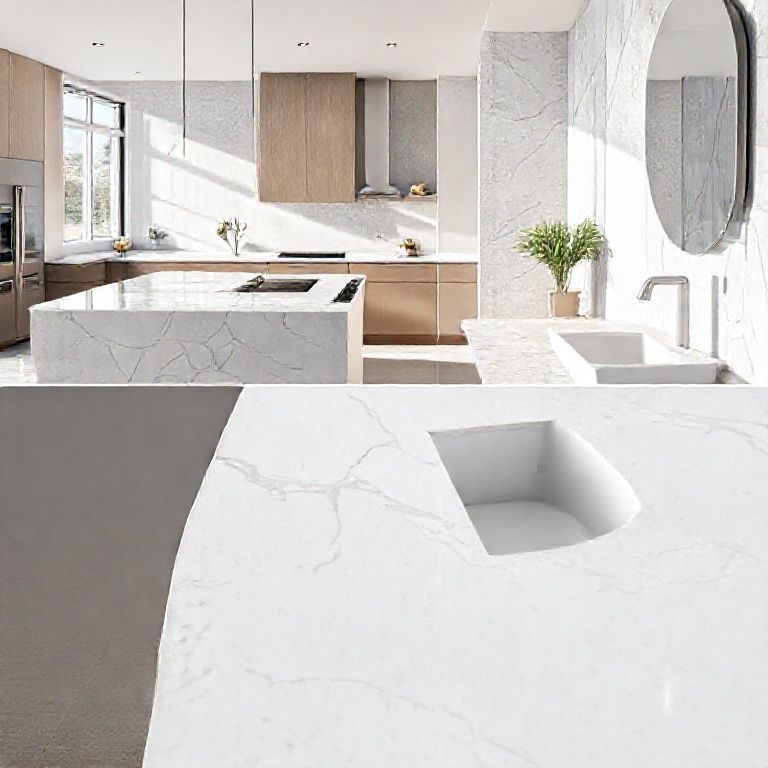
Marble is prized for its elegance and natural beauty. Unfortunately, its inherent brittleness makes it highly susceptible to cracking. Marble can crack easily from impacts or even from the weight of heavy objects. Moreover, its porosity makes it prone to staining and etching, which can compromise its structural integrity over time.
4. Formica and Composites
Formica and other composite materials are known for their versatility and cost-effectiveness. They are generally more resistant to scratches and stains compared to natural stone but can still crack under significant pressure or impact. The adhesives used in these materials can also degrade over time, leading to structural weaknesses.
Environmental Factors
Beyond material selection, environmental factors play a significant role in the cracking of kitchen countertops. Understanding these factors can help you take preventive measures to protect your countertop.
1. Temperature Fluctuations
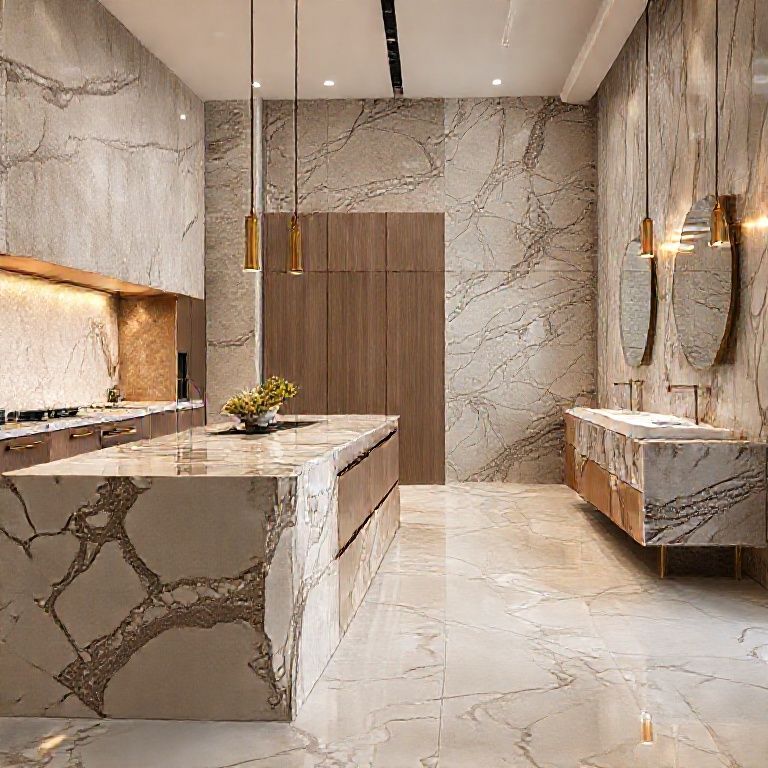
One of the primary environmental factors that contribute to countertop cracking is temperature fluctuation. When a countertop is subjected to frequent and significant temperature changes, it can lead to thermal stress. This is especially true for natural stone materials like granite and marble, which are more prone to cracking under thermal stress. For instance, placing a hot pot on a cold granite countertop can create a significant temperature differential, leading to cracks.
2. Humidity
High humidity levels can also affect the integrity of kitchen countertops, particularly composite materials. Excessive moisture can cause the adhesives in composite materials to weaken, leading to cracking and delamination. Proper ventilation and humidity control in the kitchen can help mitigate this issue.
3. Chemical Exposure
Exposure to harsh chemicals is another critical factor. Cleaning products, especially those containing strong acids or bases, can damage the surface of countertops, leading to weakening and eventual cracking. Using appropriate cleaning solutions and protective coverings like cutting boards can help prevent this damage.
4. Water Exposure
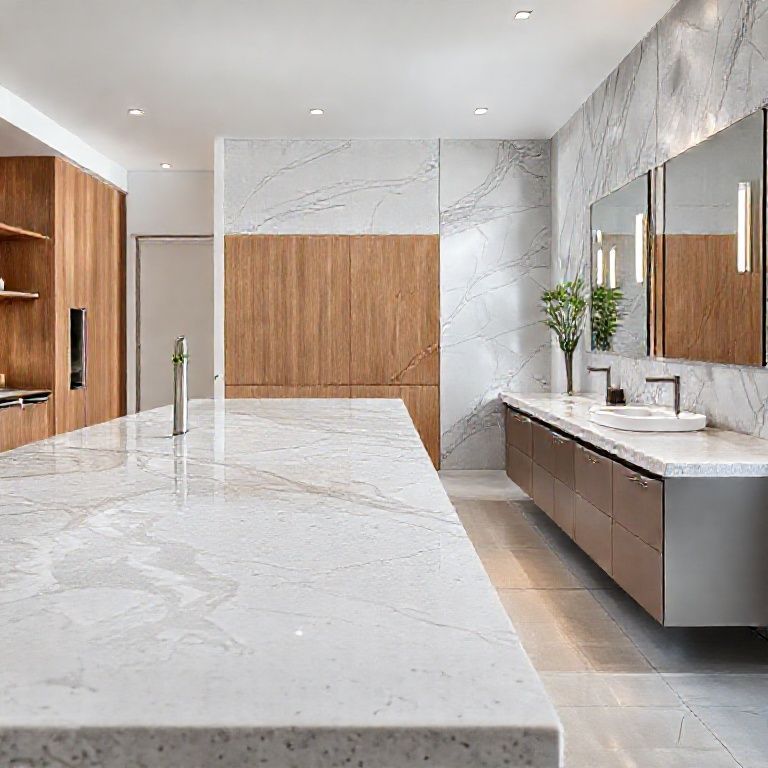
While water itself may not cause cracks, it can lead to other forms of damage that indirectly contribute to cracking. Water can seep into the joints and seams of composite and natural stone countertops, causing expansion and contraction that can lead to cracks over time. Ensuring proper sealing of joints and regular maintenance can help prevent this issue.
Impact and Pressure
The physical impact and pressure applied to kitchen countertops can also lead to cracking. Everyday use inevitably involves some degree of impact, whether from utensils, pots, pans, or even casual leaning.
1. Heavy Objects
The weight of heavy objects placed on the countertop can exert pressure that exceeds the material’s capacity to withstand it. This is particularly true for natural stone countertops, which are more brittle and prone to cracking under heavy pressure.
2. Sharp Objects
The use of sharp objects on the countertop can cause micro-fractures that can lead to larger cracks over time. Knives, in particular, should never be used to cut through the countertop itself, as this can create tiny cracks that can spread and become more extensive.
3. Cooking and Heating
Cooking and heating can also contribute to cracking. The heat from ovens, stoves, and microwaves can create uneven heating on the countertop surface, leading to thermal stress and potential cracking. It’s important to use heat-resistant pads and to avoid direct contact with hot surfaces.
Preventive Measures and Solutions
Understanding the causes of countertop cracking is the first step toward preventing it. Here are some preventive measures and solutions to help maintain the integrity of your kitchen countertop.
1. Proper Installation
Proper installation is crucial for the longevity of your countertop. Ensure that professionals handle the installation to avoid any structural weaknesses from the outset. Proper installation techniques can significantly reduce the risk of cracking.
2. Regular Maintenance
Regular maintenance is essential for keeping countertops in good condition. This includes cleaning with appropriate products, sealing seams and joints, and using protective coverings like cutting boards and trivets. Routine maintenance can help prevent minor issues from escalating into major cracks.
3. Use Protective Pads
Using protective pads and trivets for hot pots and pans can prevent thermal stress and pressure damage. These simple tools can go a long way in protecting your countertop from cracking.
4. Avoid Sharp Objects
Avoid using sharp objects directly on the countertop to prevent micro-fractures. Instead, use cutting boards and other protective surfaces for cutting and food preparation.
5. Monitor Temperature Changes
Be mindful of temperature fluctuations in the kitchen. Avoid placing hot objects directly on cold countertops and ensure even heating to prevent thermal stress.
6. Choose Durable Materials
When selecting a countertop, consider the durability and resistance to cracking of the material. Materials like quartz and engineered stone offer excellent durability and are less prone to cracking compared to natural stone.
7. Repair and Replace
In cases where cracks have already developed, prompt repair or replacement may be necessary. Professional repair services can often fix minor cracks, but in severe cases, replacing the countertop may be the best solution.
In the previous part, we explored the various factors contributing to kitchen countertop cracking, including material selection, environmental influences, and the impact of pressure. Now, let’s delve deeper into additional causes, preventive measures, and solutions for maintaining the integrity of your kitchen countertops.
Additional Causes of Cracking
1. Manufacturing Defects
Manufacturing defects can also lead to cracks in kitchen countertops. These defects can arise during the production process, where inconsistencies in material composition or processing can result in weak points that are more susceptible to cracking. Choosing high-quality, reputable brands and manufacturers can help mitigate this risk.
2. Improper Sealing
Proper sealing of seams and joints in composite and natural stone countertops is crucial for their longevity. Improper sealing can lead to water ingress and chemical exposure, which can weaken the material and lead to cracking. Regular inspection and resealing of joints and seams can help prevent this issue.
3. Age and Wear
Over time, all materials will show signs of wear and tear. While natural stone countertops can last for decades with proper care, they are still susceptible to cracking due to age and wear. Regular maintenance and repairs can help extend the life of your countertop.
Advanced Preventive Measures
1. Heat Management
Effective heat management is crucial for preventing thermal stress, which can lead to cracking. Use heat-resistant pads and trivets to protect the countertop from direct heat. Additionally, consider using microwave-safe containers that distribute heat more evenly.
2. Weight Distribution
Distributing weight evenly across the countertop can help prevent localized pressure that can lead to cracking. Avoid stacking heavy objects directly在继续讨论如何更有效地预防和处理厨房台面裂开的问题时,我们可以探讨更多高级的预防措施和专业的修复方法。
这些方法不仅能帮助延长台面的使用寿命,还能确保其在美观和功能上的持续表现。
高级预防措施
1. 使用抗冲击材料
一些现代的台面材料具有高抗冲击性能,能够更好地抵抗日常使用中的冲击。例如,某些类型的石英台面经过特殊处理,能够显著提高其抗冲击性能,从而减少裂纹的形成。
2. 定期检查和维护
定期检查台面的状态,尤其是接缝和边缘,可以及早发现并处理潜在的问题。例如,石英和其他复合材料的台面可能需要定期重新密封以保持其防水和抗污能力。
3. 合理布局
在厨房设计时,合理布局可以减少台面上的压力集中点。避免将重物长时间放置在同一位置,可以有效减少压力对台面的损害。
专业修复方法
1. 专业修复工具和技术
对于已经出现裂纹的台面,专业的修复工具和技术可以有效地修复裂纹,恢复台面的美观和功能。修复方法包括但不限于以下几种:
a. 注胶修复:
注胶技术是一种常见的修复方法,适用于小裂纹和细小的接缝问题。通过将特殊的填充材料注入裂纹中,可以有效地修复和加强受损区域。
b. 激光修复:
激光修复技术使用高能激光对受损区域进行精确加热和熔融,从而填补裂纹并恢复材料的完整性。这种方法通常用于高端石材和复合材料的修复。
c. 化学修复:
对于某些类型的复合材料,可以使用专门的化学胶水进行修复。这种方法通常需要专业人员进行操作,以确保修复质量。
2. 定制替换
在某些情况下,修复可能无法达到预期效果,或者台面的损坏程度已经超过了修复的范围。在这种情况下,定制替换是一个可行的选择。专业的安装人员可以根据原始设计和材料,为您提供一款与原台面外观和功能完全一致的新台面。
长期维护策略
1. 日常保养
日常保养是预防台面长期损坏的关键。使用适当的清洁产品和工具,避免使用钢丝球和其他刮伤工具。定期擦拭和保养可以延长台面的使用寿命。
2. 使用保护垫
在台面上放置餐具和其他物品时,使用保护垫可以有效减少直接接触带来的压力和磨损。烹饪时使用炉灶垫和烤盘架可以保护台面不受热和冲击的伤害。
3. 环境控制
在厨房中保持适当的湿度和温度,可以减少材料因环境变化而导致的裂纹和变形。特别是在干燥或高温环境中,保持适当的湿度和温度调节非常重要。
总结
通过对材料选择、环境控制、日常维护和专业修复方法的综合考虑,可以有效预防和处理厨房台面裂开的问题。无论是选择高品质的材料,还是采用先进的修复技术,都可以帮助延长台面的使用寿命,确保其在美观和功能上的持续表现。定期的检查和维护,再加上适当的使用习惯,将为您的厨房台面带来长久的美观和实用性。