Unveiling the Hidden Secrets of Artificial Stone Countertop Cracks
Artificial stone countertops have revolutionized modern kitchen and bathroom design with their sleek, modern appearance and durability. These stone-like surfaces are crafted from a blend of natural stone and polymers, resulting in a material that is both attractive and practical. However, like any surface, artificial stone countertops are not entirely immune to issues such as cracking. Understanding the causes, prevention methods, and effective repair techniques is essential for maintaining the beauty and longevity of these elegant surfaces.

Understanding the Causes of Cracks
Cracks in artificial stone countertops can be attributed to a variety of factors. The most common cause is physical impact or trauma. High-impact activities, such as dropping heavy objects or using the countertop as a cutting board for hard foods, can lead to visible cracks. Additionally, temperature changes can cause the material to expand and contract, leading to small fissures over time. Improper installation can also result in structural weaknesses, making the countertop more susceptible to cracking.
Environmental factors play a significant role too. Exposure to harsh chemicals, such as bleach or acidic cleaners, can weaken the surface layer of the stone, leading to cracks. Moreover, the use of abrasive cleaning tools can scratch and chip the surface, causing the material to fracture.
Preventive Measures
Preventing cracks in artificial stone countertops begins with proper installation. Engaging a professional installer who understands the unique properties of artificial stone can make a significant difference. They should follow manufacturer guidelines to ensure the countertop is correctly aligned, leveled, and secured to the cabinet.
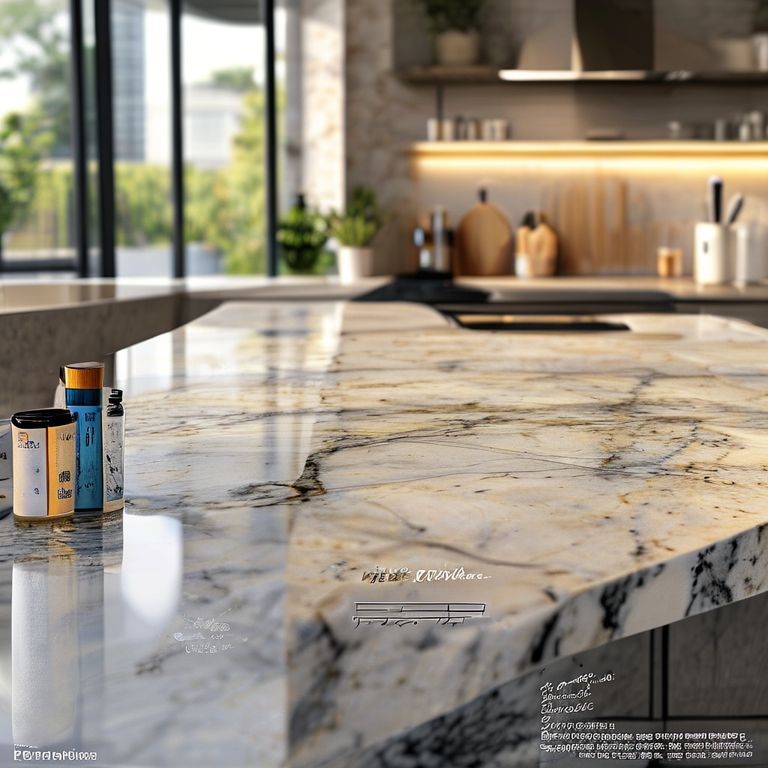
Maintenance and cleanliness are crucial in preventing damage. Avoid using abrasive cleaners or harsh chemicals on the surface. Instead, opt for mild soap and water or specially formulated cleaners designed for artificial stone. It’s also essential to clean up spills immediately to prevent any chemical or physical damage from lingering on the surface.
Regular maintenance, such as sealing the surface periodically, can prolong the life of the countertop. Many artificial stone surfaces are available in a variety of colors and finishes, but they still require periodic sealing to maintain their integrity and appearance.
Immediate Action Steps
If a crack does appear, immediate action is crucial to prevent further damage. First, clean the area thoroughly to remove any debris or dirt that may exacerbate the crack. Next, assess the size and location of the crack. For minor cracks, a professional repair service might be able to use a specialized epoxy or resin to fill and seal the crack, restoring the countertop’s appearance.
In cases of larger or more severe cracks, professional intervention is often necessary. A skilled technician can assess the damage and recommend the best course of action, which might include partial or complete replacement of the countertop. Always choose a reputable repair service to ensure the quality and longevity of the repair.
Mastering Maintenance Tips for Artificial Stone Countertops
Maintaining artificial stone countertops is relatively straightforward, but it requires attention to detail and adherence to best practices to ensure the longevity and beauty of the surface. Here’s an in-depth look at the essential maintenance tips and long-term care strategies for your artificial stone countertops.
Daily Care and Cleaning
Daily cleaning is the first line of defense against cracks and other forms of damage. Use a soft, non-abrasive cloth to wipe down the countertop after each use. For tougher spills, a mild soap and water solution can be effective. Avoid using harsh chemicals or abrasive cleaners that could damage the surface. When cleaning, always rinse the cloth thoroughly to prevent any soap residue from sitting on the surface, which can lead to discoloration or further damage.
Handling Spills
Spills can cause significant damage to artificial stone countertops if left unattended. The quicker you address a spill, the better. For liquids, blot with a clean cloth rather than wiping, to avoid spreading the liquid and causing more damage. For solid spills, gently brush away the residue with a soft cloth. If the spill contains any chemicals, neutralize it immediately with water before cleaning the surface.
Avoiding High-Impact Activities
To prevent cracks and other forms of damage, avoid using the countertop for activities that involve high impact. For example, don’t use it as a chopping board for hard foods like carrots or potatoes. Instead, use a cutting board to protect the surface from the wear and tear. When placing hot pots or pans on the countertop, use trivets or heat-resistant pads to prevent thermal shock, which can cause the material to crack.
Periodic Sealing
While artificial stone countertops are more resistant to stains compared to natural stone, they still benefit from periodic sealing. Sealing helps to create a protective barrier against stains and extends the life of the countertop. Follow the manufacturer’s instructions for the appropriate sealer and application method. Typically, it’s recommended to reseal the surface every 6 to 12 months, depending on the level of use and exposure.
Long-Term Maintenance
Long-term maintenance of artificial stone countertops involves regular inspections to check for any signs of wear or damage. Look for small cracks, chips, or discoloration that might indicate underlying issues. Addressing these problems early can prevent more significant damage down the line.
Additionally, ensure that the countertop is properly secured to the cabinet. Over time, screws or brackets can become loose, leading to instability and potential damage. Regular tightening and inspection can prevent this issue.
Choosing the Right Finish
The finish of your artificial stone countertop can also impact its durability and appearance. Some finishes are more resistant to scratches and stains than others. When choosing a countertop, consider the finish that best suits your lifestyle and needs. For high-traffic areas, a more durable finish might be necessary.
Professional Help
When in doubt, it’s always best to consult with a professional. Whether it’s for cleaning, sealing, or repair, professionals have the expertise and tools to handle any issue that may arise. They can also provide guidance on the best maintenance practices tailored to your specific countertop.
In conclusion, artificial stone countertops offer a beautiful and durable option for modern kitchens and bathrooms. By understanding the causes of cracks, taking preventive measures, and following proper maintenance practices, you can ensure that your artificial stone countertop remains pristine and stylish for years to come. Whether dealing with minor cracks or undertaking regular maintenance, a proactive approach will keep your countertop looking its best and functioning at its highest potential.