Introduction to Artificial Stone and Quartz Countertops
When it comes to modern kitchen and bathroom design, the choice of countertop materials is critical. Two of the most popular options are artificial stone and quartz. Both materials are celebrated for their beauty, durability, and versatility, but they offer different benefits and come with unique characteristics. This first part of our article will delve into the origins, advantages, and visual appeal of these two materials.

What is Artificial Stone?
Artificial stone, also known as cultured stone, is a composite material made from a mixture of natural stone, resin, and pigments. It is created by combining crushed stone with a polymer resin, which is then molded and finished to resemble natural stone. This process allows for a variety of colors and textures, making artificial stone a highly customizable option.
Advantages of Artificial Stone
Customization: One of the biggest advantages of artificial stone is its ability to be customized. You can choose from a wide range of colors, patterns, and finishes that mimic various natural stones like marble, granite, and quartz.
Durability: While it may not be as hard as natural stone, artificial stone is still highly durable. It resists scratches, stains, and thermal damage, making it a low-maintenance option.
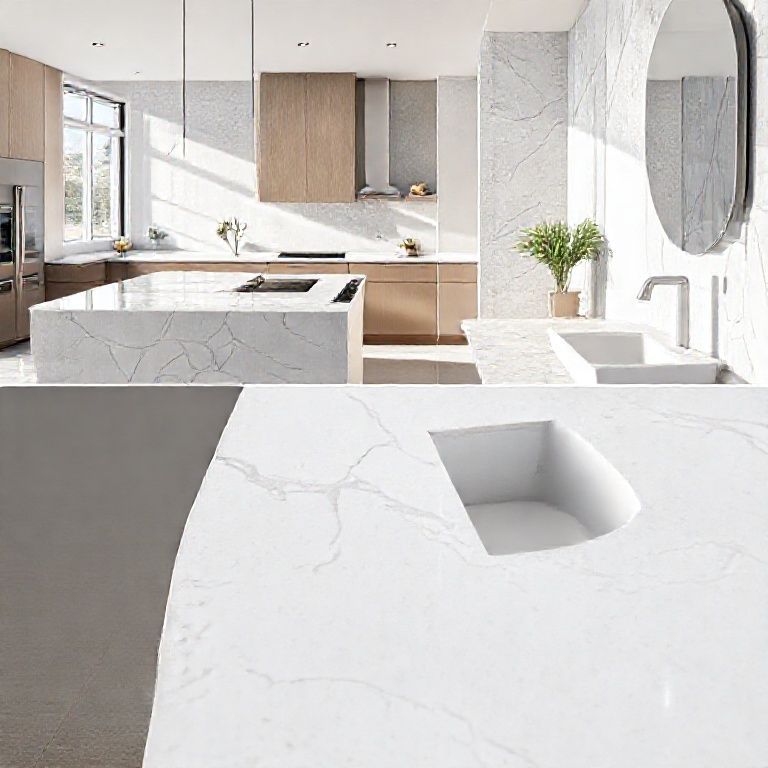
Cost-Effective: Generally, artificial stone is more affordable than many natural stone options. This makes it an attractive choice for those looking to achieve a luxurious look without the high price tag.
Ease of Maintenance: Artificial stone is easy to clean and maintain. A simple wipe with a damp cloth is usually sufficient to keep it looking pristine.
What is Quartz Countertops?
Quartz, on the other hand, is a composite material made from 90% natural stone and 10% bonding agent. It is produced by a proprietary process developed by the company Stonewash. This material is pressed and heated at high temperatures to fuse the stone particles together, resulting in a solid surface that is both beautiful and functional.
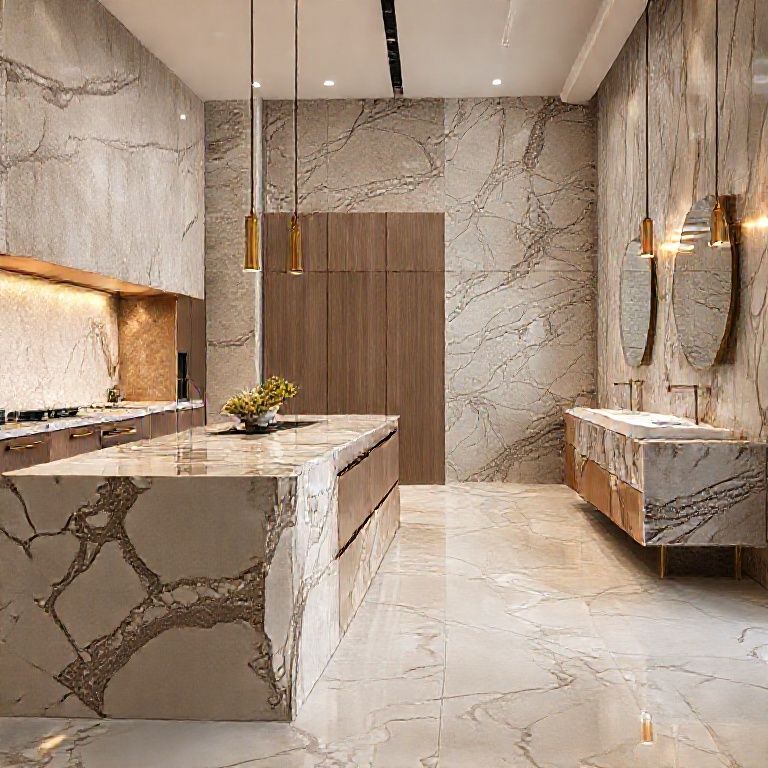
Advantages of Quartz Countertops
Hardness and Durability: Quartz is one of the hardest materials available, ranking 7 on the Mohs scale. This makes it highly resistant to scratches, stains, and thermal damage.
Slip Resistance: Quartz is inherently non-slip, providing a safe surface for kitchens and bathrooms.
Low Maintenance: Like artificial stone, quartz is easy to clean. A simple wipe with a damp cloth and a mild soap solution is usually enough to maintain its pristine appearance.
Design Versatility: Quartz offers a vast array of colors and patterns. It can be customized to mimic various natural stones, making it a versatile choice for any design preference.
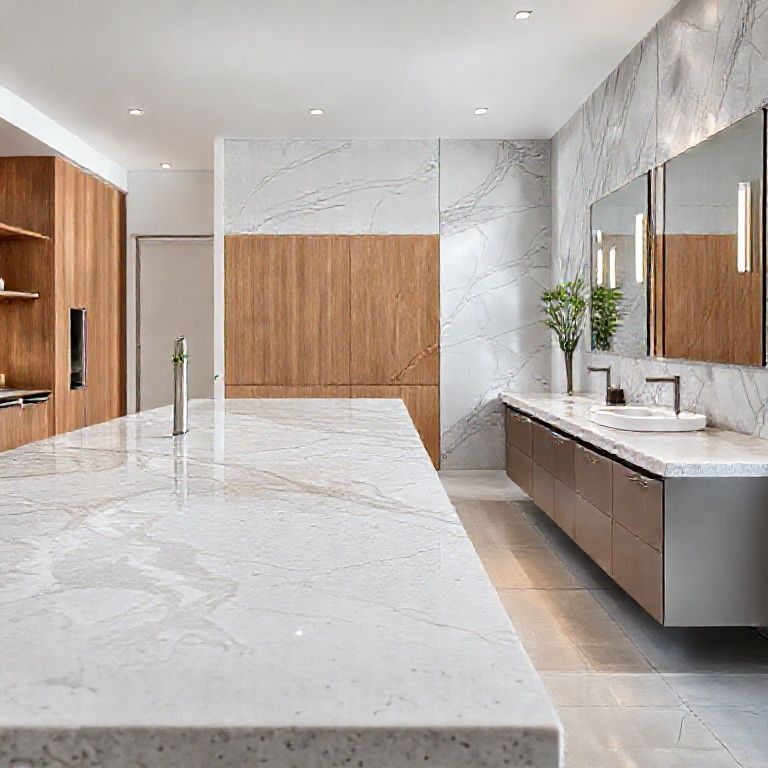
Visual Appeal of Artificial Stone and Quartz
One of the primary reasons people choose countertops is for their visual appeal. Both artificial stone and quartz offer stunning aesthetics that can enhance the beauty of any kitchen or bathroom.
Artificial Stone:
Artificial stone can mimic the look of many natural stones, providing a luxurious appearance without the high cost. It often features intricate veining and patterns that make it indistinguishable from natural stone to the naked eye. Whether you prefer the elegance of marble, the robustness of granite, or the intricate beauty of onyx, artificial stone can provide it.
Quartz:
Quartz countertops boast a sleek, modern look that can complement both contemporary and traditional designs. Its wide range of colors and patterns allows for endless design possibilities. From the deep, rich hues of a classic slab to the vibrant, bold colors of a modern design, quartz offers something for every aesthetic preference.
Conclusion
Both artificial stone and quartz countertops offer unique benefits that cater to different design preferences and needs. Artificial stone provides unparalleled customization and affordability, while quartz stands out for its hardness, durability, and design versatility. In the next part of this article, we will further explore the installation, cost, and long-term benefits of these materials, providing you with all the information you need to make an informed decision.
Installation, Cost, and Long-Term Benefits
In the second part of our comparison between artificial stone and quartz countertops, we will delve into the installation process, cost considerations, and long-term benefits of each material. This comprehensive analysis will help you understand not just the immediate appeal but also the ongoing value these materials bring to your home.
Installation of Artificial Stone
Process:
The installation of artificial stone countertops involves several steps:
Preparation: The surface where the countertop will be installed needs to be clean, level, and free of any old material. Cutting: The countertop is cut to fit the space using a wet saw. Installation: The countertop is secured to the surface using an appropriate adhesive. It is then allowed to set for a period of time to ensure a strong bond. Finishing: Any necessary trimming and finishing touches are made to ensure a seamless look.
Skill Level Required: The installation of artificial stone is generally straightforward and can often be done by a professional installer. However, it is a good idea to follow the manufacturer’s instructions carefully to ensure the best results.
Installation of Quartz Countertops
Process:
Quartz countertops installation is similar to that of other solid surfaces:
Preparation: The surface must be clean, level, and free of any old material. Cutting: The countertop is cut to fit the space using a wet saw. Installation: The countertop is secured to the surface using an appropriate adhesive. It is then allowed to cure for a period of time to ensure a strong bond. Finishing: Any necessary trimming and finishing touches are made to ensure a seamless look.
Skill Level Required: Quartz countertops are relatively easy to install and can often be done by a professional installer. However, it is important to follow the manufacturer’s instructions to ensure proper adhesion and curing.
Cost Considerations
Artificial Stone:
Initial Cost: Artificial stone is generally more affordable than many natural stone options. The cost can vary widely depending on the type of stone, the design, and the size of the countertop. On average, you can expect to pay between $30 and $80 per square foot.
Long-Term Cost: The low maintenance requirements of artificial stone mean that long-term costs are relatively low. Regular cleaning and occasional touch-ups are usually sufficient to keep it looking new.
Quartz:
Initial Cost: Quartz countertops are slightly more expensive than artificial stone, with an average cost between $50 and $120 per square foot. This higher price reflects its superior durability and design versatility.
Long-Term Cost: Despite the higher initial cost, quartz’s durability and low maintenance requirements make it a cost-effective choice in the long run. The longevity of quartz means that there will be fewer replacements and repairs needed over time.
Long-Term Benefits
Artificial Stone:
Durability: While not as hard as natural stone, artificial stone is still a durable option that can withstand everyday wear and tear. Its resistance to scratches and stains makes it a practical choice for busy kitchens and bathrooms.
Customization: The ability to customize artificial stone to match any design vision is a significant benefit. This allows for a unique look that can perfectly complement your home’s aesthetic.
Affordability: The cost-effectiveness of artificial stone makes it a popular choice for those looking to achieve a luxurious appearance without a significant financial investment.
Quartz:
Hardness: Quartz’s hardness makes it one of the most durable materials available for countertops. It is highly resistant to scratches, stains, and thermal damage, ensuring a long-lasting and low-maintenance surface.
Design Versatility: Quartz offers a vast array of colors and patterns, allowing for endless design possibilities. It can mimic the look of many natural stones, providing a luxurious appearance that is both beautiful and functional.
Low Maintenance: Quartz is easy to clean and maintain. A simple wipe with a damp cloth is usually enough to keep it looking pristine, making it an ideal choice for busy households.
Conclusion
Both artificial stone and quartz countertops offer distinct advantages that cater to different needs and preferences. Artificial stone provides customization and affordability, making it a versatile choice for a wide range of design visions. Quartz, on the other hand, stands out for its durability, hardness, and design versatility, offering a long-lasting and low-maintenance option.
When deciding between these two materials, it’s important to consider your specific needs, design preferences, and budget. By understanding the installation process, cost considerations, and long-term benefits, you can make an informed decision that will enhance the beauty and functionality of your home for years to come.
By examining both artificial stone and quartz countertops in depth, we hope this article has provided you with all the information you need to make an informed choice for your next kitchen or bathroom renovation project.