Introduction to Quartz Countertops
In the realm of modern kitchen and bathroom design, few materials have made as significant an impact as quartz countertops. With their sleek, contemporary appeal and a range of colors that rival natural stone, quartz has become a favorite among designers and homeowners alike. But one question often arises: “Is quartz a man-made stone?” Let’s delve into the origin, composition, and benefits of quartz countertops to uncover the truth behind this popular material.

The Origin and Composition of Quartz
Quartz countertops are not just any ordinary kitchen or bathroom feature; they are a remarkable fusion of nature and technology. Quartz is a naturally occurring mineral composed primarily of silicon dioxide (SiO₂). It is renowned for its durability and beauty, often found in the Earth’s crust. To create quartz countertops, manufacturers crush and grind natural quartz into a fine powder. This powder is then mixed with resin and other additives to form a composite material.
Once the mixture is ready, it undergoes a process known as compression molding. This involves placing the mixture in a mold and subjecting it to high pressure and temperature. This process binds the particles together, creating a solid, monolithic surface. The result is a countertop that boasts the look and feel of natural stone while offering the strength and versatility of a synthetic material.
Why Quartz is Considered Man-Made
While quartz itself is a natural mineral, the process of creating quartz countertops involves significant human intervention. Unlike solid surfaces made from materials like granite or marble, which are cut and shaped from natural stone slabs, quartz countertops are manufactured in a controlled environment. This involves mixing, molding, and curing processes that transform natural quartz into a durable, man-made material.
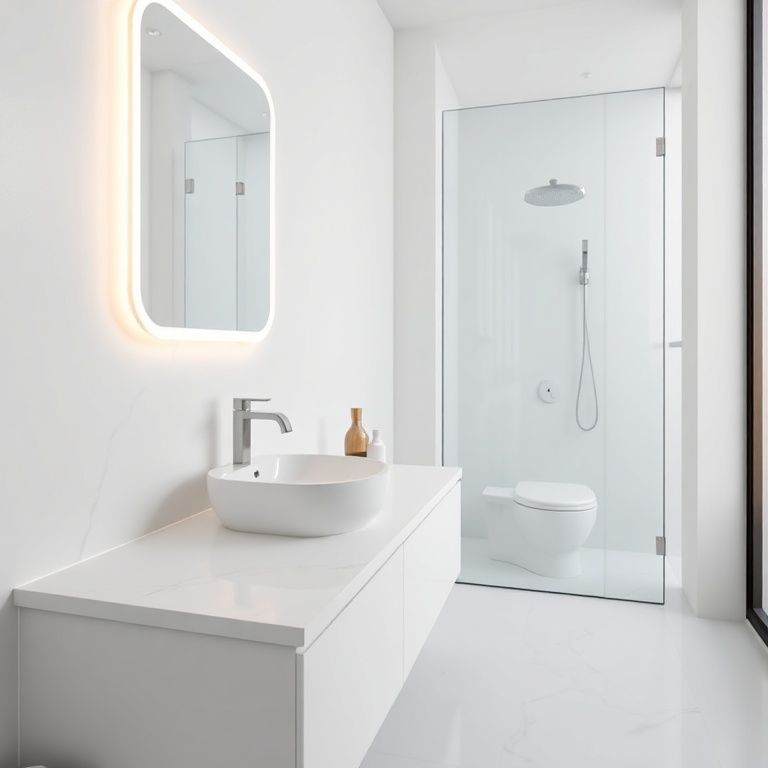
Manufacturers of quartz countertops often infuse the material with pigments during the manufacturing process to achieve the wide array of colors and patterns available. This ability to customize the appearance of quartz makes it incredibly versatile and suitable for a variety of design styles.
Benefits of Quartz Countertops
Durability: One of the standout features of quartz countertops is their exceptional durability. Made from a composite material that includes natural quartz, they are incredibly resistant to scratches, stains, and heat. Unlike natural stone, which can be prone to chips and dings, quartz maintains its integrity and appearance over time.
Low Maintenance: Quartz countertops are a low-maintenance choice for homeowners. They are impervious to most acids, making them resistant to spills from coffee, juice, and other common kitchen liquids. Simply wiping down the surface with a mild cleaner is usually sufficient to keep them looking pristine.
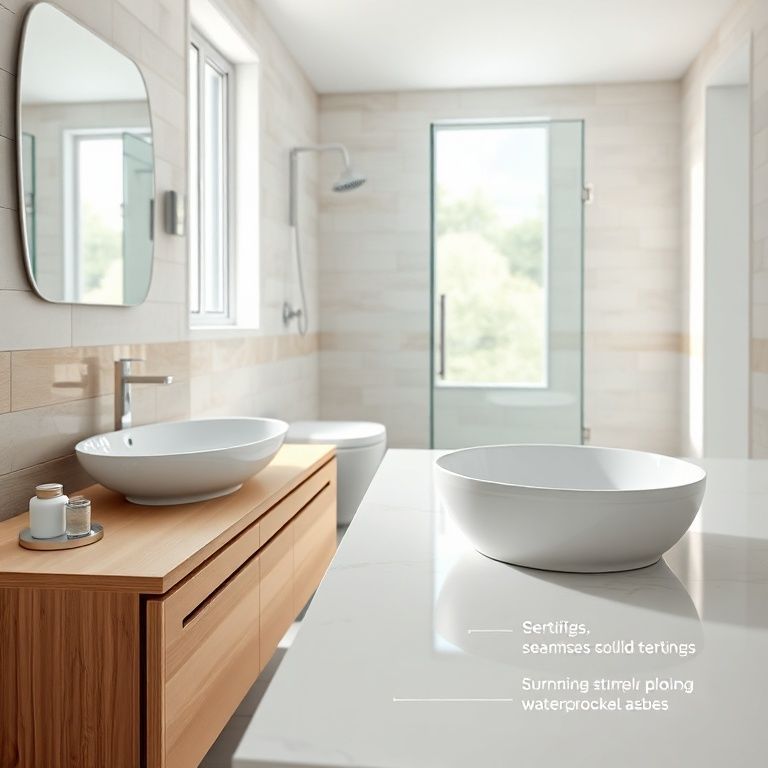
Aesthetic Appeal: The aesthetic appeal of quartz countertops cannot be overstated. Available in a multitude of colors and patterns, quartz can mimic the look of almost any natural stone, including marble, granite, and slate. Whether you prefer a sleek, modern look or a more traditional style, quartz offers endless design possibilities.
Affordability: While natural stone can be quite expensive, quartz countertops offer a more affordable alternative without compromising on quality. This makes them an excellent choice for those looking to enhance their kitchen or bathroom without breaking the bank.
Conclusion
In conclusion, quartz countertops are indeed a man-made stone, created through a meticulous process that blends natural quartz with resin and other materials to form a durable, customizable surface. Their durability, low maintenance, aesthetic versatility, and affordability make them a popular choice for modern design. Whether you’re renovating a kitchen or bathroom, quartz countertops provide a stunning and practical solution that combines the best of both natural and synthetic materials.
Comparing Quartz Countertops to Other Materials
In this second part, we’ll delve deeper into the comparisons between quartz countertops and other popular materials like granite, marble, and solid surfaces. Understanding these differences will help you make an informed decision when choosing the perfect countertop for your home.
Quartz vs. Granite
Granite is one of the most popular natural stone options for countertops. It is prized for its unique veining and durability. However, there are several key differences between granite and quartz.
Durability: Both granite and quartz are durable materials, but quartz has an edge in scratch resistance. Granite can be susceptible to scratches and chips, especially in high-traffic areas, while quartz’s composite nature makes it significantly more resilient.
Maintenance: Granite requires regular sealing to protect its surface from stains and spills. Over time, the sealer can fade or wear off, necessitating reapplication. Quartz, on the other hand, does not need sealing and is generally low maintenance, requiring only a simple wipe-down.
Cost: Granite can vary widely in price depending on its color and veining. Quartz, while still a high-quality material, tends to be more affordable, especially when compared to the higher-end granite varieties.
Quartz vs. Marble
Marble is another popular natural stone known for its beauty and elegance. However, it comes with some significant drawbacks when compared to quartz.
Durability: Marble is highly susceptible to stains, acids, and scratches. This makes it a poor choice for kitchens where spills are common. In contrast, quartz’s resistance to heat, stains, and scratches makes it a more practical option for everyday use.
Maintenance: Marble requires regular maintenance, including sealing and occasional professional cleaning to maintain its appearance. Quartz’s low-maintenance nature means it can be cleaned with minimal effort, making it a more convenient choice for busy households.
Cost: Marble can be expensive, especially high-quality varieties with intricate veining. Quartz offers a more affordable alternative that still provides stunning aesthetics without the upkeep.
Quartz vs. Solid Surfaces
Solid surfaces like Corian and Formica have been popular choices for decades. While they offer unique benefits, quartz stands out in several areas.
Durability: Solid surfaces can be prone to scratches, dents, and chips, especially if they are not properly installed or maintained. Quartz, in contrast, is highly durable and resistant to damage, making it an excellent choice for high-traffic areas.
Maintenance: Solid surfaces can be difficult to clean due to their porous nature, often requiring special cleaners and maintenance products. Quartz’s non-porous surface makes it easy to clean and maintain, requiring only a simple wipe-down with a mild cleaner.
Aesthetics: While solid surfaces can mimic the look of natural stone, they often lack the depth and richness of quartz. Quartz offers a wide range of colors and patterns that can closely resemble natural stone, providing a luxurious and authentic appearance.
Customization and Design Flexibility
One of the major advantages of quartz countertops is their ability to be customized. Manufacturers can create virtually any color, pattern, and design using quartz. This level of customization allows homeowners to achieve their exact vision for their kitchen or bathroom, whether they prefer a sleek, modern look or a more traditional style.
Installation and Versatility
Quartz countertops are relatively easy to install and can be used in a variety of settings beyond just kitchens and bathrooms. They can be used in commercial spaces such as cafes, offices, and retail environments where durability and low maintenance are crucial. Their versatility makes them an excellent choice for any space where a high-quality countertop is desired.
Environmental Impact
From an environmental perspective, quartz countertops offer several advantages. The manufacturing process can be optimized to minimize waste, and the use of recycled materials is increasingly common. Additionally, quartz’s durability means it requires less frequent replacement, reducing waste over time. Compared to natural stone, which involves quarrying and transporting large slabs, quartz offers a more sustainable option.
Conclusion
In conclusion, quartz countertops are a remarkable blend of natural and synthetic materials that offer unparalleled durability, low maintenance, and aesthetic versatility. When compared to other popular countertop materials like granite, marble, and solid surfaces, quartz stands out as a superior choice for both residential and commercial applications. Its ability to be customized to any design vision, combined with its durability and sustainability, makes quartz a top choice for modern design. Whether you’re renovating your kitchen or bathroom, quartz countertops provide a stunning and practical solution that enhances the beauty and functionality of your space.