Unveiling the Mystery: Quartz vs. Marble – What You Need to Know
When it comes to choosing the perfect stone for your home decor, two names often come up in conversations: quartz and marble. While both materials are popular choices for countertops, flooring, and other interior design elements, they have very distinct characteristics that set them apart. Understanding the differences between quartz and marble is essential for making an informed decision, whether you’re planning to update your kitchen or renovate your bathroom.

What is Quartz?
Quartz is a synthetic stone that has been meticulously engineered to mimic the appearance of natural stone, particularly marble. It is composed primarily of silica, which is the same material that makes up quartz crystals found in nature. This composition gives quartz its durability and resilience. Quartz countertops are created through a process of mixing quartz powder with resin, which is then poured into molds and cured under high heat and pressure. This results in a material that is not only visually stunning but also incredibly tough.
Key Characteristics of Quartz
Durability: Quartz is renowned for its impressive durability. It is scratch-resistant and can withstand high levels of heat, making it an excellent choice for kitchen countertops. Unlike natural stone, quartz does not require sealing, as it does not absorb liquids that could cause stains or discoloration.
Design Versatility: Quartz offers a wide range of colors and designs, allowing for endless customization. From sleek, modern grays to vibrant tropical patterns, quartz can be designed to fit virtually any aesthetic. This versatility makes it a popular choice for designers who want to create unique and personalized spaces.
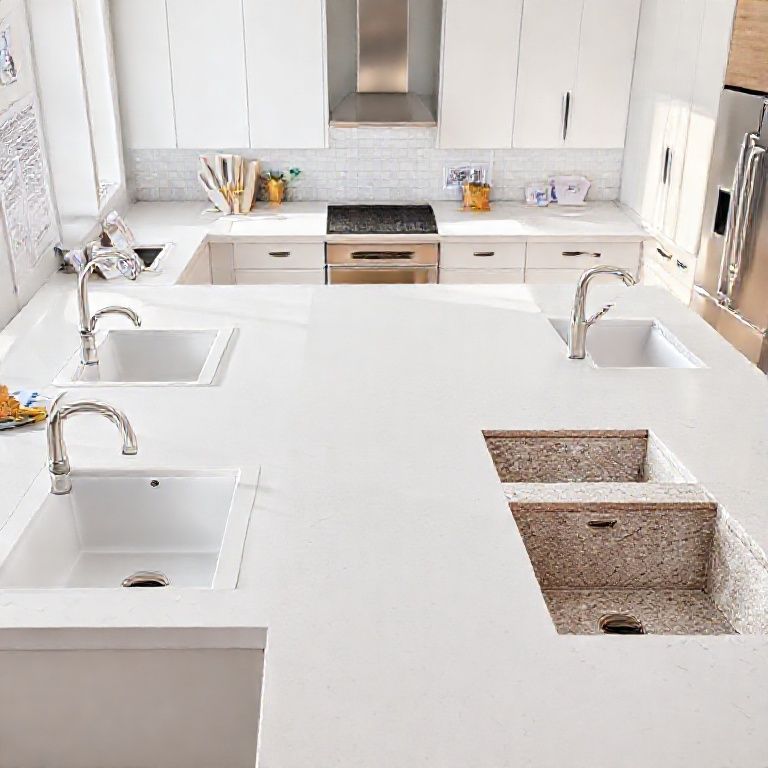
Low Maintenance: One of the biggest advantages of quartz is its low maintenance. Unlike marble, which requires regular sealing to maintain its appearance, quartz simply needs to be wiped clean with a mild soap and water solution.
What is Marble?
Marble, on the other hand, is a natural stone that has been prized for centuries for its beauty and elegance. It is formed from the metamorphic transformation of limestone, which undergoes intense pressure and heat over millions of years. This process creates the intricate patterns and colors that make marble so desirable. Marble is often used in high-end settings such as luxury homes, restaurants, and public buildings due to its classic, timeless appeal.
Key Characteristics of Marble
Natural Beauty: Marble is celebrated for its unique, natural beauty. Each piece is unique, with its own distinctive pattern and color variations. This natural aesthetic is what makes marble so coveted in the world of interior design.
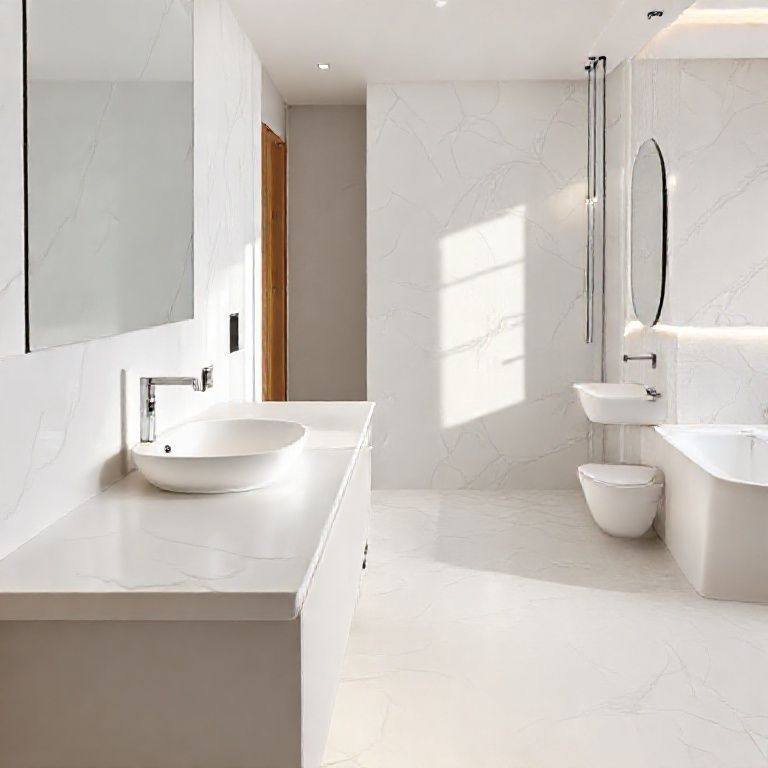
Maintenance: While the beauty of marble is undeniable, it does come with some maintenance requirements. Marble is softer than quartz and can be scratched or stained, so it needs to be sealed periodically to protect its surface. Additionally, it is important to use only soft cloths and mild cleaning agents to avoid damage.
Variability: The beauty of marble lies in its variability. No two pieces are exactly alike, which means that each installation can be a one-of-a-kind statement piece. This uniqueness is both a strength and a challenge, as it requires careful selection and often professional installation to ensure the best possible outcome.
Comparing Quartz and Marble
While both quartz and marble offer stunning visual appeal, they differ significantly in terms of durability, maintenance, and cost. Here’s a closer look at how these two materials stack up against each other.
Durability
Quartz: As mentioned earlier, quartz is incredibly durable. It is resistant to scratches, heat, and most chemicals, which makes it an excellent choice for high-traffic areas like kitchens and dining rooms. Its ability to withstand extreme conditions means that it won’t degrade or crack over time, providing a long-lasting solution.
Marble: Marble, while beautiful, is not as durable as quartz. It is softer and more prone to scratching and staining. This means that marble requires regular maintenance to keep its surface looking pristine. Additionally, marble can be affected by acidic substances, which can cause etching and discoloration.
Maintenance
Quartz: One of the biggest advantages of quartz is its low maintenance. Because it does not absorb liquids, it doesn’t require sealing. Simply wipe it down with a soft cloth and mild soap and water, and it’s good as new. This low-maintenance nature makes quartz an ideal choice for busy households and commercial spaces.
Marble: Marble requires more upkeep than quartz. To maintain its appearance, marble needs to be sealed regularly to prevent stains and scratches. It is also important to use appropriate cleaning materials and techniques to avoid damaging the stone. While this extra care can be time-consuming, the result is a beautiful, classic surface that remains vibrant and elegant.
Cost
Quartz: Quartz countertops are generally more affordable than high-end marble varieties. While the cost can vary depending on the design and quality, quartz is often a more budget-friendly option without compromising on beauty or durability.
Marble: Marble is typically more expensive than quartz, especially high-quality varieties. The cost of marble can be justified by its timeless beauty and unique character, but it often comes with a higher price tag. Additionally, the cost of maintenance and potential repairs due to its softer nature can add to the overall expense.
Conclusion
In the world of stone materials, quartz and marble each offer unique advantages and challenges. Quartz stands out for its durability, low maintenance, and design versatility, making it an excellent choice for those looking for a practical and stylish option. Marble, on the other hand, is celebrated for its natural beauty and timeless elegance, though it does require more care and attention to maintain its stunning appearance.
When deciding between quartz and marble, it’s important to consider your specific needs and preferences. Whether you value the practicality of quartz or the classic allure of marble, understanding the differences between these two materials will help you make an informed decision that best suits your space and style.
Unveiling the Mystery: Quartz vs. Marble – What You Need to Know
In our continued exploration of the fascinating world of stone materials, we delve deeper into the nuanced differences between quartz and marble. As we’ve already touched on the fundamental characteristics and applications of these two materials, let’s take a closer look at their specific use cases, environmental impact, and future trends in the stone industry.
Use Cases and Applications
Quartz
Countertops: Quartz is most commonly used for countertops due to its durability and aesthetic appeal. It is an ideal choice for kitchens, dining rooms, and bathrooms where it will be subjected to daily use and occasional spills. Its resistance to scratches and stains makes it a practical option for high-traffic areas.
Backsplashes: The sleek, modern look of quartz makes it a popular choice for backsplashes. It can be designed to complement the overall color scheme of a kitchen, providing a clean and contemporary finish.
Vanity Tops: Quartz’s durability and ease of maintenance make it an excellent choice for bathroom vanities. Its resistance to moisture and stains ensures that it will remain looking fresh over time.
Flooring: While less common than countertops, quartz can also be used for flooring. Its hardness and low maintenance make it a viable option for spaces that require a durable and easy-to-clean surface.
Marble
Flooring: Marble is often used for flooring due to its beautiful, natural patterns and elegant appearance. It is commonly found in luxury homes, public buildings, and high-end commercial spaces. Its timeless beauty adds a touch of sophistication to any space.
Walls and Columns: Marble’s stunning visual appeal makes it a popular choice for walls and columns. It can be used to create dramatic, eye-catching features that enhance the aesthetic of a room.
Dining Tables: Marble dining tables are a hallmark of high-end dining spaces. Their classic, timeless beauty makes them a perfect choice for formal dining areas.
Outdoor Spaces: Marble’s durability and natural beauty also make it suitable for outdoor spaces, such as patios, terraces, and garden features. Its resistance to weather conditions ensures that it will remain looking great over time.
Environmental Impact
Quartz
Sustainability: Quartz is a synthetic material, which means it is made through a manufacturing process that involves combining quartz powder with resin. While this process is efficient and controlled, it does involve the use of industrial machinery and chemicals. However, advancements in manufacturing technology have made it possible to produce quartz in a more environmentally friendly way, with reduced energy consumption and lower emissions.
Recyclability: Quartz is a durable material that does not degrade over time. When quartz surfaces are replaced, they can often be recycled, although the process for recycling synthetic stone is less established compared to natural stone recycling.
Marble
Marble
可持续性: 由于大理石是一种天然石材,其采石对环境的影响相对较大。开采过程可能导致土地破坏、水资源消耗以及空气污染。大理石的运输也会产生大量的碳排放,因为它通常需要从采石场运送到加工厂和最终的安装地点。
可再生性: 大理石是一种不可再生的资源。一旦被开采,它不会再自然地再生,这使得其资源在长时间尺度上变得有限。因此,在选择大理石时,考虑其可持续性和来源至关重要。
比较和未来趋势
在选择石材时,环境影响是一个重要的考量因素。尽管大理石以其自然美感著称,但其不可再生性和开采对环境的影响使其在可持续性方面不如人工合成石材如石英。随着环保意识的提高和技术的进步,人工合成石材如石英的生产工艺也在不断优化,以减少其环境足迹。
未来趋势
可持续材料: 未来,石材行业可能会更加注重可持续性。这包括开发新的低环境影响的人工合成石材,以及更加严格的天然石材采掘和运输标准。
智能设计: 随着建筑技术的发展,智能设计和建筑材料的创新将进一步推动石材的应用。例如,通过3D打印技术,可以实现更加精细和复杂的石材设计。
循环经济: 循环利用和再生利用将成为未来建筑材料的重要趋势。无论是石英还是大理石,废弃材料都将尽量进行回收和再利用,以减少浪费和环境影响。
结论
在选择石材时,既要考虑其美学和功能特性,也要关注其环境影响。石英以其低维护、耐用和可再生特性,正在逐渐取代传统的大理石。大理石仍然保留着其独特的自然美感,适用于对传统和高端设计有特殊要求的场所。最终的选择将取决于具体的项目需求、预算以及对环境的重视程度。