Unveiling the Mystery: Is Quartz Countertop Truly Marble?
When it comes to selecting the perfect countertop for your kitchen or bathroom, the choices can be overwhelming. Two materials frequently mentioned are quartz and marble, often leading to the question: “Is quartz countertop truly marble?” To help clarify this common misconception, let’s embark on an enlightening journey to uncover the distinct characteristics, advantages, and unique features of both quartz and marble.

The Allure of Quartz Countertops
Quartz countertops have surged in popularity in recent years, and for good reason. One of the main reasons behind their appeal is their exceptional durability. Unlike natural stone, quartz is a composite material made from 93% pure quartz and 7% resin, crafted under high pressure and temperature. This composition results in a product that is significantly more durable than traditional marble.
A Superior Alternative
Quartz is virtually indestructible. It doesn’t scratch, chip, or stain easily. This makes it an ideal choice for busy households and commercial spaces where durability is paramount. Unlike marble, quartz does not absorb liquids, meaning spills and stains pose no threat to its integrity. This resistance to staining and scratching makes quartz a top choice for those looking for low-maintenance surfaces.
Variety and Design Versatility
Quartz offers an impressive array of colors, patterns, and finishes, thanks to its manufacturing process. Designers and homeowners can choose from an extensive palette, allowing for a bespoke look that can mimic natural stone while offering endless design possibilities. The versatility of quartz means you can easily find a quartz countertop that matches your vision, whether it’s a sleek, modern look or a more traditional aesthetic.
Cost-Effectiveness
While high-quality quartz countertops might have an initial investment, they are cost-effective in the long run. Their durability means fewer repairs and replacements, leading to significant savings over time. Moreover, the ease of cleaning and maintenance further reduces the need for professional cleaning services, making quartz an economical choice.
The Timeless Beauty of Marble
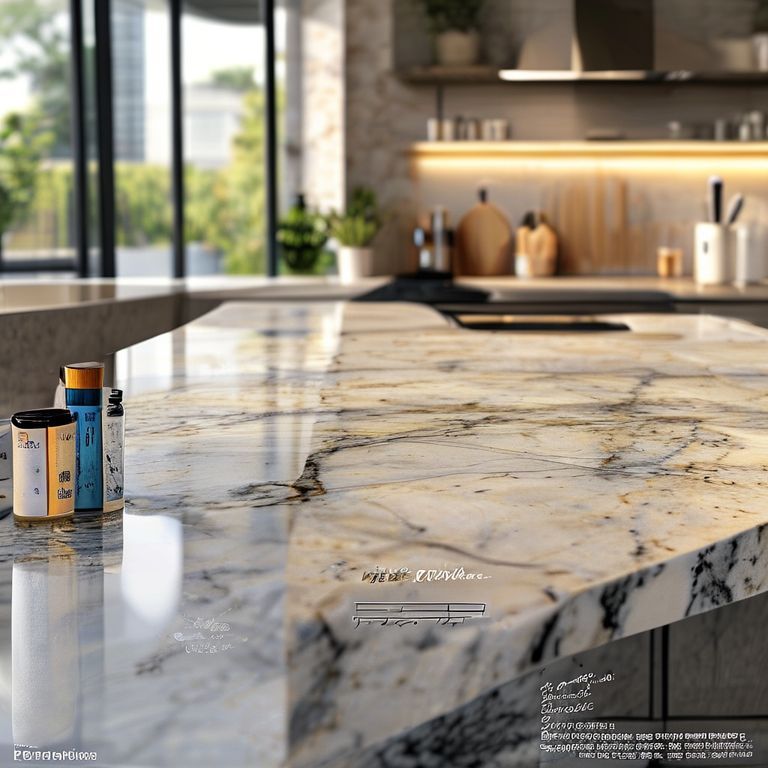
In contrast, marble has been a favored choice for centuries, admired for its natural beauty and elegance. Marble is a natural stone formed from limestone, and its unique veining and patterns are a result of natural processes that take millions of years. This inherent beauty is what makes marble so coveted, but it also brings certain challenges.
Maintenance and Care
Marble is softer than quartz, making it more susceptible to scratches and stains. While it can be polished to restore its shine, it requires regular maintenance to keep its beauty intact. Acidic substances like citrus juices, vinegar, and coffee can cause permanent discoloration on marble, necessitating careful handling and regular sealing.
Cost Implications
Marble countertops generally come with a higher price tag, both in terms of initial cost and ongoing maintenance expenses. The cost of a marble countertop can vary widely depending on the type and quality of the marble. Additionally, the need for regular sealing and maintenance can add to the overall cost of ownership.
Environmental and Ethical Considerations
Quartz and marble also differ in their environmental and ethical footprints. Quartz, being a man-made material, often involves less environmental impact compared to mining and transporting natural stone. Additionally, quartz manufacturing can be more controlled, reducing waste and energy consumption. On the other hand, the extraction of natural marble involves environmental considerations, including land use and potential water consumption.
Conclusion
Understanding the differences between quartz and marble is crucial for making an informed decision about your countertop choice. While both materials offer unique benefits, quartz stands out for its durability, versatility, and low maintenance. Marble, on the other hand, offers timeless beauty and elegance, though it requires careful care and maintenance.
In the next part of our exploration, we will delve deeper into the design and installation aspects of these two materials, highlighting how to best incorporate them into your home decor. Stay tuned for more insights on transforming your kitchen and bathroom spaces with the perfect countertop choice!
Unveiling the Mystery: Is Quartz Countertop Truly Marble? (Continued)
In the previous segment, we explored the fundamental differences between quartz and marble countertops, focusing on their durability, design versatility, and maintenance requirements. Now, we will dive into the intricacies of design and installation, offering you a comprehensive guide to integrating these materials into your home decor seamlessly.
Design Considerations
Choosing the Right Quartz Color
One of the most appealing aspects of quartz is its vast array of colors and patterns. Whether you’re looking for a sleek, contemporary look or a more traditional design, quartz offers something to suit every taste. Some popular quartz colors include:
Emerald: Perfect for a luxurious, tropical vibe. Sagaing: Ideal for a sophisticated, earthy look. Karma: Great for a modern, minimalist aesthetic. Bali: Excellent for a warm, inviting atmosphere.
When selecting a quartz color, consider the overall design theme of your kitchen or bathroom. Quartz can easily blend with various design styles, making it a versatile choice for both new builds and renovations.
Marble’s Timeless Appeal
Marble’s natural veining and patterns make it a standout choice for those who appreciate traditional elegance and classic beauty. Popular marble types include:
Carrara Marble: Known for its classic white veins. Venetian Marble: Offers a unique, veined pattern that adds character. Black Marble: Perfect for a dramatic, bold statement.
When choosing marble, consider how the natural patterns will interact with the rest of your design. Marble’s beauty lies in its uniqueness, so choosing a piece that complements your home’s existing decor can create a cohesive and stunning look.
Installation Tips
Installing Quartz
Quartz countertops are relatively easy to install due to their solid surface nature. Here are some key tips:
Cut to Size: Quartz slabs are often cut to fit your countertop dimensions. For precise cuts, a diamond-tipped saw is recommended. Edge Finishing: Use a quartz edge finisher to smooth any rough edges, ensuring a clean and professional finish. Sealing: While quartz doesn’t require sealing as frequently as marble, it’s still recommended to apply a high-quality sealant periodically to maintain its shine and durability.
Installing Marble
Marble’s installation requires more care due to its softer nature. Here are some essential tips:
Cut and Fit: Marble slabs need to be cut carefully to fit your countertop dimensions. A diamond-tipped saw is ideal for precise cuts. Edge Finishing: Use a marble edge finisher to smooth the edges, and consider using a marble saw stop to prevent overcutting. Sealing: Regular sealing is crucial to protect marble from stains and maintain its beauty. Use a high-quality marble sealant and follow the manufacturer’s instructions for application.
Long-Term Care
Quartz Maintenance
Quartz countertops are known for their low maintenance requirements. Here’s how to keep them looking their best:
Cleaning: Use a mild dish soap and warm water to clean quartz surfaces. Avoid using abrasive cleaners or sponges that can scratch the surface. Stain Prevention: While quartz is resistant to stains, it’s still best to clean up spills immediately to prevent any potential discoloration. Repair: Minor scratches can often be buffed out using a quartz countertop repair kit.
Marble Maintenance
Maintaining marble countertops requires more diligence to preserve their beauty. Here’s how to care for your marble surfaces:
Cleaning: Use a pH-neutral cleaner specifically designed for marble. Avoid using acidic or alkaline cleaners that can damage the stone. Stain Prevention: Immediately clean up spills, especially those containing acidic substances like lemon juice or vinegar. Sealing: Apply a high-quality marble sealant every six months to protect against stains and maintain the stone’s natural luster.
Conclusion
Choosing between quartz and marble countertops involves weighing their unique benefits and maintenance requirements. Quartz offers unmatched durability, versatility, and low maintenance, making it a popular choice for modern kitchens and bathrooms. On the other hand, marble’s natural beauty and elegance provide a timeless appeal that can enhance any space with its unique veining and patterns.
By understanding the design and installation considerations for each material, you can make an informed decision that aligns with your aesthetic preferences and lifestyle. Whether you opt for the modern, low-maintenance quartz or the classic, beautiful marble, both materials offer exceptional options for your countertop needs.
In the end, the choice between quartz and marble boils down to your personal preferences, lifestyle, and the specific requirements of your space. With this comprehensive guide, you’re well-equipped to make a decision that will enhance the beauty and functionality of your kitchen and bathroom for years to come.