In the realm of modern kitchen and bathroom design, countertop choices play a crucial role in both aesthetics and functionality. This comprehensive guide explores the contrasting qualities of quartz and marble countertops, focusing on their durability, maintenance, and overall impact on your space. From understanding their strengths to identifying their weaknesses, we delve deep into why marble may sometimes be considered a more enticing choice than quartz.

Quartz countertops, marble countertops, kitchen design, bathroom design, countertop durability, countertop maintenance, quartz vs marble, quartz vs marble comparison, countertop materials
Unveiling the Ultimate Comparison: Quartz vs Marble Countertops
When it comes to selecting the perfect countertops for your kitchen or bathroom, the choice between quartz and marble is one of the most debated. Both materials offer unique advantages and come with their own sets of challenges. Today, we’ll focus on the critical distinctions between these two popular choices, particularly emphasizing quartz’s ultimate drawbacks and why marble might sometimes be the superior choice.
The Allure of Quartz Countertops
Quartz, a composite material made from 93% natural quartz and 7% resin, has revolutionized the countertop industry with its durability, low maintenance, and variety of designs. Quartz countertops are available in a myriad of colors and finishes, allowing for a level of customization that’s hard to beat. They are also resistant to stains, scratches, and heat, making them an excellent choice for busy households and commercial kitchens.
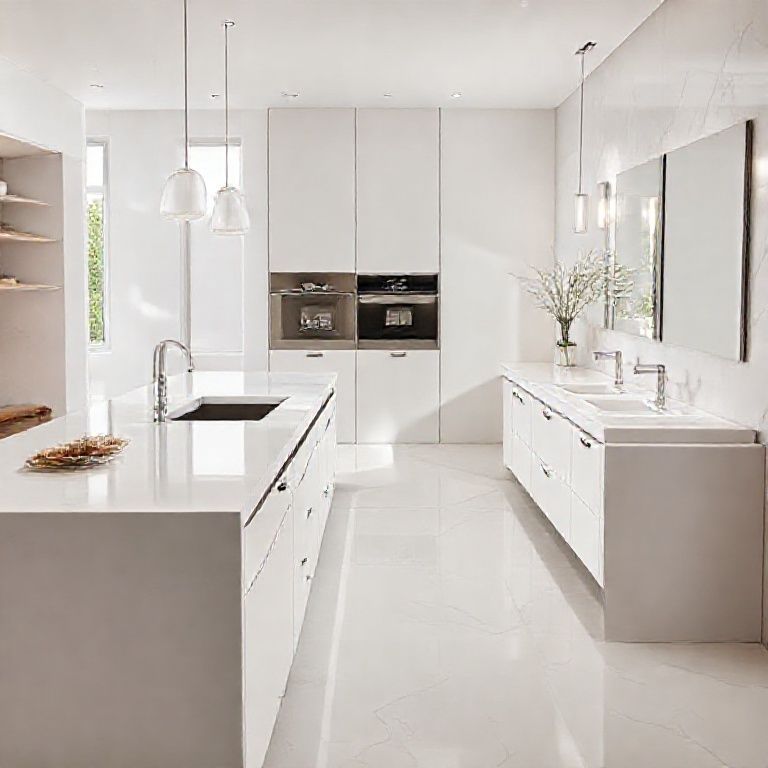
The Achilles Heel of Quartz: Durability and Maintenance
Despite its numerous advantages, quartz has its own set of limitations that can be significant. The biggest drawback of quartz countertops is their susceptibility to thermal damage. While quartz is resistant to stains and scratches, it can crack or shatter when exposed to extremely high temperatures. This is where quartz’s interaction with heat-producing appliances like stovetops becomes a critical consideration.
Why Quartz Isn’t Always the Best Choice
Thermal Damage: Quartz can crack when subjected to sudden, high temperatures. Unlike granite or marble, which can absorb heat more evenly, quartz can experience thermal shock, leading to potential damage. This makes quartz less suitable for kitchens with frequent use of stovetops or open flames.
Aesthetic Limitations: While quartz offers a wide range of colors and designs, its natural look is somewhat limited compared to the timeless beauty of marble. Marble, with its veined and unique patterns, offers a natural elegance that quartz can struggle to replicate.
Environmental Concerns: Quartz manufacturing involves the use of resins and binders that can release volatile organic compounds (VOCs). Though these are generally low, they can still pose environmental and health concerns.
The Timeless Beauty of Marble Countertops
Marble, a natural stone known for its stunning aesthetic appeal, offers qualities that quartz simply cannot match. Marble countertops are not only beautiful but also incredibly durable. Here’s why marble might sometimes be the better choice over quartz.
1. Natural Beauty and Unique Patterns
Marble is celebrated for its natural beauty and unique patterns that make each piece one-of-a-kind. Unlike quartz, which can mimic stone but doesn’t possess the same organic texture and veining, marble offers a timeless elegance that resonates with many homeowners and designers.
2. Durability and Strength
Marble is a metamorphic rock, formed under immense pressure and heat, making it incredibly strong and durable. While it does require regular maintenance to prevent staining, its overall robustness makes it a long-lasting choice for countertops.
3. Thermal Resistance
Marble is known for its ability to withstand high temperatures without cracking or shattering. Unlike quartz, marble does not suffer from thermal damage, making it an ideal choice for kitchens with active stovetops.
4. Low Maintenance with Proper Care
While marble does require regular sealing to prevent staining, its maintenance needs are relatively straightforward. With proper care, marble countertops can last for decades, providing a luxurious and elegant look that remains relevant.
Conclusion
When comparing quartz and marble countertops, it’s clear that each material has its own set of strengths and weaknesses. Quartz offers unmatched versatility, durability, and low maintenance, making it a popular choice for many. However, its susceptibility to thermal damage and environmental concerns can be significant drawbacks.
On the other hand, marble provides unmatched beauty, durability, and thermal resistance. Its unique patterns and timeless elegance make it a preferred choice for those looking for a luxurious and enduring countertop.
In the next part of this guide, we’ll delve deeper into the maintenance, cost, and installation aspects of both quartz and marble countertops, helping you make an informed decision for your home renovation project.
Unveiling the Ultimate Comparison: Quartz vs Marble Countertops (Continued)
In the previous part, we explored the fundamental differences between quartz and marble countertops, focusing on their durability, thermal resistance, and aesthetic qualities. Now, let’s dive deeper into the maintenance, cost, and installation aspects of each material to help you make an informed decision for your home renovation project.
Maintenance: Keeping Your Countertops Looking Their Best
Quartz Countertops
Quartz is renowned for its low maintenance requirements. Unlike natural stone countertops, quartz does not require regular sealing or polishing. This makes it a practical choice for busy households and commercial kitchens. However, it’s important to note that quartz can still be susceptible to scratches from sharp objects, so using cutting pads and trivets can help protect the surface.
Marble Countertops
Marble, while beautiful, does require more maintenance than quartz. To maintain its pristine look, marble countertops need to be regularly sealed to prevent staining. This sealing process typically needs to be repeated every six months to a year, depending on the usage and the type of marble. Additionally, marble can be susceptible to acid stains from items like lemon juice or wine, so it’s crucial to clean these spots immediately.
Cost: Budget Considerations
Quartz Countertops
The cost of quartz countertops can vary widely based on the design, color, and brand. Generally, quartz tends to be more affordable than marble, especially high-end marble varieties. However, the cost can still be significant, particularly for custom designs or large installations.
Marble Countertops
Marble countertops are typically more expensive than quartz due to their natural origin and the intricate veining and patterns they offer. High-end marbles like Italian Carrara or French Brittany can be particularly pricey. However, the beauty and durability of marble often justify the higher cost for many homeowners.
Installation: Professional Expertise Required
Quartz Countertops
The installation of quartz countertops is relatively straightforward. Since quartz is a solid surface material, it can be installed over a variety of substrates, including plywood, cement board, or even directly onto a subfloor. The installation process is less labor-intensive compared to natural stone, making it easier for DIY enthusiasts or less experienced installers.
Marble Countertops
Installing marble countertops requires professional expertise. Marble’s weight and delicate nature mean that improper installation can lead to issues like uneven surfaces or damage. It’s crucial to use a proper substrate, such as a cement board, and to ensure that the countertop is secured properly to prevent shifting or cracking. Professional installation is recommended to achieve the best results.
Longevity and Durability: The Ultimate Test
Quartz Countertops
Quartz’s durability is one of its biggest selling points. Its composite nature makes it resistant to stains, scratches, and heat, providing a long-lasting surface that requires minimal maintenance. Over time, the aesthetic appeal of quartz remains largely unchanged, making it a durable choice for both kitchens and bathrooms.
Marble Countertops
While marble is a durable natural stone, its maintenance needs and susceptibility to staining can affect its longevity. With proper care, marble countertops can last for decades, but regular sealing and prompt cleaning of stains are essential to maintain their beauty and integrity. The natural aging process of marble can actually enhance its appearance over time, giving it a unique, one-of-a-kind look.
Environmental Impact: Sustainability Considerations
Quartz Countertops
The manufacturing process for quartz involves the use of resins and binders, which can release volatile organic compounds (VOCs). While the levels of VOCs are generally low, they can still pose environmental and health concerns. Additionally, the extraction and processing of quartz can have environmental impacts, though these are often less severe than those associated with natural stone.
Marble Countertops
Marble is a natural stone, and its extraction and processing can have significant environmental impacts. Quarrying marble requires considerable energy and can lead to habitat destruction and pollution. However, marble is a durable material that can be reused or repurposed, offering a degree of sustainability over time.
Conclusion
When comparing quartz and marble countertops, it’s clear that each material has distinct advantages and disadvantages. Quartz offers unmatched durability, low maintenance, and versatility, making it an excellent choice for busy households and commercial spaces. However, its susceptibility to thermal damage and environmental concerns can be significant drawbacks.
Marble, on the other hand, provides unparalleled beauty, durability, and thermal resistance. Its unique patterns and timeless elegance make it a preferred choice for those looking for a luxurious and enduring countertop. However, marble’s higher cost, maintenance requirements, and need for professional installation are important considerations.
Ultimately, the choice between quartz and marble will depend on your specific needs, preferences, and budget. By understanding the strengths and weaknesses of each material, you can make an informed decision that best suits your home renovation project.
设计与美学因素
石英石:
设计灵活性:石英石因其高度可定制的特性,可以模仿各种石材、木材和金属的外观。这使得设计师能够创造出非常独特和现代的设计。
颜色和纹理:石英石提供了广泛的颜色和纹理选择,从经典的白色到深色调,甚至可以实现特定的图案和效果。
大理石:
天然美感:大理石因其独特的天然花纹和颜色,具有无可比拟的美感。大理石的自然纹理和色彩变化能够增加空间的奢华感。
传统与经典:大理石在建筑和家具设计中具有悠久的历史,常被视为高贵和优雅的象征。这种传统美感适用于各种装修风格,从古典到现代都能找到其合适之处。
耐用性与维护
石英石:
抗污性:石英石表面具有极高的耐污性,不容易留下指纹和污渍。这使得清洁和维护变得相对简单,只需用中性清洁剂和水即可。
抗冲击性:由于其高硬度和纤维强度,石英石能够有效抵御划痕和冲击,非常适合厨房和浴室等高使用频率的区域。
大理石:
天然硬度:大理石本身具有高硬度,但其表面易受压力和化学物质的影响。长期使用可能会出现划痕和污渍。
保养要求:大理石需要定期密封处理,以防止酸性食物和饮品的渗透,从而保持其光泽和美观。如果不进行适当的保养,大理石可能会出现永久性的污渍和损伤。
成本与预算
石英石:
价格范围:石英石的价格因材料配方和设计复杂性而异,通常介于中等到较高的价位。但相对于大理石,石英石在质量和耐用性上的投入可能更为合理。
安装和维护成本:石英石的安装和日常维护成本较低,因为其耐用性和易清洁的特性减少了长期的维护需求。
大理石:
价格波动:大理石的价格因矿源和品质而异,有些高级大理石如卡拉拉大理石价格非常高昂。
维护和修复成本:由于大理石需要定期密封和维护,长期来看其维护成本可能较高。如果出现严重损坏,修复费用也不低。
环保与可持续性
石英石:
环保材料:石英石是一种环保材料,因为其主要成分是天然石英,不含有害化学物质。其生产过程中的胶合剂和其他添加剂可能存在环境影响。
可回收性:石英石板材在报废时可以回收再利用,这对于环保和可持续发展有积极意义。
大理石:
矿源开采:大理石的开采对环境有一定影响,尤其是在矿山开采过程中可能导致的生态破坏和水土流失问题。
可持续性:目前市场上有部分大理石材料是通过可持续管理的矿山开采,但总体来说,大理石的可持续性问题仍然存在。
总结来看,石英石和大理石各有优缺点。石英石以其现代、耐用和易于维护的特性在市场上越来越受欢迎,而大理石则以其天然美感和经典优雅吸引着那些追求高端品质和传统美感的消费者。选择哪种材料,最终还是要根据具体的设计需求、预算和个人偏好来决定。